
SpecClear earns a commission if you buy through Newegg links on this page, at no extra cost to you.
The Arctic Liquid Freezer series has been quietly embarrassing more expensive AIOs for years. This third-generation Pro model raised the bar even further by adding a thicker radiator, improved pump, better fan control and landed at a price point that makes most of the competition look overpriced. With Arctic currently discounting it further through their tariff refund promotion, there has never been a better time to understand exactly what this cooler does and whether it belongs in your build or not.
Specifications
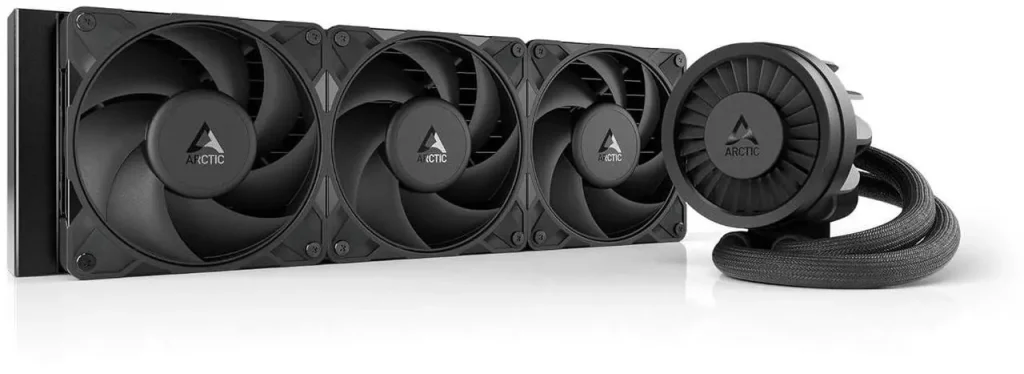
The Liquid Freezer III Pro 360 uses a 360mm radiator that is meaningfully thicker than most standard sizes 38mm versus the 27mm that most 360mm AIOs ship with is a substantial; and measurable difference. That additional radiator thickness translates directly to more heat dissipation capacity and Arctic pairs it with three 120mm P12 fans running in a push configuration with a revised pump head and an integrated VRM fan with their proprietary MX-6 thermal compound pre-applied. All of that comes in the Arctic Liquid Freezer III Pro 360 (about $166 on Newegg from a marketplace seller).

The Socket compatibility covers AM4, AM5, LGA1700 and LGA1851 – every current mainstream platform and Installation hardware ships in the box for all of them with no additional bracket required for AM5.
Why the thick radiator matters
A radiator’s job is to transfer heat from the liquid loop to the air that the fans push through it. Surface area and volume both contribute to how efficiently it does that. A 38mm thick radiator has roughly 40% more internal volume than a 27mm unit of the same footprint what This means is lower coolant temperatures at a given fan speed, which then means the fans don’t need to spin as fast to maintain the same CPU temperature and ultimately it means that Lower fan speeds guarantee quieter operation. for a PC that sits on a desk right next to you, silence is of utmost importance
The practical result at moderate fan speeds is that the Liquid Freezer III Pro 360 runs quieter than competing 360mm AIOs while matching or exceeding their thermal performance at full load. That combination – quieter and cooler – is what separates good AIOs from the great ones. That is what you get with the Arctic Liquid Freezer III Pro 360 (about $166 on Newegg from a marketplace seller).
Performance on high-TDP processors
The Pro 360 is rated for TDPs that comfortably cover the Ryzen 7 9800X3D, the Ryzen 9 9950X, the Core Ultra 9 285K and anything else the current generation throws at it with no problems at all. On a 170W TDP processor running sustained all-core loads, the thick radiator keeps coolant temperatures low enough that the pump and fans never have to work at maximum output and in Real-world gaming loads, which are lower and less sustained than synthetic stress tests, are handled with substantial headroom.
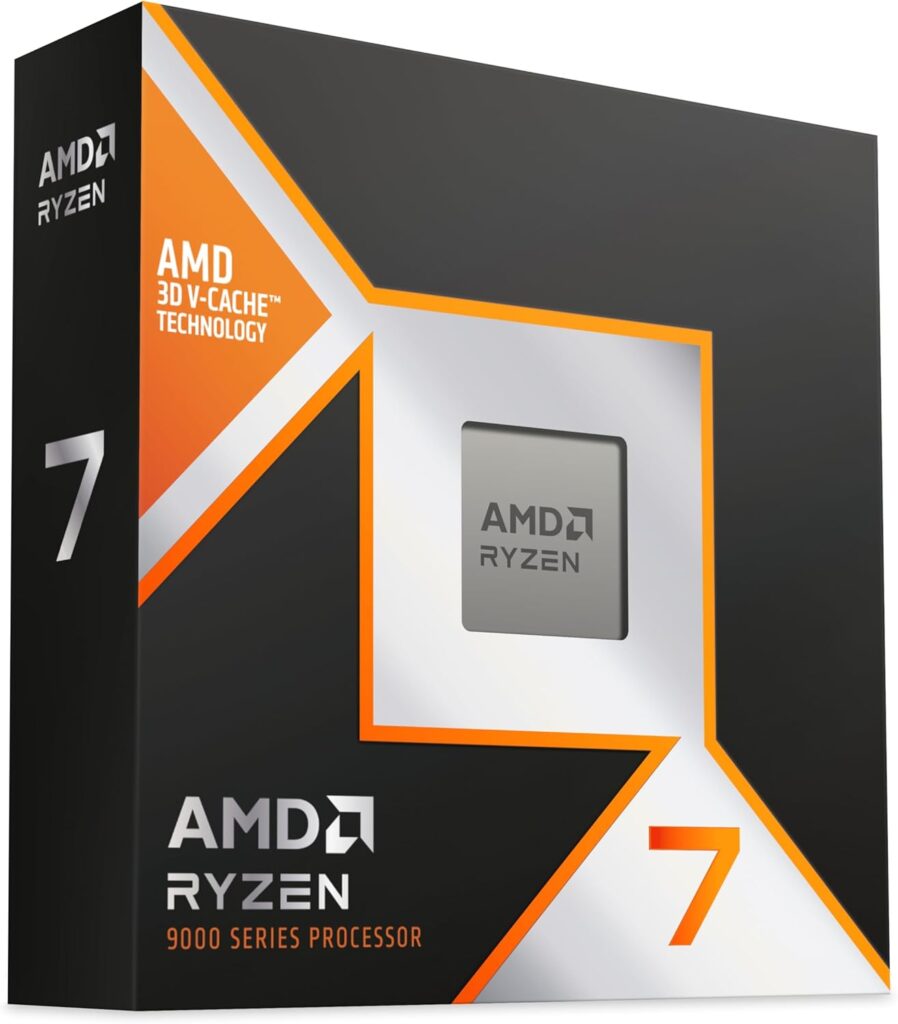

For the 9800X3D and 9850X3D specifically, which run at 120W TDP and respond well to coolers that keep junction temperatures low, the Liquid Freezer III Pro 360 is one of the better matches available. AMD’s 3D V-Cache CPUs benefit from lower sustained temperatures in a way non-X3D chips don’t – the cache dies are thermally sensitive and performance holds up better when the cooler can sustain low temperatures across a gaming session rather than just at burst.
The integrated VRM fan
The pump head includes a small 40mm fan that blows directly onto the motherboard VRM area. This is a detail that matters on boards with weaker VRM thermal solutions like the mid-range B650 and B760 boards in particular. Under sustained load, VRM temperatures on these boards can creep into ranges that cause thermal throttling of the VRM itself, which in turn caps CPU performance. The pump fan addresses this without requiring separate VRM heatsink upgrades or relying on case airflow to handle it incidentally.

On high-end boards with substantial VRM heatsinks it makes less difference, but it costs nothing and causes no drawbacks at all. That VRM fan is built into the Arctic Liquid Freezer III Pro 360 (about $166 on Newegg from a marketplace seller).
Noise levels
At 50% fan speed – enough for gaming loads on most current CPUs – the P12 fans are quiet enough to be inaudible with a headset on. At 75% they become noticeable in a quiet room. At 100% they’re audible but not aggressive. The fan curve in practice rarely needs to push above 60% for gaming workloads, which puts this comfortably in the quiet operation category for everyday use.
Case clearance requirements
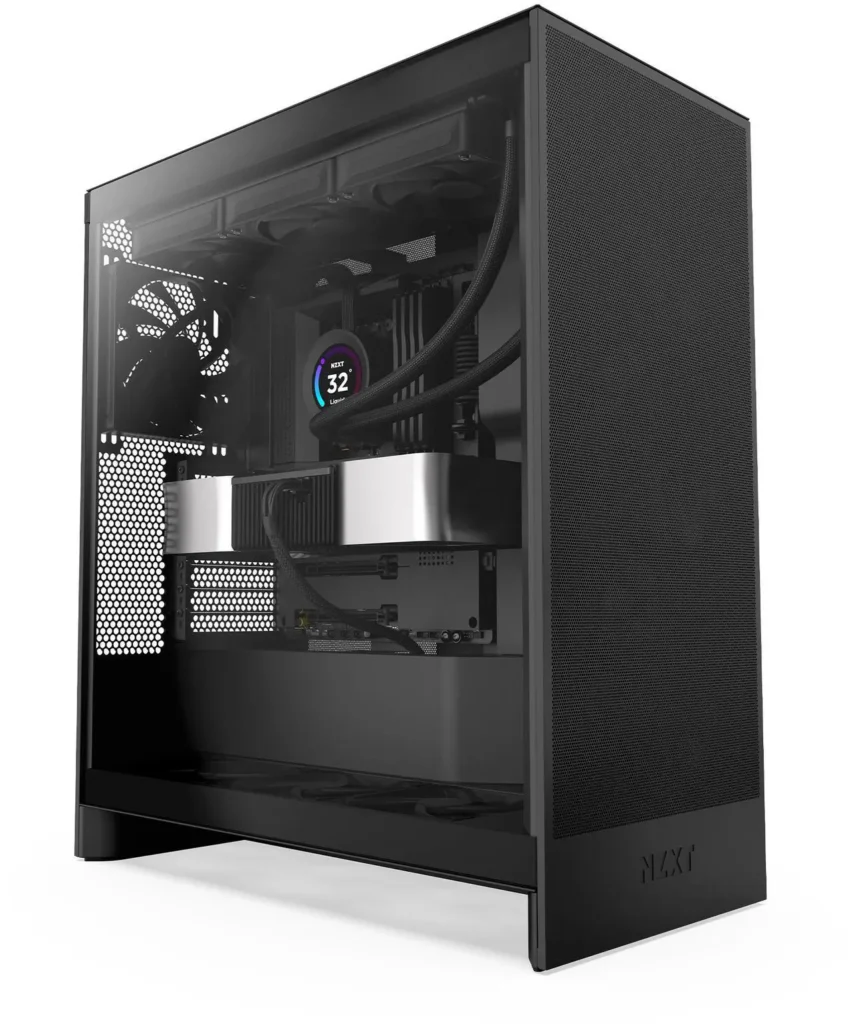
A 360mm radiator needs a case that supports it. The Torrent reviewed by us not too long ago handles it easily. So does the Corsair 5000D Airflow, the NZXT H7 Flow, the Lian Li Lancool 216, and most full-size ATX cases from the last three years. Before buying any 360mm AIO confirm your case’s radiator clearance – top and front mount positions have different height restrictions and not every case accommodates 38mm thick radiators in every position, an important detail to avoid having to chase a refund.


The value case
At list price the Liquid Freezer III Pro 360 already undercuts most premium 360mm AIOs from Corsair, NZXT, and ASUS. Under Arctic’s tariff-refund discount it was selling near $70 through Arctic’s own store and Amazon in September 2026, which made it the default pick for a high-TDP CPU. On Newegg it’s about $166 from a marketplace seller, so check Arctic or Amazon for the discount price first. Competing products that cost more do not cool better. That value gap has defined this line for generations, and the Pro model keeps it.
Who should buy it
Any AM5 or LGA1851 builder running a processor above 100W TDP who wants best-in-class cooling without paying flagship AIO prices. It’s the default recommendation before anything else is considered at its price bracket.


Who shouldn’t
If your case only supports 240mm radiators, buy the 240mm version instead-it shares the same thick-radiator advantage just scaled down. If you’re building a small form factor system with no top or front radiator clearance, an air cooler is still a better fit. And if you’re running a low-TDP CPU like the Ryzen 5 9600 or an Intel i3, a high-quality air cooler will match this AIO’s performance for less money – the thick radiator advantage matters most on hot hardware.
