
Two things happened on July 1, 2026 that nobody should treat as coincidence.
Sony officially confirmed it will stop producing physical discs for new PlayStation games in January 2028. Within hours, reports surfaced that Microsoft had been quietly testing a feature called Disc2Digital — a system that converts physical Xbox game discs into permanent digital licences tied to your Microsoft account. On August 26, 2026, Xbox officially announced the feature, with Insider testing starting August 31.
Is this actually happening Xbox Disc2Digital ? Both companies are heading in the same direction, Physical media is leaving console gaming. The only question is how gracefully either platform handles the transition for the people who bought discs for the last twenty years.
Here’s exactly what we know about Disc2Digital, what it means in practice, and why the PC gaming angle on this story matters more than most coverage is acknowledging.
Xbox Disc2Digital: What It Actually Is
The feature was first spotted in May when the string “enable Disc2Digital” surfaced in code for the Xbox PC app. Tom Warren at The Verge reported on July 1 that Xbox employees are now actively testing the system internally, with plans that point toward rollout alongside Microsoft’s next-generation console, Project Helix.
How it works is straightforward Insert a compatible game disc into an Xbox console, install the game, and launch it once. That’s the entire process. After that initial verification, Microsoft grants a digital entitlement a permanent digital licence for that game, linked to your Microsoft account. You can then play the game without the disc inserted, stream it via Xbox Cloud Gaming if the title supports it, and access Xbox Play Anywhere benefits if the game is enrolled in that programme.
The digital entitlement is tied to the specific physical disc, not to you personally. If you sell the disc, loan it to a friend, or hand it to someone else and they insert it into their console, the licence transfers to them. Your digital copy disappears the moment the disc changes hands. This is both the feature’s main selling point it preserves the ability to trade games and its main limitation. It doesn’t give you unconditional digital ownership. It gives you conditional digital access that mirrors the physical disc’s ownership chain.
What It Covers and What It Doesn’t
Disc2Digital supports Xbox One and Xbox Series X/S game discs. Xbox 360 and original Xbox discs are not supported in the current testing phase. Microsoft hasn’t confirmed whether 360 support will come later or is permanently excluded.
The Xbox 360 exclusion matters. Microsoft’s backwards compatibility programme already supports more than 600 titles spanning multiple generations on the Xbox Series X. Many of those titles exist only as 360 discs in collectors’ libraries. If Disc2Digital never extends to 360 games, a significant portion of physical console gaming history remains vulnerable to hardware failure and ageing disc drives as the only means of access.
Some Xbox One discs may also have compatibility issues during the testing phase. Microsoft has reportedly told testers that support for certain Xbox One discs “depends on how and when the disc was manufactured” a vague caveat that suggests the system may not work perfectly across the full Xbox One library at launch.
Why This Is Happening Now: Project Helix
The timing of Disc2Digital’s emergence isn’t accidental. Multiple sources are reporting that Microsoft’s next-generation console, Project Helix, will launch without a disc drive.
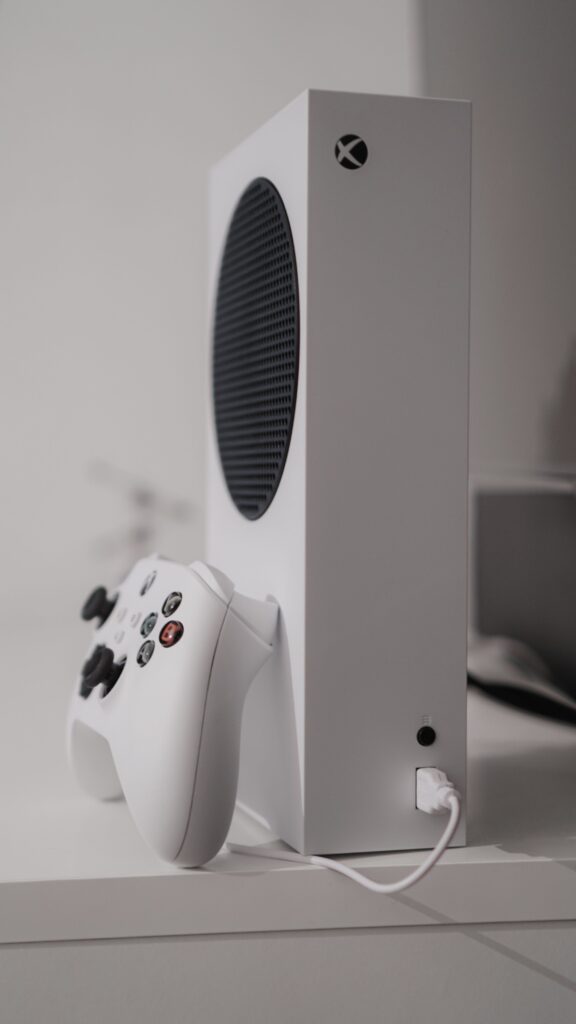
The business logic is clean. Removing a disc drive reduces manufacturing costs and complexity. The Xbox Series S Microsoft’s discless entry-level console since 2020 has demonstrated that a significant portion of Xbox buyers will accept a digital-only machine. Xbox’s own user base has been converting to digital purchases for years, driven partly by Game Pass making the physical vs digital question largely irrelevant for subscribers. Microsoft was already heading here. Sony’s announcement simply made the industry’s direction undeniable on the same day.
Project Helix is described in various reports as a hybrid gaming platform a console that blurs the line between Xbox and PC, potentially running Xbox exclusives and Steam games side by side. A disc drive in that kind of product makes even less sense than in a traditional console. The user base Project Helix is targeting has largely moved on from physical media already.
The specific Disc2Digital feature would then serve one purpose: give existing physical game collectors a way to preserve access to their libraries when they eventually move to a discless next-gen machine. It’s damage control designed to avoid the backlash Microsoft suffered during the Xbox One era, when the company initially tried to move to digital-only licencing without giving physical game owners any lifeline at all.
The Part Nobody Is Talking About: What This Means for PC
Console gaming’s migration to digital-only formats has a direct implication for anyone comparing consoles to PC right now, and most coverage of this story isn’t drawing the connection.
Steam libraries are permanent Not tied to a disc, Not tied to a physical piece of media that can scratch, break, or become unplayable when the console hardware that reads it stops working. Not tied to a manufacturer’s decision to stop producing physical copies. A game you bought on Steam in 2012 is still in your library in 2026 and will be accessible on any PC you build for the foreseeable future.
The console industry is now officially confirming through both Sony’s disc discontinuation and Microsoft’s Disc2Digital emergency feature that physical media ownership on consoles was always more fragile than it appeared. You didn’t own the game. You owned the right to play it, conditional on having working hardware and, increasingly, an active account.
PC gaming via Steam isn’t without its own risks Valve could theoretically shut down the platform, though they’ve committed to offline functionality if that ever happens. But the practical reality in 2026 is that a Steam library is a more durable asset than a disc collection, and a PC platform is more resilient than a console ecosystem that’s actively dismantling the physical infrastructure its buyers have been building for twenty years.
The Honest Assessment of Disc2Digital
It’s better than nothing. Sony gave disc owners no lifeline at all — PlayStation’s announcement that physical production ends in 2028 came with no conversion programme, no bridge to digital ownership, no acknowledgement of the libraries people built over a decade.
Microsoft’s Disc2Digital at least acknowledges the problem and proposes a solution. The solution is imperfect: it doesn’t cover 360 or original Xbox games, it ties the licence to the disc rather than the account unconditionally, and it only works if you have an Xbox console with a disc drive to do the initial verification before you move to a discless Project Helix.
What happens to your disc collection if you don’t have access to a disc-drive Xbox at the point you transition to Helix? That’s a question Microsoft hasn’t answered. Kiosk-based conversion at retailers has been floated as a possibility similar to how some trade-in and download services work but nothing confirmed.
As of late August 2026, Disc2Digital is in Xbox Insider testing — not a full public rollout yet. Xbox Wire confirmed the feature on August 26, with Insiders able to claim digital entitlements for supported Xbox One and Series discs by inserting the disc and launching the game. Track wider availability; it will matter even more when Project Helix eventually gets a proper reveal.
SpecClear participates in affiliate programmes. When you purchase through links on this site we may earn a commission at no additional cost to you.