
SpecClear earns a commission if you buy through Newegg links on this page, at no extra cost to you.
Most 2026 GPU guides sell the new box. This one asks whether your current card is actually the problem.
Street prices are still above sticker across most of the stack. Waiting costs frames, while buying early costs cash. The honest move depends on what is already in your slot, not on a launch trailer. The manufacturers spend millions on advertising that is geared to make you feel like the new one will be a HUGE upgrade, while in reality the upgrade is more of an incremental one. If you are upgrading for one big game, check that it is actually coming to PC first. Our GTA 6 PC guide shows why that matters this year.
Last verified: September 12, 2026. Cheapest US street snapshots (TechSpot Aug): RTX 5060 ~$450, 5060 Ti 16GB ~$730, 5070 ~$800, 5070 Ti ~$1,050. AMD: RX 9060 XT 16GB ~$460, RX 9070 ~$630, 9070 XT ~$750. Newegg medians run higher on several Nvidia SKUs. Treat every number as a check-that-morning figure.
Market context you need before any cart
GDDR7 and AI demand kept 50-series kits sticky above MSRP for much of 2026. That is not a weekend scalper blip you can outwait with a calendar reminder next month. Mass talk for the generation after Blackwell still points past the near term. “I will just wait for the next card” is a multi-year strategy dressed as patience.
Practical result: upgrading into this market costs more than the press-day slide promised. Sitting on a card that cannot hit your target costs you the games. Pick the pain you mean.
Radeon has usually been the less-abused side of the street chart. If you are buying new midrange for raster at 1440p, price an RX 9070 / 9070 XT against the Nvidia card you thought you wanted before you donate margin to memory.
By what you currently own
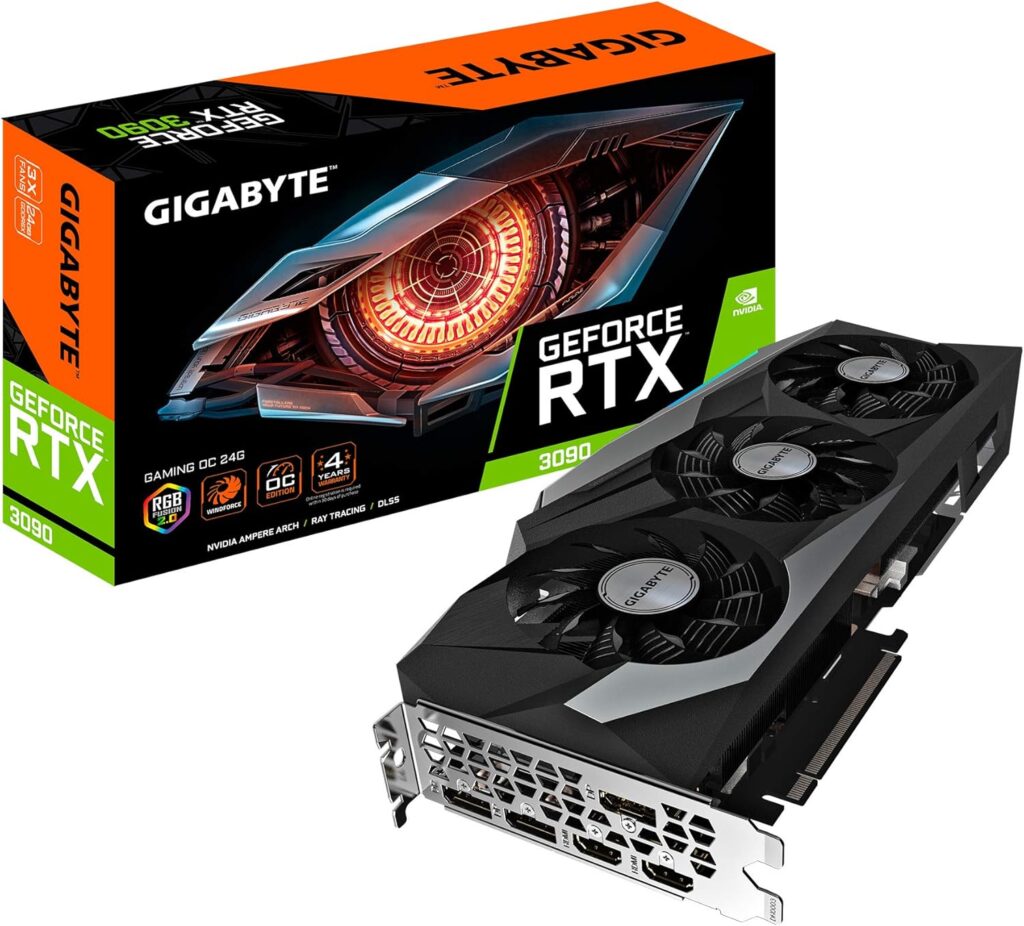
RTX 3080, 3080 Ti, or 3090
You probably do not need to upgrade yet.
3080-class still works at 1440p with sensible settings. The real crack is VRAM: 10GB on the 3080 gets loud in some ultra 1440p titles. 3080 Ti 12GB and 3090 24GB buy more calm. Happy at 1080p or 1440p? Stay. The jump to a card worth buying at today’s street rarely pays for itself if you are already smooth.
Stuck at 4K and dipping constantly? RTX 5070 around ~$800 street (medians can sit higher) is the minimum meaningful step for many people. 5080 at ~$1,550+ is a lifestyle purchase unless maxed 4K is non-negotiable. A 5060 Ti is a features shuffle, not a 4K rescue.
RTX 3070 or 3070 Ti
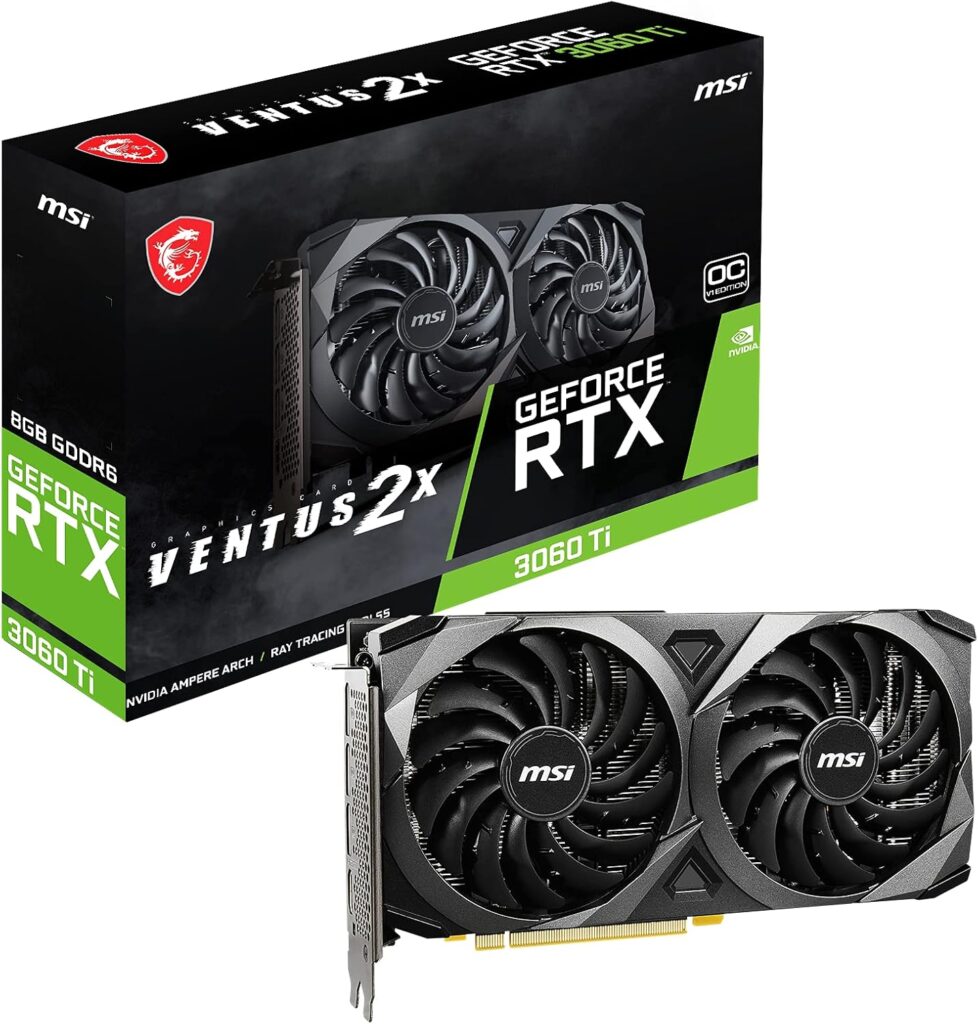
Worth considering, but only if you buy the right fix.
Every 3070 shipped with 8GB. Fine at 1080p. At 1440p in heavy 2026 titles, stutter from VRAM shows up before a clean FPS cliff. Targets that actually fix it: RTX 5070-class near ~$800, or RX 9070 XT near ~$750. Those are real jumps. Another 8GB “new” card is not.
If 1080p still feels fine, waiting can still be the better financial move. If 1440p hitching is already ruining nights, buy the fix.
RTX 3060 Ti or 3060
Tired at 1440p. An upgrade can be rational. The trap is another 8GB mainstream board at crisis pricing. Aim 12GB+ if you are spending real money: 5070 / 9070 class, or a clean used 3080/3080 Ti if the sold comps undercut new and you accept used risk.
RTX 4070 or 4070 Super
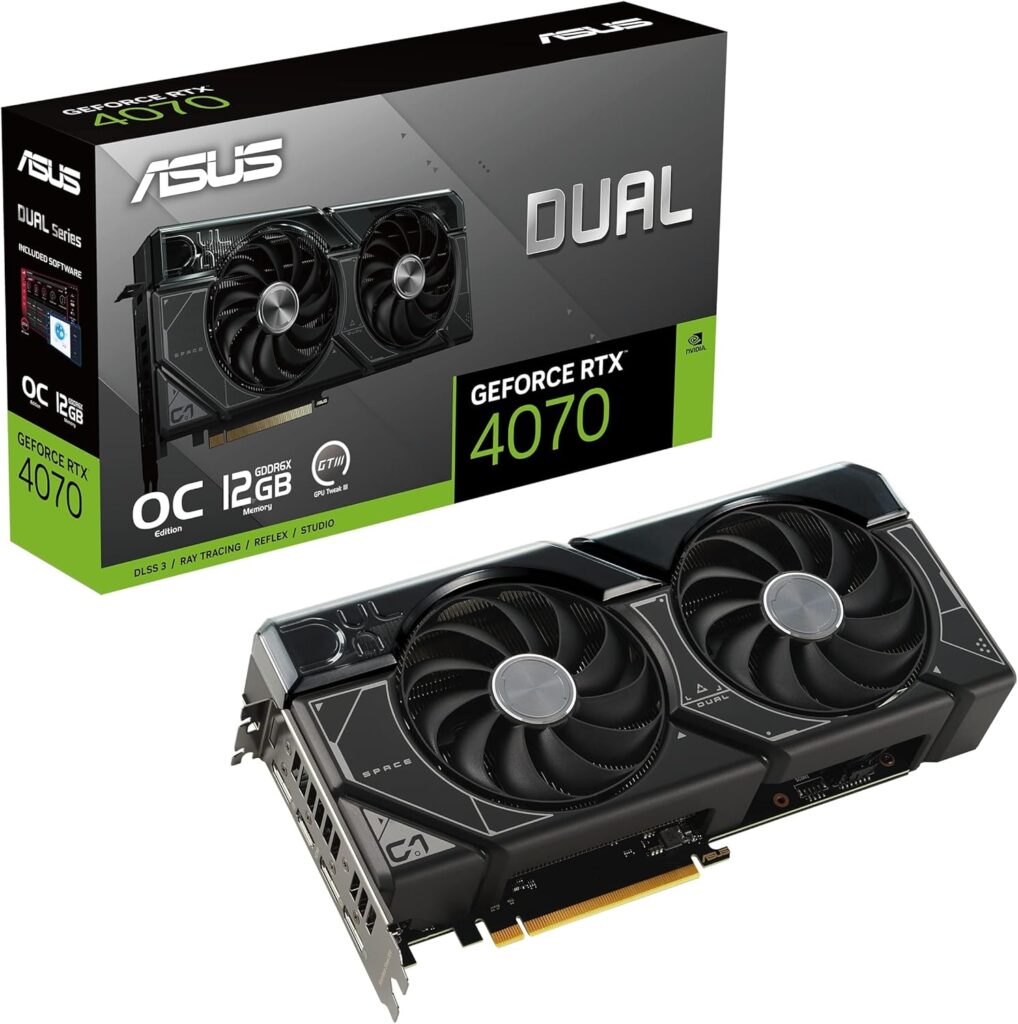
Do not upgrade. Full stop.
Almost nothing in the current street market pays for itself from a healthy 4070/4070 Super for most 1440p play. Hold the card. Spend on a monitor, storage, or the games you have not finished.
RTX 4080 or 4080 Super
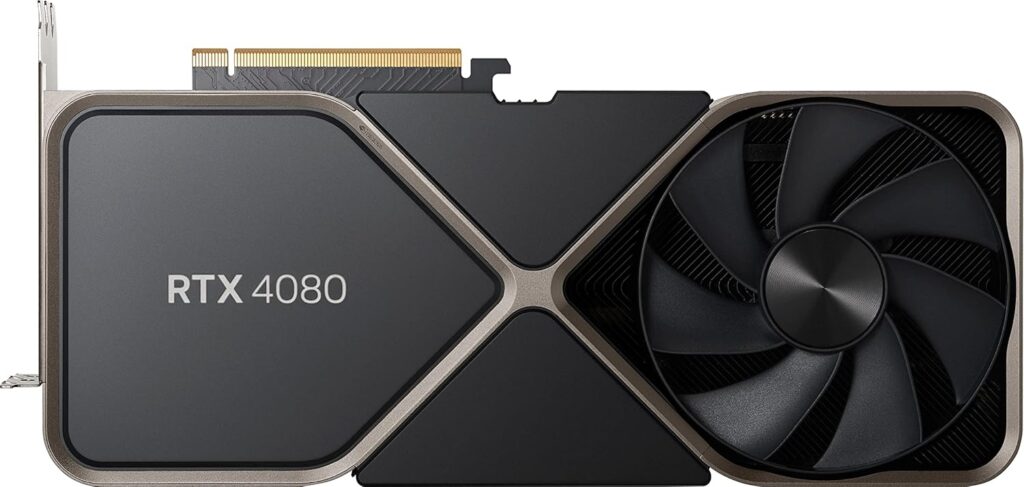
You have nothing sensible to buy. Flagship-adjacent Ada already does the job. Chasing 50-series street from here is how you fund someone else’s memory margin.
RX 6700 XT or 6800 XT
Still playable. At 1440p high in heavy titles, age shows. RX 9070 XT or 5070-class is a meaningful step if you are hitting real limits, not if you are bored and browsing Newegg at midnight.
GTX 1080, 1080 Ti, or older
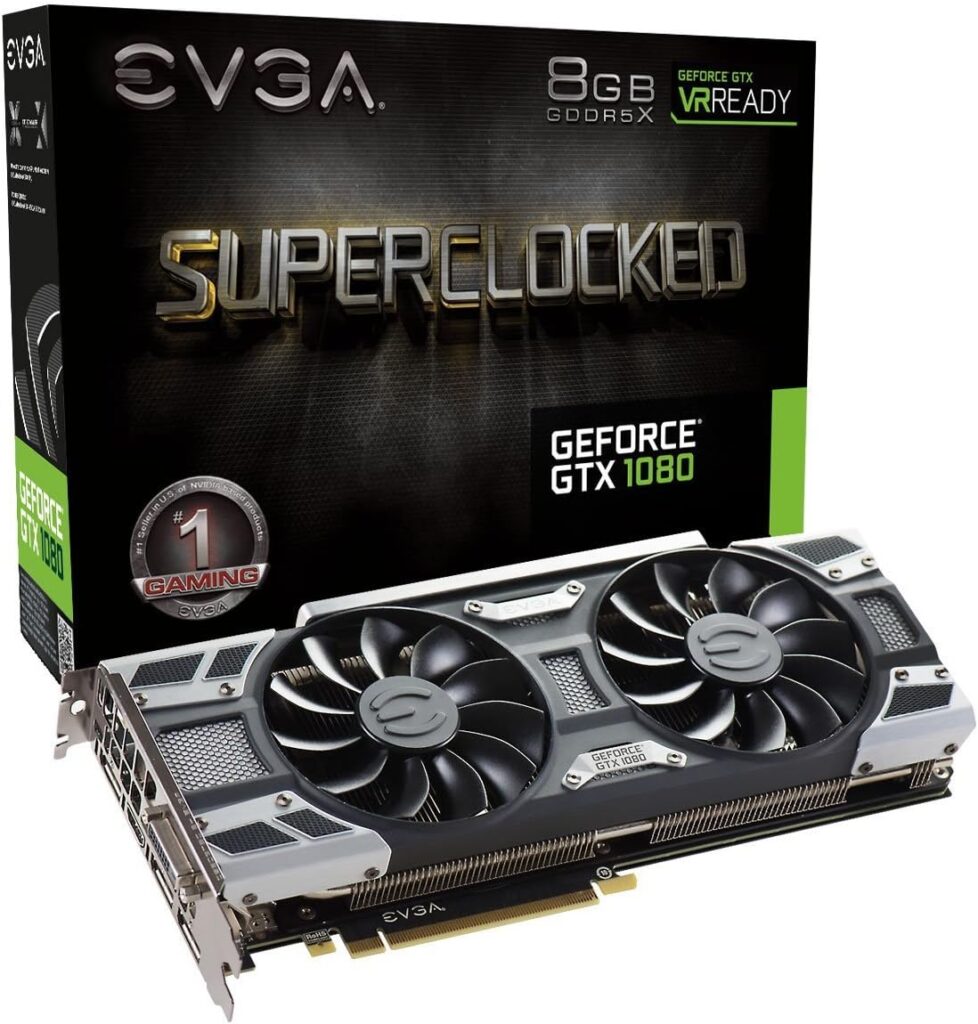
Yes, upgrade. Carefully.
You are due. Do not auto-buy a new 8GB 50-series kit at ~$450+ if a clean used 30-series card hits your resolution for less with buyer protection. Used 3080-class is often the rational 1440p path when new midrange is funding fantasy MSRPs.
Hard limit: if the only reason to upgrade is a chart you saw on your phone, keep your money.
Questions before you spend
What resolution do you actually play?
Is the pain VRAM stutter, or do you just want a higher average FPS number?
Is the upgrade a 12GB/16GB step, or another 8GB lateral move?
Does today’s street price still make sense after fees and selling your old card?
If you cannot answer those cleanly, you are not ready.
Living with the hold (or the buy)
Holding a still-good card through a bad market feels weird the first week. You will see a launch montage, shrug, and go back to the game that already runs. Buying the right card feels different: one evening of cable wrestling, then the hitching in the title that was bullying your 8GB buffer just stops. That quiet is the receipt. Noise from a bad purchase lasts longer.
Buy / check street price when a cart is real: RTX 5060 Ti 16GB on Newegg or RX 9060 XT 16GB on Newegg.
Summary you can act on
RTX 40-series owners: hold. The market is not offering a fair trade.
RTX 3080/3090 owners happy at 1080p/1440p: hold. 4K strugglers: 5070-class is the floor, and price the 9070 XT the same day.
3070/3060-class hitting real 1440p VRAM walls: 5070 or 9070 XT minimum. Lateral 8GB moves are not upgrades.
GTX 10-series and older: upgrade, preferably with eyes on used 30-series unless a new card’s live price is genuinely sane.
Upgrade because a specific limit in your actual games forced the call. Not because the internet found a new SKU.
SpecClear participates in affiliate programmes. When you purchase through links on this site we may earn a commission at no additional cost to you.