
SpecClear earns a commission if you buy through Newegg links on this page, at no extra cost to you.
The RTX 5060 launched at $299 MSRP. Street pricing in September 2026 commonly sits near ~$450 (TechSpot Aug US low), with everyday Newegg/Amazon boards often a bit higher. A clean used RTX 4060 Ti 8GB can still show up nearer the mid-$200s to low-$300s when the comps are honest. That gap is the whole fight, and the answer is messier than either number.
Neither card is a clean recommendation right now. The 5060 has an 8GB problem. The 4060 Ti has a different 8GB problem. AMD is selling 16GB in the same money neighborhood. You are picking which limitation you can live with.
Either card will run games adequately. The problem is that neither card is particularly good at it in terms of quality, nor should they be. If higher quality is needed then a higher-tier card needs to be considered. But with these specs both cards are more than adequate; they just won’t be particularly future-proof in the long run and will feel the pinch of increased game specs first.
Last verified: September 13, 2026. TechSpot-era 5060 ~$450 still frames many boards; RX 9060 XT 16GB ~$460; RTX 5060 Ti 16GB street commonly ~$780-$810. Used 4060 Ti 8GB: verify sold comps; do not trust ask prices alone.
The 8GB situation
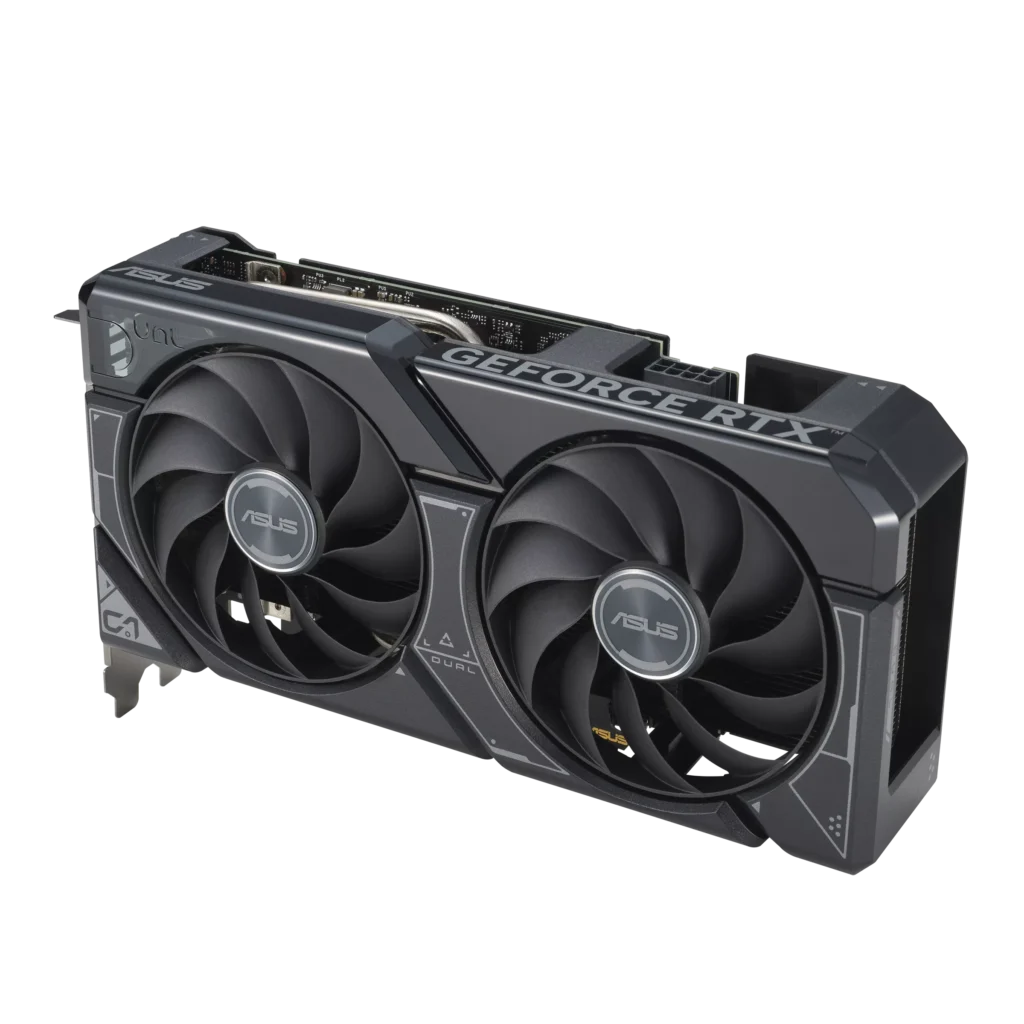
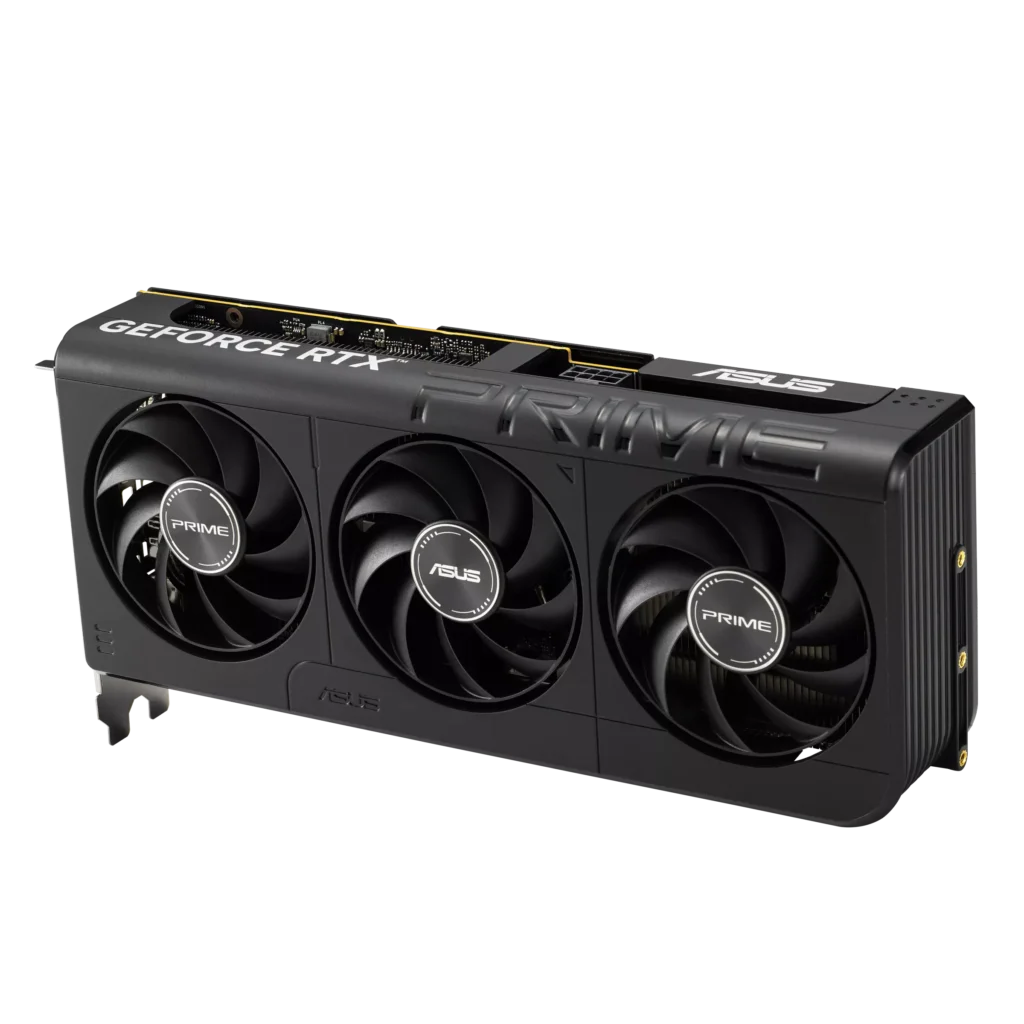
Both the RTX 5060 and the base 4060 Ti ship with 8GB. In 2026 that ceiling shows up in texture-heavy 1440p ultra, heavy mods, and anything that loads fat asset packs. At 1080p in esports and lighter titles, many nights never hit it.
The 4060 Ti 8GB launched at $399 in 2023 and caught heat for that buffer even then. The 5060 repeats the buffer at a $299 MSRP that the street stopped respecting. If 1440p max textures is the plan, neither base card is the right starting point.
The 4060 Ti 16GB is the Ada SKU that actually mattered for VRAM. Used supply is thinner, and asks climb. It no longer undercuts a sane plan the way it did when new 50-series Ti 16GB cards were nearer launch. Today’s 5060 Ti 16GB street near ~$780-$810 is its own problem.
What the 5060 actually brings
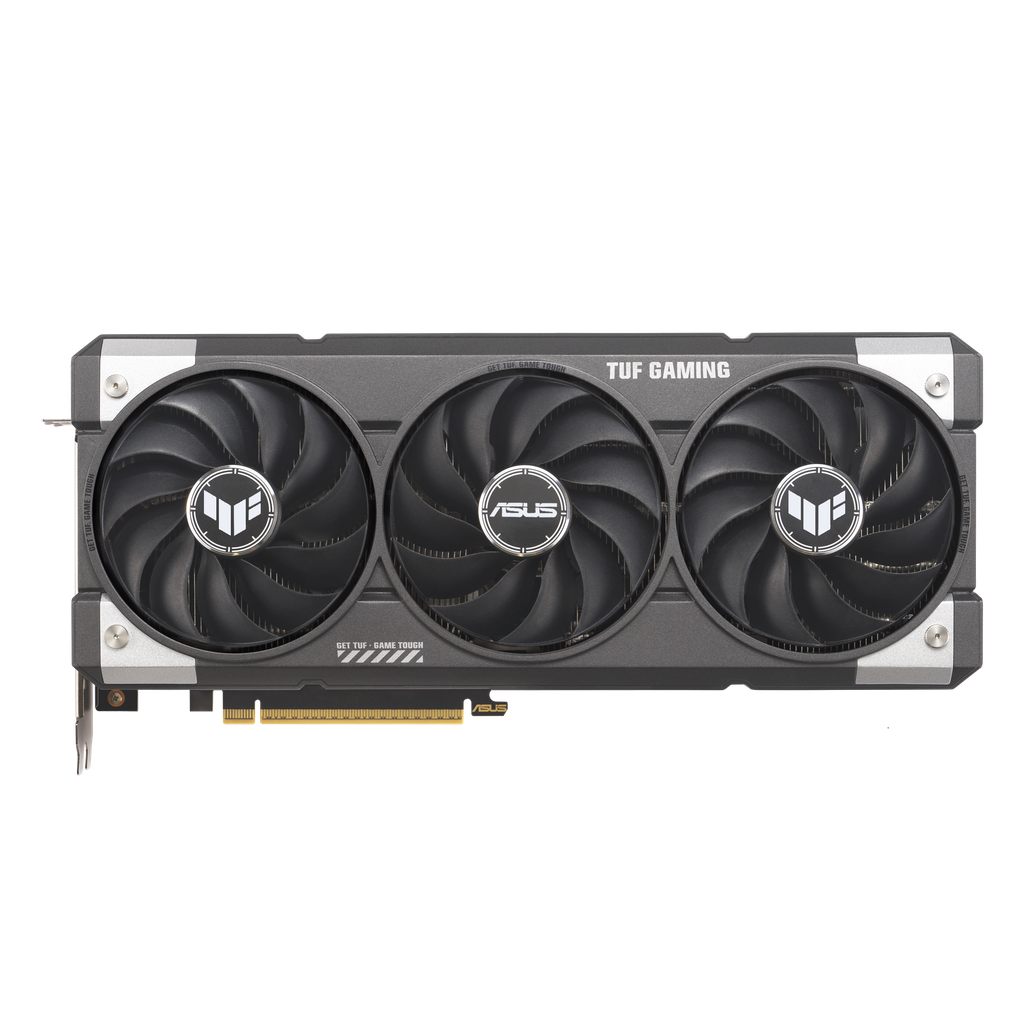
Blackwell plus GDDR7 on the same 128-bit bus is the real hardware story. Bandwidth jumps hard versus the Ti’s GDDR6. Core count growth is modest. Expect roughly mid-teens percent at 1440p over the 4060 Ti in many titles, not a fantasy generational wipe.
Features matter more for some buyers. DLSS 4 Multi Frame Generation can multiply displayed frames in supported games in a way Ada’s single-frame generation cannot match. If your library lives in MFG titles and you chase high refresh at 1080p, that is the 5060’s cleanest defense.
Where the 4060 Ti still makes sense
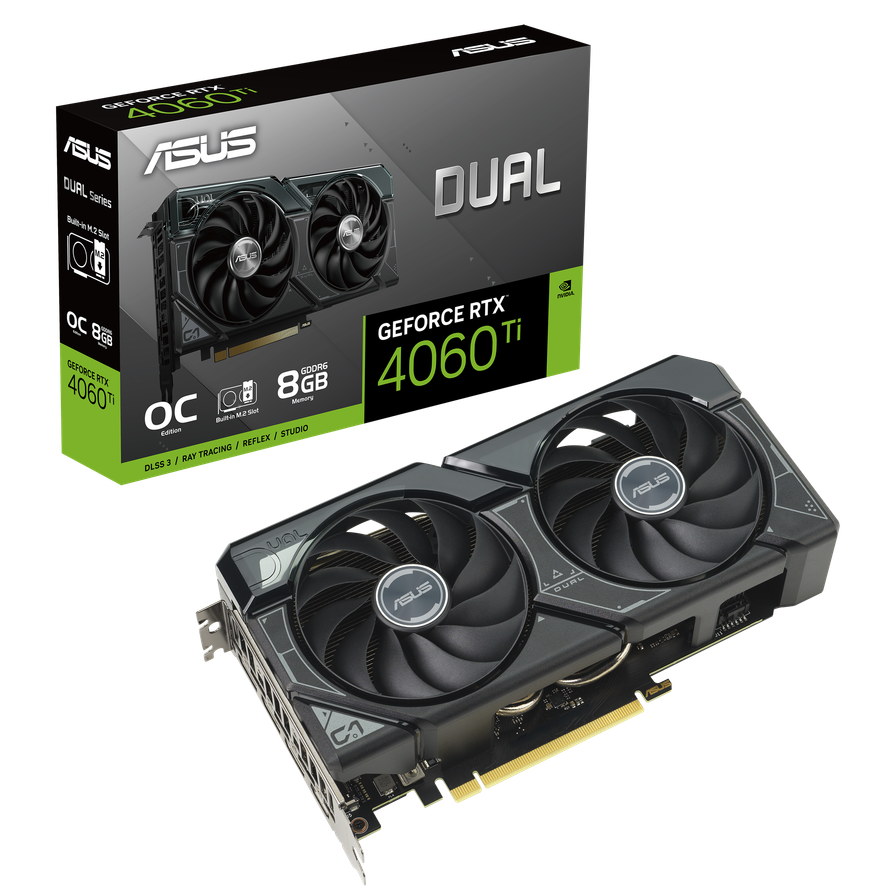
Buy used 4060 Ti 8GB when the sold price is honestly low, your games are 1080p-first, and that cash delta versus a ~$450 5060 funds RAM, storage, or a better monitor. Ada drivers are mature. DLSS 3 is everywhere that matters for older titles. Power draw stays friendly in small cases.
What you give up: DLSS 4 MFG, GDDR7 bandwidth manners, and the 5060’s raster edge. At the right used number it is competent, not exciting.
The card this price bracket keeps ignoring
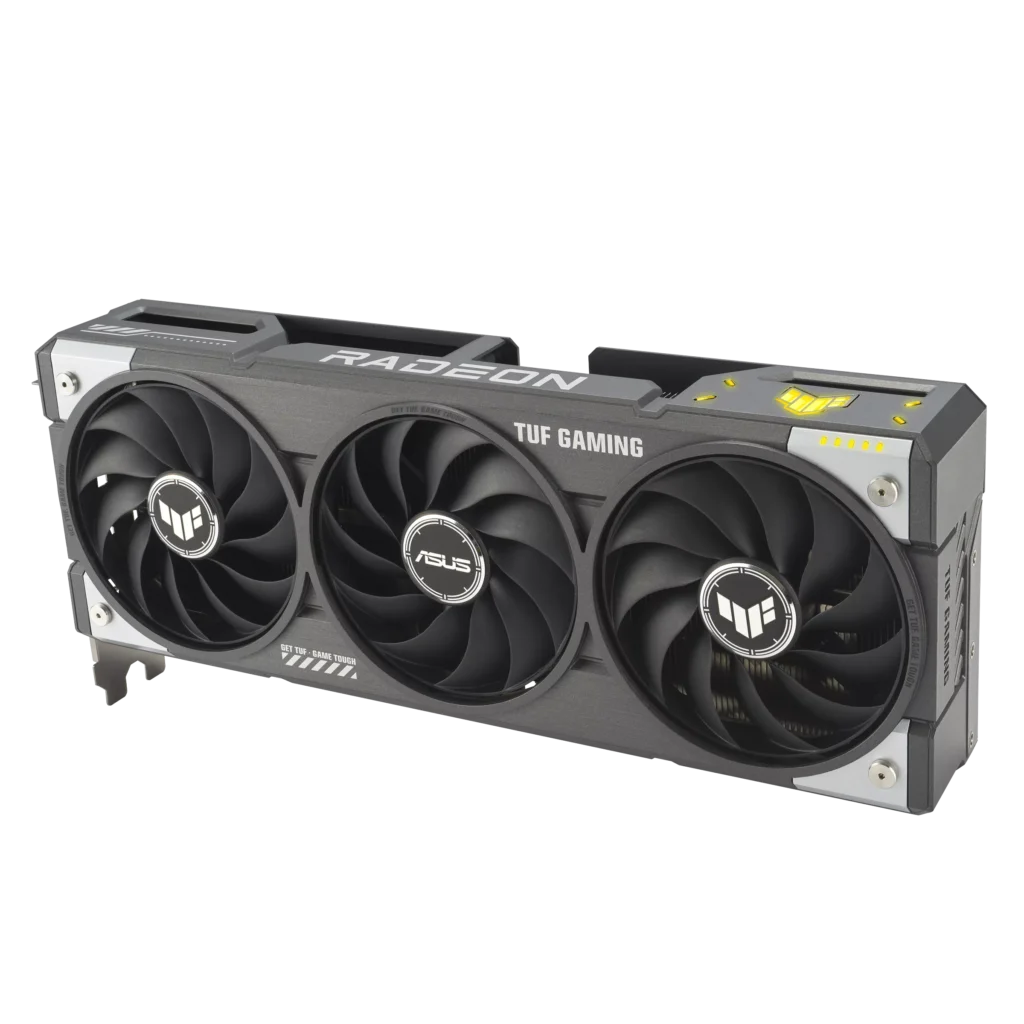
RX 9060 XT 16GB near ~$460 is often within a coffee of a new 5060 and sometimes cheaper on a deal week. Double the VRAM. Strong 1440p raster. No DLSS 4. FSR 4 is good enough in 2026 that the upscaling penalty is no longer the old punchline.
Hard limit: do not buy either 8GB Nvidia card for a 1440p ultra-forever plan. You will hit the buffer before the brand loyalty pays rent.
At 1440p without heavy RT addiction, the 9060 XT 16GB is the card the 5060 has to beat on value. It often does.
Buy / check street price: RTX 5060 on Newegg, RX 9060 XT 16GB on Newegg, or RTX 5060 Ti 16GB on Newegg if the Nvidia 16GB tax is already in the cart.
Verdict
Buy a new RTX 5060 near ~$450 only if you are 1080p-first, you want DLSS 4 MFG, and you refuse AMD for a specific feature reason.
Buy a used 4060 Ti 8GB only when the sold price is clearly cheaper and your library stays inside 8GB comfort.
Buy neither for maxed 1440p longevity. Start at RX 9060 XT 16GB near ~$460, or accept the Nvidia tax on a 16GB 50-series card if NVENC/DLSS is non-negotiable and you can stomach ~$780-$810 for a 5060 Ti 16GB.
The 4060 Ti was a disappointing $399 card in 2023. At a fair used price in 2026 it is fine for 1080p. The 5060 is a better chip locked behind an 8GB decision Nvidia already made for you.
SpecClear participates in affiliate programmes. When you purchase through links on this site, we may earn a commission at no extra cost to you.