
The $600 budget gaming PC article on SpecClear told an uncomfortable truth: $600 all-new parts in September 2026 is genuinely difficult, and most of what you build at that ceiling involves real compromises. $800 is a different story. It’s still tight. The memory shortage is still real. But $800 in 2026 buys you a complete, capable gaming system that handles 1080p gaming well and won’t embarrass itself at 1440p with upscaling active.
This article is for the builder who has $800 and wants to know exactly what that money builds today, not what it built eighteen months ago, not what it will build when prices normalise, but what it builds right now with current component costs on current retailers.
The honest state of $800 in September 2026
Wccftech’s mid-2026 component pricing analysis confirmed $1,000 as the realistic floor for what most people would call a “good” gaming PC. $800 sits below that floor, which means you’re making trade-offs. The question is which trade-offs matter least for how you actually game.
The AI-driven DRAM shortage pushed DDR5 kit prices up significantly from their 2024 lows. A 32GB DDR5-6000 kit(CORSAIR) that cost $85 eighteen months ago still land closer to $375–$420 on good days (not the old $240 fantasy). This is the single biggest change to the $800 budget landscape, it forces decisions that wouldn’t have been necessary previously.
The GPU market is the other major variable. RTX 5060 Ti 16GB can dip to $499 on Newegg during sales. Intel Arc B580 holds around $309-$590. These are real options at this budget.
The build: every component justified
| Component | Choice | Price |
|---|---|---|
| CPU | AMD Ryzen 5 9600X | ~$200 |
| Motherboard | MSI PRO B650-S WiFi | ~$97 |
| RAM | 16GB DDR5-5600 (CORSAIR) | ~$284 |
| GPU | Intel Arc B580 12GB | ~$309 |
| Storage | Kingston NV3 1TB PCIe 4.0 NVMe | ~$160 |
| 0Cooler | Thermalright Assassin X 120 SE | ~$47 |
| Case | Silverstone FARA 515XR | ~$67 |
| PSU | Corsair CV650 650W 80+ Bronze | ~$79 |
| Total | ~$1,183 |
That’s slightly above $800; the trim paths that bring it under are addressed below, after the component decisions.
CPU: Ryzen 5 9600X at $200
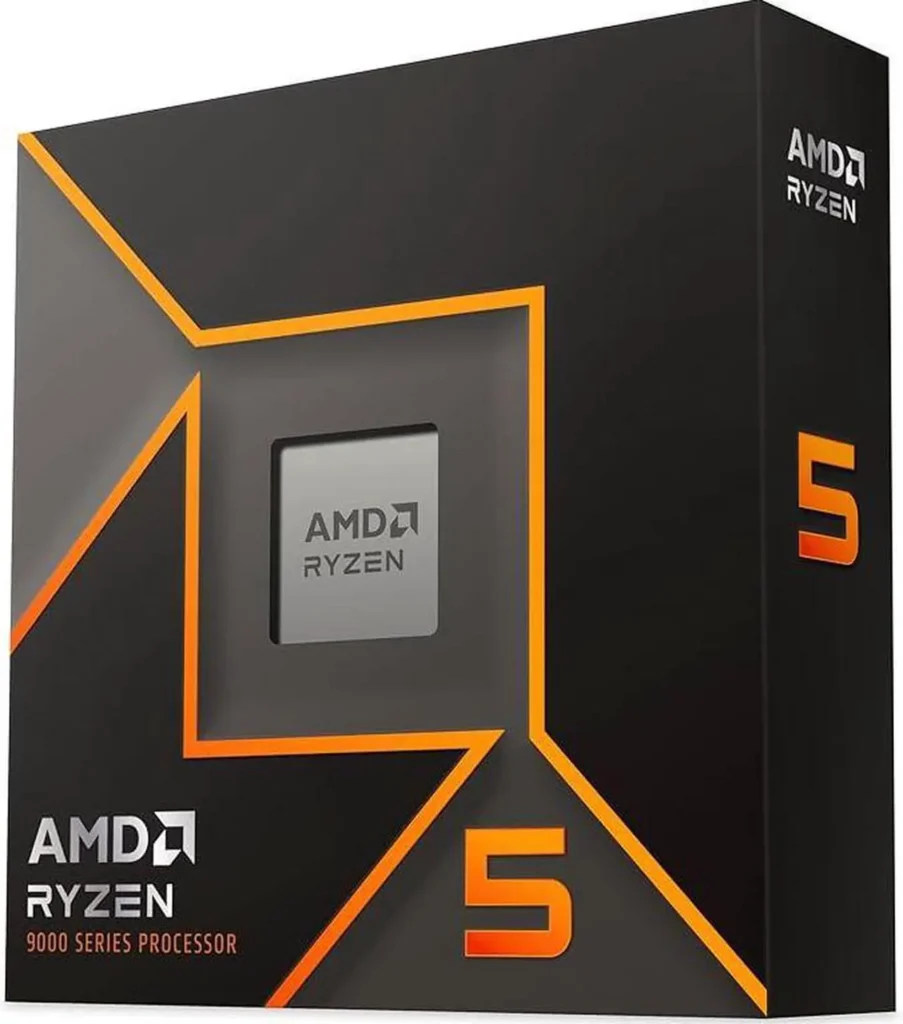
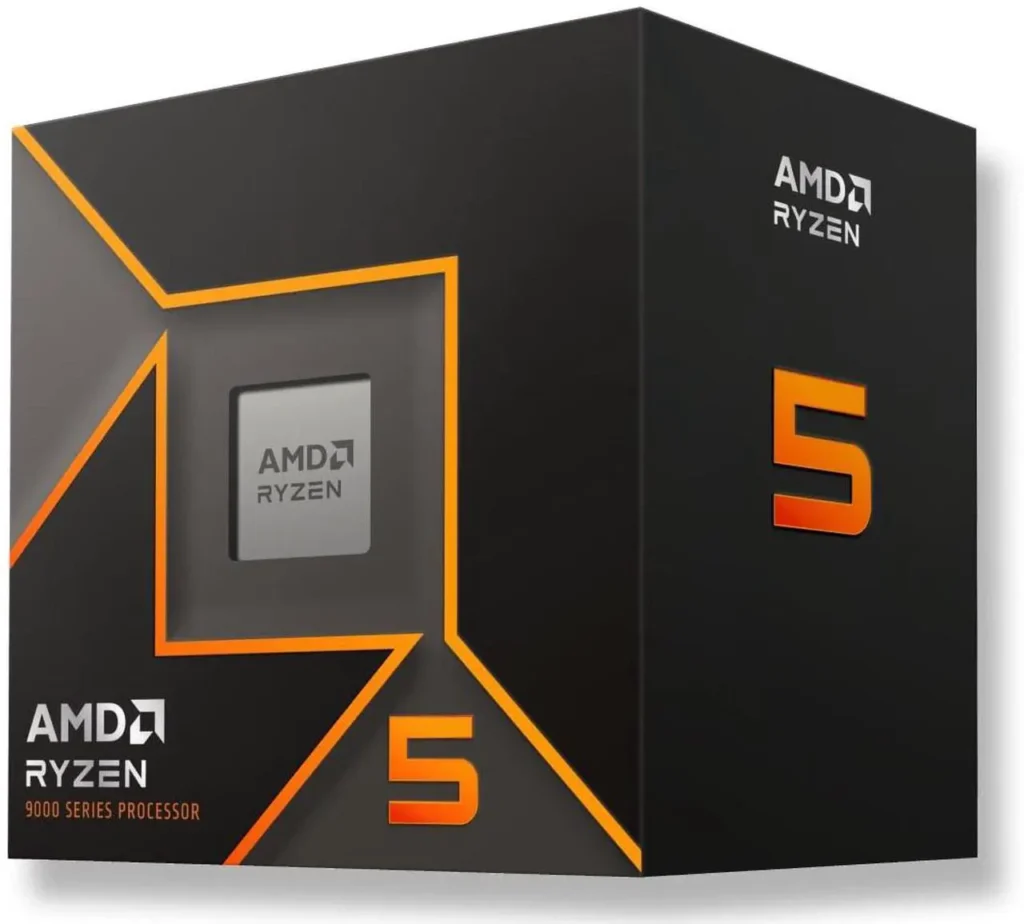
The Ryzen 5 9600X is the correct budget CPU for AM5 in 2026. Six Zen 5 cores at a 65W TDP, PCIe 5.0, DDR5 support, and AM5 platform longevity through at least 2027 with Zen 6 desktop chips confirmed for the same socket. It won’t bottleneck any GPU at this budget level. Its integrated graphics handle display output if you ever need to troubleshoot a discrete GPU issue. It’s not exciting. It’s correct.
The Ryzen 5 9600 (non-X) at ~$384 saves $25 with a lower boost clock. For gaming the difference is minimal. The Ryzen 5 7600X is sometimes found cheaper as stock clears, it’s a Zen 4 chip rather than Zen 5, slightly slower in IPC, but an entirely acceptable budget choice if the price gap is $30+.
Motherboard: MSI PRO B650-S WiFi at $97
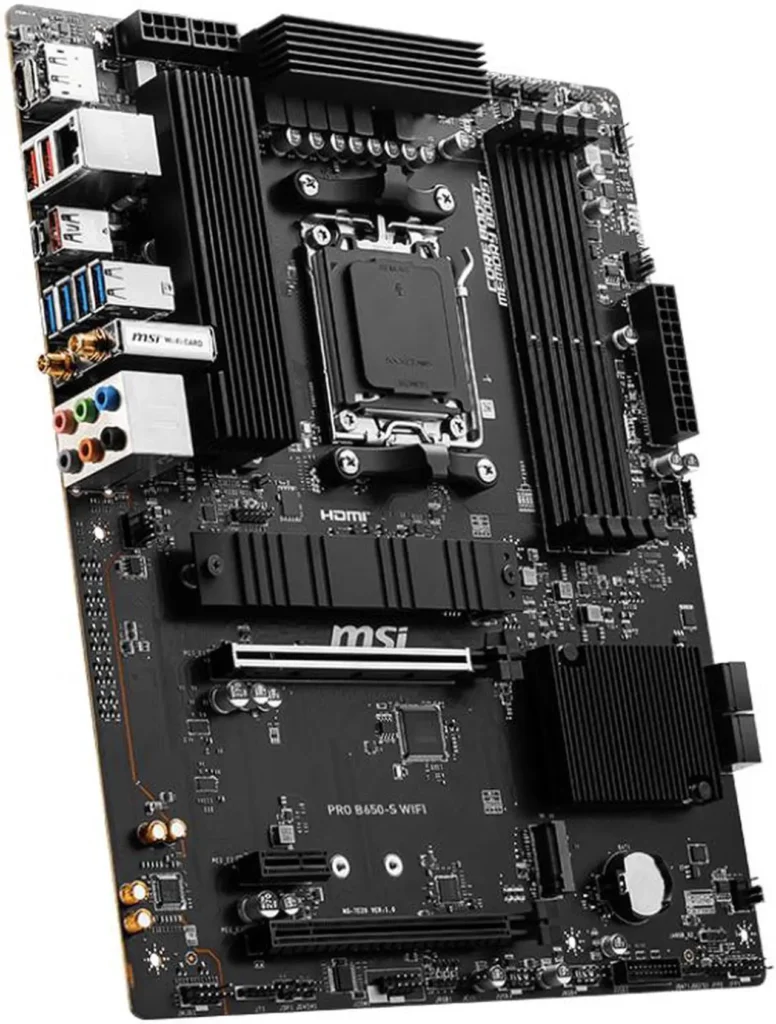
A B650 board is the correct chipset at this budget. AM5, DDR5, PCIe 5.0 GPU slot, Wi-Fi built in, EXPO support for your RAM. The MSI PRO B650-S WiFi is a clean, reliable foundation. Budget B650 boards at $97-$175 exist but their VRM configurations can be marginal for sustained workloads, $130 sits in the sensible range.
One practical note: enable EXPO in BIOS after the first boot. The RAM will default to 4800MHz regardless of what speed the kit is rated for. EXPO brings it to rated speed in one BIOS toggle.
RAM: 16GB DDR5-5600 at $60-$80
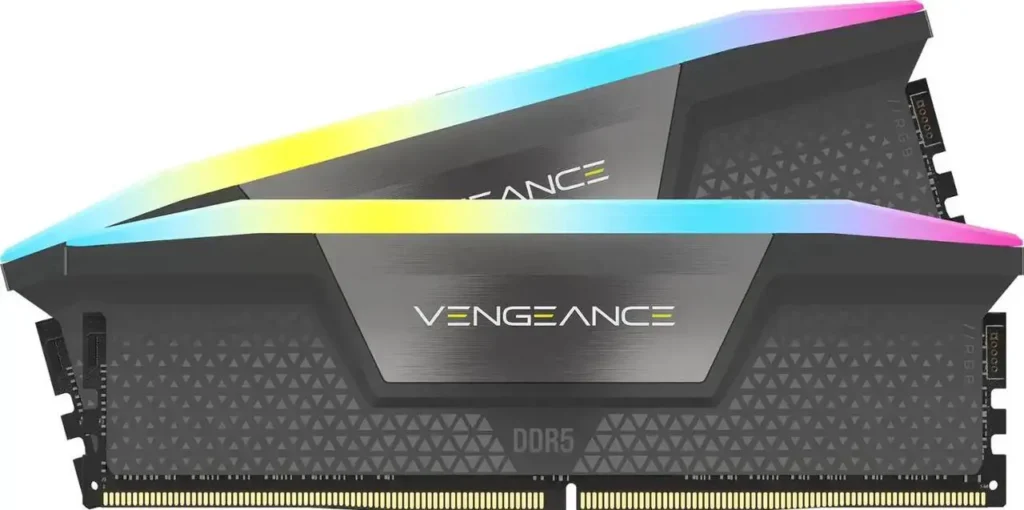
This is the most painful compromise in an $800 build in September 2026. Thirty-two gigabytes is the correct RAM configuration for gaming in 2026. At $150-$280 for a 32GB DDR5-6000 kit(CORSAIR), it’s also the component that blows the budget most severely.
The honest recommendation: buy 16GB now and plan to add a second matched 16GB stick when prices ease or when you see a deal. 16GB handles the majority of current gaming titles without drama, the ceiling shows in browser-heavy multitasking and in the most memory-intensive AAA titles at maximum settings. It’s a real limitation, not a catastrophic one.
Do not buy 32GB at the expense of the GPU tier. The GPU determines your frame rates in every game you play. RAM has a ceiling effect that shows occasionally. Getting the GPU right matters more.
GPU: Intel Arc B580 12GB at $299
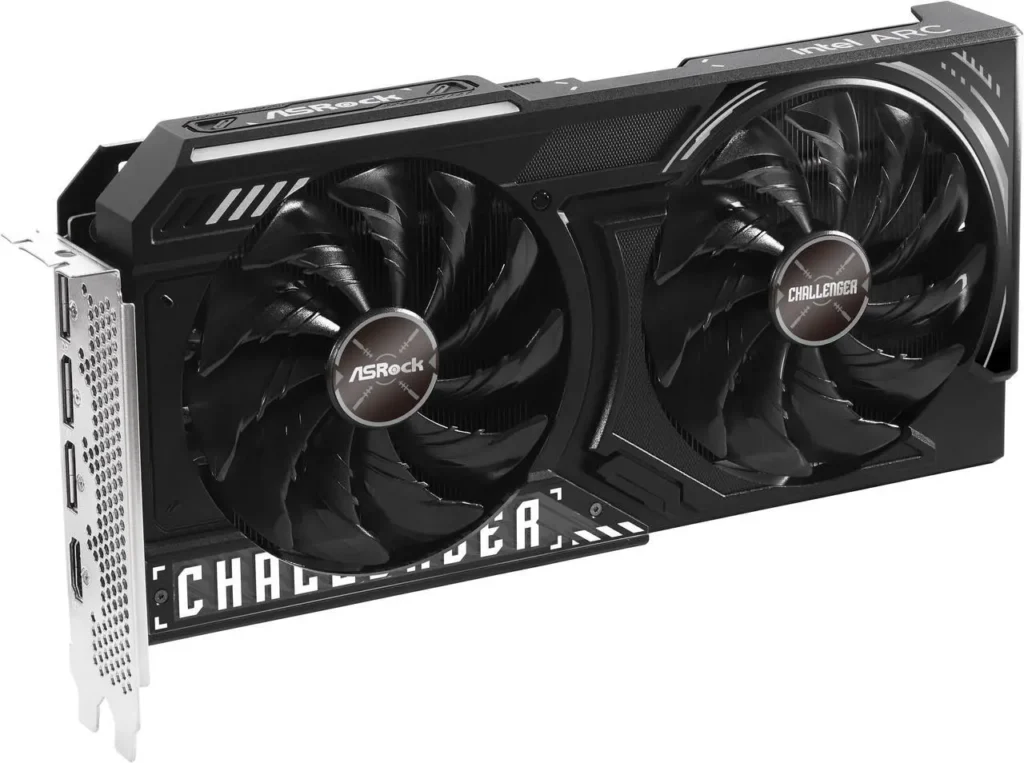
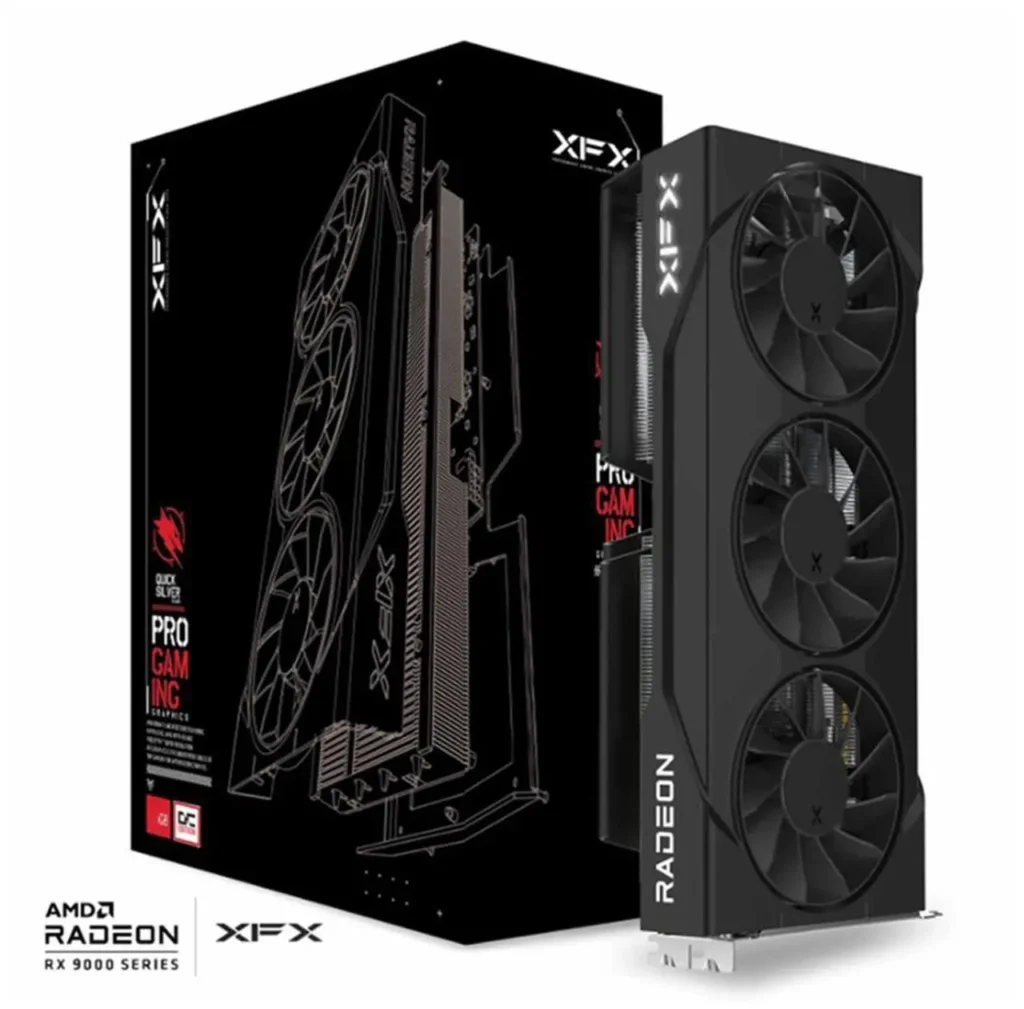
The Arc B580 is the right call at this budget for one specific reason: 12GB of GDDR6 at $299 is something no competing card offers. The RTX 5060 Ti 8GB costs $379-$439 more and has 8GB, 4GB less VRAM. The RTX 5060 8GB has the same VRAM problem at $329. The RX 9060 XT 16GB is the better GPU but starts at $448-$469, comfortably outside this budget.
At 1080p in modern titles the Arc B580 delivers strong performance. The driver situation has improved dramatically, current titles run without the compatibility issues that plagued early Arc releases. Resizable BAR must be enabled for full performance, it’s a BIOS setting covered in the SpecClear BIOS settings guide and takes thirty seconds.
The honest caveat: the Arc B580 doesn’t support DLSS 4. XeSS 2 is available and has improved significantly, but it doesn’t match DLSS 4’s ceiling for Nvidia-native titles. If DLSS specifically matters to you and you’re willing to drop to 1TB storage and a cheaper case, the RTX 5060 Ti 8GB at a rare sale is an alternative, though the VRAM comparison makes that a genuinely close call.
Storage: Kingston NV3 1TB at $160
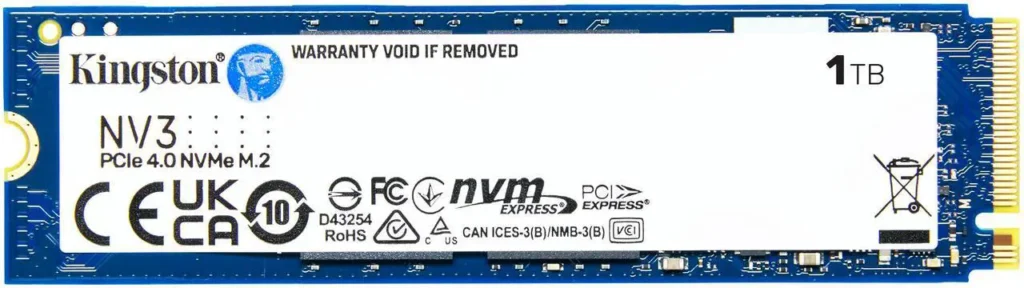
PCIe 4.0, M.2 2280, 3,500 MB/s sequential reads. Not a premium drive, sequential speeds are below the Samsung 990 Pro by a significant margin. For gaming load times the difference is imperceptible. The PCIe 5 vs PCIe 4 NVMe article on SpecClear covers this in detail: faster SSDs don’t meaningfully improve gaming performance. Spend the savings on the GPU tier.Kingston NV3 M.2 2280 1TB PCIe 4.0
1TB fills faster than most builders expect in 2026 with 50-100GB game installs. Plan to add a second drive within twelve months. The how-to-add-a-second-SSD guide covers the process.
Cooler: Thermalright Assassin X 120 SE at $25
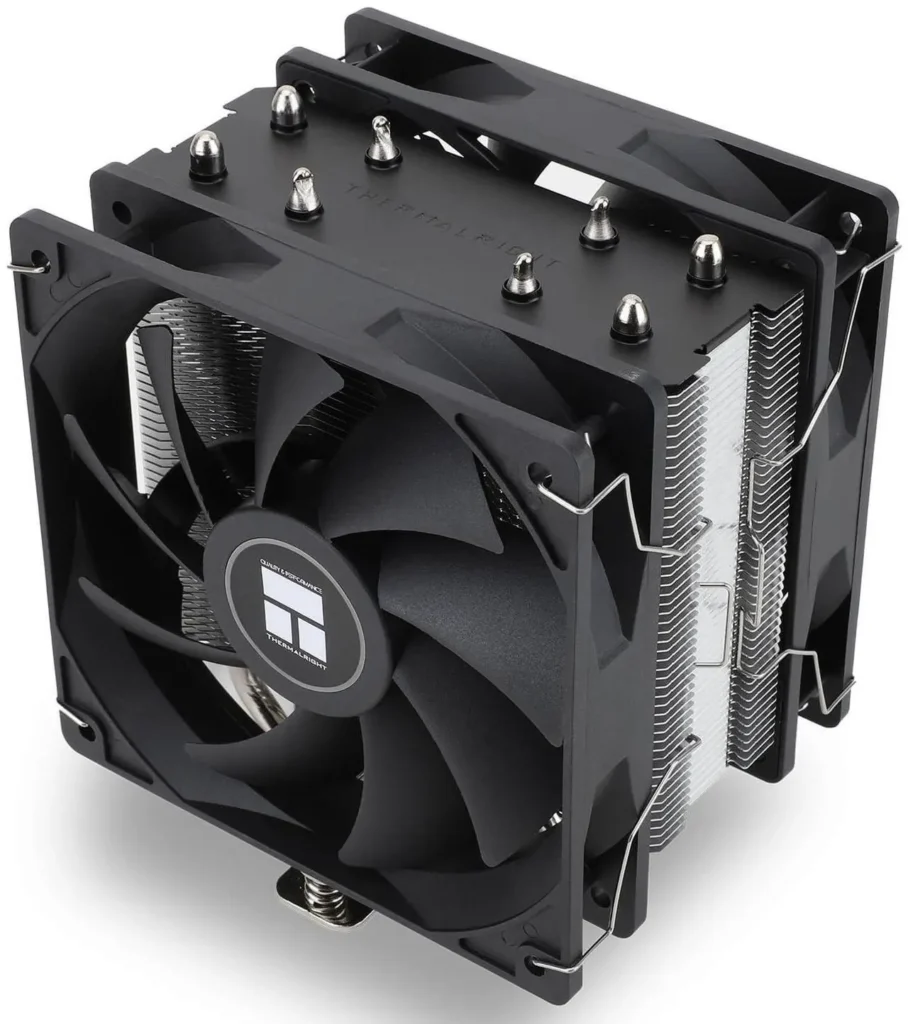
The Ryzen 5 9600X’s 65W TDP is entirely manageable on a quality budget tower cooler. The Thermalright Assassin X 120 SE is smaller than the Peerless Assassin 120 SE but handles 65W chips without complaint and costs $10 less. The stock AMD cooler included with boxed Ryzen CPUs is functional but louder at sustained loads, $25 for the Thermalright buys noticeably quieter operation.
Case and PSU: functional not fancy
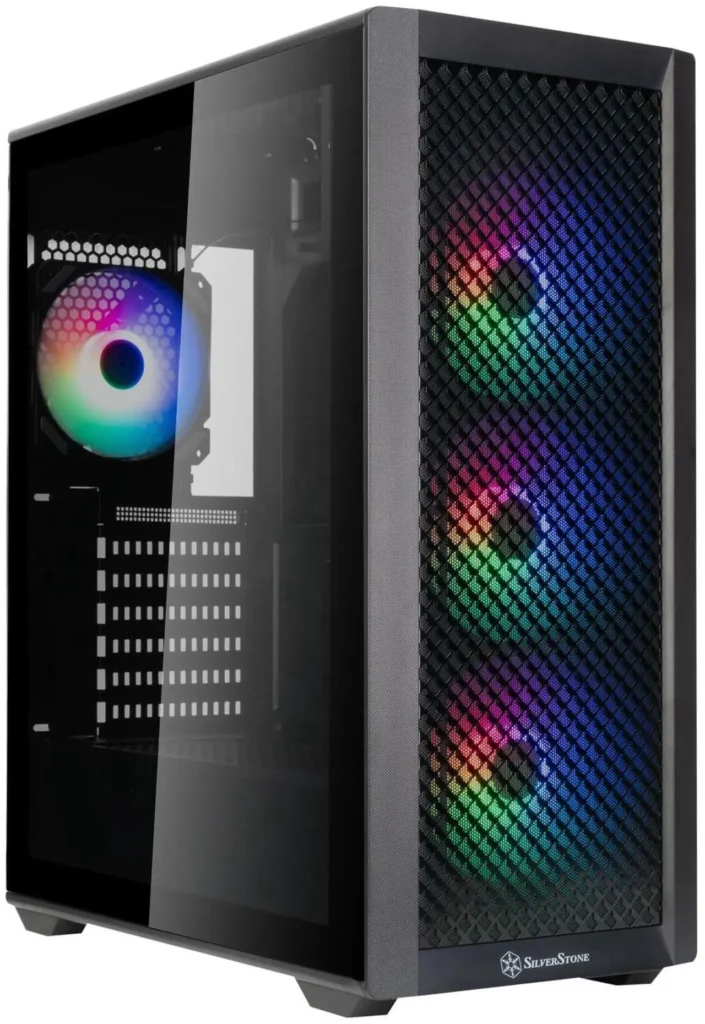
The Silverstone FARA 515XR at $67 provides full mesh front intake, four 120mm fans included, adequate 350mm GPU clearance, and the airflow numbers to keep an Arc B580 cool. It’s not attractive. It works.
The Corsair CV650 is a 80+ Bronze semi-modular PSU. Bronze rating rather than Gold means slightly lower efficiency, the difference in electricity cost over a year of gaming is under $5. 650W is adequate for this build with reasonable headroom. Don’t cheap out further on the PSU, an unbranded 550W unit at $35 is false economy.
Trimming to $800
Three cuts bring this under $800 without meaningfully compromising performance:
Drop to a non-WiFi B650 board saving $20. Use a USB WiFi adapter at $15 if needed, net saving of $5 but worth it if the case or motherboard option is the constraint.
Drop storage to a budget 500GB PCIe 3.0 drive at $40, saves $25. Plan to add storage when prices allow.
Drop the case to the Silverstone FARA 311 at $67, saves $13. Slightly smaller, same mesh front, adequate airflow.
Total after cuts: approximately $805-$815 depending on sale timing. Close enough to $800 that a Newegg flash sale on any one component closes the gap entirely.
What this build delivers
1080p gaming at high to ultra settings in most current titles without VRAM pressure thanks to the B580’s 12GB. F1 25 at 1080p high settings runs comfortably. Black Myth: Wukong at 1080p medium-high with XeSS Quality active delivers smooth gameplay. Halo: Campaign Evolved at 1080p medium settings is the target, the B580 exceeds the Medium tier’s recommended GPU spec.
1440p is achievable with XeSS 2 Quality active at medium-high settings in less demanding titles. Demanding UE5 games at 1440p will require settings compromises, this is a 1080p build that can occasionally push 1440p, not a 1440p build that occasionally drops to 1080p.
The AM5 platform extends the useful life of this build beyond the GPU. When the B580 is ready for replacement in two to three years, the Ryzen 5 9600X board and DDR5 RAM carry forward to accept a mid-range AM5 GPU of that era without a platform change.