Handheld gaming PCs stopped being “just the Steam Deck” two years ago. In September 2026 the category is crowded, polished, and often overpriced for what the silicon can push on a 7 to 9 inch panel.
That price reality comes first. Then you decide if one belongs next to your desktop, or instead of one.
Today’s handhelds really are ahead of anything we have had until this point. They are however unfairly compared to PC systems and even gaming laptops, which is like comparing a 4K monitor to a mousepad. They just aren’t the same. What the handheld gaming PC brings to the table is pure portability in a way that even a laptop will feel cumbersome. They don’t promise cutting-edge performance; instead they sacrifice this in favor of ultra portability of your gaming, anywhere, anytime.
Last verified: September 12, 2026. Steam Deck OLED roughly ~$789 / ~$949 after Valve’s May hike. ROG Xbox Ally X near ~$999. Legion Go S SteamOS listings swing ~$500-$999 by config and clearance. MSI Claw 8 EX AI+ still lives near ~$1,699-$1,799. Check the morning you buy.
What a handheld actually is
It is a real PC in a Switch-shaped shell. Controllers built in. Battery inside. Steam library on the go. Not a cloud streamer. Not an emulator toy.
Expect 2 to 4 hours under real gaming load. Expect Windows awkwardness on Windows models. Expect SteamOS to feel closer to a console if your library cooperates.
Four devices worth knowing
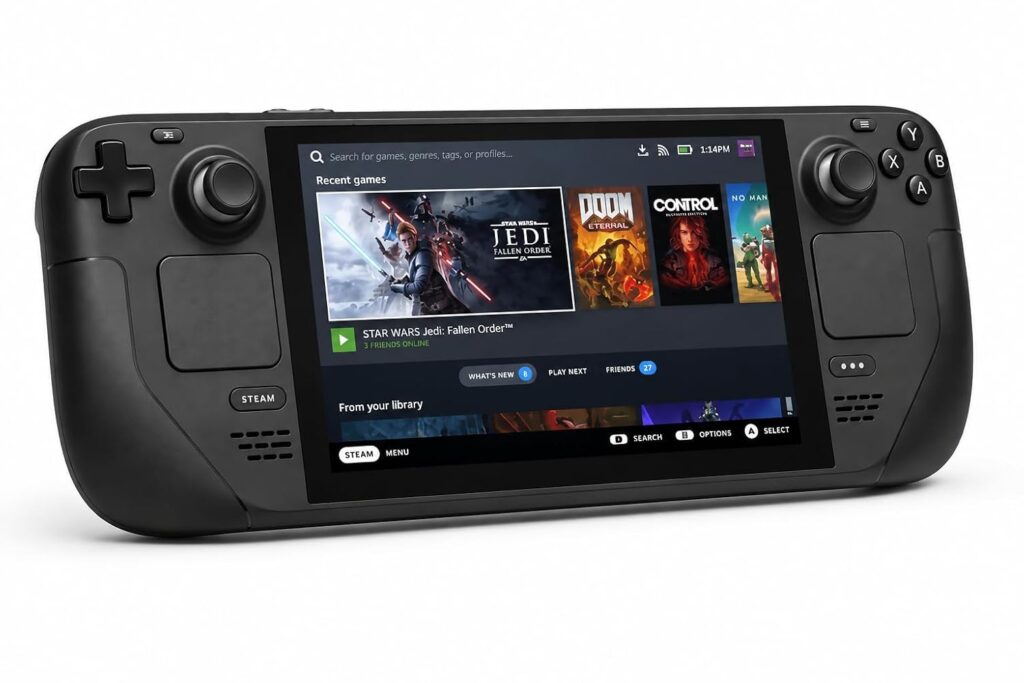
Steam Deck OLED (~$789-$949)
Still the cleanest SteamOS experience. Hardware is older Van Gogh silicon, and demanding 2026 titles show it. The OLED panel, suspend/resume polish, and Proton work keep it first for Steam-first buyers who accept mid settings.
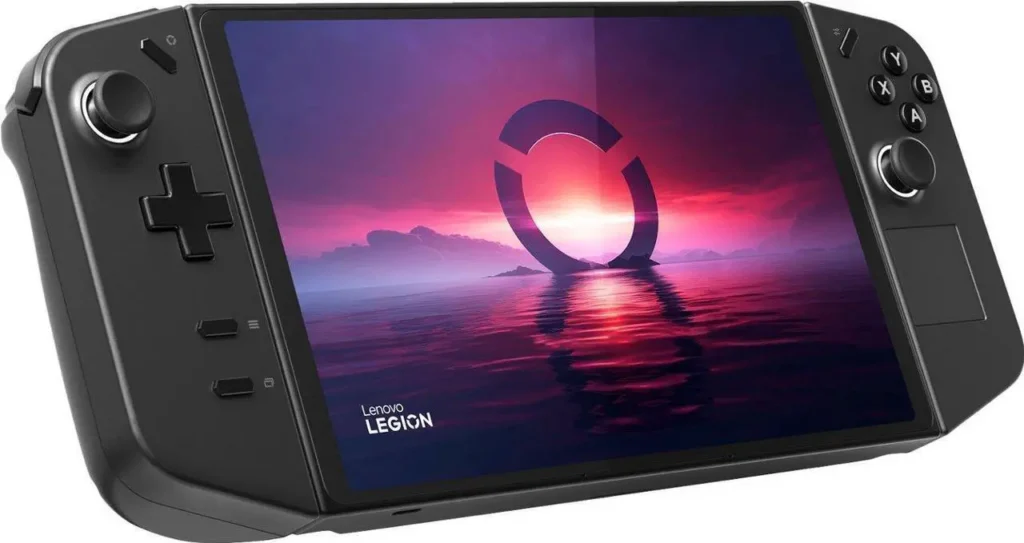
Lenovo Legion Go S SteamOS (often ~$500-$999)
The value consensus pick for a lot of comparative coverage. Bigger screen than Deck, newer AMD handheld silicon depending on SKU, SteamOS without Valve’s older APU. When you find a sane listing, it does most of what flagships do for less than Claw money. Preserve the live Legion Go Newegg path when that SKU matches what you actually want.
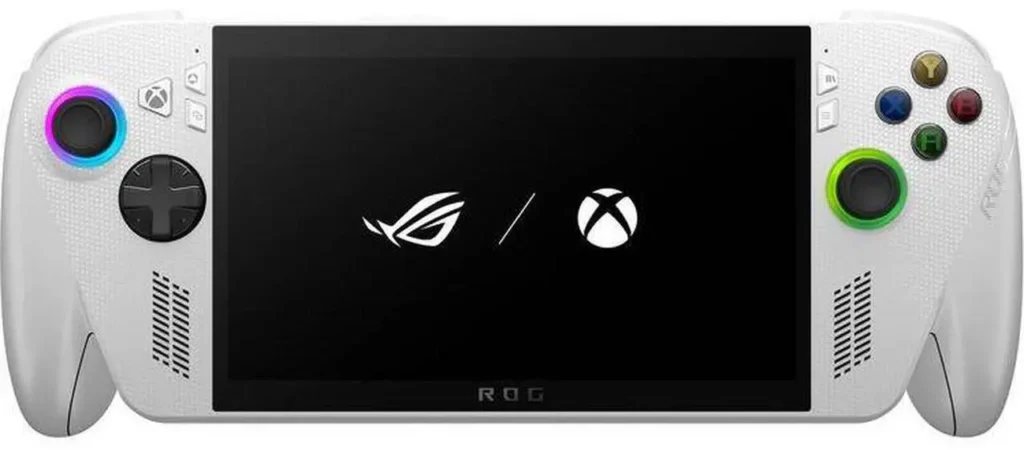
ASUS ROG Xbox Ally X (~$999)
Best Windows handheld story for Game Pass and multi-store libraries. Larger battery class, Ryzen AI Z2 Extreme-class silicon, Xbox full-screen helpers that make Windows on a handheld less miserable. Buy this when anti-cheat titles matter.
MSI Claw 8 EX AI+ (~$1,699-$1,799)
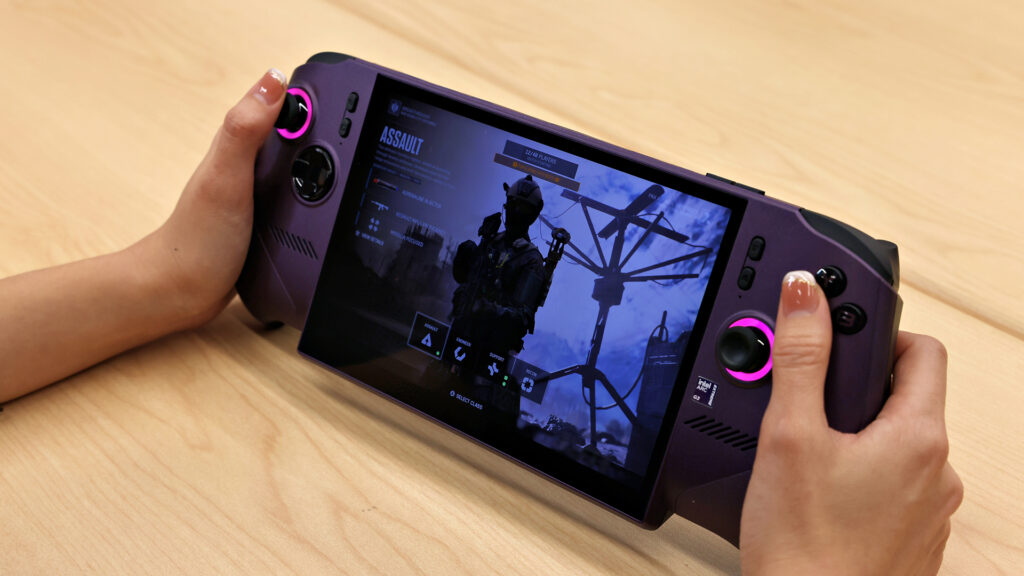
Fastest handheld money can currently buy in many benches. Also priced like a midrange gaming laptop or a serious desktop GPU + CPU cart. Class-leading performance does not automatically make $1,800 rational.
Hard limit: if you only game at a desk, do not buy a $1,000+ handheld “for the vibes.” Put that money into a discrete GPU. The desktop will destroy every handheld at the same spend.
Desktop vs handheld money
$650 to $1,000 of handheld buys portability. The same money toward a used or new discrete GPU build buys frames no handheld APU can touch.
Handheld clocks stay low to manage heat and battery. Desktops drink wall power and win. That gap is not closing in 2026. It is the product.
What desktops cannot do: fit in a backpack, run on a plane tray, exist in a dorm without a desk takeover. If none of those matter, skip the category.
SteamOS vs Windows
SteamOS boots into a game mode that feels finished. Controllers just work. Battery behavior is sane. Linux anti-cheat still blocks Valorant, many CoD paths, and other kernel-level titles.
Windows handhelds unlock those games and Game Pass. They also force you to fight a desktop OS on a touchscreen the size of a paperback. Ally X helpers help. They do not invent a keyboard.
Steam-first single-player library: SteamOS. Competitive anti-cheat on the go: Windows Ally X class.
Who should buy one in 2026
Buy if you travel, couch-game without a TV setup, already own a desktop and want a second device, or live somewhere a tower is impractical.
Skip if performance per dollar is the only metric, your library is anti-cheat competitive on SteamOS dreams, or the budget is so tight the handheld would replace a first desktop GPU. Deck OLED after the May hike is still fine for trying the category. Claw money is enthusiast flex, not the default recommendation.
SpecClear participates in affiliate programmes. When you purchase through links on this site, we may earn a commission at no extra cost to you.