
Intel’s first two attempts at gaming handhelds didn’t work. The original Claw with Meteor Lake couldn’t keep pace with AMD’s Ryzen Z1 Extreme in the ROG Ally. The Claw 8 AI+ with Lunar Lake was better (more refined, more competitive), but still playing catch-up against AMD’s established dominance in the category.
The MSI Claw 8 EX AI+ with Intel’s Arc G3 Extreme doesn’t play catch-up. It leads. By a margin that reviewers across eight independent outlets describe the same way: unmatched, class-leading, the fastest gaming handheld ever made.
At $1,799, it’s also the most expensive mainstream gaming handheld ever made. Those two facts have to be held together when making a purchase decision.
What the Arc G3 Extreme actually is
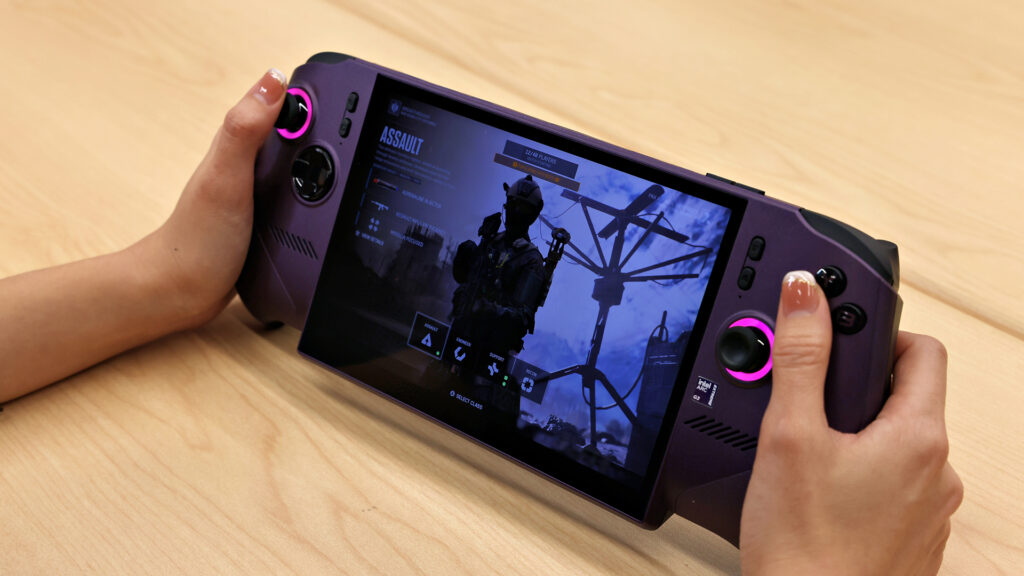
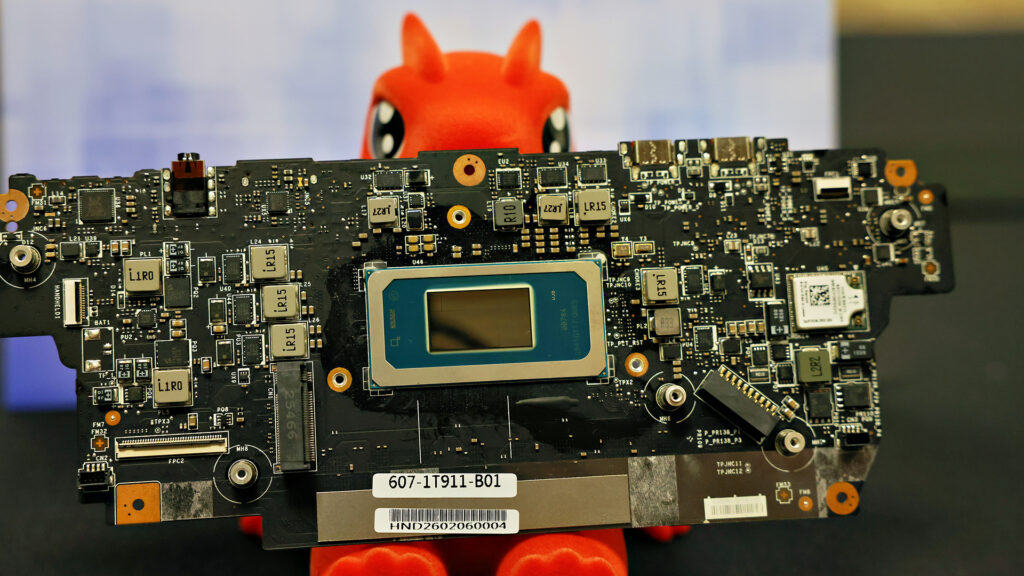
Intel designed the Arc G3 Extreme specifically for handheld gaming PCs, it’s not a laptop chip with a power limit applied. The architecture is Panther Lake, built on Intel’s 18A process node, the same newest manufacturing process used for Intel’s latest desktop and laptop chips. 14 CPU cores: two performance cores, eight efficiency cores, four low-power efficiency cores. Arc B390 integrated GPU with 12 Xe3 cores running at 2.3GHz. 32GB of LPDDR5X-8533 memory, the fastest unified memory in any handheld. 1TB Micron 2500 SSD.Handheld Gaming PCs in 2026, Are They Worth It
The 18A process node is significant beyond the marketing. It enables greater transistor density and better power efficiency than the 3nm process AMD uses for its Ryzen Z2 chips. At the same power envelope (17W), the Arc G3 Extreme matches an AMD Z2 Extreme that needs a full 35W to reach the same performance. That single efficiency figure reframes what handhelds can do within a battery’s constraints.
The performance: what reviewers actually measured
Across 36 games at 35W, the Arc G3 Extreme leads the previous Claw 8 AI+ by an average of 43%. Against the AMD Ryzen Z2 Extreme in the Legion Go 2 and other current-gen AMD handhelds, Engadget measured frame rate increases of 50–75% in the games tested, and sometimes more. Notebookcheck found Arc B390 performance roughly 50–60% higher than Ryzen Z2 Extreme systems.
In practical gaming terms: Cyberpunk 2077 at the Claw’s native 1200p resolution with Ultra settings and XeSS 3 frame generation runs at approximately 90 FPS in the Endurance profile with the SoC drawing 14W. A demanding 2026 AAA title at near-maximum settings, at native resolution, above 60 FPS, on a handheld drawing 14W. That’s not incremental. It’s generational.
PCMag’s Matthew Buzzi wrote it simply: “It’s the most power I’ve seen from a gaming handheld yet.” IGN noted the 12-core Arc B390 GPU lets it top 60 FPS in demanding games at native 1200p without difficulty. BabelTech’s review confirmed the Arc G3 Extreme holds its plugged-in performance figures on battery, something competitors don’t do. AMD and Intel laptop chips typically drop 15–20% in performance when unplugged. The Claw 8 EX AI+ doesn’t. In Cinebench 2024 multi-core it slightly exceeds plugged-in numbers on battery, a remarkable characteristic for any mobile device.
The driver situation: genuinely resolved
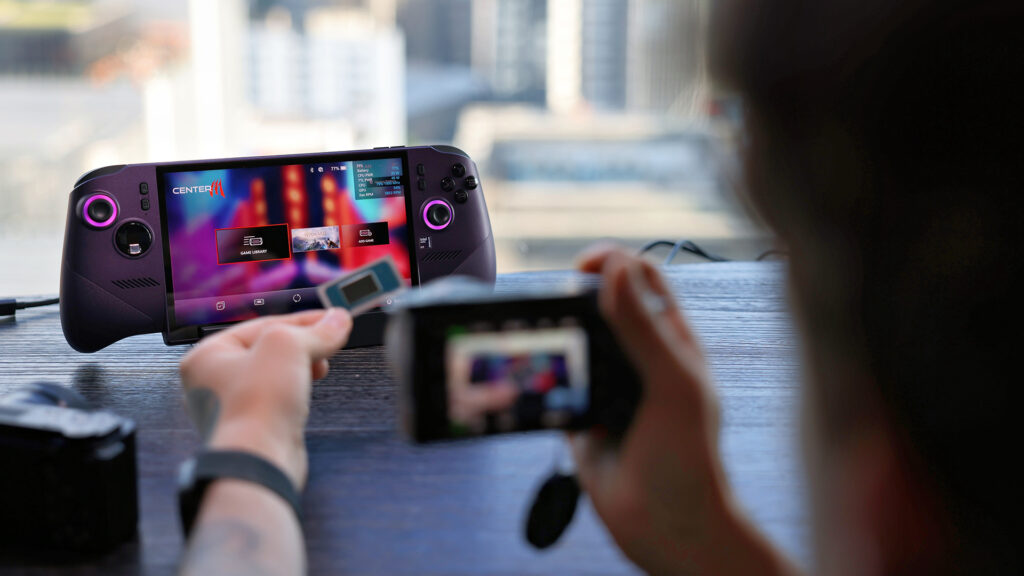
Intel Arc’s biggest historical problem was driver quality. Early Arc GPUs and early Claw devices had first-run compilation stutter on DirectX 12 titles, the jarring frame drops that appeared the first time you ran a game as shaders compiled. It was the most common complaint about every Intel handheld before this generation.
The Arc G3 Extreme ships with precompiled shaders as standard. Day-zero optimisations, Vulkan 1.4 upstreaming, and Precompiled Shaders arrive at launch rather than months later. The structural solution to the stutter problem is in the base driver package. Notebookcheck didn’t encounter stability issues. Multiple reviewers noted the software experience is now competitive with AMD’s mature driver stack rather than apologetically behind it.
One practical note worth flagging: the publicly available driver and the press-portal driver produce different numbers in some benchmarks. If you’re comparing benchmark results across review sites, check which driver was used. BabelTech specifically noted this discrepancy.
The hardware: good except for one significant gap
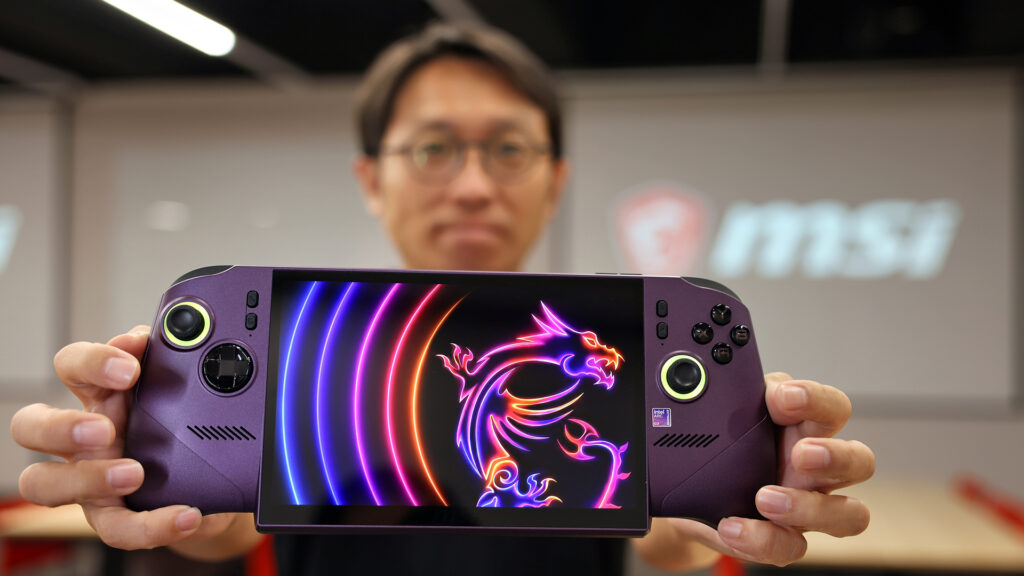
8-inch 1920×1200 120Hz VRR display. The resolution is slightly higher than the 1920×1200 is standard on 8-inch panels at this price tier. VRR support makes 40–50 FPS gaming noticeably smoother than on displays without it. The 120Hz ceiling is the right target for a handheld at this performance level.
What’s missing: OLED. At $1,799, the Claw 8 EX AI+ uses an IPS panel while the Steam Deck OLED at $549 has a superior display technology. The Legion Go 2 also uses an OLED panel at $1,199. Notebookcheck’s review called this the most significant hardware shortcoming of the device, when you’re paying a premium price, not having a premium display is a real gap that MSI will almost certainly address in the next revision.Intel Arc B580 in 2026
32GB LPDDR5X-8533 memory is the correct specification for the Arc G3 Extreme’s unified architecture, the GPU and CPU share this pool, and more bandwidth means better GPU performance. 1TB SSD with good and stable performance according to Notebookcheck. Thunderbolt 4 port for docking scenarios, the most versatile handheld connectivity available and a meaningful advantage for users who want to dock and use a full monitor and keyboard at a desk.
Battery life in the Endurance profile is “pretty decent” according to Engadget without specific hours being published across most outlets. Expect 2–3 hours in demanding games, the same general range as other premium handhelds under full gaming load.
The price: confronting it honestly
$1,799 is $800 more than the ROG Xbox Ally X. It’s $599 more than the Legion Go S. It’s $849 more than the Steam Deck OLED. It’s more than a complete RTX 5070 desktop gaming build.
For that premium you get 50–75% more gaming performance than those AMD alternatives, which is an enormous performance lead by any historical comparison. But more gaming performance on a handheld doesn’t exist in the same vacuum as more gaming performance in a desktop. A $1,799 desktop GPU upgrade that delivers 50–75% more performance would be transformative. On a handheld, that performance lead means 60 FPS rather than 38 FPS in Cyberpunk, genuinely better, genuinely meaningful, but still with all the constraints of a handheld form factor.
Windows Central called it “the gaming handheld we’ve been waiting for.” The Verge said “I’m not giving up my Steam Deck for MSI’s new Claw.” Both reactions are valid. The Claw 8 EX AI+ is the handheld for buyers who specifically need the best possible performance and price is not the primary consideration. It’s not the handheld for most buyers.
The one thing Intel got right that matters most
Four years of Arc GPU products produced a brand with a compatibility reputation problem. Games that worked fine on AMD didn’t work correctly on Intel. That reputation, whether fully deserved or not, stuck to every Intel handheld through the Claw’s first two generations.
The Arc G3 Extreme doesn’t carry that reputation anymore. Eight independent reviews across PC gaming’s most respected outlets all noted the software experience has fundamentally changed. Day-zero support, precompiled shaders, Vulkan 1.4, the work Intel put into the driver stack between Lunar Lake and Panther Lake shows in results. That’s not a benchmark number. It’s the reason previous Intel handhelds lost buyers who did their research. Its absence from the Claw 8 EX AI+ conversation is Intel’s biggest win of the year.
Who should buy it
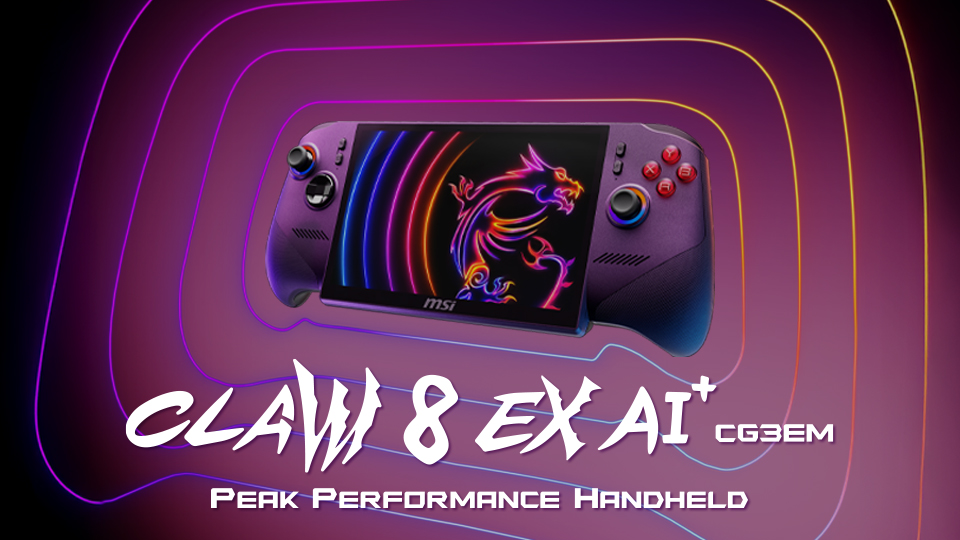
Buy the MSI Claw 8 EX AI+ if you specifically want the fastest gaming handheld available in 2026 and $1,799 is within your budget. The performance lead is real, documented, and substantial. The driver problems that defined earlier Intel handhelds are resolved. If maximum performance in a handheld form factor is the singular goal, nothing else delivers it.
Don’t buy it if: display quality matters as much as performance, the Legion Go 2’s OLED panel at $600 less is a real consideration. Don’t buy it if you’re on a budget. The Legion Go S at $849 or ROG Xbox Ally X at $599 do the job well for most gaming use cases. Don’t buy it if you want SteamOS. The Claw runs Windows 11 only.
The Claw 8 EX AI+ is the fastest gaming handheld ever built. It’s also the most expensive from a mainstream manufacturer. Those statements are equally true and equally relevant.