SpecClear earns a commission if you buy through Newegg links on this page, at no extra cost to you.
When ASUS unveiled the ROG Xbox Ally X20 on June 1, 2026, the handheld community split in a predictable way: real excitement about the OLED hardware, and weeks of frustration over a mandatory AR-glasses bundle that pushed the real-world ask north of $2,000.
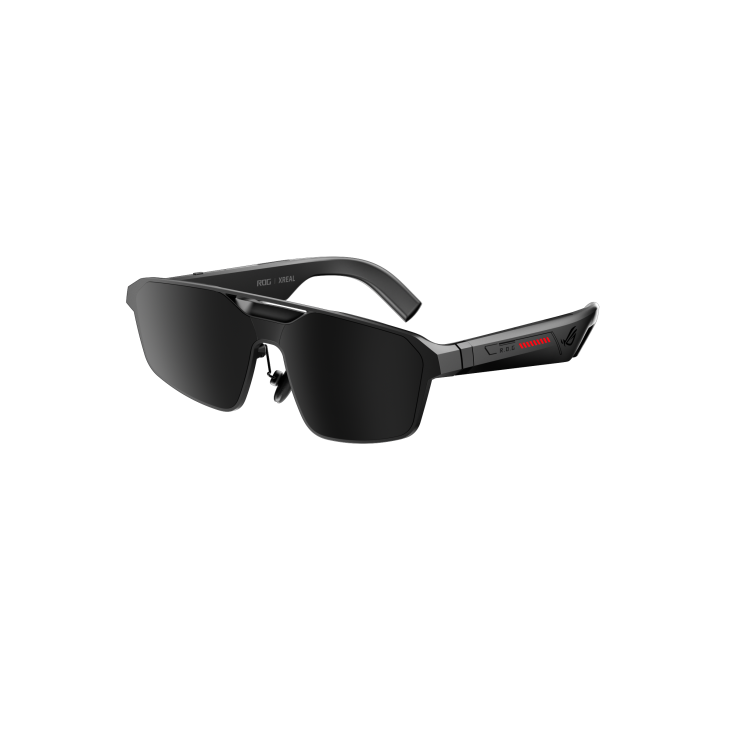
ASUS changed course. After Anthony Spence told The Verge the company was discussing a standalone schedule, pre-orders opened on August 25, 2026 for both the handheld alone and the ROG 20th anniversary bundle. US pricing is now official: $1,299.99 standalone and $2,499.99 for the bundle with ROG XREAL R1 Edition 20 glasses, a dbrand Killswitch, and a Pelican case. Shelf date is October 15, 2026.
That standalone U-turn is the whole story. Here is what the hardware is, what it costs, and when it actually arrives.
What the ROG Xbox Ally X20 Actually Is
ASUS unveiled the ROG Xbox Ally X20 on June 1, 2026, the opening day of Computex, positioning it as the OLED flagship of the ROG Ally family roughly eight months after the standard ROG Xbox Ally and ROG Xbox Ally X launched in October 2025.
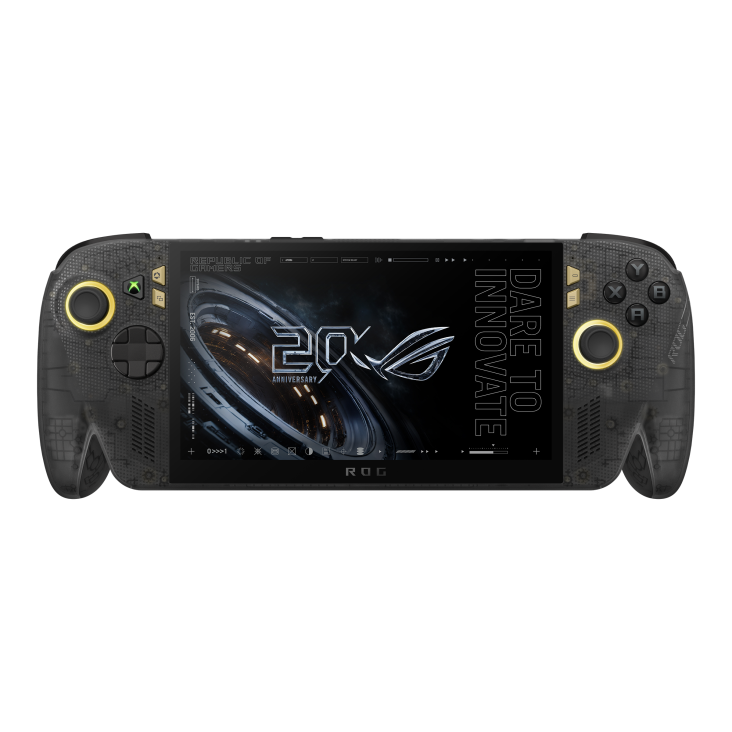
The X20 is a Windows handheld gaming PC built on the same core silicon as its predecessor but upgraded in every visible and tactile way. The internals, processor, RAM, storage, battery, are carried forward. The experience of holding and using it is substantially different. For whether a handheld makes sense at all, see our handheld gaming PC buying guide.
The display is the headline change. The ROG Xbox Ally X carried a 7-inch 1080p IPS LCD panel running at 120Hz. The X20 swaps in a 7.4-inch ROG Nebula HDR OLED screen with 120Hz refresh rate, VESA DisplayHDR True Black 1000 compliance, Dolby Vision support, and up to 1,400 nits of peak HDR brightness, a jump ASUS calls its biggest single-generation display upgrade for the handheld line. ROG Xbox Ally X ($1,203, currently out of stock on Newegg)
That 1,400 nit figure matters. For context, the Steam Deck OLED reaches 1,000 nits peak at a lower 1280×800 resolution. The Lenovo Legion Go 2 offers an 8.8-inch OLED at 1200p and 144Hz, but its 1,100-nit brightness still falls short of the Ally X20’s panel on paper. The X20’s display is the brightest OLED screen on any gaming handheld currently announced.
Full Confirmed Specs
| Component | Specification |
|---|---|
| Display | 7.4-inch ROG Nebula HDR OLED, 1080p, 120Hz |
| Peak brightness | 1,400 nits HDR |
| Display compliance | DisplayHDR True Black 1000, Dolby Vision |
| Processor | AMD Ryzen AI Z2 Extreme (Zen 5, 8 cores) |
| RAM | 24GB LPDDR5X |
| Storage | 1TB PCIe 4.0 NVMe |
| Battery | 80Wh |
| Joysticks | TMR (True Magnetic Reluctance), new for X20 |
| D-pad | Transforming D-pad, new for X20 |
| Chassis | Translucent black with gold internal structure |
| Connectivity | WiFi 6E, Bluetooth 5.3, USB-C (x2) |
| OS | Windows 11 with Xbox mode |
| Weight | Approximately 756g (listed) |
The AMD Ryzen AI Z2 Extreme is the same chip in the current Ally X. It’s a Zen 5 mobile APU with integrated RDNA graphics, capable of 720p to 1080p gaming in most current titles at medium-high settings. The 24GB of LPDDR5X is shared between CPU and GPU, the iGPU draws from this pool, which is why it’s 24GB rather than the 16GB more common in competing handhelds. For a rival handheld, read our MSI Claw 8 EX AI+ review.
The Joystick and D-Pad Upgrades
TMR joysticks are the control hardware story of the X20. Traditional joystick sensors use potentiometers, physical contact points that degrade over time and contribute to the joystick drift that affects almost every gamepad eventually. TMR (True Magnetic Reluctance) joysticks use magnetic field sensing rather than physical contacts. No wear, no drift, more precise analogue input.
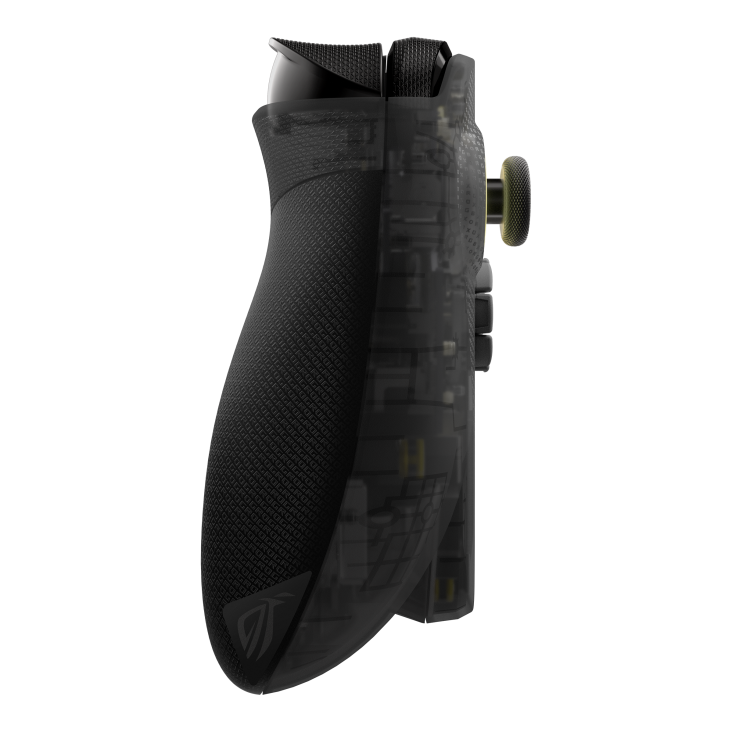
This is a genuinely meaningful upgrade for competitive gaming use cases and for players who keep handhelds for multiple years. Potentiometer drift on the standard Ally X’s joysticks was a documented community complaint. The X20’s TMR implementation addresses it at the hardware level.
The Transforming D-pad, a new design that can be reconfigured depending on whether you’re playing a fighting game, a platformer, or a strategy title, is a secondary upgrade that matters more to certain genres than others. Handheld fighting game players specifically will notice it.
The Thermal System Redesign
OLED panels are more heat-sensitive than LCD, so ASUS redesigned the internal thermal system specifically for the X20. The ROG Intelligent Cooling dual-fan system operates at 30dB and channels airflow directly to the APU while keeping display surface temperatures low. This protects the panel during extended gaming sessions and keeps the touchscreen comfortable under your fingers.
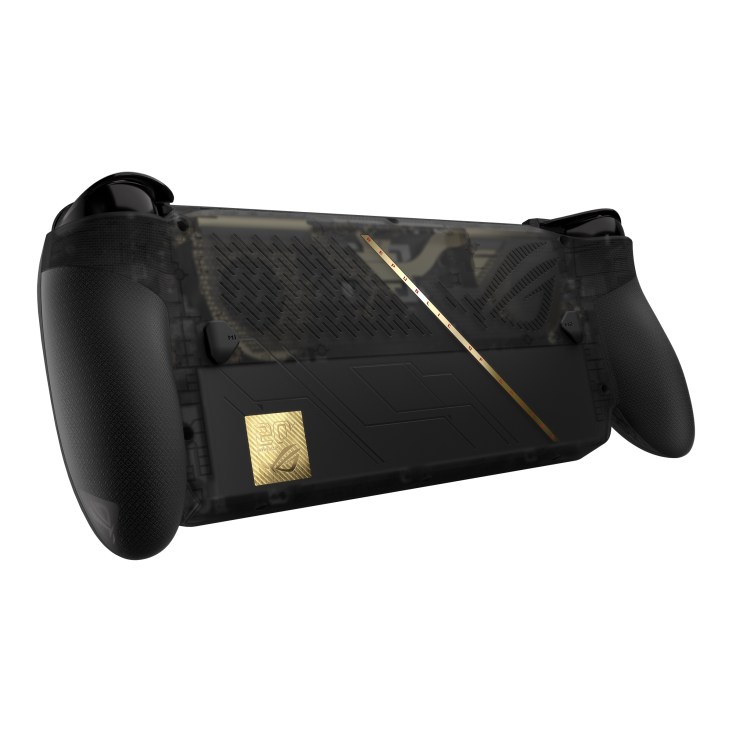
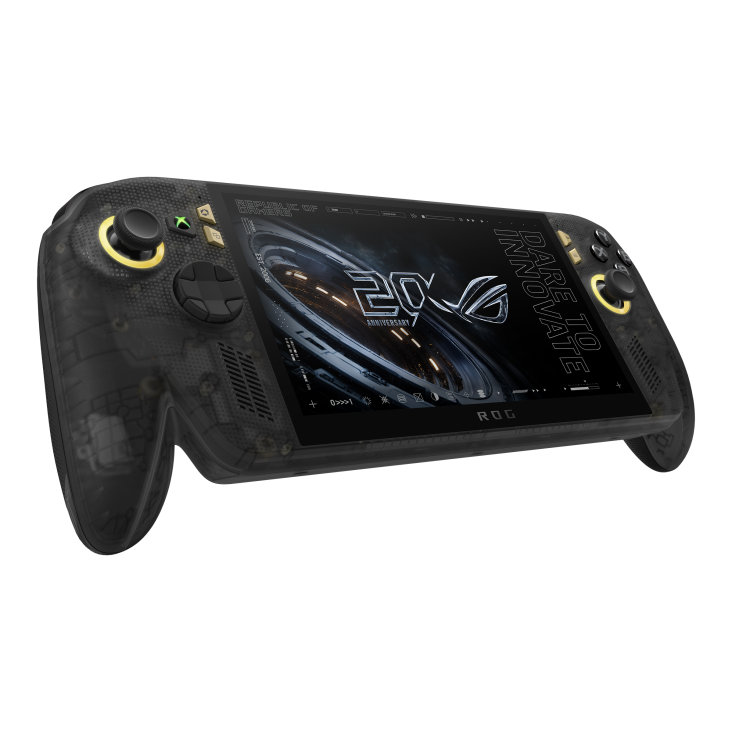
This is worth understanding because OLED handhelds in general have raised thermal concerns in the community since Valve introduced the Steam Deck OLED. Heat affects OLED longevity differently than LCD, sustained high temperatures accelerate burn-in risk and pixel degradation. ASUS redesigning the cooling system specifically around the display rather than just the APU suggests they took this seriously rather than bolting an OLED onto an existing thermal design.
The AR Glasses: Bundle Only, Then Not
The ROG XREAL R1 Edition 20 AR glasses are the accessory ASUS built the X20 bundle around. Connect them to the Ally via a single USB-C cable and they project a 171-inch virtual screen at 4 metres, running at 240Hz with micro-OLED panels inside the glasses. The concept is straightforward: instead of gaming on the 7.4-inch handheld screen on a plane or in a hotel room, you play on a virtual cinema screen. The XREAL R1 standalone sells for $849.99.
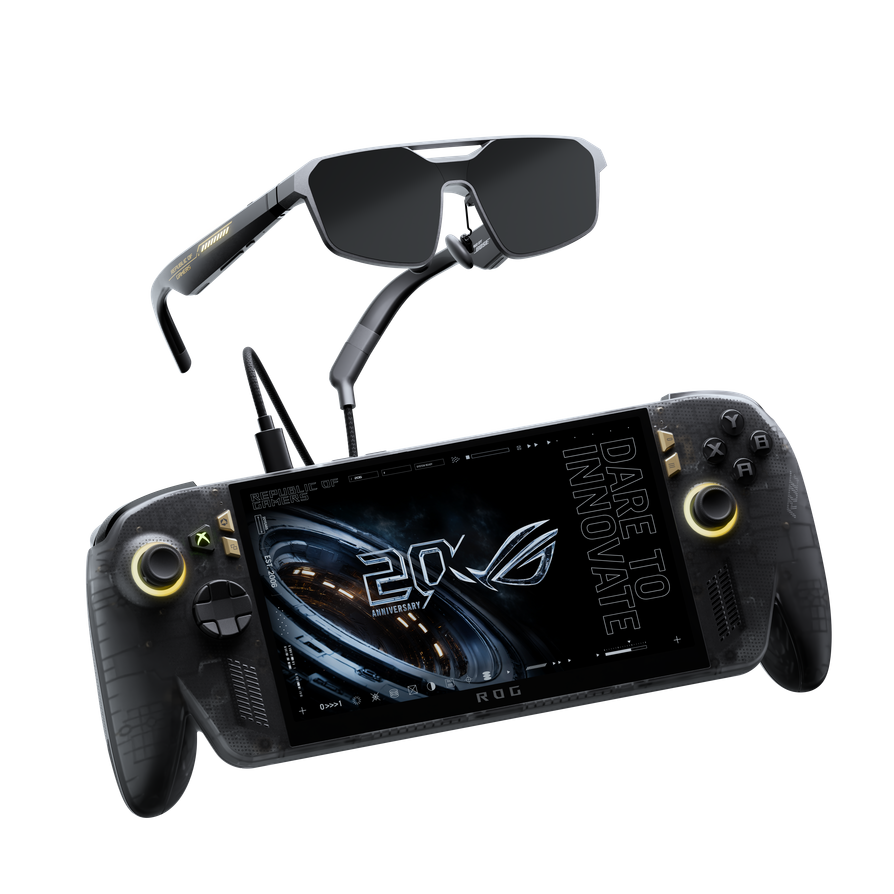
When ASUS announced the X20 would only be sold as a bundle with these glasses, the maths made the total price untenable for most buyers. An Ally X20 at a $999 Ally X baseline price plus $849 for the glasses implied a bundle price of $1,800 at a minimum, before ASUS applied any premium for the OLED display, TMR joysticks, and anniversary design. Most analyst estimates put the bundle at $2,000-$2,500.
Seven weeks of community feedback made the problem clear. ASUS has now confirmed it is preparing to sell the ROG Xbox Ally X20 as a standalone product without the AR glasses, working on the release schedule for the standalone version. No date or price has been confirmed for the standalone configuration. If you would rather game on a bigger screen, our best gaming laptops list has options.
Price: Standalone and Bundle
The standalone price is confirmed at $1,299.99 in the US. That sits $300 above the Ally X’s $999 tier and buys the 7.4-inch OLED, TMR joysticks, Transforming D-pad, redesigned thermals, and translucent chassis. Canada lists the standalone at C$1,899.
The ROG 20th anniversary bundle is $2,499.99 in the US and C$3,499 in Canada. It pairs the handheld with ROG XREAL R1 Edition 20 AR glasses, a dbrand Killswitch, and a custom Pelican case. The glasses also list separately around $799.
Pre-orders opened August 25, 2026 through Best Buy and ASUS channels, with ASUS Store windows staggered by region. Treat $1,299.99 / $2,499.99 as the live US ask, not analyst guesswork.
Release Date: Confirmed Shelf Window
ASUS says the ROG Xbox Ally X20 hits shelves starting October 15, 2026. That lands almost a year after the ROG Xbox Ally and Ally X October 2025 launch, and it lines up with the holiday window Computex chatter pointed at.
Pre-orders are already live as of late August 2026, so the old “watch for a schedule” framing is done. Check Best Buy, the ASUS Store, and the ROG product page at rog.asus.com for regional stock and bundle exclusivity notes.
If a listing still shows estimate-only pricing, ignore it. The live US prices are $1,299.99 standalone and $2,499.99 bundle.
Should You Wait for It or Buy an Ally X Now?
If you want the best OLED handheld gaming PC available and price is not the constraint: pre-order the X20 for the October 15 shelf date. The 1,400-nit OLED, TMR joysticks, and thermal redesign are genuine improvements over every current Ally. Nothing shipping today matches that display spec on paper. ROG Xbox Ally X ($1,203, currently out of stock on Newegg)
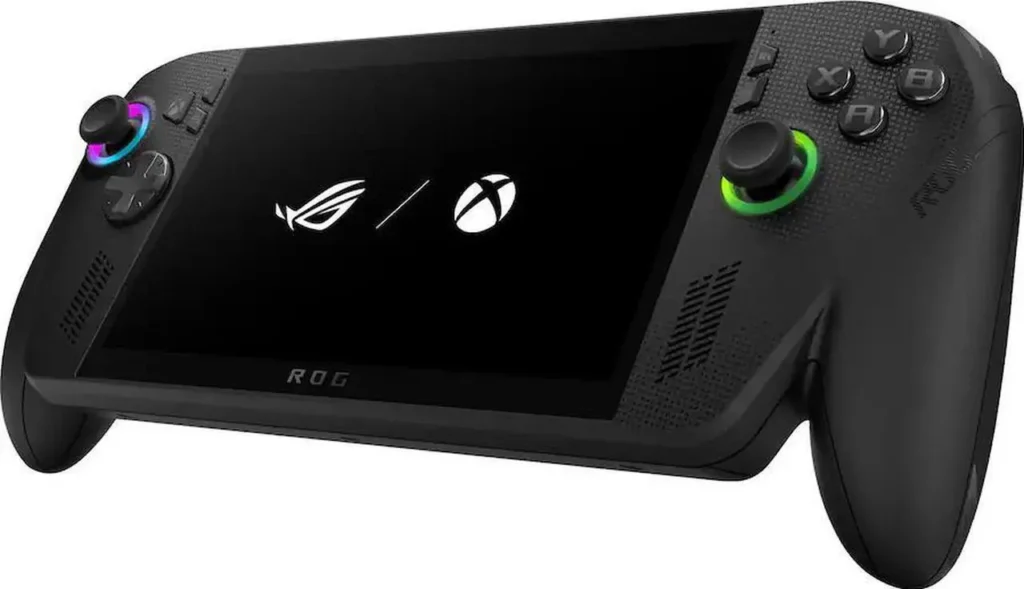
If you want a capable Windows gaming handheld right now, the ROG Xbox Ally X is the proven option, and it will stay a good machine well after the X20 ships. It launched at $999, but Newegg’s only listing is a marketplace one at about $1,200 and it’s out of stock, so at that price the X20 at $1,299.99 is the better buy unless you find an Ally X near its launch price. The internals are identical. The IPS display at 120Hz is good, not exceptional. The joysticks use potentiometers rather than TMR, the only functional difference you’d notice day to day.
If you primarily play Nintendo games: the X20 doesn’t help you. It runs Windows and Xbox Game Pass. No Nintendo exclusives exist on any Windows handheld.
The memory shortage that’s driving GPU and RAM prices is also affecting handheld pricing. ASUS’s own ROG Xbox Ally X costs more than it did at launch. The X20 is launching into a more expensive hardware market than any ROG Ally predecessor faced. Factor the live $1,299.99 ask into your budget rather than hoping for a softer number.