
Most gaming PC guides treat the CPU and GPU as separate decisions. Pick the best CPU you can afford. Pick the best GPU you can afford. Done.
That approach produces unbalanced builds where one component is sitting largely idle while the other is maxed out. You end up paying for performance you cannot use — which in the current market where every dollar counts is an expensive mistake.
This guide covers the CPU and GPU combinations that actually work together at 1080p gaming in 2026, explains why balance matters more than raw specs, and gives you specific pairings at three budget levels you can act on right now.
Why Balance Matters More Than Individual Specs
Before the pairings, you need to understand one concept that most budget guides skip over.
Every PC has a bottleneck — one component that is the limiting factor at any given moment. This is normal and unavoidable. The goal is not to eliminate the bottleneck but to ensure it sits in the right place and is not so severe that you are wasting money on one component while starving another.
At 1080p, your CPU carries more of the rendering load because frames push out faster. A budget CPU paired with a high-end GPU will struggle here. At 4K the GPU does the vast majority of the work and almost any modern CPU keeps up. This means the CPU choice matters more for 1080p gaming than most people realise — and it is where budget builds most commonly go wrong.
The practical implication: spend roughly 40-50% of your component budget on the GPU and 30-35% on the CPU for a balanced gaming build. Spending 70% on a GPU and 10% on the cheapest CPU available is the most common and most expensive mistake in budget PC building.
A small bottleneck under 10% is completely normal and nothing to troubleshoot. A bottleneck above 20% means one component is genuinely limiting the other and money has been spent incorrectly.
Combo 1 — The Genuine Budget Pick: ~$350–500 for CPU + GPU
Ryzen 5 5600 + AMD RX 7600 XT 16GB
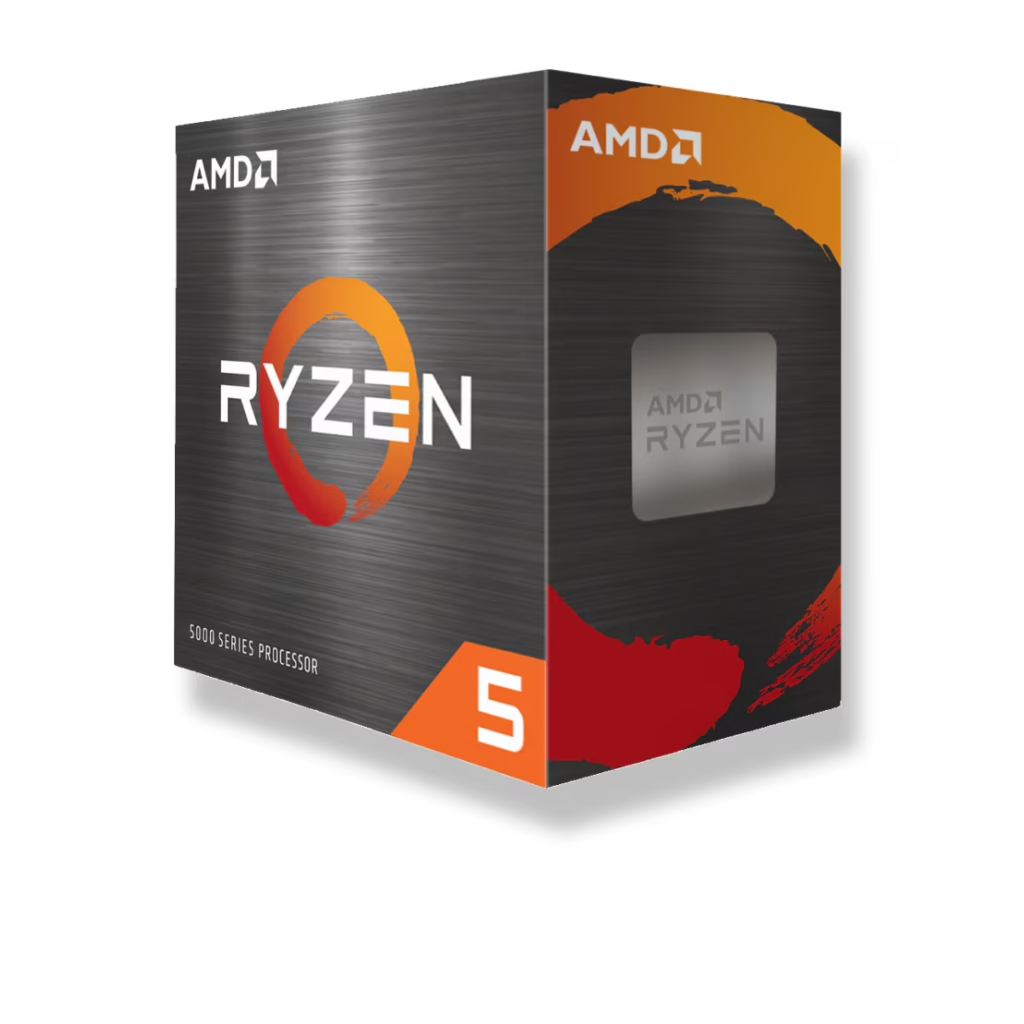
This is the combination that delivers the most 1080p gaming performance per dollar in May 2026 for builders who can tolerate building on the AM4 platform.
The Ryzen 5 5600 is more than enough CPU for the RX 7600 at this price tier, and the whole system can come in around $600-750 depending on deals on supporting components. AM4 motherboards and DDR4 RAM keep the platform cost down, which matters significantly right now with DDR5 prices elevated.
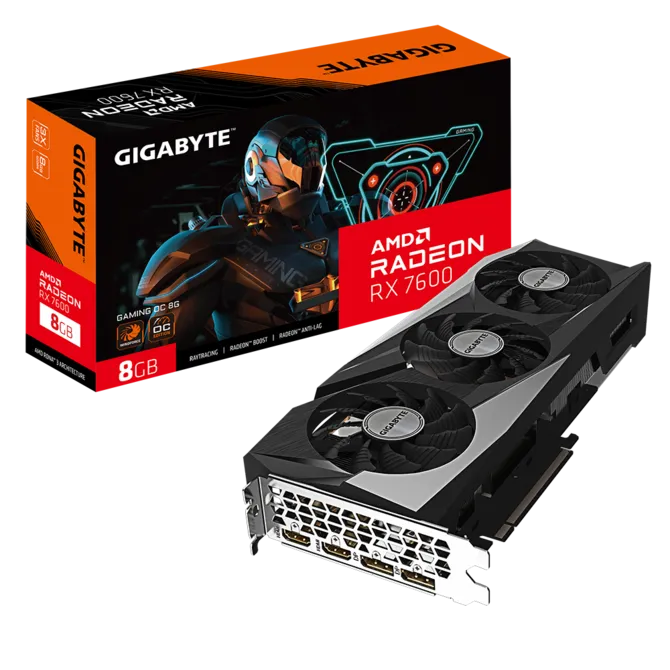
The RX 7600 XT 16GB is the key choice here over the standard 8GB RX 7600. Sixteen gigabytes of VRAM at this price tier is unusual and genuinely future-proofs the GPU against the VRAM pressure that is already affecting 8GB cards in 2026 AAA titles. The performance premium over the 8GB version is modest — the VRAM headroom is the real reason to choose it.
The Ryzen 5 5600 at approximately $100-147 delivers Zen 3 architecture with six cores and 12 threads — enough to feed the RX 7600 XT at 1080p in all current titles without a meaningful bottleneck.
What this delivers at 1080p:
- Esports titles: consistently above 144 FPS at competitive settings
- AAA games at high settings: 60-90 FPS in demanding titles, well above 100 FPS in most
- Streaming while gaming: manageable with quality adjustments
The honest caveat: AM4 is end-of-life. This platform has no CPU upgrade path beyond what currently exists. You are buying performance now, not an upgrade ladder. If that bothers you, see Combo 2.
Combo 2 — The Smart Platform Pick: ~$400-500 for CPU + GPU
Ryzen 5 7600 + Intel Arc B580 12GB
This combination sits on AM5 — the current AMD platform with a genuine upgrade path through Zen 5 and Zen 6 — while pairing it with one of the best value GPUs at this tier.
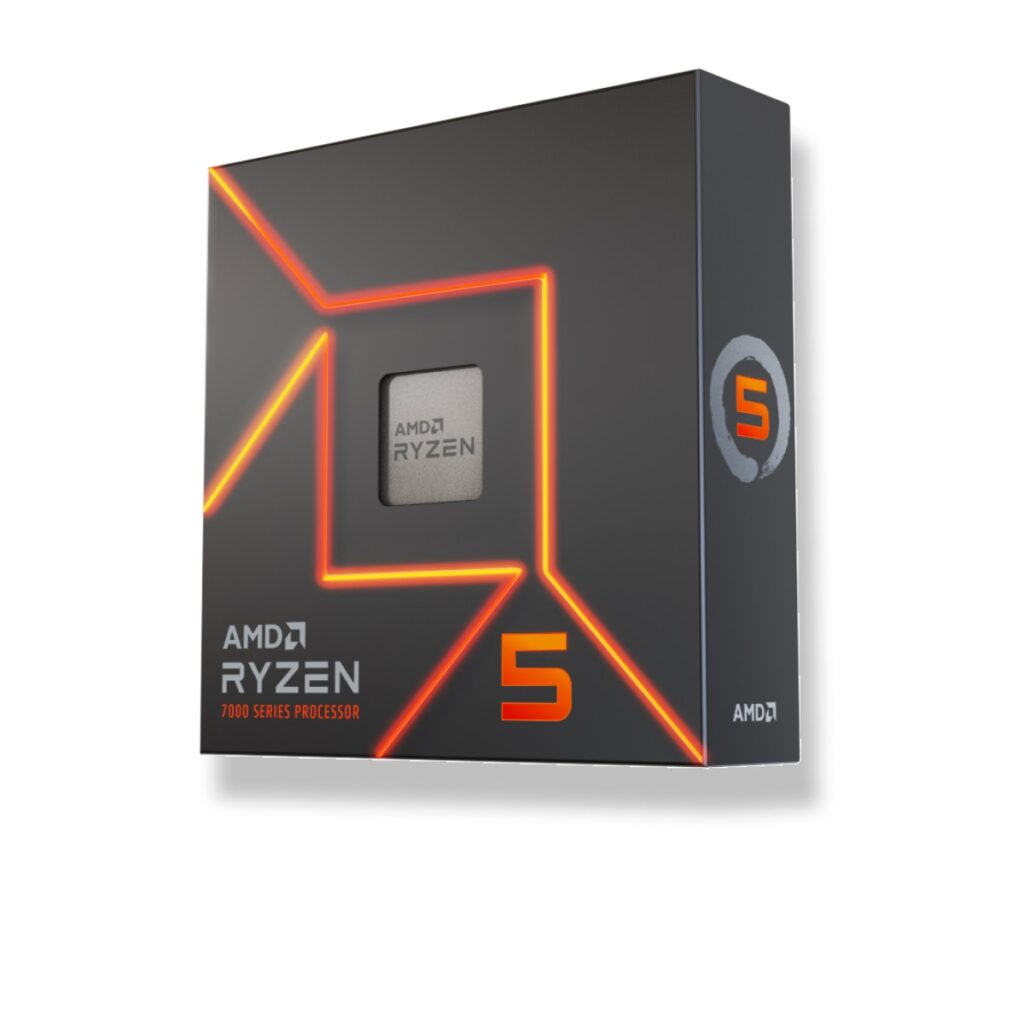
The Ryzen 5 7600 at approximately $167 delivers strong single-core performance and runs cool enough on its stock cooler that you do not need to budget for an aftermarket cooler. It handles every 1080p gaming workload without becoming a bottleneck at any realistic frame rate target.
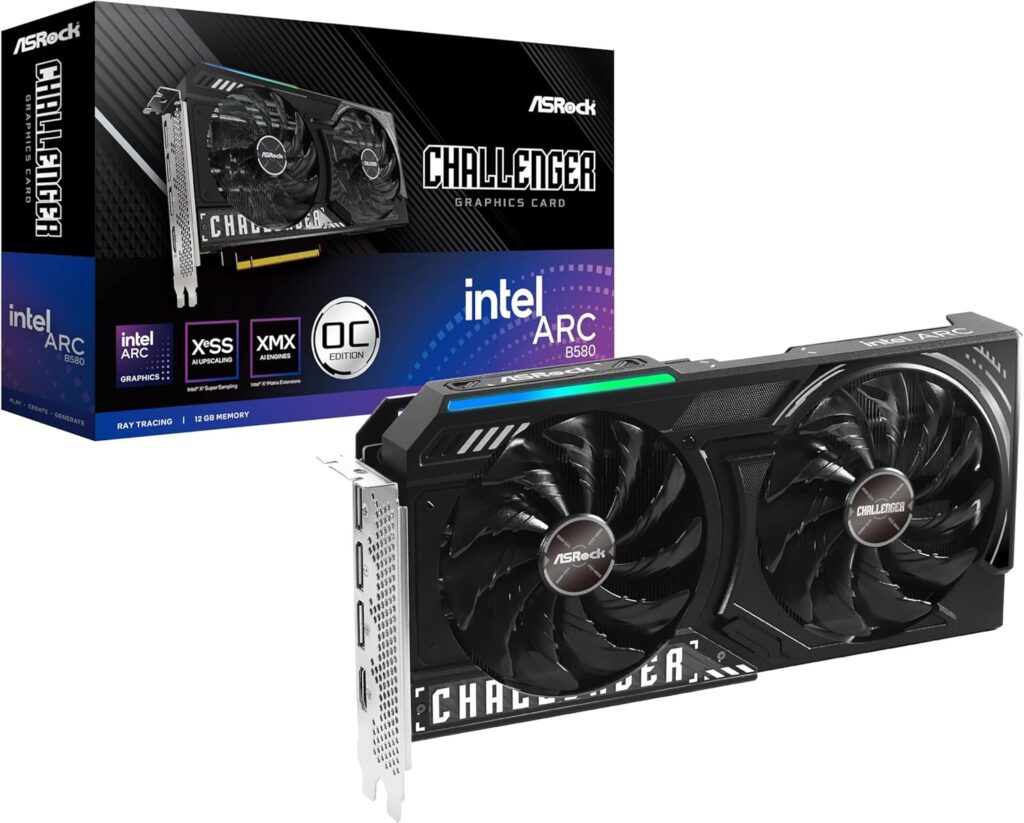
The Intel Arc B580 at approximately $303 offers 12GB of GDDR6 VRAM at a price where competing options from Nvidia and AMD ship 8GB. The performance trades blows with the RTX 4060 in most modern titles while costing $30-60 less and providing significantly more VRAM headroom.
The driver caveat applies here as it does to all Arc hardware — modern titles from the last few years work well, older DX11 titles can be problematic, and using Intel’s drivers directly from intel.com rather than Windows Update is a non-negotiable requirement. For a builder who primarily plays titles released after 2019, this is not a real-world concern. For someone with a large library of older games, Combo 3 is more appropriate.
The Ryzen 5 7600 and RX 7600 XT combination delivers strong performance at 1080p within a 550W power envelope, with virtually no bottleneck and a clear AM5 upgrade path. The Arc B580 variant trades some raw performance reliability for more VRAM and a lower price, landing well for buyers focused on modern titles.
What this delivers at 1080p:
- Esports titles: consistently above 144 FPS
- AAA games at high settings: 60-80 FPS in demanding titles
- Platform upgrade path: drop-in Zen 5 or Zen 6 CPU in future without replacing motherboard or RAM
The honest caveat: The Arc B580 requires some driver awareness. Not a set-and-forget card in the same way Nvidia and AMD are. Experienced builders: great pick. Absolute first-time builders who want zero friction: consider Combo 3.
Combo 3 — The Reliability Pick: ~$530-580 for CPU + GPU
Ryzen 5 7600 + RX 9060 XT 8GB
This combination prioritises driver reliability and consistent gaming experience over maximum VRAM or lowest price. The Ryzen 5 7600 and RX 9060 XT pairing is well documented as a balanced, zero-bottleneck combination for 1080p gaming in 2026.
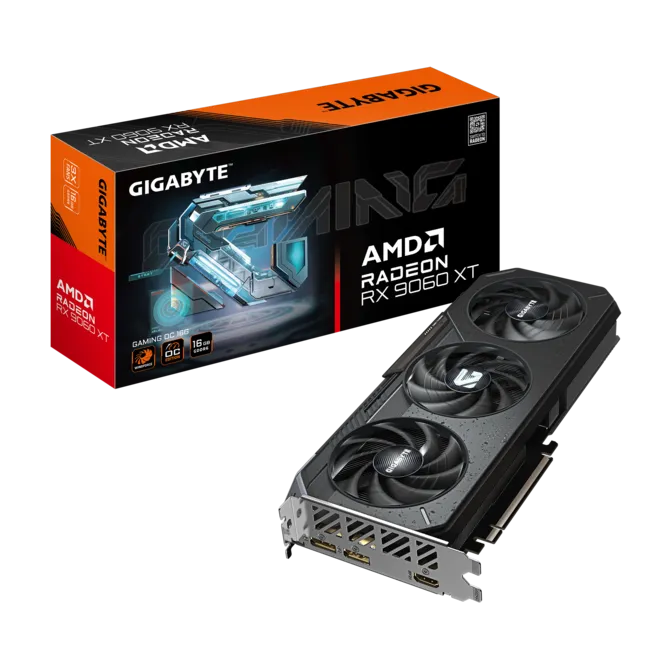
For 1080p gaming, the Ryzen 5 7600 paired with the RX 9060 XT offers the best value without bottlenecks. The RX 9060 XT at approximately $359 delivers roughly 15% more native rasterisation performance than the RTX 5060 at identical current pricing — and its RDNA 4 architecture brings FSR 4 upscaling quality that approaches DLSS 4 Super Resolution in supported titles.
The 8GB VRAM limitation is the only genuine concern here. At 1080p high settings in current 2026 titles it is manageable. At 1440p in demanding AAA titles it is a real constraint. If 1440p is in your future, consider the 16GB variant discussed below.
AMD’s driver situation on RDNA 4 is materially better than the troubled RX 5700 XT and early RX 6000 era that drove people toward Nvidia. It is not flawless — specific title issues appear in each driver release — but the narrative that AMD drivers are categorically unreliable is no longer accurate for current-generation hardware.
What this delivers at 1080p:
- Esports titles: consistently above 144 FPS
- AAA games at high settings: 75-100 FPS average in demanding titles
- Driver reliability: very good, set-and-forget for most titles
- 1440p capability: functional at medium-high settings with FSR 4
The VRAM Upgrade Worth Considering
If your budget can reach $448 for the GPU component specifically, the RX 9060 XT 16GB paired with the Ryzen 5 7600 is the combination that eliminates the main limitation of Combo 3 and makes the most sense for anyone who will be gaming at 1440p within the next two years or wants this build to remain fully capable through 2028.
The platform — Ryzen 5 7600 on AM5 with a B650 motherboard — remains the same. Only the GPU changes. The 16GB variant delivers identical performance to the 8GB in VRAM-light scenarios and meaningfully better performance as VRAM demands increase, which they will.
The Combinations to Avoid
Any GPU paired with a CPU more than two generations old
Pairing a current-generation GPU with a CPU from 2018 or earlier creates a severe CPU bottleneck at 1080p that no GPU upgrade resolves. The 1080p frame rate target you are paying for cannot be reached because the CPU cannot feed the GPU fast enough.
Flagship GPU with a budget CPU
An RTX 5060 Ti paired with an Intel Core i3 entry-level processor is a common mistake that wastes the GPU’s capability entirely at 1080p where the CPU is the limiting factor. Match your tiers.
8GB GPU above $350
At current market pricing, spending above $350 on an 8GB GPU makes no sense when 12GB and 16GB options exist at similar or slightly higher price points. The VRAM ceiling at that cost is not acceptable.
Quick Reference — By Budget
| Budget (CPU + GPU) | CPU | GPU | Best For |
| ~$350-400 | Ryzen 5 5600 | RX 7600 XT 16GB | Maximum value, 1080p gaming |
| ~$450-520 | Ryzen 5 7600 | Arc B580 12GB | AM5 platform + VRAM value |
| ~$530-580 | Ryzen 5 7600 | RX 9060 XT 8GB | Reliability + performance |
| ~$640-660 | Ryzen 5 7600 | RX 9060 XT 16GB | Future-proof 1080p/1440p |
The Honest Summary
The best CPU and GPU combination for 1080p gaming in 2026 is not the one with the highest individual specs — it is the one where both components are matched to each other and to your actual gaming targets.
For pure budget value: Ryzen 5 5600 and RX 7600 XT 16GB on AM4 delivers the most gaming performance per dollar right now, accepting that the platform has no upgrade path.
For smart long-term investment: Ryzen 5 7600 on AM5 with any of the GPU options above gives you a platform that grows with you for years without requiring a motherboard and RAM replacement.
For reliability without compromise: Ryzen 5 7600 and RX 9060 XT 16GB is the combination that handles 1080p today and 1440p tomorrow without asking you to think about it again for three to four years.
Verify current pricing on all components before purchasing — the above figures reflect May 2026 market conditions and will shift.
SpecClear participates in affiliate programmes. When you purchase through links on this site we may earn a commission at no additional cost to you. We only recommend hardware we would use ourselves