
SpecClear earns a commission if you buy through Newegg links on this page, at no extra cost to you.
The RTX 50 Super series has been rumoured, delayed, reportedly cancelled, un-cancelled, and delayed again. Multiple supply-chain reports now point to a CES 2027 / early 2027 window, nearly two years after the original RTX 50 launch at CES 2025. Nvidia has not confirmed the cards, the specs, or the date.
The hold still matters if you are buying a GPU in September 2026. Here’s what the Super cards are rumoured to be, why they’re not here yet, and whether that rumor should change your buying decision right now.
What the RTX 50 Super Cards Actually Are
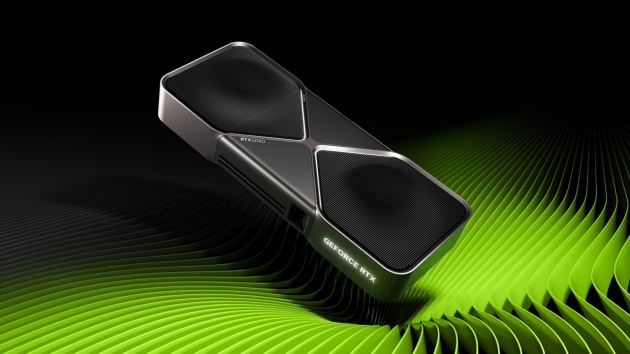
Nvidia Super refreshes follow a consistent pattern. Same GPU architecture, same CUDA core counts in most cases, more VRAM and sometimes modestly higher power limits. The RTX 50 Super series follows this exactly, but with a VRAM increase that’s more significant than previous Super generations because the base cards shipped with amounts that were widely criticised.
The reported leaked lineup includes four models, all using new 3GB GDDR7 memory chips rather than the 2GB chips in current RTX 50 cards. This increases VRAM capacity by 50% across the lineup.
The specific configurations:
- RTX 5060 Super: 12GB GDDR7, up from 8GB on the current RTX 5060
- RTX 5070 Super: 18GB GDDR7, up from 12GB on the current RTX 5070
- RTX 5070 Ti Super: 24GB GDDR7, up from 16GB on the current RTX 5070 Ti
- RTX 5080 Super: 24GB GDDR7, up from 16GB on the current RTX 5080
The RTX 5090 is absent from the Super lineup, it already ships with 32GB and there’s no obvious VRAM gap to address.
Because CUDA core counts are reportedly flat on the 5070 Ti Super and 5080 Super, the expected gains come almost entirely from having more VRAM headroom rather than more raw shading power. Digital Trends has described the pattern as Nvidia fixing its own segmentation rather than pushing the generation forward. That’s an accurate read. These are not new architectures. They’re the RTX 50 series with the VRAM amounts the cards arguably should have launched with.
Why They’re Delayed: The Honest Story
The cause is the same DRAM crisis driving every hardware price increase in 2026. The RTX 5080 Super’s 24GB frame buffer, built from higher-density 3GB modules, means the bill of materials for memory alone reportedly climbs by several hundred euros per card. Multiply that across the hundreds of thousands of boards AIB partners typically build for a launch window, and it becomes a cost increase measured in the tens of millions of dollars before a single card reaches a shelf. It is the same pressure behind the AMD GPU price hike we covered in August.
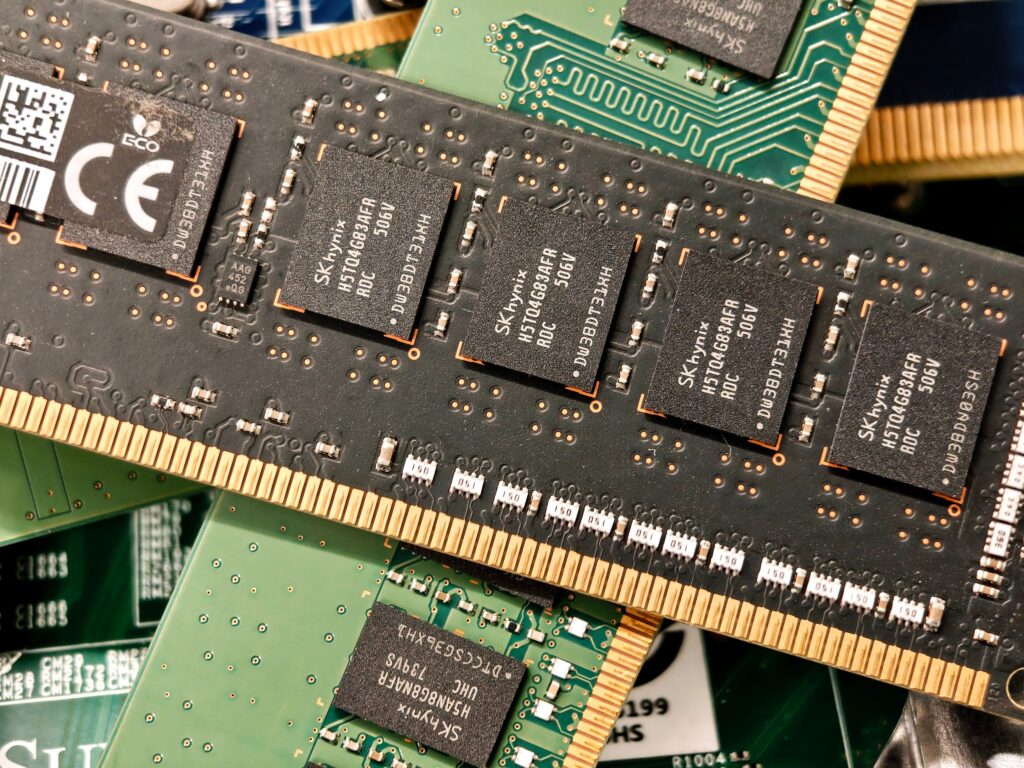
3GB GDDR7 chips cost significantly more than the 2GB chips in current RTX 50 cards because they’re newer, denser, and share the same constrained supply chain as every other memory product in 2026. The higher-VRAM Super models, the 5070 Ti Super and 5080 Super with 24GB, are the most expensive to manufacture and have been the most delayed.
The plot twist confirmed just days ago: the RTX 50 Super cards are reportedly finished and already sitting with AIB partners. Nvidia has quietly held back the launch. This is not a manufacturing problem. It’s a pricing and timing decision. Nvidia appears to be waiting for an announcement window with sufficient marketing impact, CES 2027 in January is the obvious choice, rather than launching mid-cycle without a major event to anchor the release.
The RTX 5080 Super is reportedly rated at 415W TGP, up from 360W on the current RTX 5080, an increase of about 15 percent. The RTX 5070 Ti Super reportedly climbs to 350W from 300W, about 17 percent higher. Higher power draw on a card that isn’t delivering a matching jump in rendering performance is worth noting. Make sure your PSU has headroom before planning a Super upgrade.
The AMD RDNA 5 Picture: Also 2027
AMD’s next-gen RDNA 5 graphics cards are also rumoured to be delayed until the second half of 2027, or at worst, early 2028. Both major GPU vendors are delivering no new architectures in 2026. The current generation, RTX 50 and RX 9000, is what the market has until at least CES 2027, with meaningful next-generation hardware not arriving until mid-to-late 2027 at the earliest. RX 9060 XT 16GB (about $520)
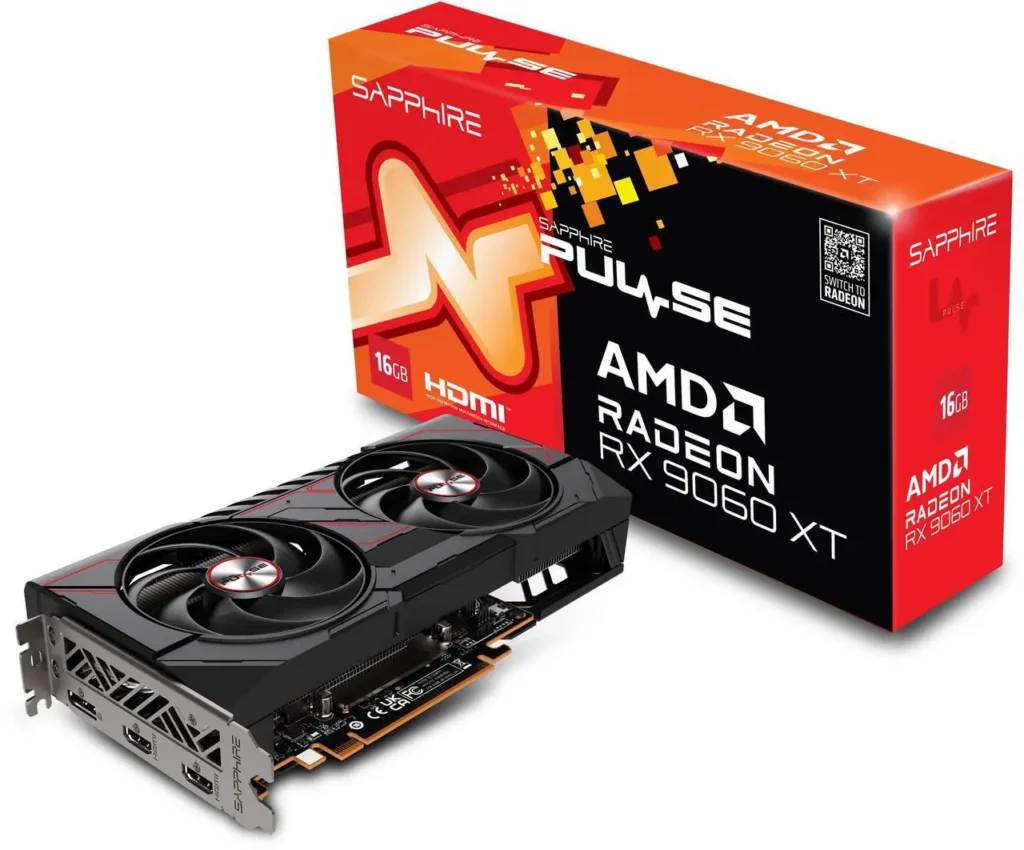
That’s the full competitive landscape for GPU buyers in 2026. Nvidia Super refresh in January 2027. AMD RDNA 5 in mid-to-late 2027. Nothing new in the next six months beyond the current cards at elevated prices. If new prices put you off, our best used GPUs guide is worth a look.
Should You Wait for the RTX 50 Super?
The honest answer depends entirely on which tier you’re buying in.
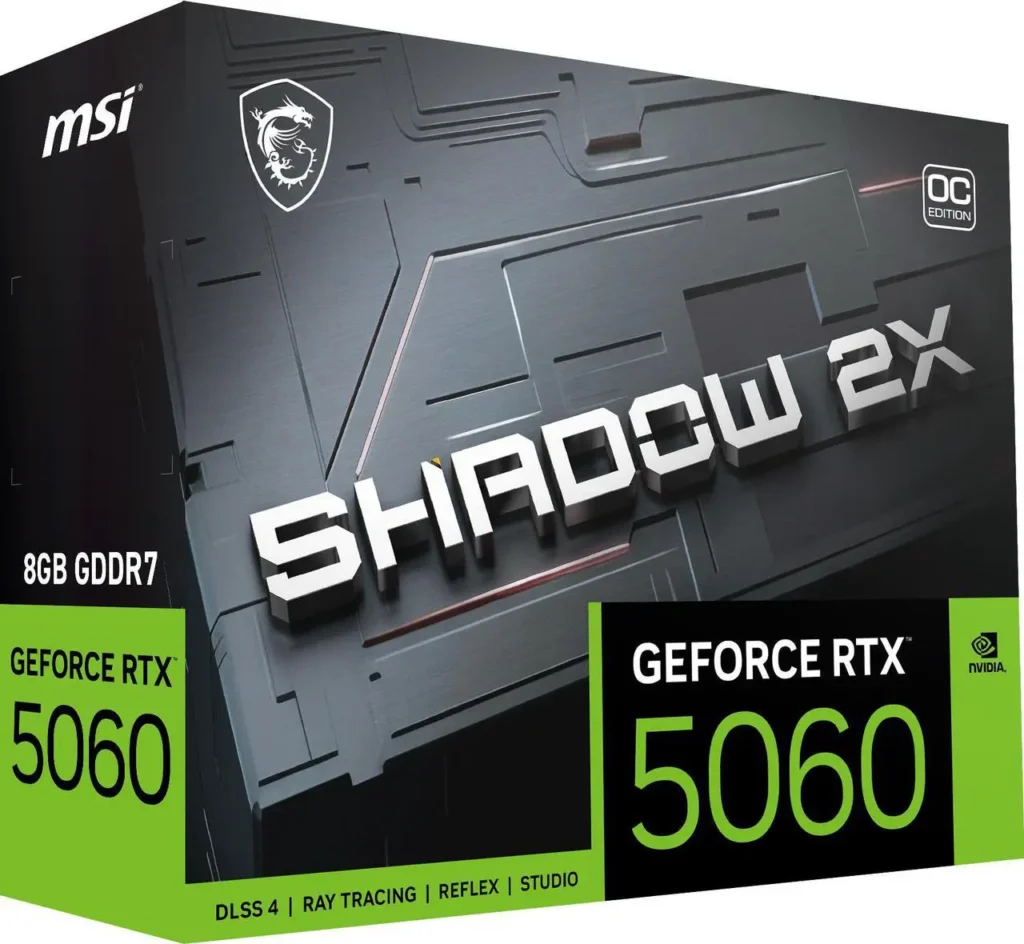
If you’re buying in the RTX 5060 tier: The RTX 5060 Super with 12GB is the most compelling Super upgrade on paper. The current RTX 5060 at 8GB has a documented VRAM ceiling at 1440p in demanding titles. 12GB fixes that problem specifically. If you need a GPU in this tier right now, buy the current RTX 5060 or the RX 9060 XT 16GB. If you can wait into early 2027 on the rumor calendar, the 5060 Super may be worth it, but only if Nvidia prices it competitively against today’s elevated streets, and only if the cards actually ship. On Newegg, the RTX 5060 (about $500) is a typical current option.
If you’re buying in the RTX 5070 tier: The RTX 5070 Super with 18GB addresses a real limitation, the current 5070 at 12GB shows strain in the most demanding 4K scenarios. Whether that’s worth waiting six months for depends on how urgently you need the GPU. The current RTX 5070 is a capable card. The Super will be better, not transformatively so. RTX 5070 (about $880)
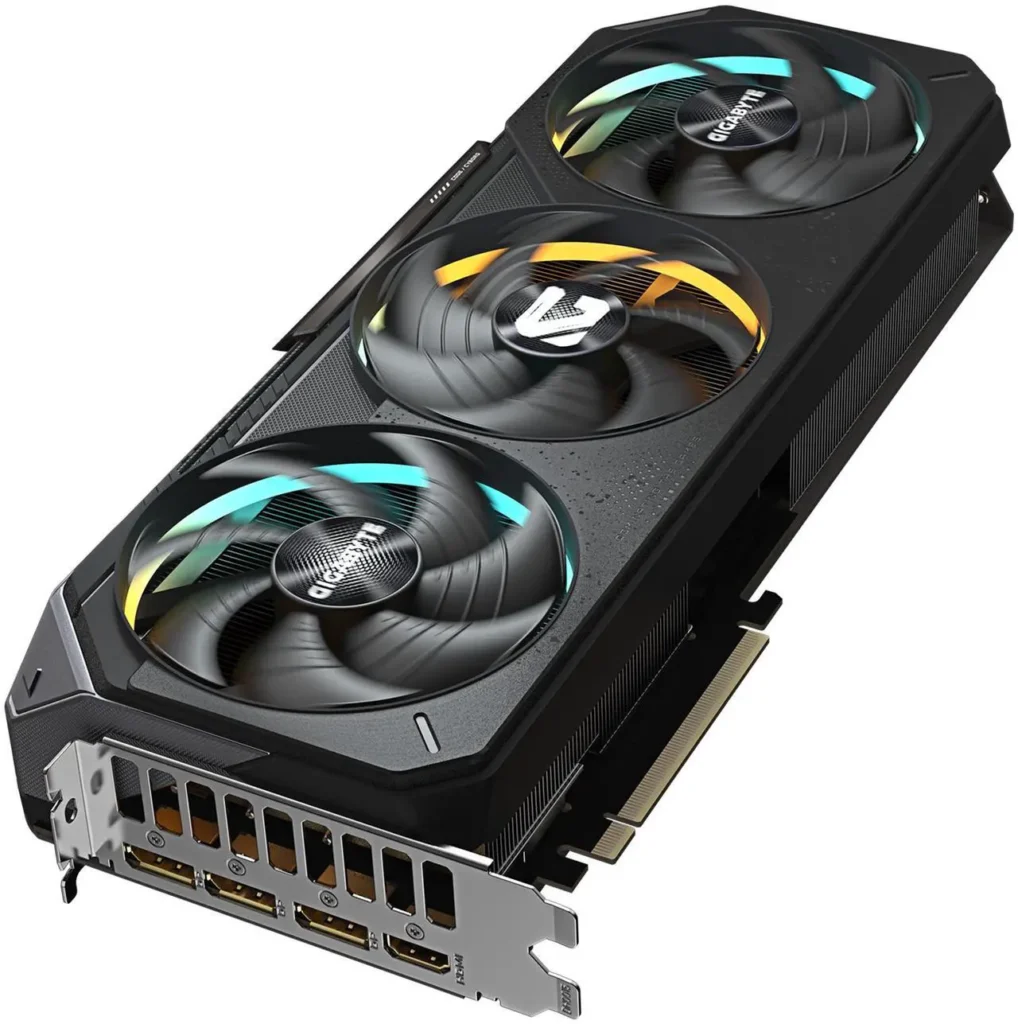
If you’re buying in the RTX 5080 tier: The current RTX 5080 at 16GB is an excellent card. The Super at 24GB provides future-proofing headroom but the current card handles every game in 2026 without VRAM pressure. Waiting makes sense only if you’re not in a rush and the current price feels hard to justify knowing 24GB is coming.
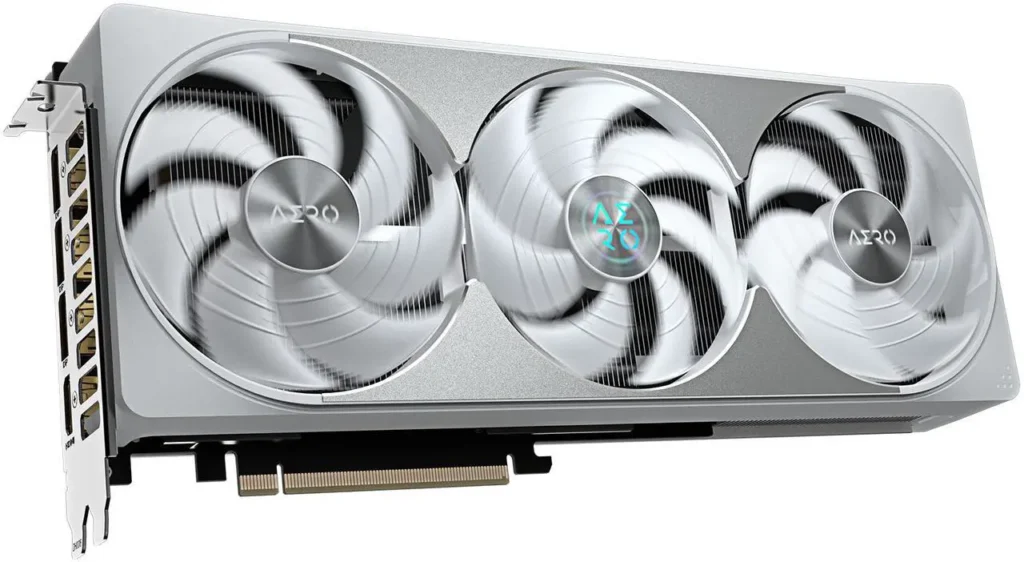
If you’re building a budget system and planned to wait: Don’t. The RTX 50 Super cards will not be budget options. They’ll be priced above their non-Super equivalents on a market that’s already elevated by the DRAM crisis. A rumoured CES 2027 announcement does not mean January shelf stock at accessible prices.
The Pricing Problem Nobody Is Talking About
Nvidia has not commented publicly on Super pricing plans, and no outlet has published a confirmed MSRP for any Super model, which is notable given how detailed the spec leaks have become. That silence is probably intentional. The 3GB GDDR7 chips cost more than the 2GB chips in current cards. The RTX 50 series is already selling above its launch MSRP due to memory shortages. A Super refresh built on even more expensive memory, launched into a market where AMD just confirmed a 10% Radeon price hike and Nvidia is reportedly preparing a third round of increases, is not going to be cheaper than the current cards.
The pattern from previous Super generations, RTX 20 Super, RTX 30 Super, RTX 40 Super, was more performance for similar or marginally higher prices. The 2026-2027 market environment doesn’t support that pattern. Expect RTX 50 Super MSRPs to be meaningfully higher than the current RTX 50 base cards, not similar.
What This Means Right Now
There are no new GPUs from either Nvidia or AMD arriving in 2026. The cards on shelves today are the cards you’re choosing between for the next six months minimum.
Knowing the Super lineup is coming to CES 2027 is useful for one specific decision: if you’re on capable hardware that handles your current games adequately and can genuinely wait six months, holding off to see the Super announcement and its pricing makes sense. You’ll have concrete numbers rather than rumours, you’ll know what the performance uplift looks like, and you can decide whether the premium is worth it at that point.
If you need a GPU today, buy the best option available at current prices. The RTX 50 Super’s existence doesn’t change what the RX 9070 or RTX 5070 delivers right now.