SpecClear earns a commission if you buy through Newegg links on this page, at no extra cost to you.
Updated October 2026. The RAM crunch is still bleeding into GPU street prices, so MSRP means almost nothing. Cards that launched near $349 to $429 are often hundreds above that, and midrange Nvidia SKUs have moved especially hard.
Every recommendation here is based on what you’ll actually pay right now, not what a press release said the card should cost.
Prices are Newegg prices as of October 19, 2026. These numbers move, so check before buying.
The GPU Market Right Now: What You Need to Know First
Three things are true about the current GPU market that affect every buying decision.
First, VRAM matters more than ever. Demanding games shipping in 2026 regularly use 10 to 12GB of VRAM at 1440p high settings. 8GB cards are already under real pressure, with stuttering in demanding titles today rather than at some point in the future. Buy at least 12GB. 16GB is the comfortable minimum for anything you want to last three years.
Second, the RTX 5060 Ti 16GB is marked up much harder than the RTX 5070. That creates an odd price ladder: the RTX 5060 Ti 16GB at about $800 versus the RTX 5070 at about $860 is only a $60 gap, and it buys roughly 30% more performance. At that math, stepping up makes sense if the budget allows.
Third, AMD’s RDNA 4 cards offer more VRAM per dollar than Nvidia across the lineup. The RX 9060 XT 16GB at about $520 and the RX 9070 XT at about $900 both carry 16GB. The RTX 5070 runs 12GB and costs only about $40 less than the RX 9070 XT. VRAM headroom increasingly matters, and AMD is winning that comparison at every tier.
Under $400: Intel Arc B570 10GB (about $290)
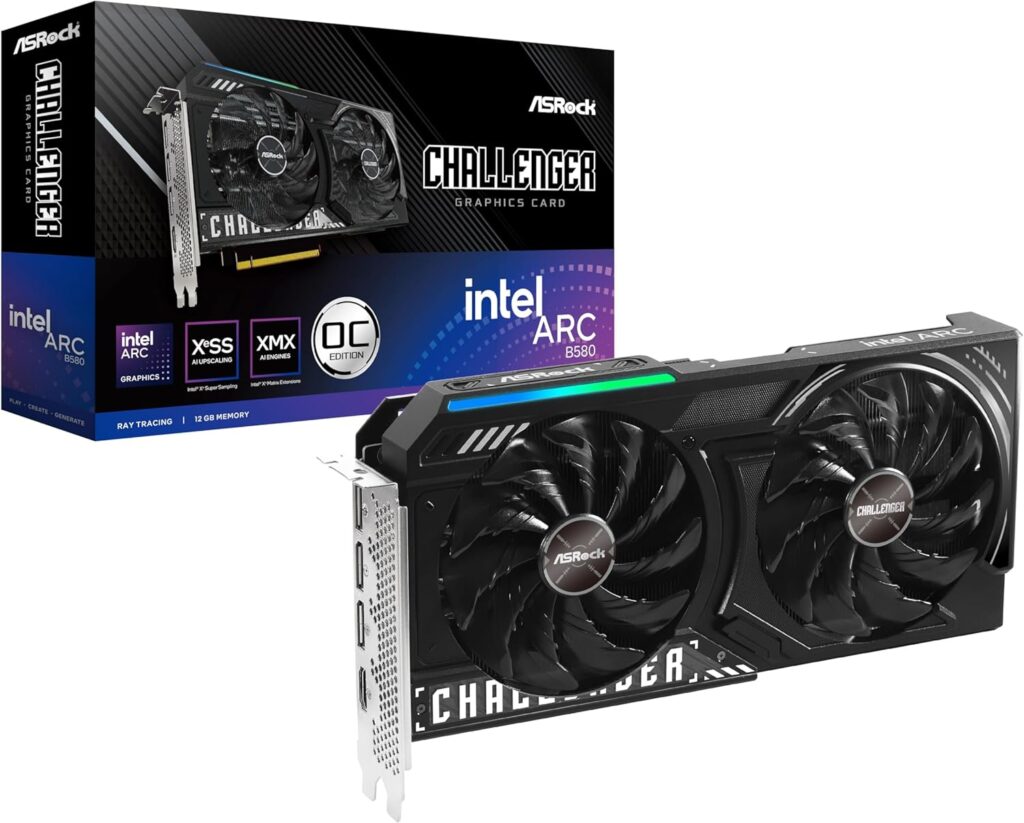
Don’t sleep on Intel. The Arc B580 12GB used to be the pick here at about $330, but Newegg has no new B580 in stock at that price right now. The only new listing is a marketplace seller asking about $590, which makes no sense. The pick is now the ASRock Challenger Arc B570 10GB, about $290 and sold by Newegg. It’s roughly 10 to 15% slower than the B580 at 1080p in most reviews, but it still handles 1080p gaming competently, and the gap to the RX 9060 XT is substantial: about $290 versus about $520.
The honest caveat: Intel’s driver situation is meaningfully improved from its first-generation Arc problems but not completely solved. Older DirectX 9 and 11 titles can still have compatibility issues. If your library is modern titles on Windows 11, you’ll probably be fine. If you have a large library of older games, don’t take the risk.
For a tight budget build where 1080p is the target, the B570 is the card to buy at this price. Nothing else new near $300 offers 10GB of VRAM. If the B580 comes back in stock near $330, it’s worth the extra $40. The RTX 5060 8GB is about $470, which is over this budget and stuck at 8GB.
Around $520: RX 9060 XT 16GB (about $520)
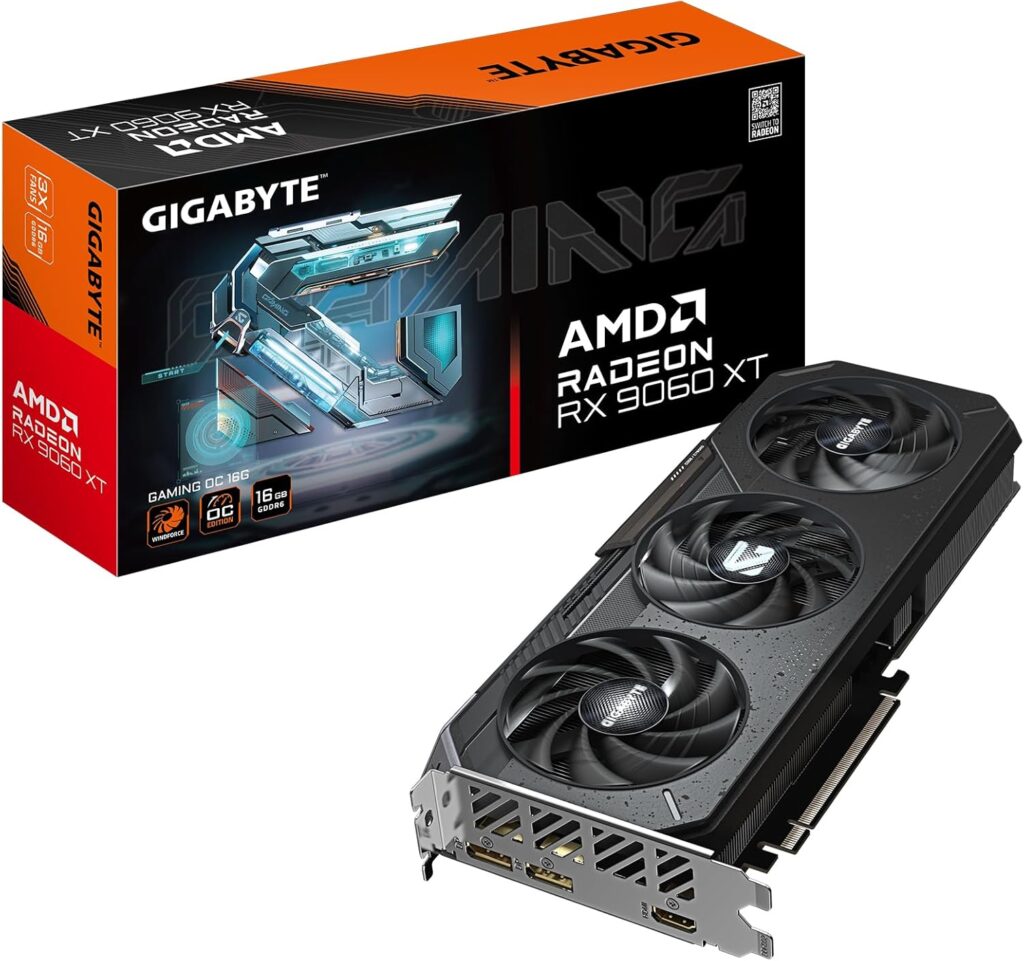
The RX 9060 XT 16GB launched at $349. It now starts at about $520 on Newegg. That price increase is frustrating. The card is still worth buying. One option is the Sapphire Pulse RX 9060 XT 16GB, sold by Newegg.
16GB of GDDR6, RDNA 4 architecture, FSR 4.1 support. At 1080p it runs well past 60fps at high settings in nearly everything, and well over 100fps in lighter games. At 1440p it handles everything mainstream at high settings. It won’t do 4K without leaning hard on FSR, but 4K isn’t what this card is for.
At about $520 it’s less of a bargain than it was at $349, but there’s nothing better at this price point on either side of the AMD and Nvidia divide.
Don’t buy the 8GB version. It starts at about $460 on Newegg from a marketplace seller, and the roughly $60 difference for 16GB is worth every dollar. The 8GB variant will hit a VRAM ceiling in demanding 2026 titles. The 16GB won’t.
The RTX 5060 Ti 16GB at about $800 is the direct Nvidia competitor. It has DLSS 4 with Multi Frame Generation, which the RX 9060 XT 16GB can’t match for sheer frame numbers. It’s also faster in ray-traced workloads and has a better encoder for streaming. Even so, it only makes sense if you must have DLSS or that encoder and can stomach about $800, and at that point the RTX 5070 is only about $60 more. If you want more raw raster performance per dollar, the RX 9060 XT 16GB is the better call.
Around $580: AMD RX 9070 GRE 12GB (about $580)
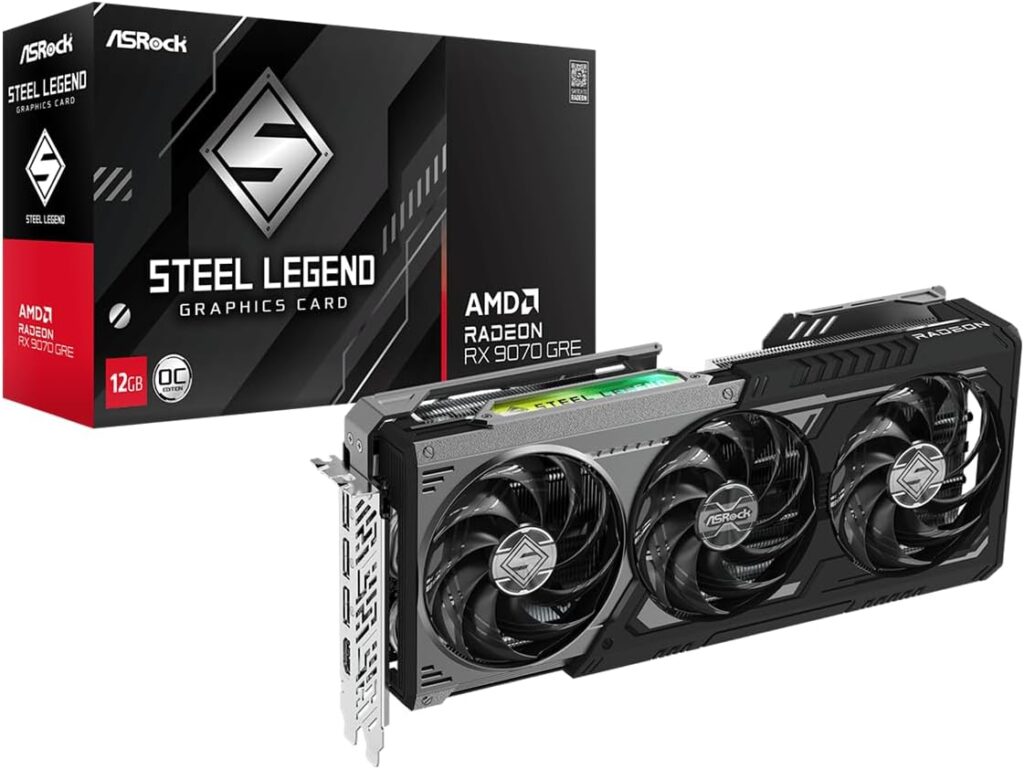
The RX 9070 GRE launched in China first and reached other markets later. The ASUS Prime RX 9070 GRE is about $580 and sold by Newegg, which makes it one of the few cards here that hasn’t drifted far from its launch pricing.
It’s fast at 1440p raster, roughly 15 to 20% ahead of the RTX 5060 Ti 16GB in most reviews, for about $220 less. FSR 4.1 is supported.
The question is what’s above it. The standard RX 9070 16GB now costs about $900, the same as the faster RX 9070 XT. So the real step up from the GRE is the XT: about $320 more for 4GB of additional VRAM, a wider memory bus, and better performance at 4K and in ray-traced workloads. The GRE’s 12GB ceiling is already a concern in the current market. Read our full RX 9070 GRE review for the complete picture. The short version: at about $580 for 1440p without heavy ray tracing, it’s a solid buy. If it drifts well above $600, skip it and save toward a 16GB card.
Around $860 to $900: RTX 5070 12GB or RX 9070 16GB
This used to be the most interesting decision in the GPU market. As of October 19, 2026 it’s much simpler, because the RX 9070 has climbed to the same price as the RX 9070 XT.
RX 9070 16GB: about $900 (skip it at this price)
16GB of GDDR6, RDNA 4, 56 compute units. It’s faster than the RTX 5070 in raster performance and has more VRAM, and at about $700 it was the value pick here. Now the cheapest new one on Newegg is about $900 from a marketplace seller, and Newegg’s own listing is about $950. The RX 9070 XT, with 64 compute units, is about $900 sold by Newegg, so there’s no reason to buy the non-XT card right now.
The software caveat is real: AMD’s FSR 4 game compatibility list is growing but doesn’t match Nvidia’s DLSS 4 ecosystem. If you play titles that specifically benefit from DLSS MFG and that list includes your favourite games, the Nvidia stack matters.
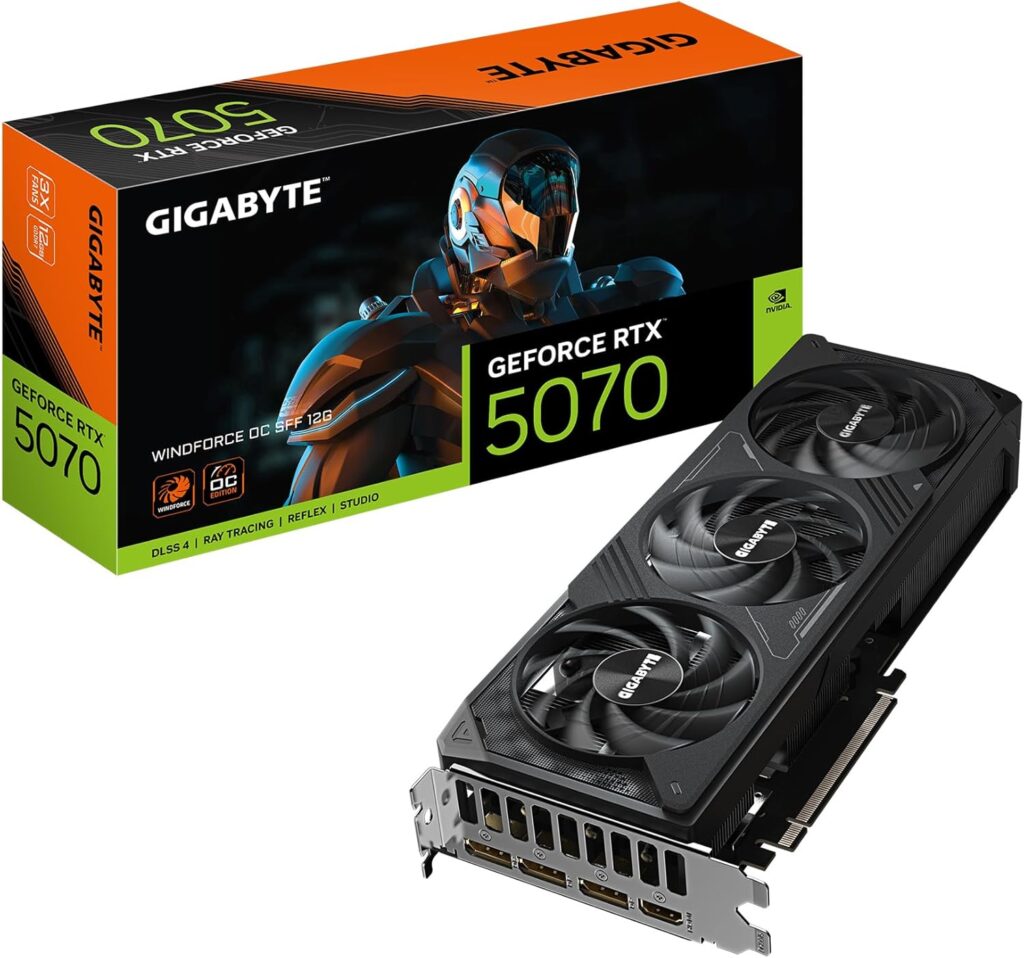
RTX 5070 12GB: about $860
Roughly 30% faster than the RTX 5060 Ti 16GB, with DLSS 4.5 and Multi Frame Generation. You get the full Nvidia software stack and the best AI-assisted upscaling available right now. The Gigabyte Eagle OC RTX 5070 is about $860, sold by Newegg.
The VRAM situation is the counterintuitive problem. The RTX 5070 carries 12GB. The AMD cards it competes with carry 16GB. For pure gaming in 2026, 12GB is sufficient in most titles at 1440p. For anything involving content creation, AI tasks, or 4K with high texture settings, 16GB matters. The RX 9070 XT at about $900 has 16GB and outperforms the RTX 5070 for only about $40 more.
The honest call: If you primarily game at 1440p and you want the best software stack, buy the RTX 5070. If you want more VRAM and stronger raster performance, spend the extra $40 or so on the RX 9070 XT. Skip the RX 9070 unless it drops well below the XT again. The decision is software ecosystem versus VRAM headroom.
Around $900: RX 9070 XT 16GB (about $900)
The RX 9070 XT is AMD’s strongest card at around $900 and one of the best value-per-dollar GPUs available right now. 64 compute units, 16GB of GDDR6, capable at both 1440p and 4K.
On Newegg it starts at about $900 right now. One option is the Sapphire Pulse RX 9070 XT, sold by Newegg. Prices swing often, so check on the day you buy.
The RTX 5070 Ti at about $1,230 is the Nvidia alternative at this tier. It’s faster in most workloads and has the full Blackwell software stack. It’s also about $330 more expensive than a street RX 9070 XT. Unless you specifically need the Nvidia stack for workflow reasons, the price gap doesn’t justify the step up.
What to Avoid Right Now
RTX 5060 Ti 8GB: Don’t buy it. 8GB of VRAM in 2026 is already showing pressure in demanding titles. The 16GB version is about $300 more on Newegg right now (about $500 against about $800), so if you want to avoid 8GB on a budget, the RX 9060 XT 16GB at about $520 is the better buy.
RTX 5090: Pricing has gone to about $9,000 and up on Newegg, all from marketplace sellers. It’s irrelevant for gaming builds. For a look at one of these cards, see our ROG Astral RTX 5090 review.
RTX 5080: About $1,840 on Newegg from marketplace sellers, and about $1,950 sold by Newegg itself. The performance-to-price ratio makes no sense against the RX 9070 XT near $900.
Any previous generation card at inflated prices: RTX 4080 Super, RTX 4070 Super, RX 7900 XTX. These were good cards at their original prices. At current used market pricing they’re no longer competitive with what RDNA 4 and Blackwell offer at similar money.
The Quick Reference
| Budget | Best Buy | Why |
|---|---|---|
| About $290 | Intel Arc B570 10GB | Best new card under $400 while the B580 is out of stock |
| About $520 | RX 9060 XT 16GB | Best value at this tier |
| About $580 | RX 9070 GRE 12GB | Strong 1440p raster for the money |
| About $800 alt | RTX 5060 Ti 16GB | Only if DLSS MFG is mandatory |
| About $860 alt | RTX 5070 12GB | Best software stack |
| About $900 | RX 9070 XT 16GB | Best value above $800 |
| About $900 | RX 9070 16GB | Skip: the RX 9070 XT costs the same |
Prices are Newegg prices as of October 19, 2026. Check before purchasing, because they move.
SpecClear participates in affiliate programmes. When you purchase through links on this site we may earn a commission at no additional cost to you.