
The console vs PC debate has never been murkier than it is right now. Consoles aren’t cheap anymore. The Xbox Series X hits $799.99 from August 1. The PS5 Pro is $899. The Nintendo Switch 2 launched at $449. And in the PC world, RAM prices have tripled in twelve months, making self-builds more expensive than anyone planned for.
The honest answer to “should I buy a console or build a PC in 2026” is this: it depends on exactly one thing: how long you’re planning to use it.
Short term, consoles win on price. Long term, PC wins on everything else. The breakeven point sits somewhere between two and three years depending on how many games you buy, whether you use a subscription, and what resolution you’re targeting.
Here’s the full picture.
Console vs PC Gaming in 2026: What Everything Actually Costs
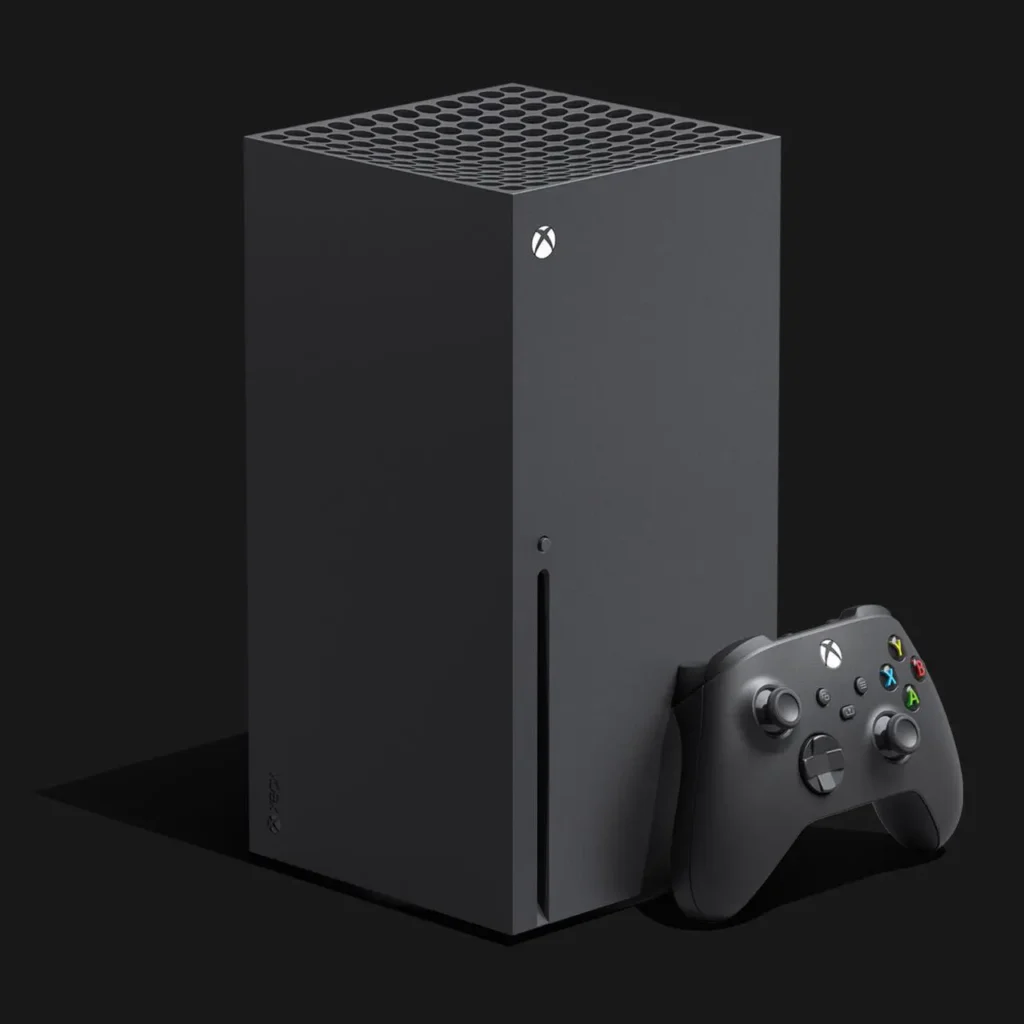
Let’s start with what’s on the shelf right now.
The Xbox Series X (disc drive, 1TB) is $649.99 until July 31, 2026, rising to $799.99 from August 1. The Xbox Series S 512GB rises from $299.99 to $499.99 on the same date. If you’re considering an Xbox, buying before August 1 saves you $100–$150.
The PS5 Pro is $699, rising to $750 after Sony’s April 2026 increase. The standard PS5 sits at $649 for the disc model.
The Nintendo Switch 2 launched at $449.99. It’s the cheapest entry into current-generation gaming, but its performance ceiling is the lowest of the three platforms.
The Steam Machine Valve’s Linux-based PC-in-a-console-box launched June 30, 2026 at $1,049 for the 512GB model. It occupies a separate category we’ll cover separately.
None of these prices include a display If you don’t own a TV or monitor, add that cost to whichever platform you choose.
The Current PC Build Prices: What Self-Building Actually Costs
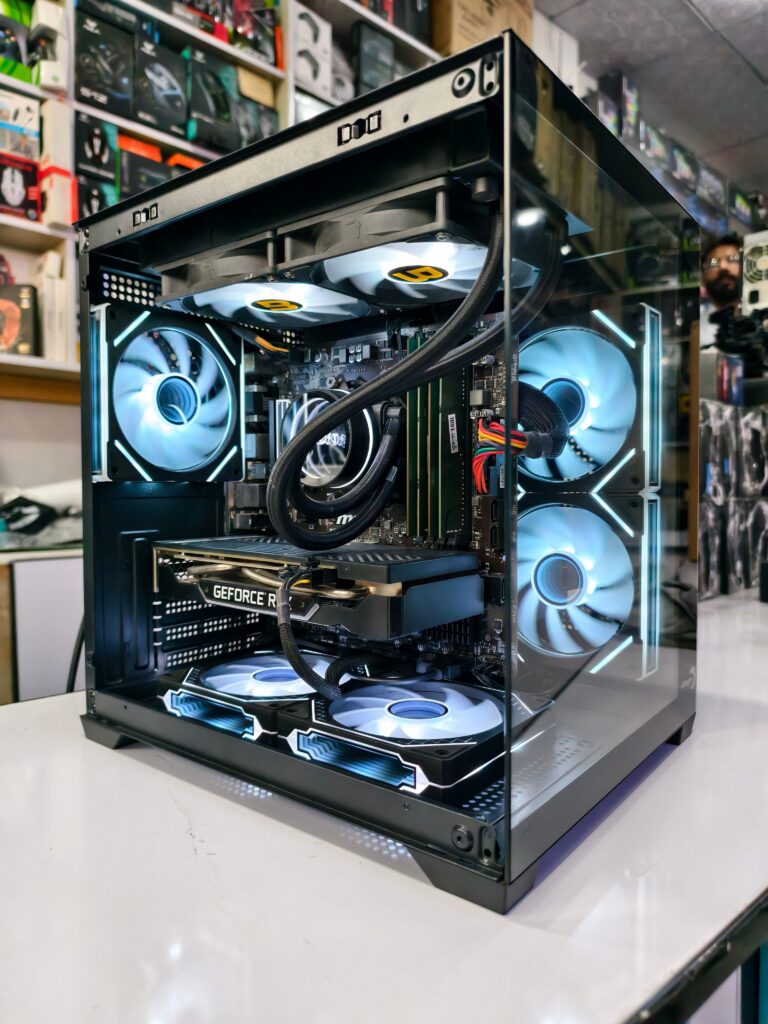
This is where the comparison gets complicated in 2026. The RAM shortage has hit DIY PC builders harder than anyone else. A complete PC gaming setup including components, monitor, and Windows runs $1,000–$1,200 for a capable entry-level machine in 2026.
Breaking that down honestly at current prices:
The 1080p build (~$800 in components only): Ryzen 5 7600X, RTX 5060 Ti 16GB, 16GB DDR5-6000, 1TB NVMe SSD, budget case, PSU, Windows. No monitor included. This handles 1080p gaming at high settings and 1440p with upscaling.
The 1440p sweet spot (~$1,200 in components): Ryzen 5 9600X or 7600X, RX 9070 16GB or RTX 5070 12GB, 32GB DDR5-6000, 1TB NVMe, mid-range case, 650W PSU, Windows. This is the build that justifies choosing PC over console proper 1440p at high settings with future headroom.
The console-beating build (~$1,500): Ryzen 7 9800X3D, RX 9070 XT or RTX 5070 Ti, 32GB DDR5, 2TB SSD. No compromises at 1440p, capable at 4K.
None of those include a monitor a decent 1440p 144Hz gaming monitor adds $200–300. At the $1,200 component build plus a monitor, you’re looking at $1,400–$1,500 all-in for a capable 1440p PC gaming setup.
Compare that to $649 for a PS5 and a TV you already own, and the upfront gap is real. But read the next section before you make the decision purely on that number.
The Subscription Cost Nobody Factors In
This is the number that changes the entire comparison and most people don’t include it.
PlayStation requires PS Plus Essential at roughly $79.99 per year for online multiplayer. Xbox requires Game Pass or Xbox Live bundled subscriptions. Over a five-year ownership window, that’s $400+ in subscription costs on top of the console price and game purchases. PC doesn’t charge you to play most online games.
Game Pass Ultimate is $22.99 per month $275.88 per year, Over three years that’s $720 in subscription costs on top of hardware. The value proposition of Game Pass is real day-one access to every Microsoft first-party title is genuinely good for people who play a lot of varied games. But it’s not free money. It’s a recurring cost that compounds.
PC gaming through Steam has no mandatory multiplayer subscription. A handful of MMOs charge monthly fees but that’s a genre choice, not a platform tax. The overwhelming majority of PC games including every online shooter, battle royale, and competitive title require no ongoing subscription to play.
AAA titles on PC often drop to $20–30 within a few months, while games for consoles usually hang around $50–60 for much longer. Steam sales, Humble Bundle, Epic Games Store weekly freebies the game cost difference over three years of moderate gaming is measurable and consistently favours PC.
Run the actual five-year maths for a moderate gamer buying 8–10 games per year:
| Platform | Hardware | Subscriptions (5yr) | Games (5yr, est.) | Total |
|---|---|---|---|---|
| Xbox Series X (Aug 2026) | $679 | $1,200 (Game Pass) | $600 (day-one incl.) | ~$2,479 |
| PS5 Pro | $999 | $400 (PS Plus) | $2,000 ($70/game) | ~$3,150 |
| PC ($1,200 build) | $1,200 | $0 | $800 (Steam sales) | ~$2,000 |
These are estimates, not guarantees But the directional picture is consistent across every analysis of long-term gaming costs: PC becomes cheaper than console over a 3–5 year window for regular gamers.
Where Consoles Win — Honestly
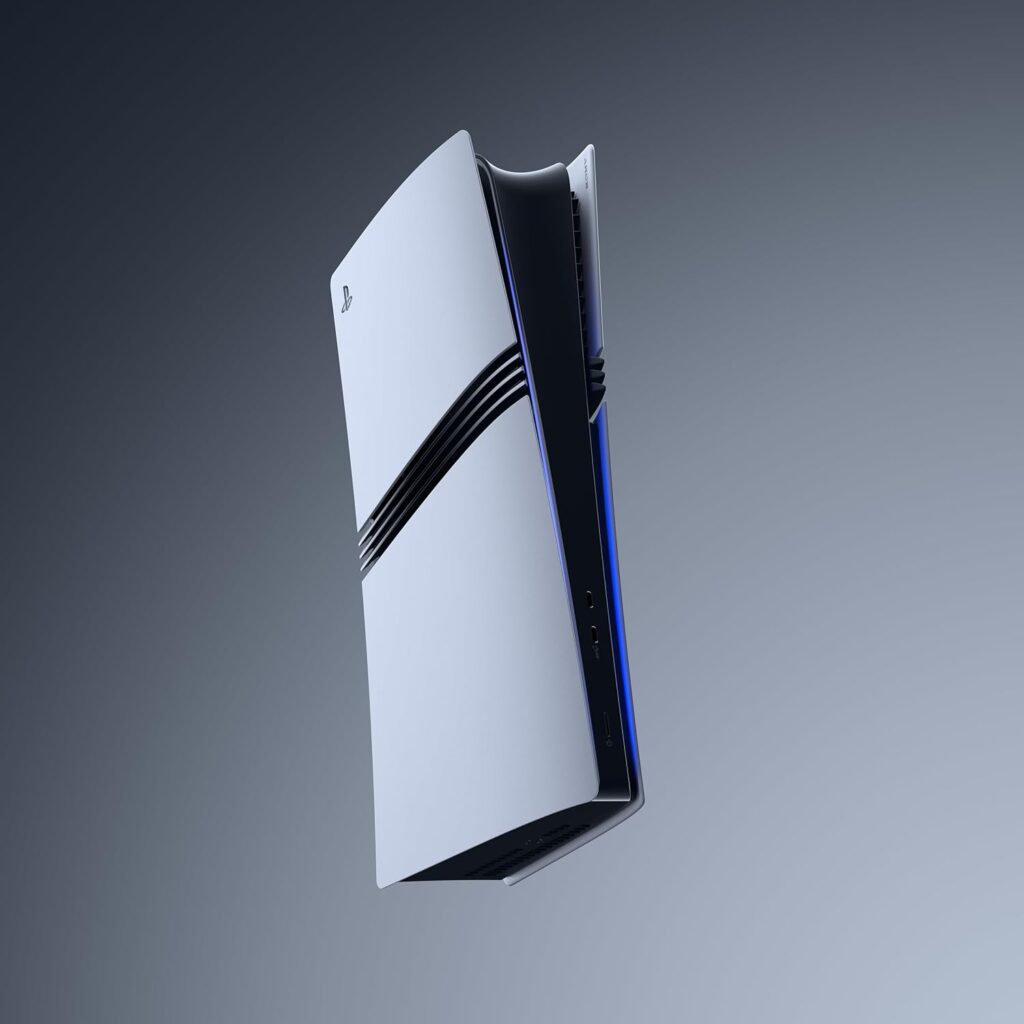
The console argument isn’t just about price there are real advantages that PC doesn’t replicate cleanly.
Setup simplicity. Consoles avoid bottleneck issues entirely because their hardware is pre-balanced. Every PS5 and Xbox Series X has the same CPU, GPU, and RAM configuration. Developers optimize specifically for that configuration. You don’t accidentally pair a strong GPU with a weak CPU. You don’t troubleshoot driver issues. You plug it in and it works.
Console exclusives. PlayStation exclusives in particular remain one of the most compelling reasons to own a console. God of War, Spider-Man, Returnal Sony’s first-party output is consistently excellent and arrives exclusively on PlayStation first. Some eventually come to PC, but often 1–2 years later. Nintendo exclusives are even more locked down most never arrive on PC at all. If specific franchises drive your gaming decisions, this matters. GTA 6 is the clearest example this year: it launches on PS5 and Xbox Series X/S on November 19, 2026, and our GTA 6 PC article covers what is actually known about a PC release.
The couch experience. Consoles are designed from the ground up for TV gaming with a controller. The interface is polished, Quick Resume works properly, HDMI CEC integration is seamless. A gaming PC connected to a TV works well with Steam’s Big Picture mode but the experience requires more setup and has more friction.
No assembly. Building a PC requires time, research, confidence with hardware, and tolerance for the occasional troubleshooting session. If none of those things interest you, the console’s appeal is legitimate.
Where PC Wins — Honestly
Performance ceiling. A well-built mid-range gaming PC running an RTX 5070 or equivalent hits framerates that current-gen consoles simply can’t match. The PS5 and Xbox Series X launched in 2020. As of 2026, they’re six years into their hardware lifecycle. A $1,200 PC build outperforms both in raw frame rate and graphical fidelity at 1440p. No contest.
Upgradability. PC components are individually upgradeable swap the GPU in two years without replacing the entire system. Console buyers are locked into the hardware cycle until the next generation. Your $1,200 PC build today becomes a $1,500 machine in two years when you drop in a better GPU. Your Xbox Series X in two years is still an Xbox Series X.
Library ownership. Console gamers’ digital libraries are inextricably linked to their specific hardware. Switch to a different platform and you lose access to everything you bought. A Steam library is yours permanently, plays on any PC you own or build, and via Proton even runs on Linux-based systems like the Steam Machine.
Versatility. A gaming PC is also a work machine, a content creation tool, a video editing station, a music production environment. The console does one thing. A PC does everything.
The Steam Machine: The Middle Ground Option
The Steam Machine is more costly than a comparably powerful console, but less costly than a comparably powerful Windows PC and will almost always be a smarter long-term choice.
At $1,049 it’s priced above a PS5 but below a capable 1440p self-build. It runs SteamOS, fits in a living room, and gives you access to your entire Steam library on a TV. It’s the best answer for someone who already has a large Steam library and wants a couch gaming experience without the friction of connecting a full PC to a TV.
The anti-cheat compatibility limitation is real kernel-level anti-cheat games don’t run on SteamOS. Check your library before buying. For our full breakdown, read the Steam Machine vs PC Build article.
The Verdict: Buy for Your Timeline
Here’s the decision framework, straight:
Buy a console if: Your budget is under $800 all-in right now You primarily play console exclusives. You want something that works immediately without building or troubleshooting. You’re on Xbox and Game Pass represents genuine value for how you play. You game from a TV on a couch and don’t want to configure a PC for it.
Build a PC if: You’re planning to game for 3+ years and want to minimise total long-term spend. You game at a desk. Your existing library is on Steam. You care about 1440p+ performance at high framerates. You want a machine that’s also a work tool. You plan to upgrade components over time rather than buying a new console generation.
Consider the Steam Machine if: You already have a large Steam library. You want couch gaming without friction. Anti-cheat compatibility doesn’t affect your specific game library. You want something between a console and a full PC build.
The Xbox Series X at $679 from August isn’t bad hardware it’s good hardware at a price that no longer makes sense compared to the PC alternatives at the same budget. The PS5 Pro at $999 is better value than the Xbox at that price tier if a PlayStation exclusive library drives your decision. And a $1,200 PC build beats both on performance, library ownership, and five-year total cost for anyone prepared to put it together.
SpecClear participates in affiliate programmes. When you purchase through links on this site we may earn a commission at no additional cost to you.