
Counterfeit DDR5 RAM is real, but prices have made counterfeiting profitable in a way it never was before. When a genuine 32GB kit costs ~$420–520 instead of the ~$80–120 kits from a year earlier, faking one becomes worth the effort. That math has played out exactly as you’d expect: counterfeit DDR5 has gone from crude plastic fakes that anyone could spot to forged modules using PCBs and heatsinks identical to the real thing.
This isn’t a theoretical risk. It’s already cost real buyers real money in 2026, and the fakes are getting harder to catch with every passing month.
How Bad Is the Counterfeit DDR5 Problem, Actually
Three distinct counterfeit operations have surfaced this year, each more sophisticated than the last.
The earliest reports, from May, showed fake DDR5 SODIMM modules the laptop variant built from hollow plastic or fiberglass with fake SK Hynix part numbers printed directly onto the surface. Cut one open and there’s no DRAM chip inside at all. Just plastic shaped to look like one. These were crude enough that a careful buyer could spot rounded edges, mismatched PMIC shapes, or board colour that didn’t quite match genuine modules. They were being sold on marketplaces like Mercari and Yahoo Auctions, often labelled as “untested” or “for parts” to dodge liability while still getting bought by people hoping for a working stick.
By June, the problem escalated. Representatives from G.Skill and V-Color confirmed at Computex 2026 that counterfeit modules carrying their actual brand names had appeared on Chinese marketplaces and this time the fakes use PCBs and heatsinks that are visually identical to the originals. V-Color told Tom’s Hardware the counterfeits are common enough to be affecting sales to certain clients. The company hasn’t physically inspected a counterfeit unit yet, so it can’t confirm what’s actually inside whether it’s genuine but mismatched chips, lower-grade silicon, or something else entirely.
Then there’s the scam that doesn’t even require sophisticated fakery. In one documented case, a buyer purchased what looked like a sealed, factory-wrapped Corsair Vengeance DDR5 kit. Under the heatsink: DDR4 modules. In another, a sealed XPG Caster DDR5-6000 kit from Amazon turned out to contain two old DDR or DDR2 sticks with a sticker designed to resemble a DDR5 label, plus a metal plate added specifically to fake the expected weight of a real kit. The packaging was untouched. The shrink wrap was intact. This is resealing fraud, not chip-level counterfeiting, and it’s arguably more dangerous because it requires zero technical sophistication to pull off at scale.
Why Desktop RAM Is Especially Vulnerable
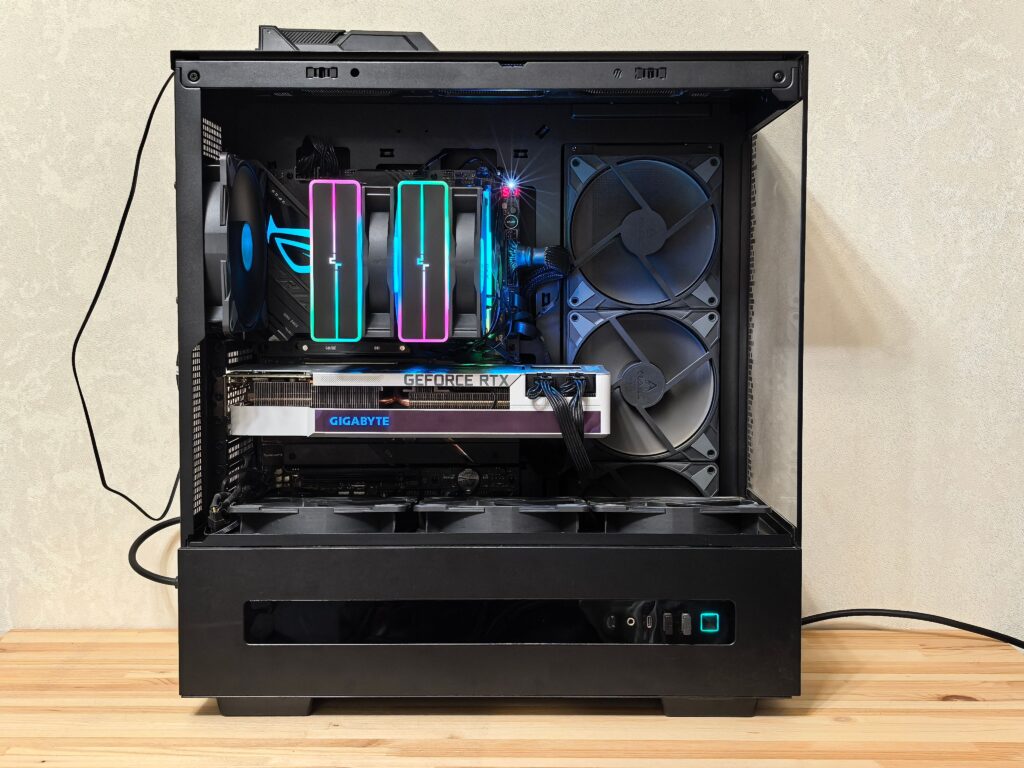
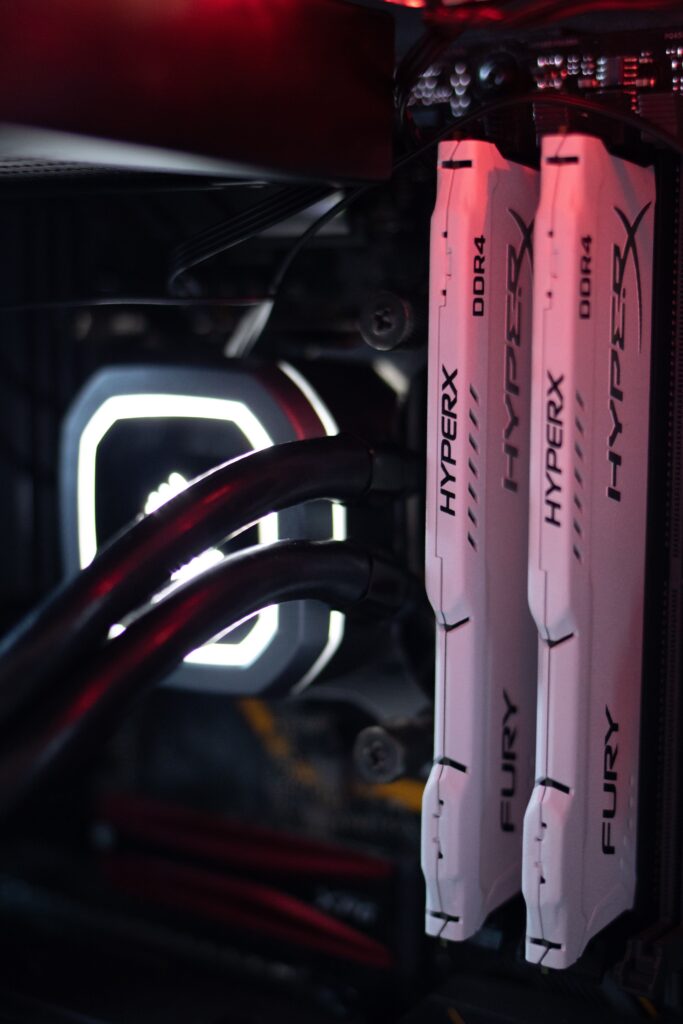
Here’s the detail that makes this genuinely concerning rather than just an inconvenience. Laptop SODIMM modules ship without heatsinks, which means a careful buyer can visually inspect the actual chips before installing. Desktop DDR5 the kind going into every gaming build covered on this site ships under large metal heatspreaders that completely conceal the chips underneath.
There is no way to visually verify what’s inside a desktop DDR5 module without removing the heatsink, which voids any warranty and usually damages the module in the process. For desktop RAM, you are functionally blind to what you’re actually buying until the system either boots correctly or doesn’t.
That’s not a small caveat. It’s the entire reason this scam works on desktop builders specifically.
How to Protect Yourself

There’s no single check that catches every variant of this fraud. Layer these together instead.
Buy from authorized retailers only. Newegg, Amazon (direct, not third-party marketplace sellers), B&H Photo, and manufacturer direct stores. G.Skill’s own representatives told Tom’s Hardware this is the single most effective protection: buy high-end DIMMs from official partners and resellers, full stop. The further a listing is from an authorized channel, the higher the risk and Chinese marketplaces and second-hand platforms are where every documented case so far has originated.
Be suspicious of prices that are meaningfully below the current market. In a market where 32GB DDR5 routinely costs $300-375, a listing at $150 isn’t a deal. It’s a red flag. Counterfeiters compete on price because that’s the only lever they have they can copy a PCB, but they can’t replicate a legitimate supply chain. If a price looks too good given everything covered in our RAM Prices 2026 article, treat it as a warning rather than a win.
Check the notch position and physical details before installing. DDR5 modules have a specific notch position that differs from DDR4. If a “DDR5” kit has a notch in the wrong place, or doesn’t physically match standard DDR5 dimensions, that’s an immediate giveaway and it’s exactly what caught the fake Corsair Vengeance kit in the documented case above.
Verify in software the moment the system boots. Don’t trust the box. Open CPU-Z or HWiNFO and check the SPD tab. Confirm the actual capacity, speed, and part number match what you paid for. A genuine DDR5-6000 kit that boots and reports as DDR5-4800, or a “32GB” kit that reports as 16GB, has just told you everything you need to know. Do this before you’ve built the rest of the system around it catching a fake on day one is a return. Catching it after three weeks of use is a fight with a retailer.
Keep the receipt and don’t open sealed kits unnecessarily. If something feels off wrong weight, wrong box texture, mismatched printing quality and you haven’t yet broken the seal, that’s leverage for a straightforward return rather than a dispute. The buyer in the documented XPG case caught the fake specifically because he opened a kit during a build and found old DDR2 sticks; the other three kits in the same order may well have shipped to other unsuspecting buyers undetected.
Treat anything from second-hand marketplaces or unverified sellers as high risk. Mercari, Yahoo Auctions, and similar platforms are where the crude plastic-chip fakes have concentrated. If you’re buying used RAM to save money in this market, understand you’re accepting meaningfully more risk than buying new from an authorized retailer.
What to Do If You Suspect Fake RAM
Stop. Don’t keep troubleshooting a system that won’t boot or crashes randomly hoping it’s a settings issue verify the RAM first. Pull the modules, check them in CPU-Z or HWiNFO in another known-working system if you have access to one, and compare the reported specs against what you paid for.
If anything doesn’t match capacity, speed, manufacturer, part number contact the retailer immediately and request a return or replacement, not a repair. Counterfeit RAM isn’t a defective product issue. It’s the wrong product entirely, and most authorized retailers will process that as a straightforward return if you act before any extended return window closes.
The Bottom Line
The RAM shortage created the price gap that makes counterfeiting profitable. Until DDR5 pricing normalises and that’s not expected before 2027 at the earliest this problem isn’t going away, and the fakes will likely keep getting more convincing rather than less.
The single highest-value habit: buy from authorized retailers, verify what arrives in CPU-Z before you build around it, and treat unusually low prices as a warning sign rather than good luck. None of that eliminates the risk entirely. It eliminates almost all of it.
SpecClear participates in affiliate programmes. When you purchase through links on this site we may earn a commission at no additional cost to you.