

Seventeen plaintiffs filed a class action lawsuit against the world’s three largest memory manufacturers on June 25, 2026. The claim: Samsung, SK Hynix and Micron coordinated to restrict DRAM supply and used the AI-driven shift to high bandwidth memory as cover for coordinated pricing, helping drive a 700% price increase in conventional DRAM over four years.
Read that headline and you’ll feel an instinct to expect relief. Don’t. Here’s the part most coverage of this story is burying: a nearly identical case was filed against these same three companies in 2018, and it was dismissed. The Ninth Circuit upheld that dismissal in 2022. This isn’t new legal territory. It’s a second attempt at an argument that’s already failed once in the same courthouse.
That doesn’t mean the lawsuit is meaningless. It means the realistic timeline for any price relief from this case is measured in years, not weeks, and the outcome is genuinely uncertain.
The DRAM Price Fixing Lawsuit: What It Actually Claims
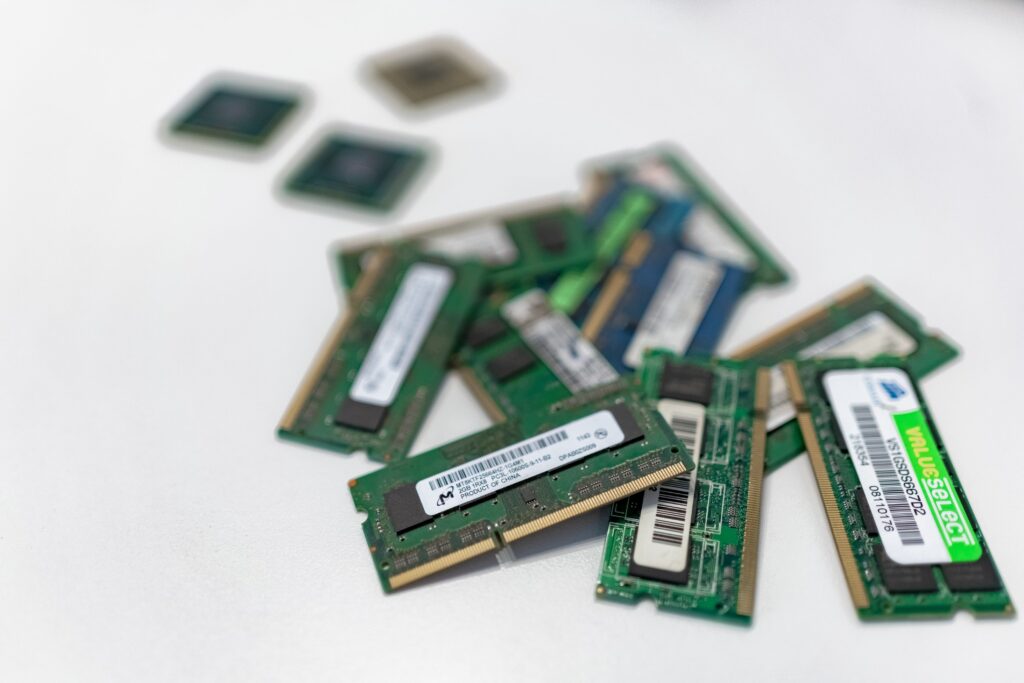
The case is Garciaguirre et al. v. Samsung Electronics Co., Ltd. et al., filed in the U.S. District Court for the Northern District of California, case number 3:26-cv-06345, assigned to Judge Noel Wise. The plaintiffs are fourteen individual consumers and three small computer businesses Troy’s Computers LLC, JB Tech Solutions LLC, and Wastenotime Developments Performance Fabrications. They’re represented by Bathaee Dunne LLP and are seeking class certification along with a jury trial.
The complaint invokes Section 1 of the Sherman Antitrust Act, the same law used in the 2005 case that actually stuck. It alleges that since 2022, Samsung, SK Hynix and Micron who together control roughly 90% of the global DRAM market “fixed supply and prices for DRAM, engaging in conduct that makes no economic sense absent collusion.” The specific argument: rather than competing for market share as conventional DRAM supply tightened, “none of the three used the others’ retreat to expand and win customers. All three pulled back together.”
The complaint argues that a coordinated pivot toward high-bandwidth memory production, paired with simultaneous exit from older DDR3 and DDR4 manufacturing, isn’t simply three companies independently chasing the more profitable AI memory market. It’s framed as a pretext for an agreement to keep conventional DRAM artificially scarce.
The remedies sought: a court order to halt the alleged coordinated supply restriction, and treble damages three times the actual financial harm, which is standard under antitrust law and the mechanism that makes these cases worth pursuing even when individual harm is modest.
This Isn’t the First Time
Here’s the detail that changes how seriously to take this story right now. A 2018 class action making nearly the same argument parallel production cuts across the same three companies was filed in the same district. The court dismissed it in 2020. The Ninth Circuit Court of Appeals upheld that dismissal in 2022.
The legal reasoning at the time: the trio’s behavior was “more likely explained by lawful, unchoreographed free-market behavior” than by an actual illegal agreement. Antitrust law under Section 1 requires proof of an actual agreement between competitors, not just parallel decision-making that happens to benefit everyone involved. Three companies independently reaching the same business conclusion isn’t illegal. Three companies agreeing in private to reach that conclusion together is.
That distinction is the entire case, both times. The 2026 complaint’s central strategy is using the HBM transition as new evidence that wasn’t available in 2018 arguing the coordinated pivot toward AI memory production is the missing piece that proves agreement rather than coincidence. Whether a federal judge agrees with that framing is genuinely unresolved, and the prior dismissal is not a good sign for the plaintiffs.
The History That Makes This Believable Anyway
The reason this lawsuit gets taken seriously despite the 2022 precedent: Samsung and SK Hynix have actually done this before, and been caught.
In 2005, Samsung pleaded guilty to a U.S. Department of Justice price-fixing case covering 1999 to 2002, paying a $300 million fine. SK Hynix then Hynix Semiconductor pleaded guilty in the same case and paid $185 million. Combined with a fine against Elpida, the total penalties reached $731 million, and multiple executives across the companies were sentenced to prison. That case also implicated Dell, Compaq, HP, Apple, IBM and Gateway as affected purchasers.
The 2026 complaint cites that history directly, arguing it establishes a pattern. Having a prior criminal conviction for the exact behavior being alleged again is a real factor a jury would weigh, even though it doesn’t prove the current allegations on its own.
What’s different this time: the companies say they’re investing in new manufacturing capacity to expand supply, not restricting it for profit. Samsung and SK Hynix have publicly warned that AI-driven memory shortages could persist until 2027 or beyond which cuts both ways. It supports the companies’ argument that this is a genuine supply-demand problem rather than manufactured scarcity. It also supports the plaintiffs’ argument that the shortage benefits the same three companies enormously regardless of intent.
What This Means for Your Next PC Build
Don’t wait for this lawsuit to fix RAM prices. It won’t, not in any timeframe relevant to a build you’re planning this year.
Antitrust litigation moves on a multi-year timeline even in successful cases. The previous DRAM price-fixing case took years from initial filing to settlement. This case, assuming it survives the early motion-to-dismiss stage that killed the 2018 version, would still need years to reach any resolution that could actually affect pricing or compel different behavior from the defendants.
Independent of the lawsuit, the market forecast hasn’t changed: Jefferies projects DRAM prices rising another 40-50% in Q3 2026 and a further 30-40% in Q4, with no meaningful relief expected before 2028. That forecast accounts for the lawsuit’s existence and doesn’t move because of it.
If you’re planning a build, the practical guidance from our RAM Prices 2026 article still holds: buy bundles where motherboard and RAM are sold together at a discount, consider starting with 16GB and upgrading later if budget is tight, and stick to DDR5-6000 CL30 as the sensible mainstream tier rather than chasing premium speeds at premium prices.
What to Watch For
The next meaningful checkpoint is whether the defendants file a motion to dismiss — almost certain given the 2022 precedent and how the court rules on it. If the case clears that hurdle, it signals the judge sees something in the HBM-transition argument that the 2018 case lacked. If it’s dismissed again, this story effectively ends, at least in its current legal form.
Either way, this is worth tracking as part of the broader RAM shortage story, not as a reason to expect prices to drop. The structural supply-demand problem AI data centers absorbing DRAM production capacity faster than fabs can expand exists independently of whether any collusion occurred, and that’s the actual driver of what you’re paying for memory right now.
SpecClear participates in affiliate programmes. When you purchase through links on this site we may earn a commission at no additional cost to you.