
Intel hasn’t won the desktop CPU gaming crown since 12th Gen. Arrow Lake didn’t get it back. Arrow Lake Refresh didn’t either. Nova Lake is the chip Intel is actually betting on , a full architectural overhaul with a new socket, a new process node, and core counts that dwarf anything in the current desktop lineup.
Updated September 11, 2026: Nova Lake desktop details remain largely unconfirmed; no official Intel desktop launch calendar locked in this piece.
Here’s where things stand right now, and what you should actually do while you wait.
The Release Date Is Not 2026
Intel’s CEO said “end of 2026” on an earnings call in January. That was the official line. What actually happened at Computex in June was different. Multiple motherboard vendors told journalists the same thing independently: announcement at CES 2027 in January, retail availability in the weeks that follow.
That makes Nova Lake a Q1 2027 product for most buyers, not a 2026 one. The flagship 52-core models with dual compute tiles are expected even later , potentially Computex 2027 territory, mid-year.
If you’re holding off a PC build waiting for Nova Lake, you’re waiting until early 2027 at the earliest. Plan accordingly.
What Nova Lake Actually Is
This isn’t a refresh. Intel is replacing everything.
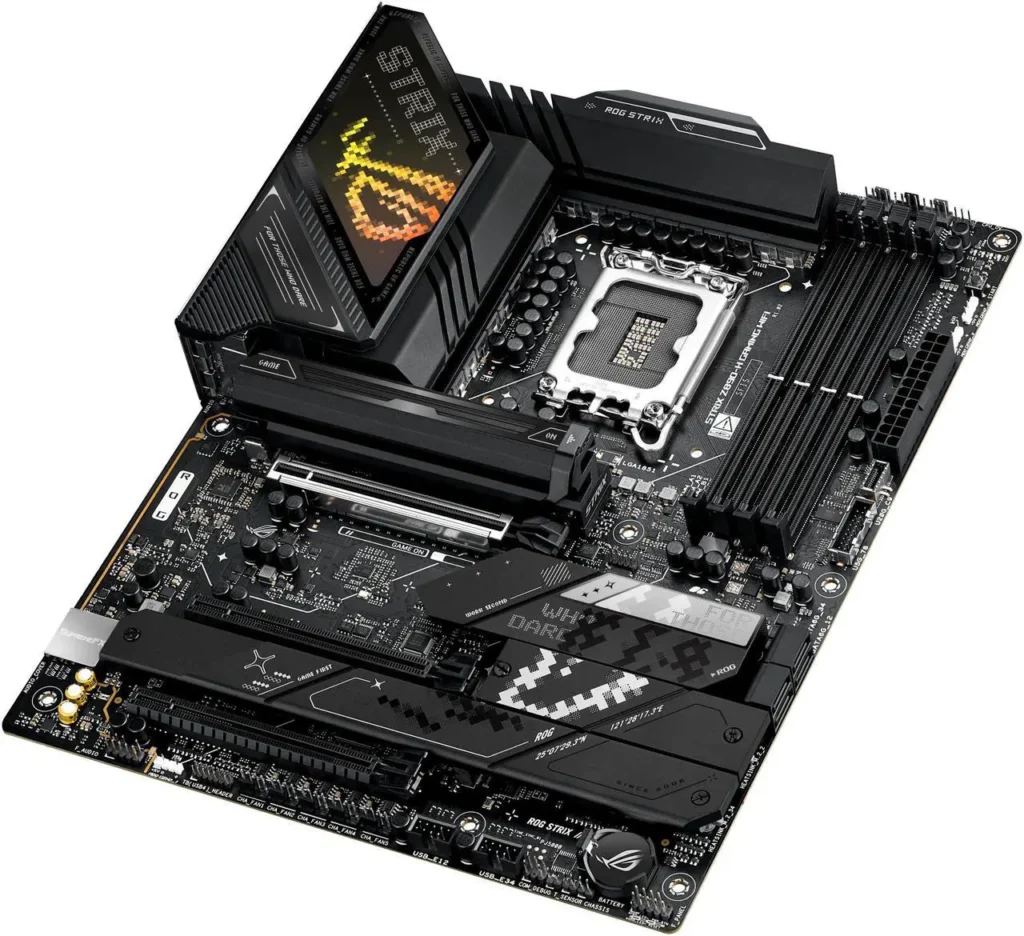
New socket: LGA1954, replacing the current LGA1851. Your existing Z790 or Z890 motherboard won’t work. You’ll need a new 900-series board , Z990 for overclocking, Z970 for mainstream, B960 for budget.
New process node: Intel 18A, the company’s most advanced fabrication technology and the first consumer chip to use it. This is the node Intel has been trying to prove works at scale. Nova Lake is the product that lives or dies on that proof.
New CPU cores: Coyote Cove P-cores replacing Lion Cove, and Arctic Wolf E-cores replacing Skymont. No HyperThreading on the P-cores , Intel is dropping it and compensating with raw core count instead.
The core count jump is substantial. Arrow Lake maxed out at 8 P-cores and 16 E-cores. Nova Lake’s mainstream 28-core models use a single compute tile. The flagship 52-core configuration uses two tiles , 16 P-cores, 32 E-cores, and 4 ultra-low-power cores on top of that.
The Cache Play: Intel’s Answer to 3D V-Cache
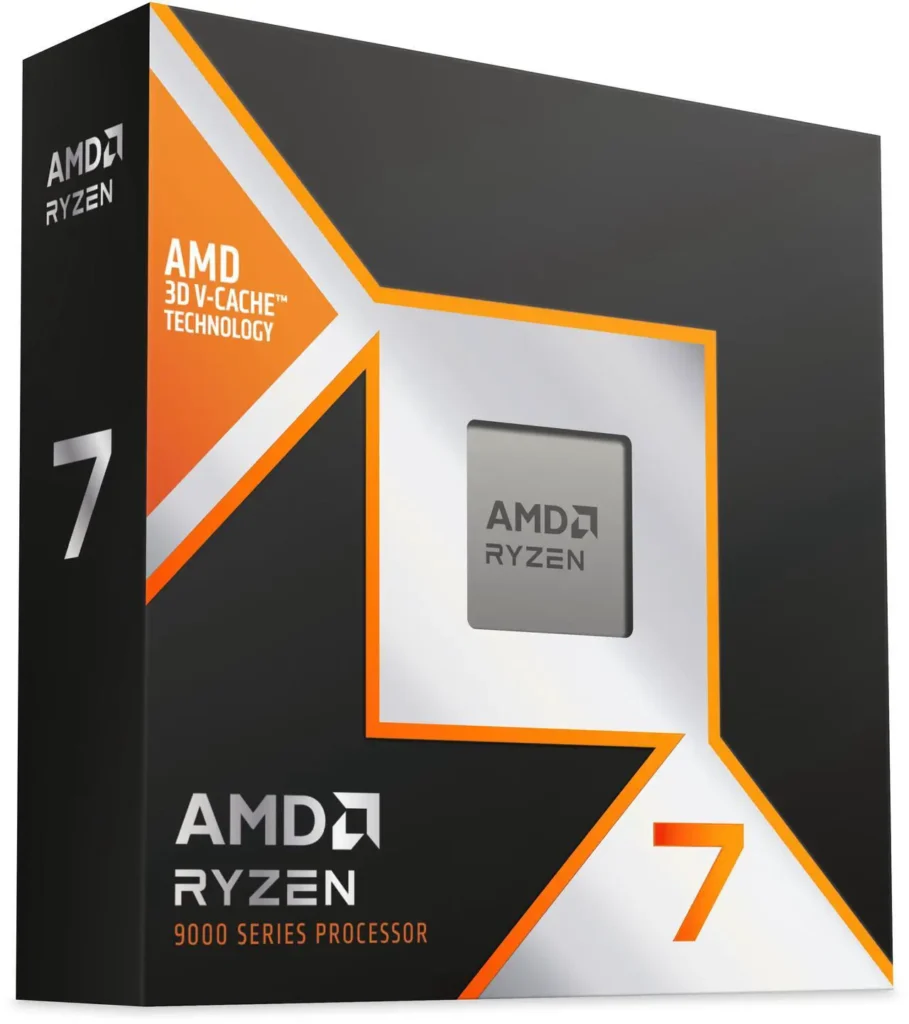
Gaming is where Intel has consistently lost to AMD’s X3D chips. The 9800X3D beats everything Intel currently sells in games. Nova Lake’s answer is BLLC , big last-level cache , on specific “DS” SKUs. Think of it as Intel’s version of 3D V-Cache: a large stacked cache designed to reduce the latency that kills gaming frame rates.
The leaks suggest single-core performance around 1.2x to 1.3x current chips, and multi-threaded performance between 1.8x and 2.0x. Those are engineering sample numbers , treat them as directional, not final. But they’re consistent across multiple independent sources.
One rumour worth flagging: Coyote Cove’s IPC is claimed to beat AMD’s upcoming Zen 6. Zen 6 is expected to have higher clock speeds. It’ll be a close fight, and the bLLC-equipped DS variants are where Intel’s gaming story lives or falls.
Power Consumption
This is the uncomfortable part. Top-end Nova Lake chips with dual compute tiles are reportedly targeting 700W to 800W under full load. That’s not a gaming load figure , that’s an all-core stress test ceiling , but it signals what kind of cooling and PSU you’d need for the flagship SKUs.
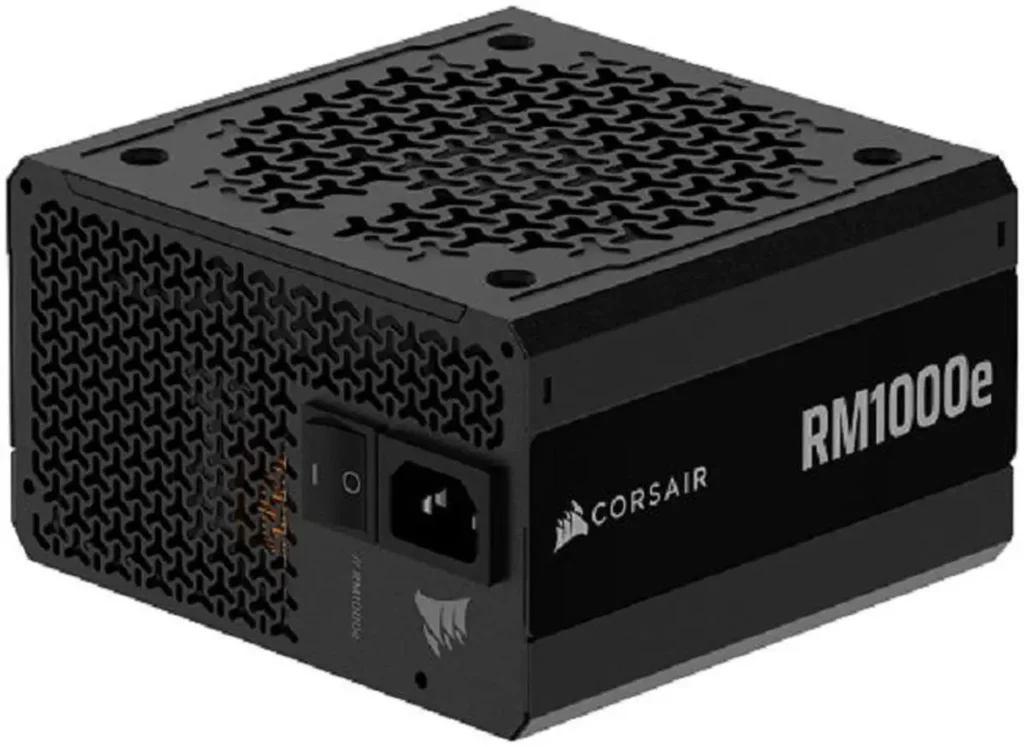
The more realistic 28-core single-tile parts should be significantly more sensible. But if you’re building around a Nova Lake flagship, a 1000W+ PSU is not overkill.
Should You Wait for It?
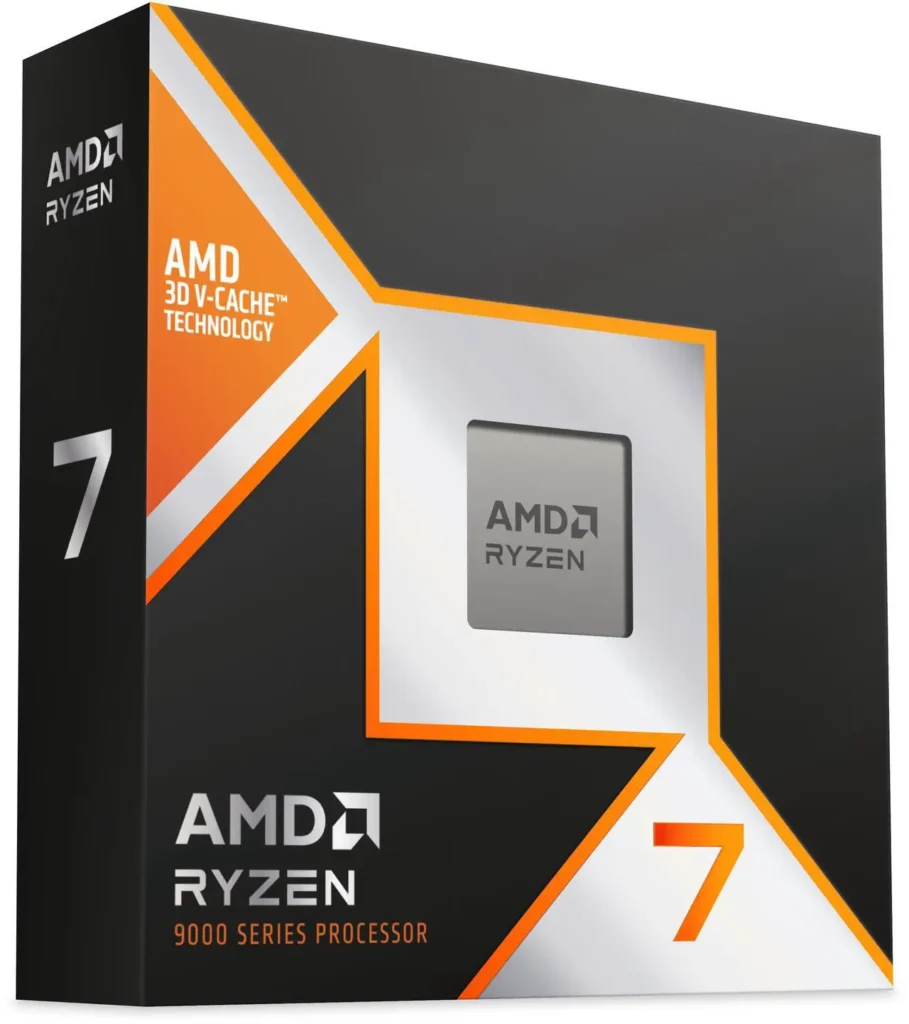
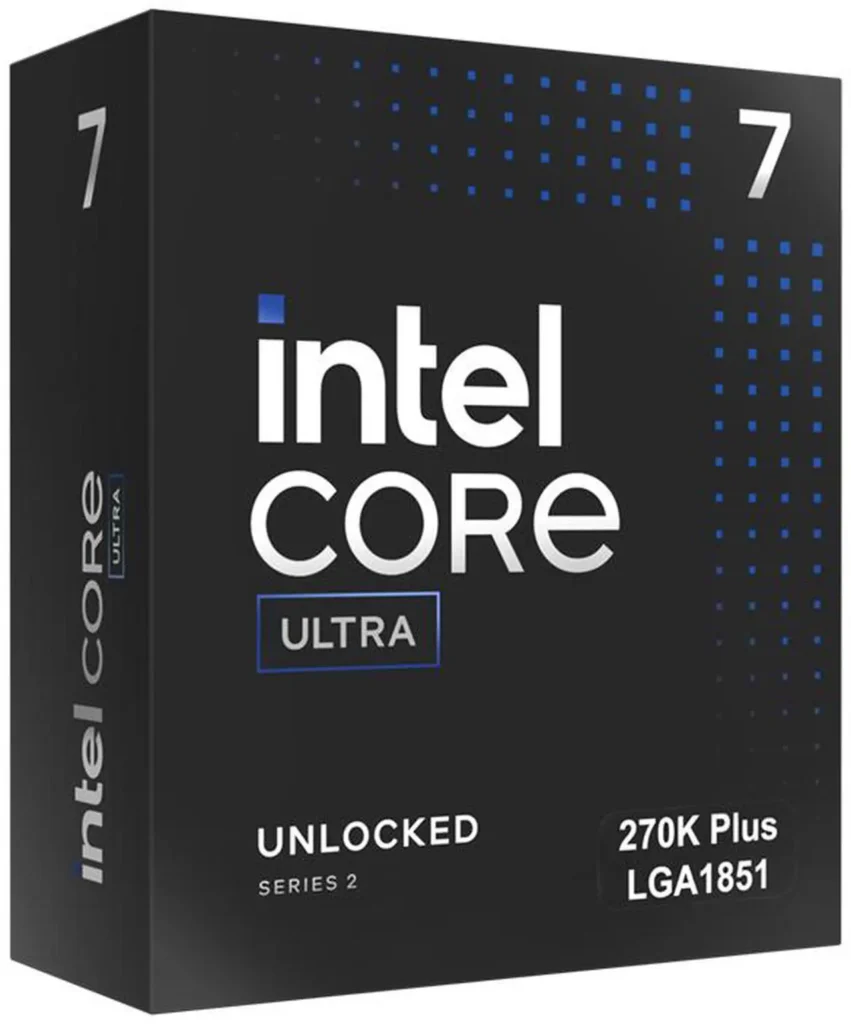
If you need a PC now, don’t wait. The 9800X3D is the best gaming CPU available today and nothing shipping in 2026 will challenge it. Arrow Lake Refresh is fine for productivity-focused builds. Waiting until Q1 2027 for Nova Lake only makes sense if you’re genuinely not in a rush and want to see how the BLLC cache SKUs perform against AMD’s 3D V-Cache parts before committing.Arrow Lake Refresh
If you’re mid-build and planning an AM5 system, it’s worth knowing that LGA1954 is a fresh platform , no socket reuse from anything current. Jumping to Nova Lake means a new CPU, new motherboard, and DDR5 is already the minimum requirement. That’s a significant platform cost on top of elevated RAM prices right now.
Watch CES 2027. That’s when the real information arrives.