
The case for waiting has never sounded more reasonable: Zen 6 desktop and Nova Lake both point at 2027, DDR5 is elevated, and GPU streets stay ugly. Everything points toward a better time to build being just around the corner. The case against waiting is simpler: the corner keeps moving.
Here’s what’s actually worth waiting for, what isn’t, and how to make the decision cleanly based on your specific situation.AMD Zen 6 Desktop Delayed to 2027
What’s Actually Coming in 2027
Let’s be precise about what “waiting for 2027” means before deciding if it’s worth it.
AMD Ryzen 10000 Olympic Ridge (Zen 6): CES 2027 announcement, retail launch between March and June 2027. 25-30% IPC gain over Zen 5, up to 24 cores, TSMC 2nm, confirmed AM5 socket compatibility. X3D variants, the gaming-focused chips, follow in late 2027. If you want the full Zen 6 gaming chip, you’re waiting until late 2027 at the earliest.
Intel Nova Lake: CES 2027 announcement likely, Q1-Q2 2027 retail. New LGA1954 socket, your current board won’t work. Up to 52 cores, BLLC gaming cache on DS variants, Intel 18A process. Requires a full new platform including motherboard.
DDR5 prices: Every analyst pointing toward relief cites 2027-2028 as the earliest window for meaningful normalisation. Some projections have prices increasing further in Q3 and Q4 2026 before plateauing. Waiting for cheap DDR5 is not a 2026 strategy.
GPU market: No major new GPU generation is expected in 2026. RTX 50 Super remains delayed / on hold over GDDR7 supply; do not treat a 2026 Super refresh as a plan. RX 9000 series refresh has no confirmed timeline. The current generation is what you’re buying if you build in the next twelve months.
The Four Situations: And What to Do in Each
You need a PC now because your current one can’t handle what you need.
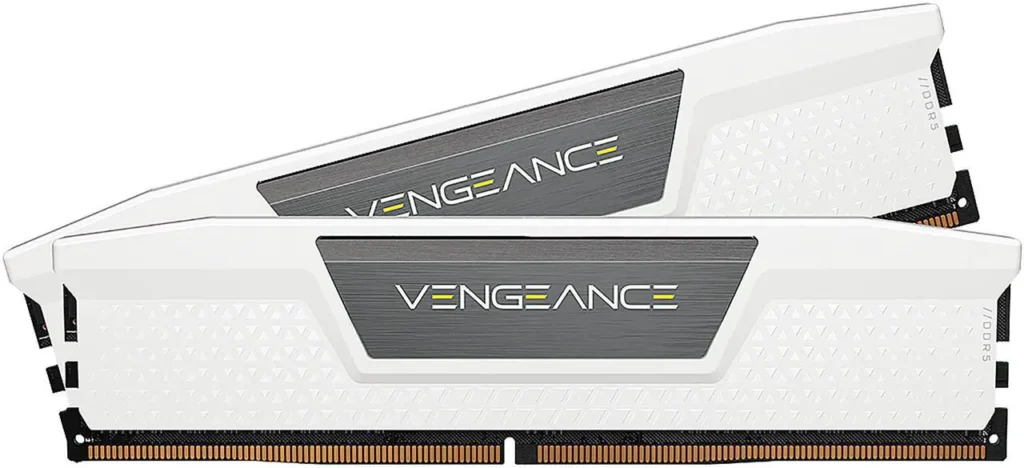
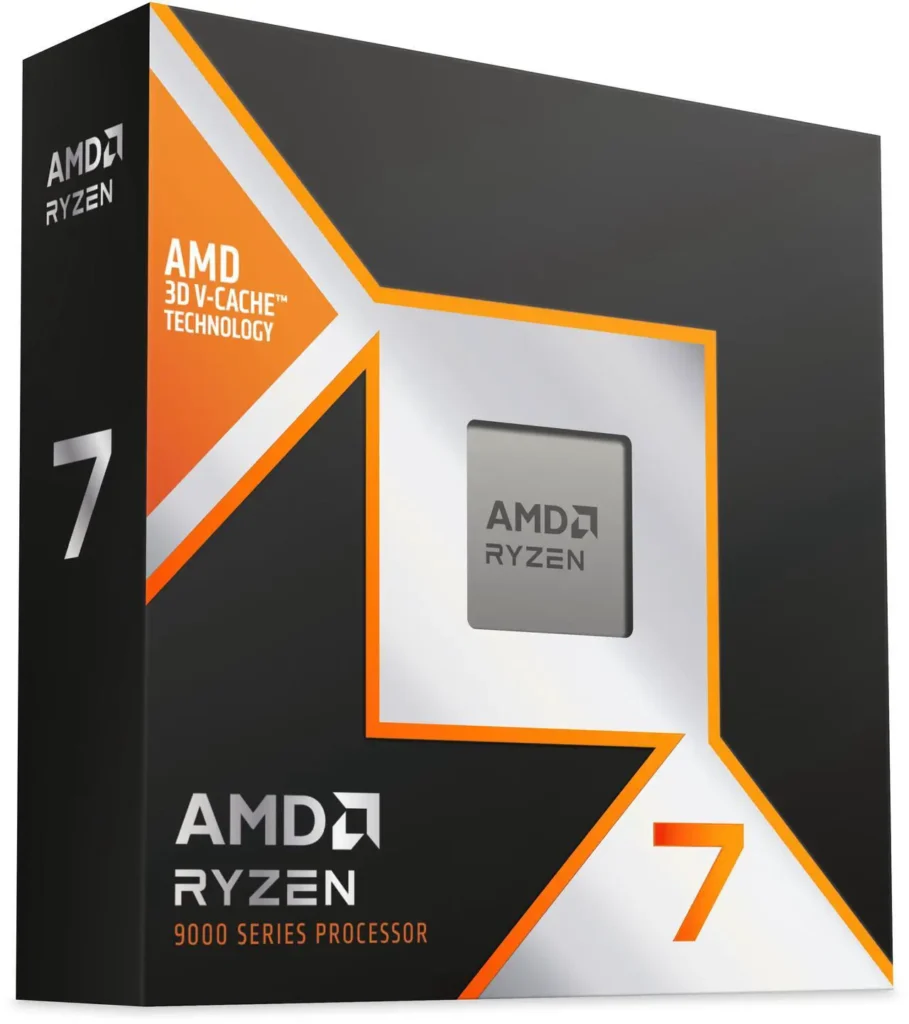
Build now. Don’t wait. The best build available today, 9800X3D, mid-range GPU, 32GB DDR5-6000 on AM5, is genuinely excellent. A 9800X3D on a B650 or X870 board accepts Zen 6 via BIOS update when Olympic Ridge launches in 2027. You’re not locked out of the next generation. You’re buying into a platform that supports it.
The memory prices are painful. Budget roughly $375–$420 for 32GB DDR5-6000 and factor it into the total rather than trying to optimise around it. Starting with 16GB and adding later is a legitimate approach if budget is genuinely tight, AM5 handles single-channel to dual-channel upgrades without issue.Intel Nova Lake, Everything We Know
You have a working PC that handles your current games but you want to upgrade.
This is where waiting has the most merit. If your PC plays the games you want to play at acceptable settings and frame rates, upgrading now means buying into elevated component prices with no urgent need driving the decision. Zen 6 performance gains of 25-30% IPC over Zen 5, and potentially 30-40% in gaming when combined with higher frequencies, are meaningful. The 9800X3D equivalent in the Ryzen 10000X3D lineup in late 2027 could be a genuinely compelling reason to have held off.
The honest counterpoint: RAM prices may not drop significantly by the time Zen 6 launches. You’d be paying similar DDR5 prices for a newer CPU and potentially a new GPU generation. Whether the performance jump is worth twelve to eighteen months of waiting depends on how capable your current machine is.AMD AM5 Platform Confirmed Through 2029
You’re on an older platform: AM4, LGA1700: and considering a full rebuild.

Don’t build on AM4 or LGA1700 today. Both platforms are end-of-life for new silicon. Intel’s B760 and Z790 boards accept no new CPUs worth buying. AM4 has the Ryzen 7 5800X3D 10th Anniversary Edition at $349 if you want a platform extension, but it’s a last-generation chip on a dead-end socket.Best Gaming PC Build Under $1500 2026
AM5 is the correct destination for a new build. It has three confirmed CPU generations already, Zen 4, Zen 5, and Zen 6 confirmed on the same socket. Buy AM5 now and the platform remains relevant through at least 2028.Ryzen 7 5800X3D 10th Anniversary Edition
LGA1851 is the correct Intel destination, with the caveat that Nova Lake requires a socket change anyway, so LGA1851 buys you Arrow Lake Refresh now, with no upgrade path to the next generation on the same board. Factor that into the decision.
You’re specifically waiting for lower prices before pulling the trigger on anything.
Stop waiting for DDR5 prices to fall in 2026. The supply constraint is structural, AI infrastructure demand is consuming DRAM capacity that would otherwise go to consumer DDR5. The manufacturers aren’t going to fix this before 2027, and some analysts expect prices to rise further before they plateau.RAM Prices 2026, DDR5 Shortage Explained
GPU prices above MSRP, which is where both the RTX 5060 (~$449) and RX 9060 XT 16GB (~$469) sit in early September 2026, are still painful. Those cards are not returning to launch MSRP on a reliable calendar. If you’re buying in this bracket, watch for real dips rather than assuming a broad autumn crash.Best RAM for Gaming 2026
The One Thing Nobody Says Loudly Enough
Every generation of hardware is better than the last. The right time to build is never, there’s always something better coming. The productive question isn’t “is 2027 hardware better?” It’s “does 2027 hardware justify waiting based on my specific situation today?”
For most builders with a genuine need, it doesn’t. For builders with a capable current PC and patience, it might.RTX 5060 vs RX 9060 XT
The 9800X3D is not going to embarrass anyone in 2027 when Zen 6 launches. A PC built today on AM5 with a quality GPU is a machine that plays every current game well and will play every game released in the next two to three years well. The 2027 hardware will be faster. The 2024 hardware was also perfectly capable, and the people who bought it aren’t regretting it.
Build when you need to. Wait when you genuinely can. Don’t treat the next generation as a destination; it always leads to another next generation.