
This URL still says July. The market did not stay in July.
Late summer 2026 already looked expensive. Then August added another leg up as GDDR7 stayed scarce and AI memory demand kept consumer cards priced like souvenirs. If you bookmarked this page in July hoping for a cool-down, you need a new read.
To be honest, the GPU market is nothing short of a solid mess, to put it politely. We have old cards selling for far more than they should be allowed to, new cards priced in unattainable ways while providing slightly better performance than the previous gen. This mess needs to be navigated very carefully if you are in the market for a new GPU. You’ll need to weigh out your options, what performance you’ll get if you do upgrade, and whether what you will pay for this upgrade is actually worth it in terms of performance to cost as well as longevity.
Last verified: September 13, 2026. Treat MSRP as history. Shop street tags. Super refreshes are still delayed by memory cost, not by your patience.
The market in one paragraph
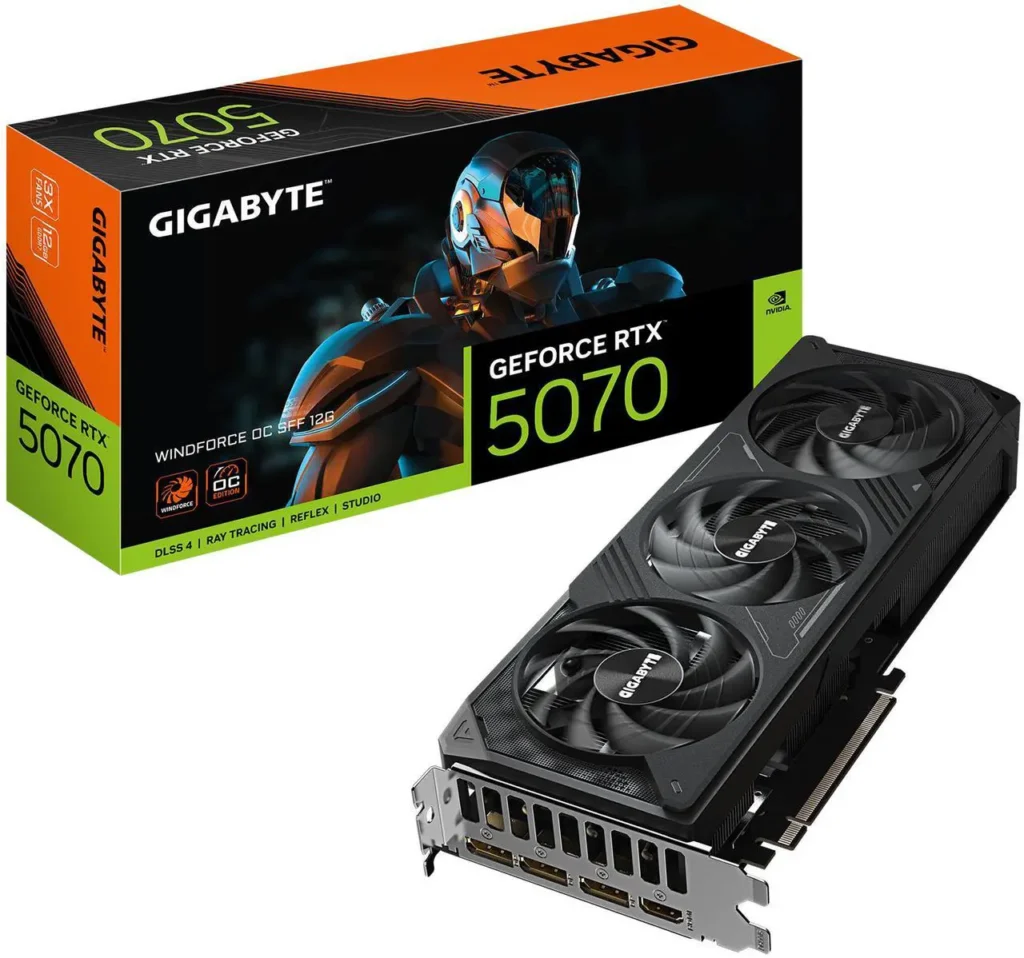
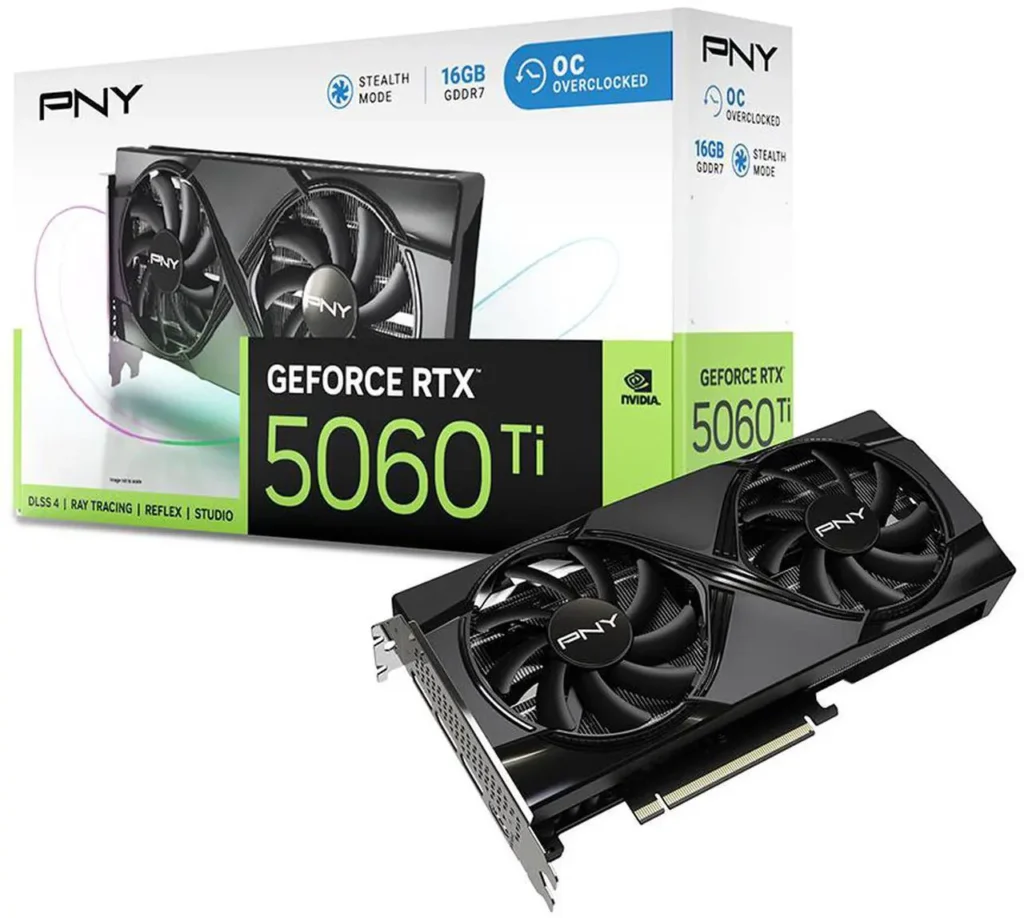
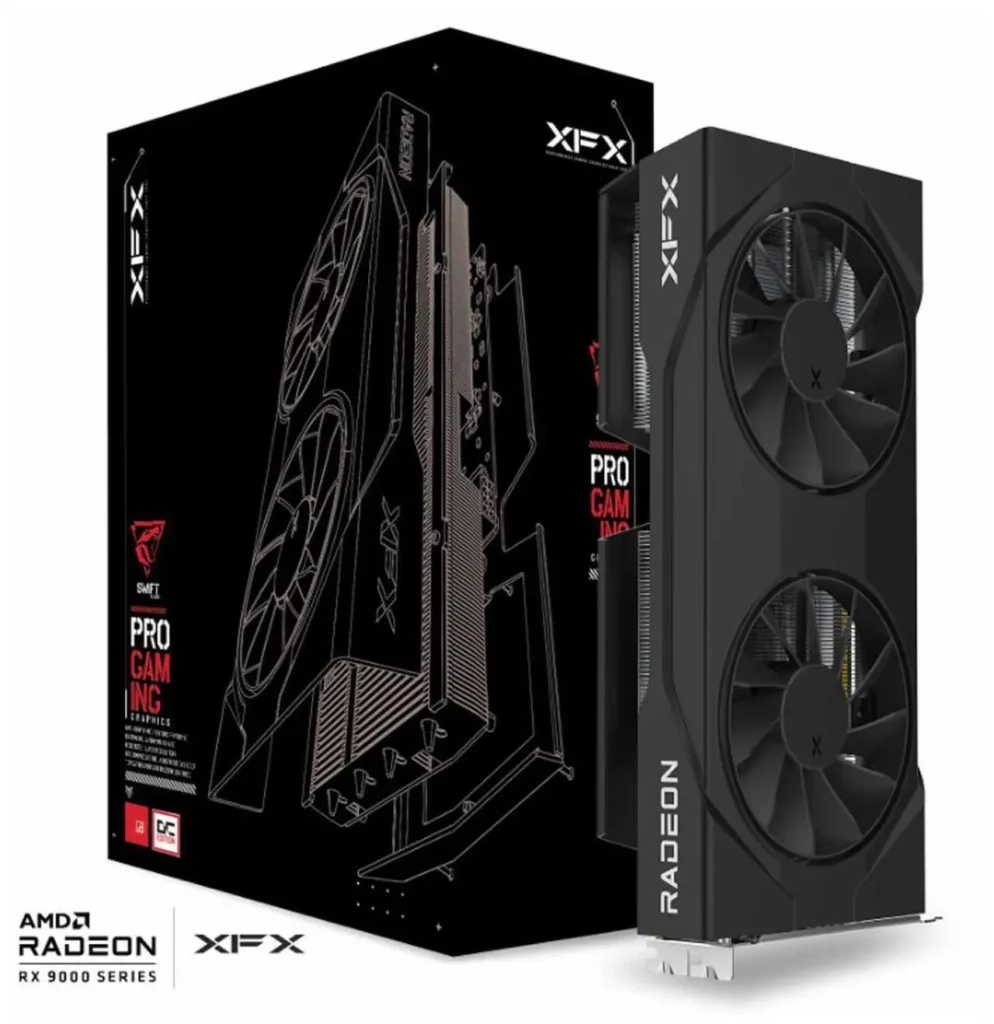
RTX 5090 gaming at true sticker is a joke; multi-thousand street is normal. Mid-range is where decisions happen. RX 9060 XT and RTX 5060 Ti 16GB remain the practical 1440p fight, both usually well above launch slides. Budget “deals” under $350 are either old silicon, 8GB traps, or lottery tabs. A complete new gaming PC still starts near $1,000 before you get greedy, and the GPU is the loudest line item.
Buy now if…

Your card is dead, missing, or stuck on GTX 10 / early RX 500-class silicon. Waiting six months on 2017 frames is not a strategy.
You are on 8GB RTX 30 silicon and current titles hitch for real, not for Twitter. That upgrade case is concrete.
You found a clean used 6800 XT / 3080-class card at a sane sold price while new 50-series stickers look hostile. In September, used can be the adult aisle.
Wait (or shop sideways) if…
You are eyeing 5080 / 5070 Ti money and can stay playable for a quarter. Rumored Super / SE SKUs keep slipping on GDDR7 cost. They might pressure prices. They might not. Do not schedule your life around a keynote.
You refuse any card over MSRP on principle. Cool principle. Wrong decade.
Tier verdicts (Sep 13 street)


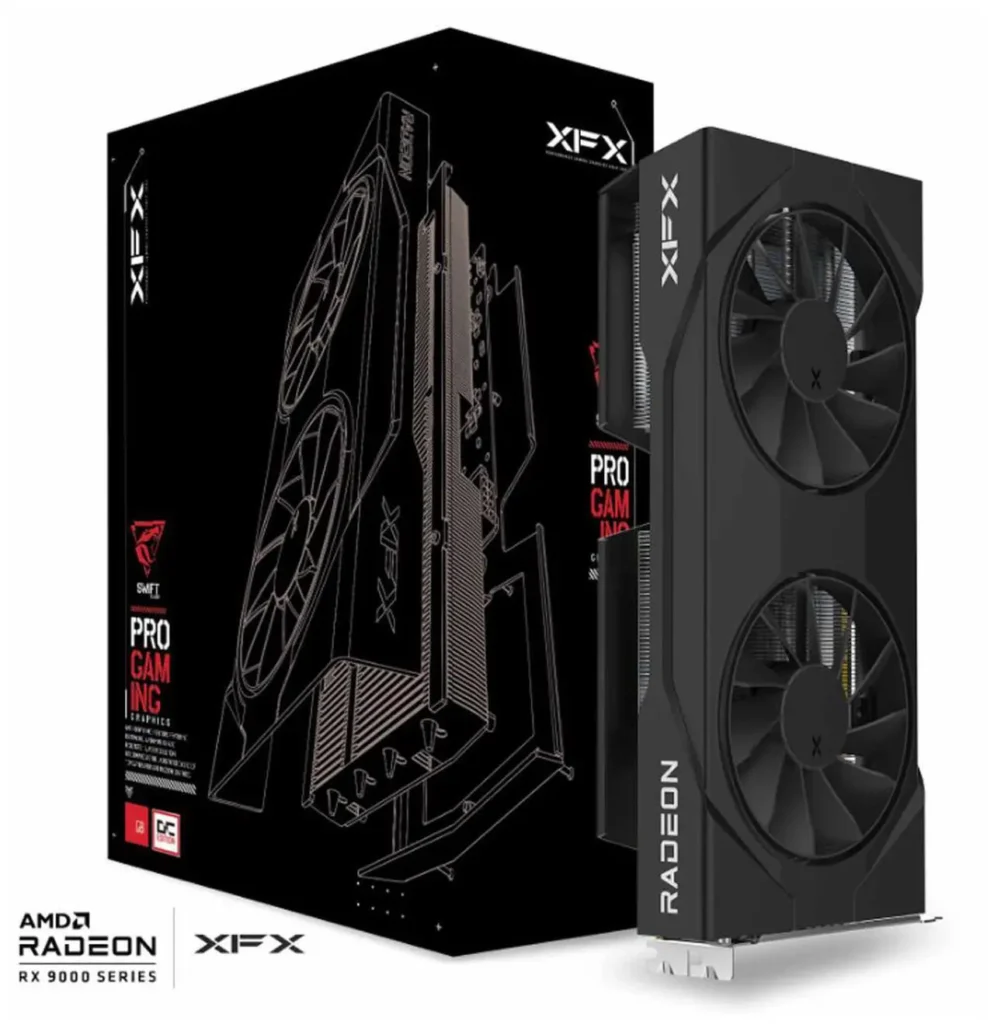
~$300: Intel Arc B580 near $300-$320 is still the VRAM-per-dollar oddball for modern DX12 titles if you accept Intel’s quirks. Do not stretch an 8GB 5060 into this budget and call it future-proof.
~$450-$800: RTX 5060 Ti 16GB often lands ~$700-$800 depending on the week. RX 9060 XT 16GB nearer ~$450-$480 is frequently the raster/$ punch. RTX 5060 8GB near ~$450-$470 is the “DLSS 4 now, VRAM regret later” card. Skip 8GB twins when a 16GB sibling exists inside a sane gap.
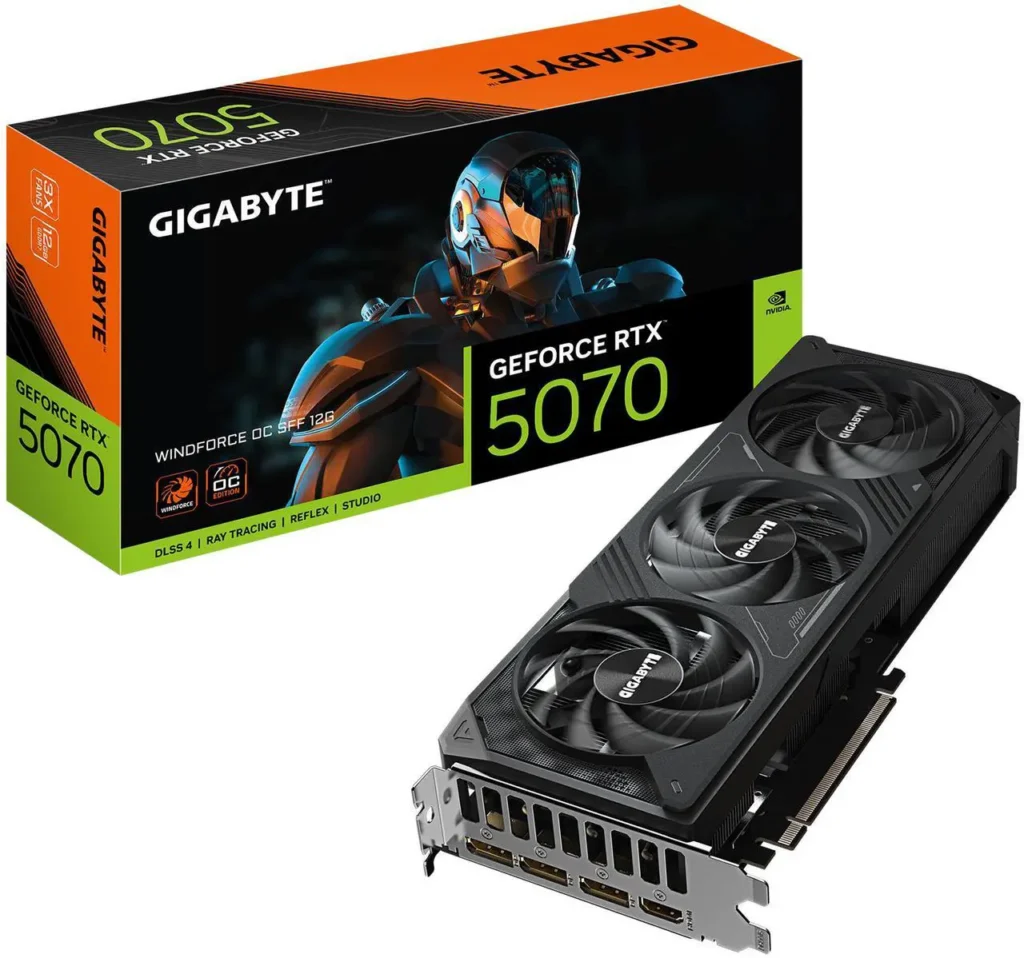
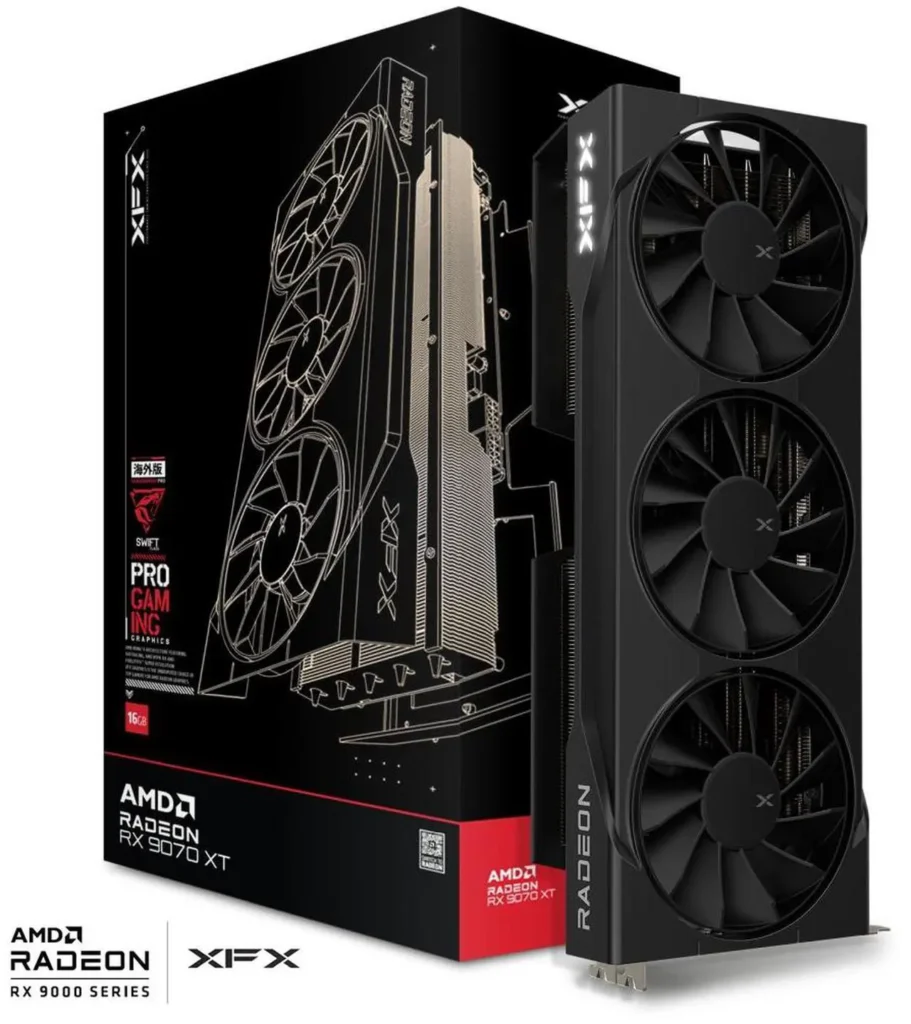
~$750-$1,000: RTX 5070 12GB commonly ~$750-$850 street. RX 9070 / 9070 XT 16GB often the stronger raster story when priced honestly. 12GB on the 5070 is the long-term caution, not a dealbreaker for every 1440p gamer.

~$1,000+: RTX 5070 Ti 16GB when it is not being silly. RTX 5080 when you need 4K headroom and can stomach $1.2k-$1.5k+ reality. RTX 5090 for gaming at current street is how you fund someone else’s AI cluster.
The one rule that still beats the calendar
Hard limit: do not buy an 8GB GPU above $300 in September 2026 if a 12GB/16GB option exists within ~$80. VRAM ceilings in current titles are not a vibe. They are hitching you can measure. Halo Campaign Evolved / F1 25-class memory spikes already told on 8GB cards. The trend is one way.
July hoped for relief. September asks for discipline. Buy because your current GPU is the bottleneck. Not because a launch slide still says $299.
SpecClear participates in affiliate programmes. When you purchase through links on this site, we may earn a commission at no extra cost to you.