
rx 9070 vs rx 9070 xt : The RX 9070 XT is the better card. The RX 9070 is the smarter buy for most people. That’s the whole comparison. But the gap between those two statements is where the actual decision lives, and it depends entirely on what you’re gaming on and how much the price difference hurts.
Both cards launched in March 2025 on AMD’s RDNA 4 architecture with 16GB of GDDR6 memory. Both are still the most talked-about AMD GPUs going into mid-2026. Street pricing right now sits at roughly $580–$600 for the RX 9070 and $630–$700 for the RX 9070 XT depending on the AIB model. That’s an $80–$100 gap in practice, though it fluctuates.
Here’s what that money buys you.
The performance gap is real but not dramatic
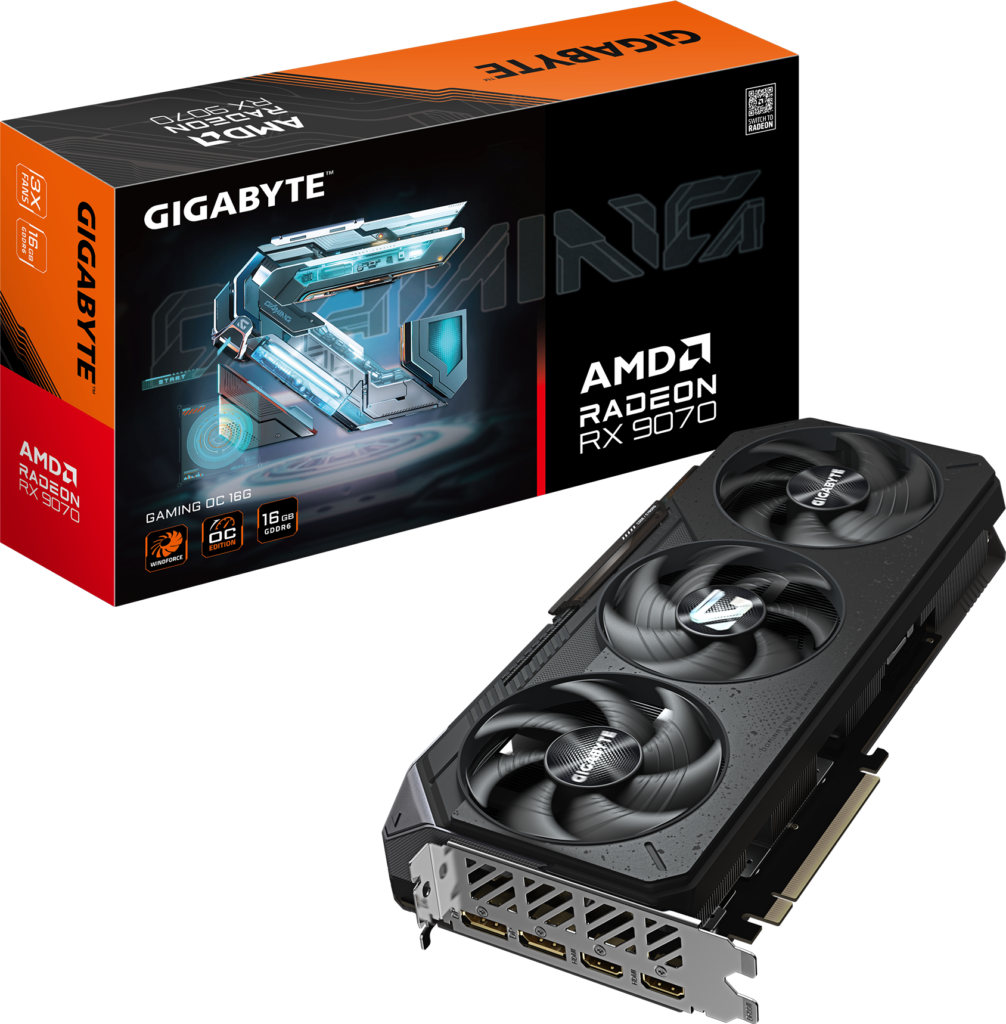
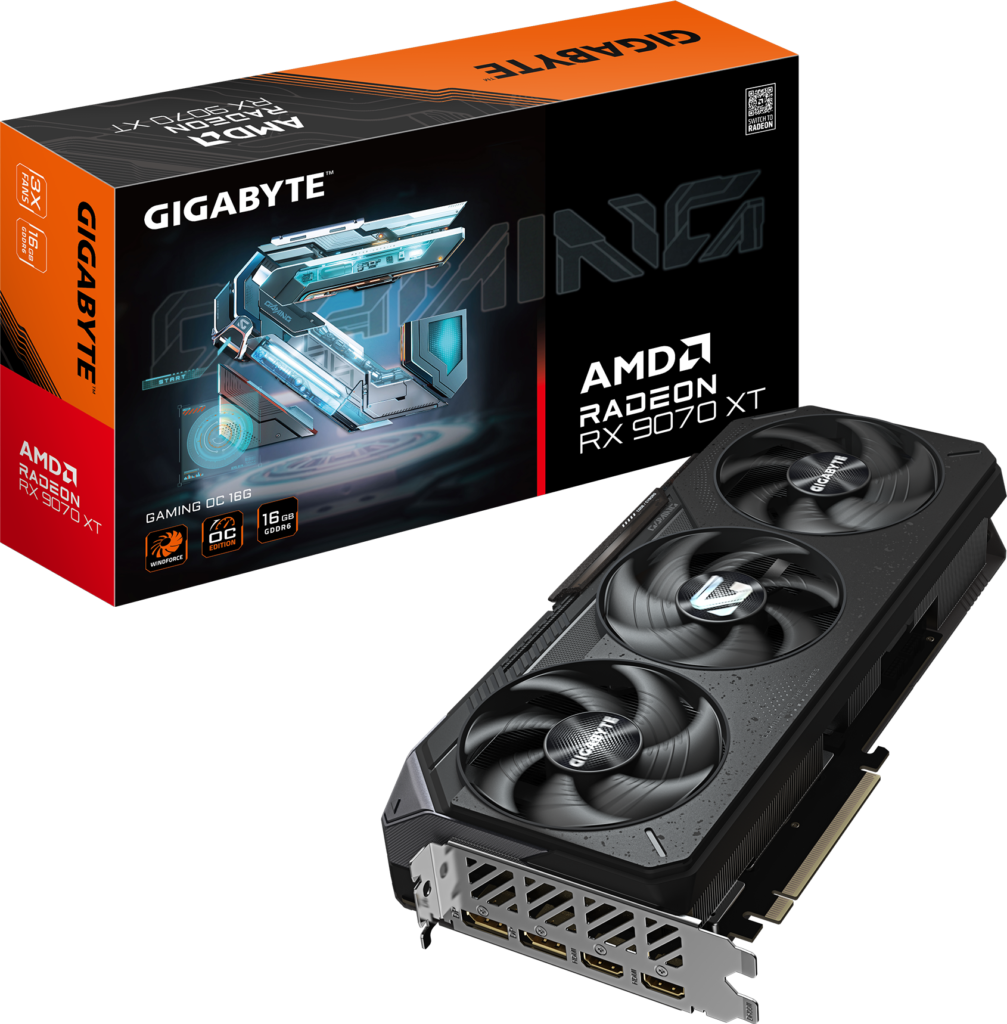
The RX 9070 XT runs about 9–12% faster than the RX 9070 across a wide range of titles. In absolute terms at 1440p that typically means the difference between 106 FPS and 116 FPS average. Both cards are well above the 60 FPS floor in every current title at 1440p ultra settings. Neither one is being left behind.
Where the gap shows up more clearly is at 4K. The XT has more headroom to push through demanding scenes without the framerate dropping into uncomfortable territory. The non-XT card runs into CPU-bottleneck territory faster at 4K than the XT does, particularly in open-world titles where draw calls pile up. If 4K is your primary target, the XT earns more of its premium.
At 1440p, which is where most buyers using these cards will actually be gaming, the gap is smaller and harder to justify on paper.
The power difference is the underappreciated part
The RX 9070 XT has a maximum board power of 304W. The RX 9070 draws 220W. That’s 84W less a number that matters more than most comparisons acknowledge.
84W less means lower operating temperatures, quieter fans under sustained load, and a more comfortable build in cases with middling airflow. It also means the RX 9070 is genuinely comfortable on a quality 650W PSU in a typical mid-range build. The XT wants 750W minimum if the rest of your system has any substance to it.
If you’re building in a case that runs warm, or you’ve already spent on a 650W PSU and don’t want to change it, the RX 9070 is the cleaner decision on efficiency grounds alone.
Both have 16GB. This matters and shouldn’t be skipped over.
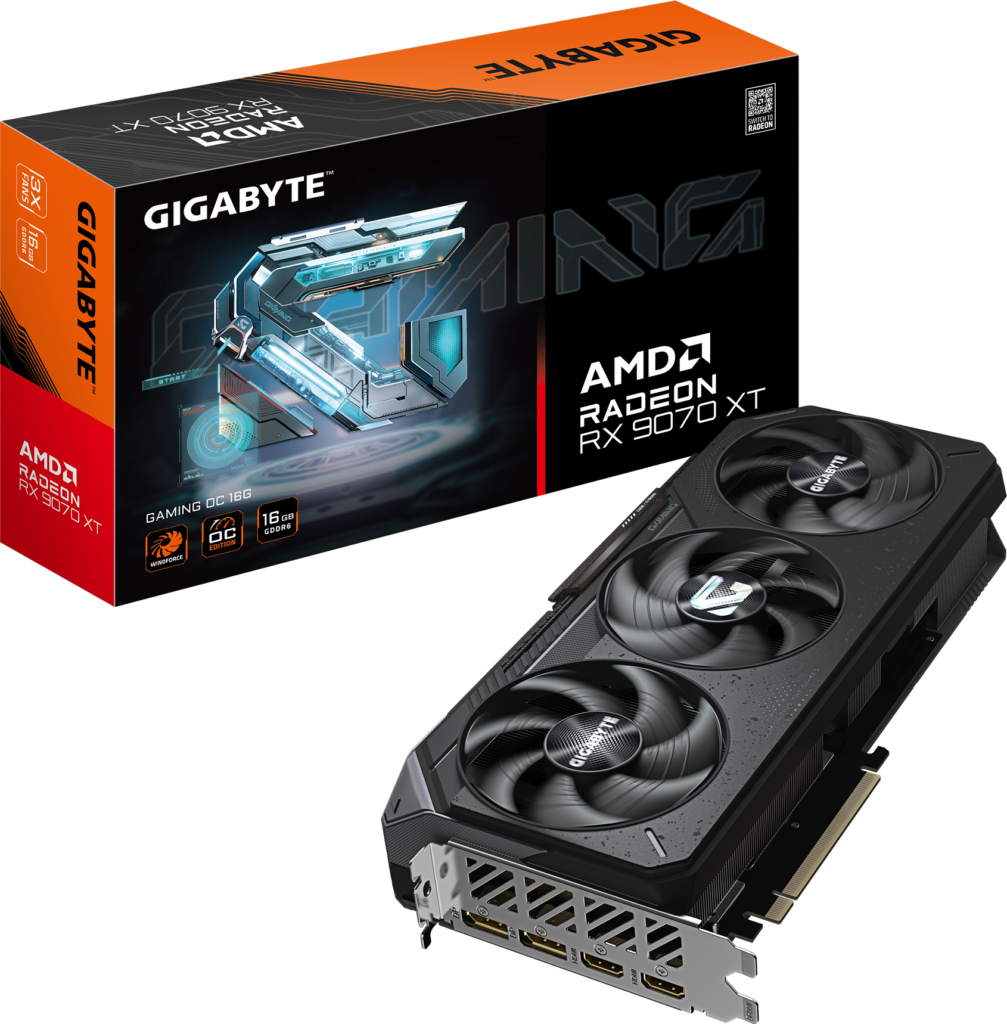
Whatever you buy, make sure it’s a card with 16GB. Both the RX 9070 and RX 9070 XT come in 16GB configurations that’s the correct version of either card in 2026. VRAM headroom at 1440p ultra settings in modern AAA titles is real, and 16GB keeps you clear of texture memory limits well into the next few years.
Neither card has an 8GB variant to worry about here, which is one of the cleaner aspects of this particular comparison. Just confirm the model you’re buying is the standard 16GB configuration.
Ray tracing: neither card is the choice for heavy RT
Both the RX 9070 and RX 9070 XT represent a significant improvement over previous AMD generations in ray tracing. RDNA 4 fixed a lot of the architectural weaknesses that made RX 7000 series cards awkward for RT-heavy workloads.
That said, if you run Cyberpunk 2077 at Overdrive RT mode as your default or you play a lot of RT-heavy titles with all effects on, neither of these cards is where you want to be. The RTX 5070 Ti at roughly double the price handles that workload materially better. For typical RT implementations in most games, both cards are fine. For the most demanding RT workloads, neither is the right GPU.
The XT handles RT better than the non-XT, but the gap between them on RT is consistent with the gap elsewhere. It’s not a case where the XT suddenly surges ahead.
AIB models worth considering
At the RX 9070 level, the Sapphire Pulse is the standard recommendation strong cooling, quiet under load, sensible pricing. PowerColor’s Reaper is the budget entry point, competent without the premium thermal solution.
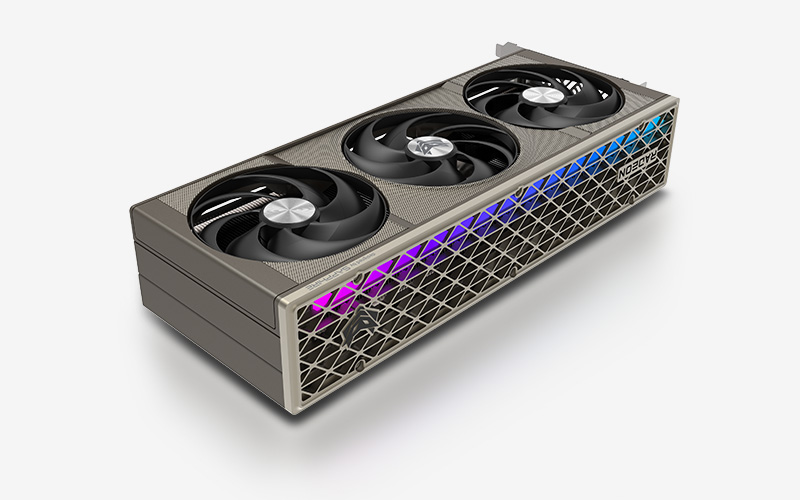
For the RX 9070 XT, the Sapphire Nitro+ is the top-tier option if you want the best cooling and the highest sustained performance. The ASRock Challenger and Gigabyte Gaming OC models sit in a more accessible price range and are solid picks for buyers who don’t want to pay Nitro+ money.
Avoid the lowest-bin XT models from less-established AIBs. AMD gives its partners more flexibility on GPU configuration than Nvidia does, and lower-tier XT models show more performance variance. Stick to Sapphire, ASRock, Gigabyte, XFX, or PowerColor.
The verdict
Buy the RX 9070 if you’re gaming at 1440p, you have a 650W PSU, your case isn’t a thermal showcase, and the $80–$100 saved makes a difference to the rest of your build budget. It delivers 88–91% of the XT’s performance, runs significantly cooler and quieter, and it’s one of the most efficient GPUs on the market at any price point.
Buy the RX 9070 XT if you’re targeting 4K with occasional FSR Quality upscaling, you want the extra headroom to last longer before the card feels dated, or the price difference genuinely doesn’t change anything else in your build.
Don’t buy either card if ray tracing is a priority. The RTX 5070 Ti is the card for that workload, at a significant price premium.
The non-XT card being genuinely competitive is the story here. AMD built a 220W GPU that achieves 88–91% of its own flagship mainstream performance. That doesn’t happen often. The RX 9070 without the XT suffix isn’t a compromise it’s a different set of trade-offs, and for the majority of 1440p builders in 2026, it’s the correct one.