
SpecClear earns a commission if you buy through Newegg links on this page, at no extra cost to you.
Most gaming and streaming guides still push the biggest CPU you can stretch for. That advice is leftover from the x264 era, and it is how people drop $400 on sixteen cores while the stream never touches half of them.
Your stream quality lives in the GPU encoder first. NVENC or AMF, not core count vanity. Get that wrong and the rest of the cart is cosplay.
As always, when building your PC you need to make sure you build it to address the need you have. A streaming-only PC and a workload PC are built entirely differently. Getting the right CPU means that you have more budget to allocate to a GPU, for example, which is what will benefit your stream more.
Last verified: September 12, 2026. TechSpot Aug US street lows: RTX 5070 ~$800, RTX 5060 Ti 16GB ~$730, RTX 5060 ~$450, RX 9060 XT 16GB ~$460, RX 9070 ~$630, RX 9070 XT ~$750. Newegg and Amazon early Sep often sit a notch higher on several Nvidia boards. Treat every dollar as a check-that-morning number. RAM kits are still punishing.
How streaming actually works in 2026
When you go live, OBS grabs frames and compresses them before upload. That encode is where most builds fail.
CPU encoding (x264) fights the game for cores. GPU encoding (NVENC on Nvidia, AMF on AMD) uses a dedicated block so gaming shaders keep rendering. Every RTX 30/40/50 card and every RX 7000/9000 card can do this. If you own one of those, stop defaulting to x264 “for quality” at Twitch bitrates. Modern NVENC at 6000 Kbps looks close enough that viewers will not care about your preset religion.
That fact rewrites the parts list.
What the CPU actually needs to do
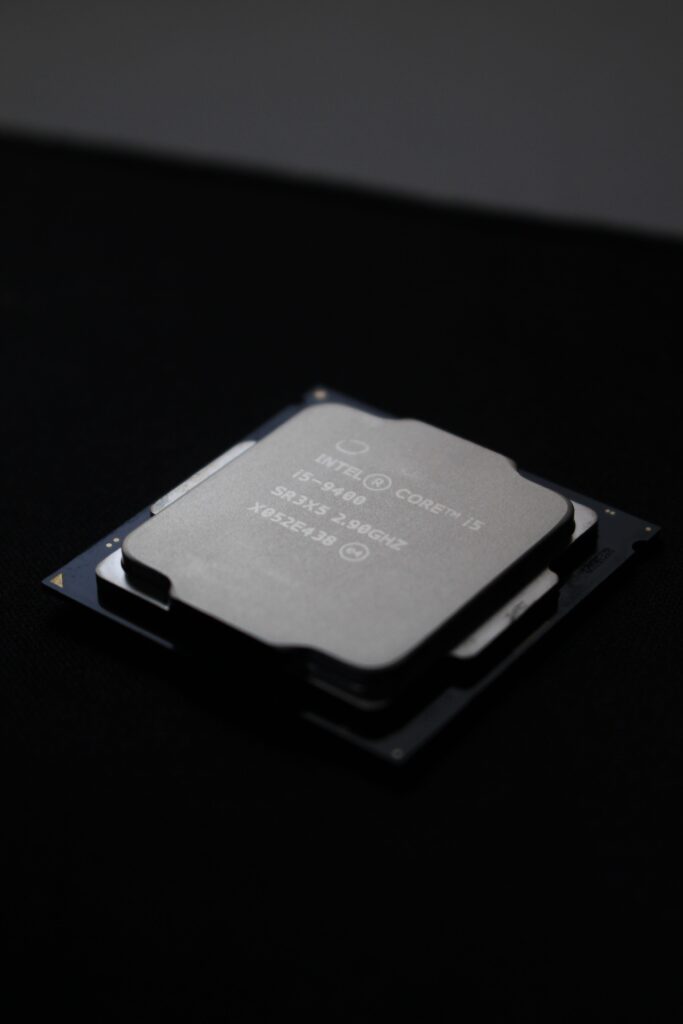
With NVENC owning the encode, your CPU runs the game, OBS, Discord, a chat browser, overlays, and whatever lives on the second screen. Heavy. Not heroic.
Eight cores is the real minimum for a single-PC stream box in 2026. A Ryzen 7 9700X at roughly ~$260-$285 handles that stack next to a demanding title without inventing a crisis. The Ryzen 9 9950X3D class only earns its keep if you also cut video or render between streams. Extra cores idle hard during an NVENC session.
Reach for the Ryzen 7 9800X3D (~$400-$415) when your stream library is strategy, simulation, or open-world AI soup. Cache wins there. Competitive shooters and lighter CPU titles? Keep the 9700X and spend the delta on GPU or storage. Buy / check street price: 9800X3D on Newegg.
The GPU is where stream quality actually lives
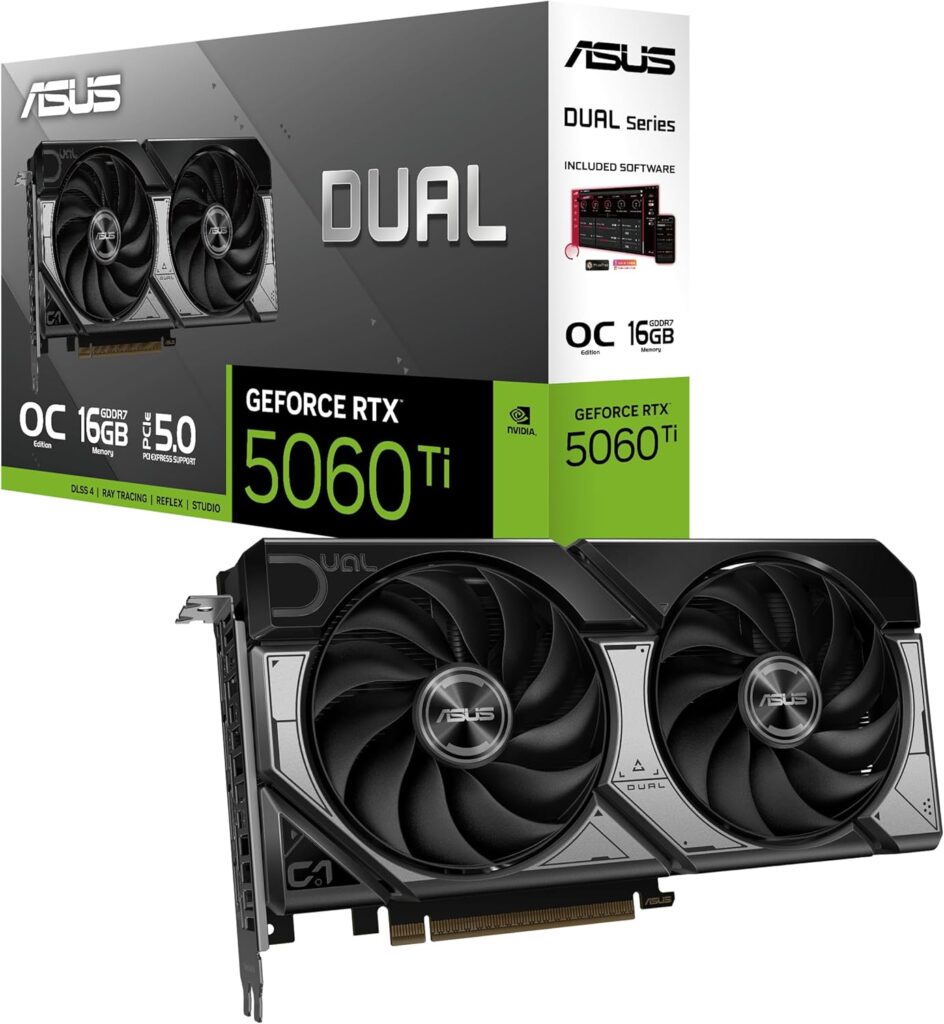
Nvidia NVENC still leads AMD AMF at the same bitrate on motion detail and dark scenes. AMD closed a lot of ground on RDNA 4. Casual viewers will not always notice. If the stream is part of your brand, Nvidia still wins the encode argument in September 2026.
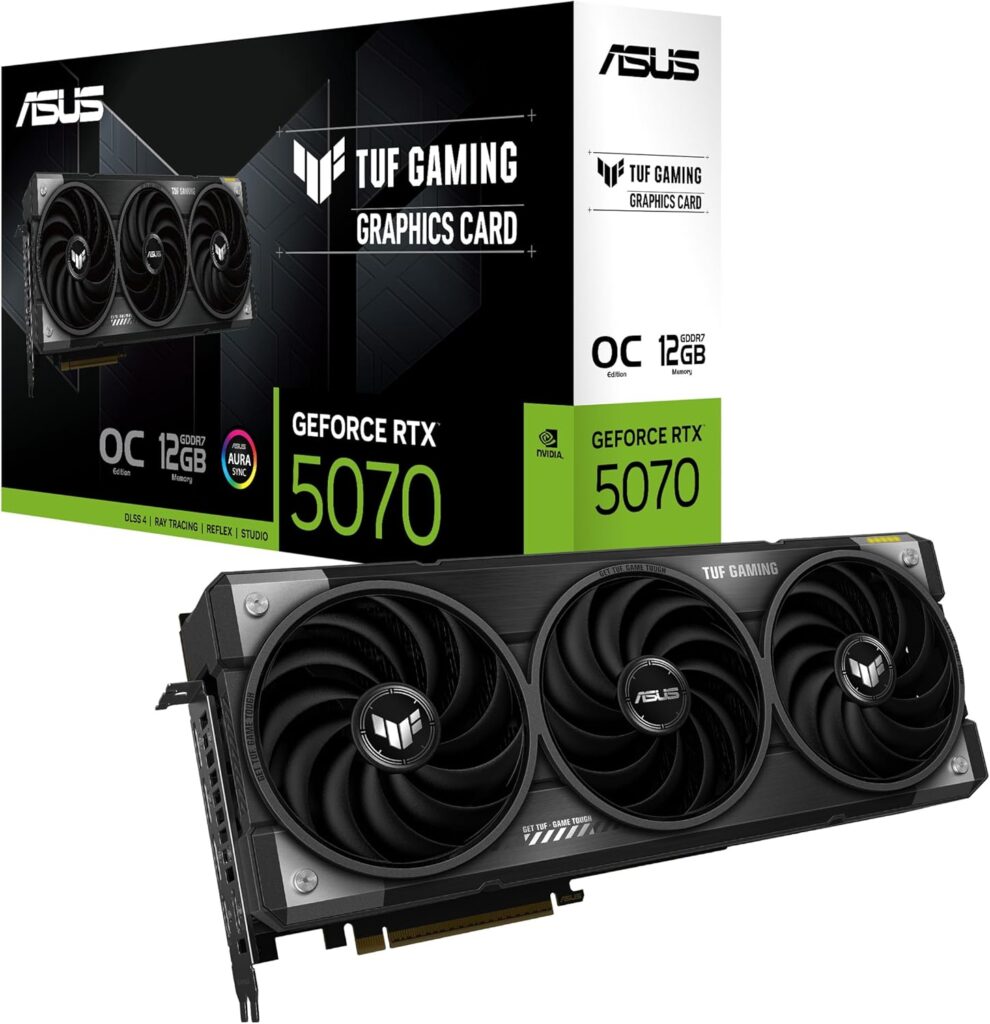
For 1440p60 outbound while gaming 1440p with a real 100+ FPS target in most titles, the RTX 5070 (12GB GDDR7) is the correct card. Street lows near ~$800. You pay for gaming headroom and DLSS 4, not a magic encoder upgrade over cheaper RTX 50 cards. Encoder generation is shared; raster and VRAM are not. Buy / check street price: RTX 5070 on Newegg.
For 1080p60 streams and lighter 1440p gaming, an RTX 5060 Ti 16GB works on paper, but at ~$730+ street it is a weak value next to RX 9060 XT 16GB near ~$460 if you do not need NVENC. Same NVENC generation as the 5070. You are buying gaming frames, not cleaner Twitch bits. Buy / check street price: RX 9060 XT 16GB on Newegg.
AV1 via NVENC helps YouTube when bandwidth is tight. Twitch still wants H.264 for most creators. Plan the encode for the platform you actually use.
Hard limit: do not buy a 16-core CPU to fix a stream that should be on NVENC. You will own idle cores and a weaker GPU.
The build (Sep 2026 street bands)
| Component | Choice | Approx. street (USD) |
| CPU | AMD Ryzen 7 9700X | ~$260-$285 |
| Motherboard | Mid B850 / solid B650 with BIOS Flashback (or X870 if you need the extras today) | ~$150-$240 |
| RAM | 32GB (2×16) DDR5-6000 CL30 EXPO | ~$450-$600 |
| GPU | GeForce RTX 5070 12GB | ~$800 |
| Storage | 2TB PCIe 4.0 NVMe | check live NAND; often ugly vs 2024 |
| Cooler | Thermalright Peerless Assassin 120 SE | ~$35-$45 |
| Case | Fractal Design Meshify 2 Compact | ~$150-$210 |
| PSU | 850W Gold ATX 3.1 with native 12V-2×6 (live post names Corsair RM850e; SpecClear does not affiliate Corsair PSUs) | ~$100-$130 |
| Rough total | Parts only, no Windows/monitor | often ~$2,200-$2,700 depending on RAM/NAND week |
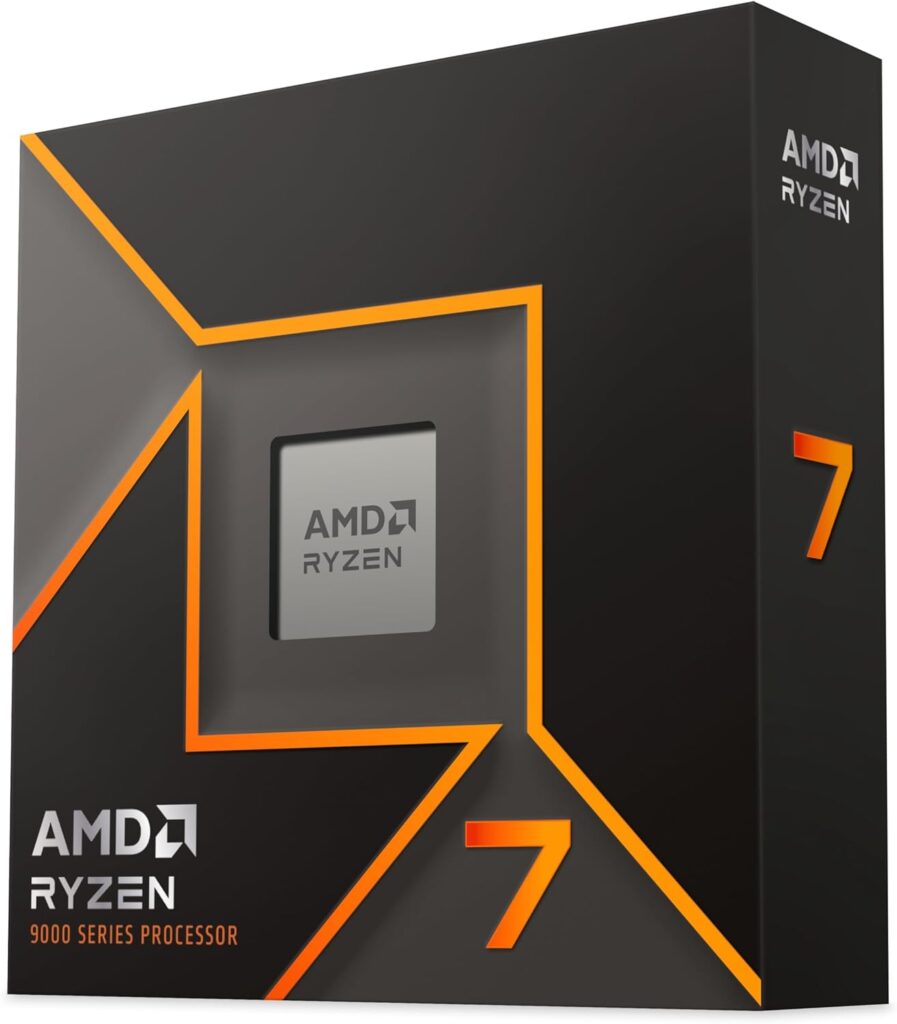
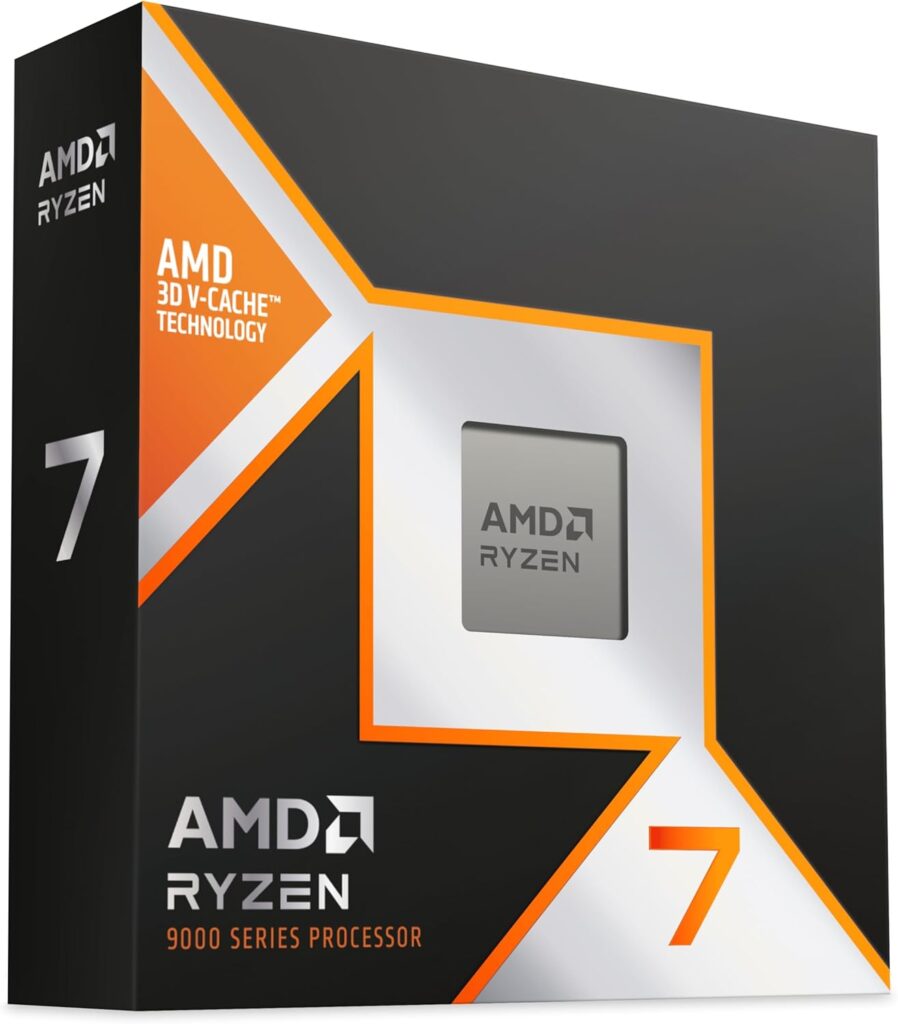
Why the 9700X over the 9800X3D for most stream carts: the X3D premium is real money. Put it on GPU tier or a second drive unless your game list is CPU-bound. Swap to 9800X3D and trim GPU only when the titles demand cache.
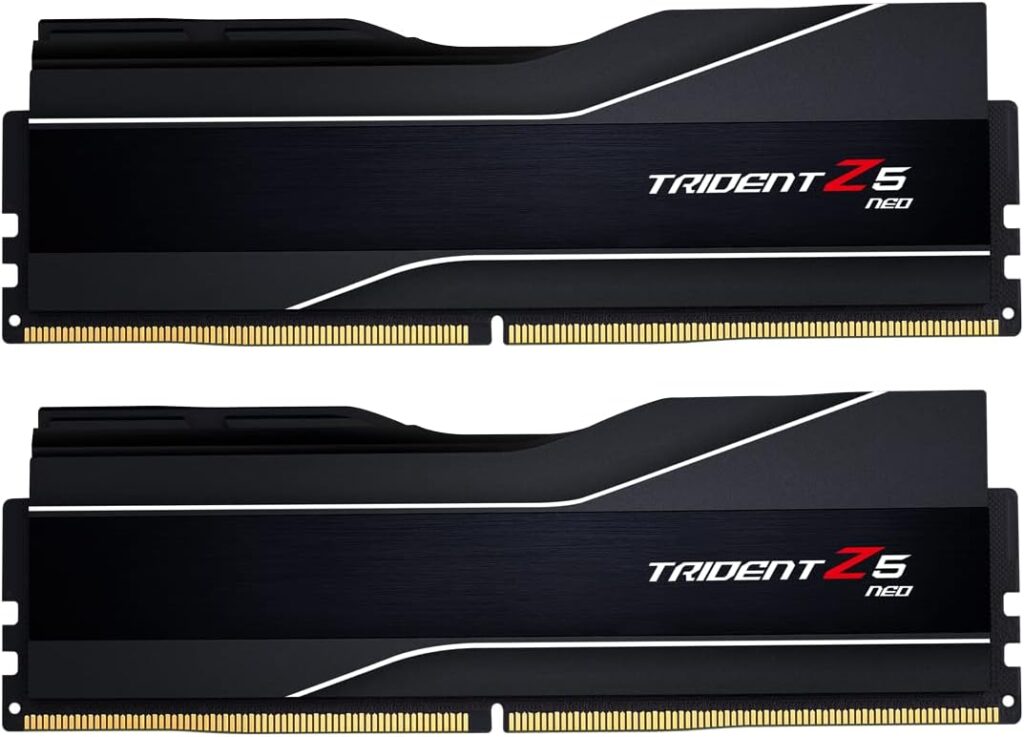
Why 32GB is non-negotiable: OBS + game + browser + Discord + alerts can sit in the mid-teens of gigabytes without trying. A 16GB streaming box stutters when every scene is live. 32GB removes that ceiling. Paying DDR5 tax hurts. Paying it twice after you already built with 16GB hurts more.
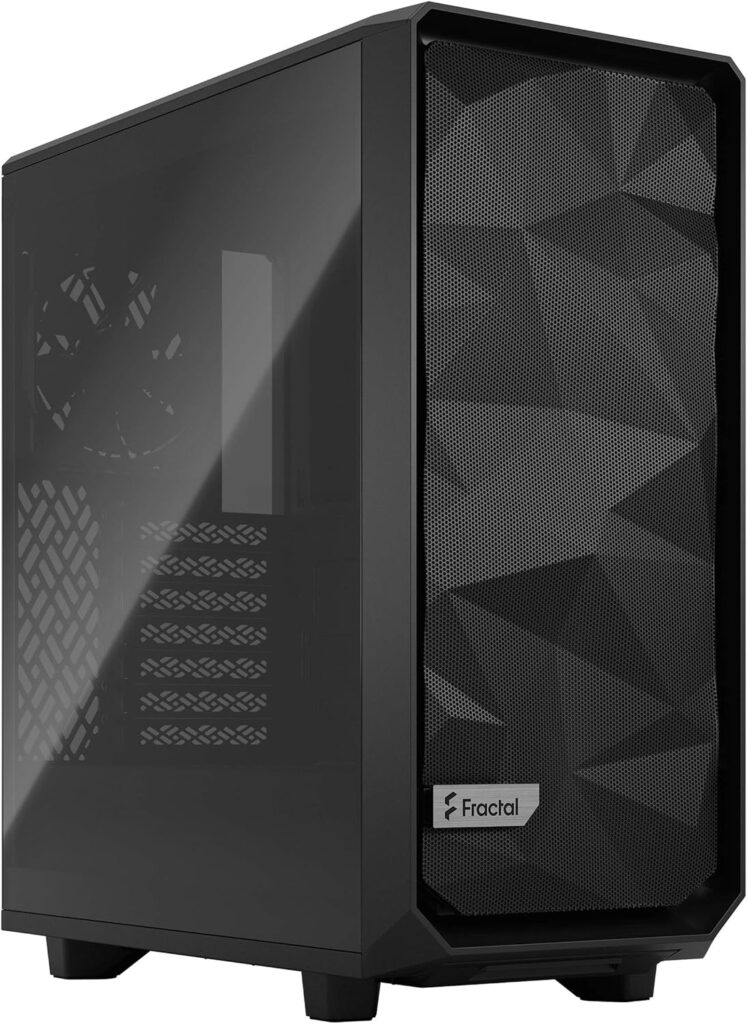
Why Meshify 2 Compact: streams run longer than evening gaming sessions. Airflow that stays honest at hour six matters more than glass that photographs well for ten minutes.
OBS settings that actually matter
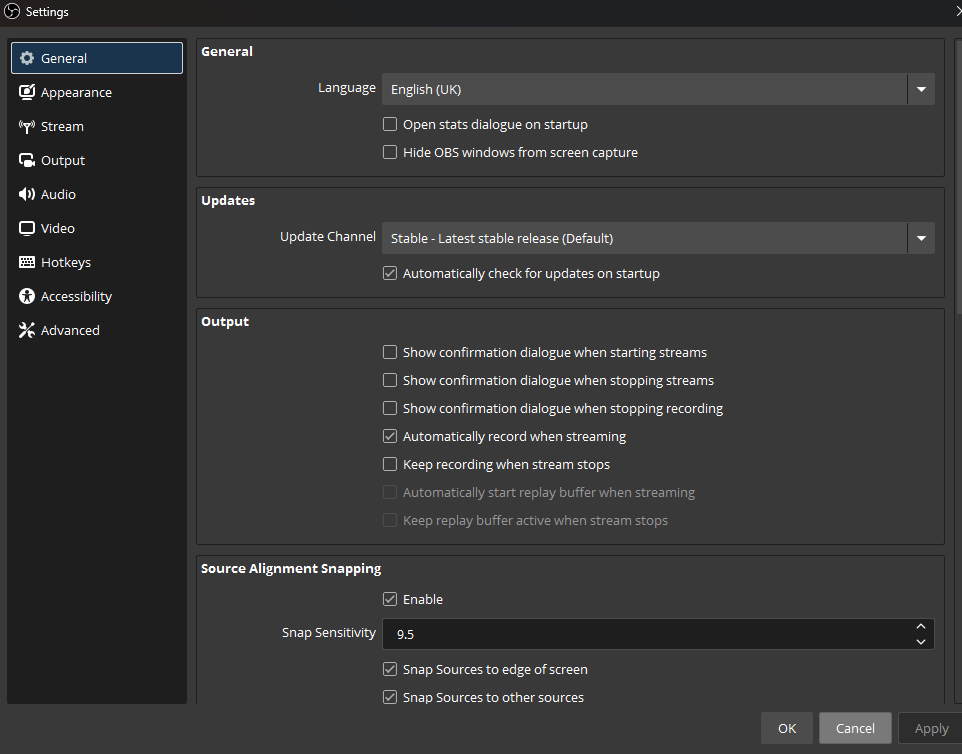
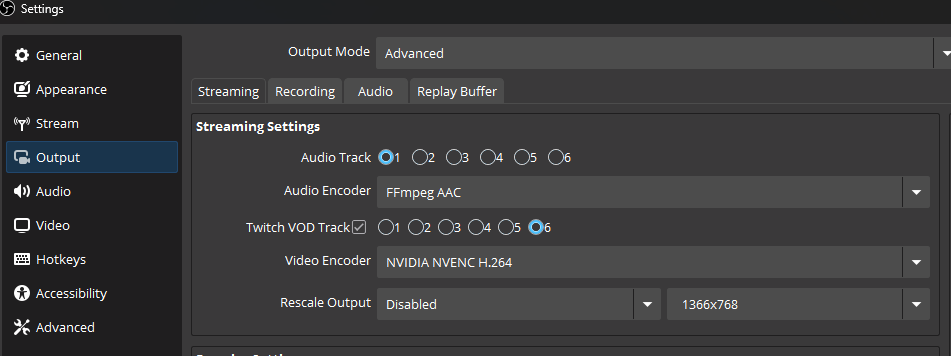
Hardware first. Then stop fighting yourself in software.
In OBS Output, pick NVENC H.264, not x264. Missing NVENC means drivers are wrong. Twitch bitrate 6000 Kbps for most affiliates/partners. Keyframe interval 2. Quality preset.
Cap in-game FPS 10-15 below refresh. Uncapped frametime spikes still trip OBS even when average CPU looks fine. RTSS or the in-game limiter both work.
Close Chrome tabs you do not need. A lean OBS browser source for chat beats a full browser eating cores beside it.
Living with a stream box
Some nights the encode graph stays flat while the game fights in the other window and chat scrolls like weather. Dust still finds the front mesh after long sessions. Cable ties matter more than RGB scenes. The machine should feel boring under load. Boring is the goal.
What this build will not do
It is not a 4K60 native streaming station without upscaling and platform bitrate headaches. It does not replace a dual-PC x264 setup for the tiny group chasing absolute encode quality on YouTube at wild bitrates.
For 1080p60 or 1440p60 to Twitch or YouTube with NVENC, while gaming high at the same resolution, this stack is enough and has room to grow.
SpecClear participates in affiliate programmes. When you purchase through links on this site, we may earn a commission at no extra cost to you.