
DirectStorage was announced as the technology that would eliminate loading screens. Microsoft’s pitch in 2020 was compelling by letting the GPU decompress game assets directly from storage rather than routing everything through the CPU, games could stream world data fast enough that traditional loading screens would become unnecessary. Xbox Series X launched with it built in. PC got it in 2022, it’s been five years. Here’s what actually happened.
What DirectStorage is and how it works
what is directstorage Every time a game loads a level, it reads thousands of compressed asset files from storage textures, geometry, audio, scripts and decompresses them into memory before the GPU can render them. On traditional PC storage pipelines, this process routes through the CPU: storage → CPU → RAM → GPU. The CPU handles decompression, which consumes processing power and creates a bottleneck when the data throughput is high.
DirectStorage changes the route, it allows compressed data to travel from storage directly to the GPU’s VRAM, where the GPU’s dedicated decompression hardware handles the workload rather than the CPU. The CPU is freed from decompression work, the pipeline is shorter, and the GPU’s parallel processing architecture handles decompression far faster than CPU cores can.
In theory this produces dramatically faster asset streaming, enabling open-world games to load new areas so quickly that the traditional loading screen waiting on a static image while data streams in becomes unnecessary. You drive to the edge of a loaded zone and the next zone streams in before you arrive.
That’s the theory in 2026 the practical reality is more measured.
Why it hasn’t changed gaming as dramatically as promised
DirectStorage 1.2 shipped with Windows 11 in 2023. As of mid-2026, fewer than fifteen games have meaningful DirectStorage GPU decompression integration the specific feature that enables seamless streaming. Most games that list DirectStorage support are using the CPU-offloading benefit rather than the full GPU decompression pipeline, which produces modest improvements in load times rather than the transformational streaming experience the technology enables at full implementation.
The reasons are straightforward. Implementing full DirectStorage GPU decompression requires developers to rebuild their asset pipeline from the ground up it’s not a toggle in the game engine. Games built on traditional streaming architectures can add DirectStorage support at the API level for CPU offloading benefits, but getting the full seamless streaming benefit requires designing the game around DirectStorage from the start. That’s a significant development investment that most studios haven’t made.
Forspoken was the first PC game with full DirectStorage GPU decompression support in 2023. Ratchet and Clank: Rift Apart, Returnal, and a small number of other PlayStation PC ports followed. In all of these games, DirectStorage produced measurably faster level loads typically 30–60% faster than without it on compatible hardware. The seamless open-world streaming benefit was demonstrated but not yet the standard experience across the PC game library.PCIe 5 vs PCIe 4 NVMe SSD for Gaming
What hardware you actually need

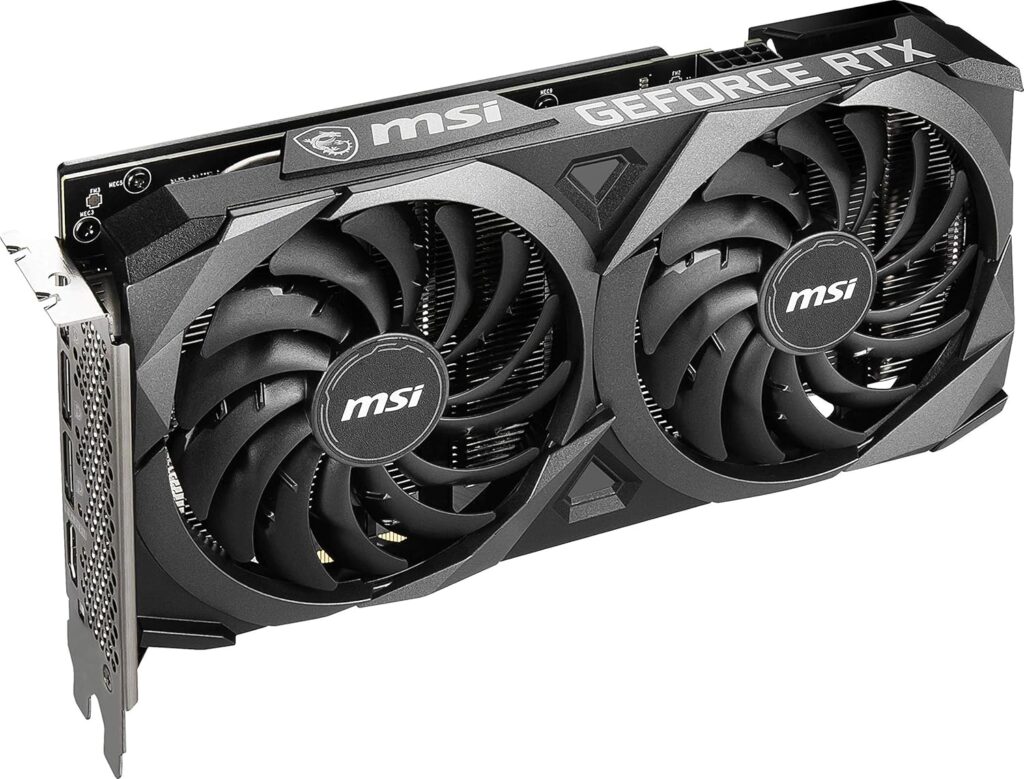
DirectStorage works on any NVMe SSD with DirectX 12 GPU support, you don’t need PCIe 5.0. You don’t need the latest GPU generation. The core requirement is an NVMe SSD SATA SSDs are supported from DirectStorage 1.2 onward but with reduced benefit because SATA’s throughput ceiling limits the pipeline. Windows 11 is the recommended OS DirectStorage on Windows 10 works but with higher CPU overhead that reduces the benefit.
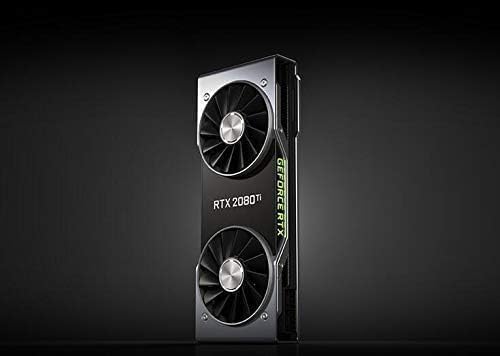
For GPU decompression specifically the feature that delivers the most dramatic improvement a DirectX 12 Ultimate compatible GPU is required. This covers all Nvidia RTX 20 series and later, AMD RX 6000 series and later, and Intel Arc A-series and later. Older GPUs that support DirectX 12 but not Ultimate can use DirectStorage’s CPU offloading features but not GPU decompression.
The NVMe speed question is where most people overcomplicate things. In the PCIe 5 vs PCIe 4 SSD article already published on SpecClear, the conclusion was that Gen 5 delivers 1–3 seconds faster load times over Gen 4 in practice. DirectStorage doesn’t change this conclusion dramatically. The decompression bottleneck not the raw sequential read speed also this is what limits load time in DirectStorage-enabled games. A Gen 4 drive handles the sustained random read throughput that DirectStorage actually uses as well as a Gen 5 drive does for this specific workload.How to Add a Second SSD to Your PC
How to check if a game uses DirectStorage
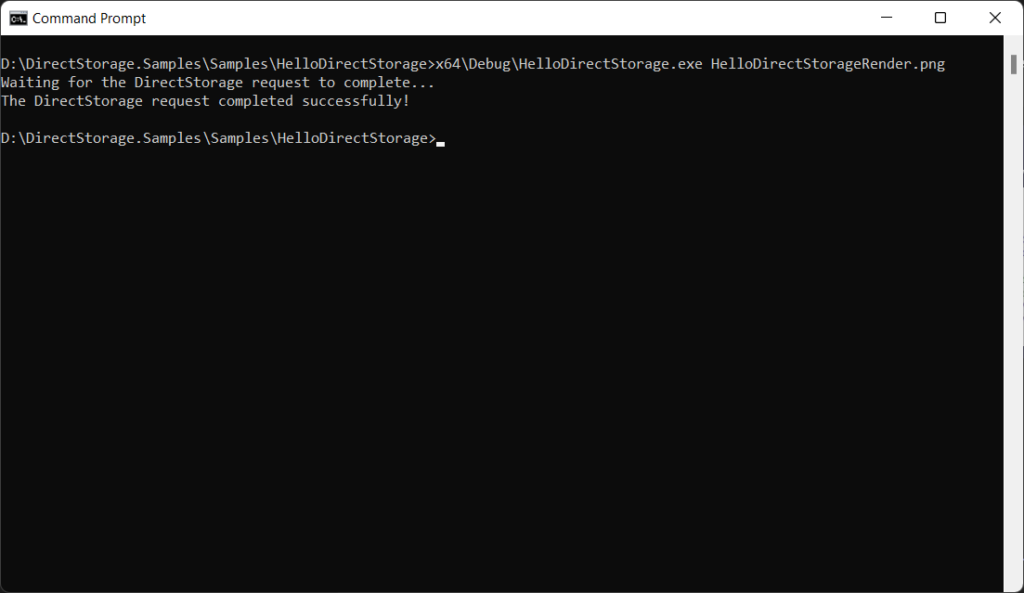
There’s no universal in-game indicator, the most reliable method: check the game’s PC system requirements page on Steam or the developer’s website if DirectStorage is listed as a requirement or feature, it has some level of support. PC gaming sites including Digital Foundry and Tom’s Hardware occasionally publish load time comparisons with DirectStorage enabled and disabled for supported titles.
In Windows, DirectStorage is active by default on Windows 11 when the hardware requirements are met there’s no user toggle needed. If a game supports it and your hardware meets the requirements, it’s running automatically.Windows 11 Gaming Optimisation Settings Guide
The honest state of DirectStorage in 2026
DirectStorage works as advertised in the games that fully implement it. Load times in Returnal, Ratchet and Clank, and other fully-implemented titles are genuinely faster and the technology demonstrates its potential clearly. In games with partial implementation using DirectStorage for CPU offloading without full GPU decompression the benefit is real but modest, typically a few seconds off load times rather than the seamless streaming experience the technology was designed to deliver.

The gap between what DirectStorage can do and what it currently does in most games is a developer adoption problem, not a technology problem. As Unreal Engine 5 and Unity’s streaming systems evolve to natively integrate DirectStorage GPU decompression, more games will benefit automatically rather than requiring studios to build custom implementations. Star Wars Zero Company’s August 2026 launch lists DirectStorage support watch for whether it uses GPU decompression or the more limited CPU offloading implementation, as that distinction will affect whether load times are dramatically faster or modestly faster.Star Wars Zero Company PC System Requirements
For most PC builders in 2026: if you have an NVMe SSD and a DirectX 12 Ultimate GPU, you have DirectStorage working in every supported game. You don’t need to buy different hardware for it. It’s already there.