
Both cards sit in Nvidia’s upper-mid range. Both use Blackwell architecture. Both have DLSS 4 Multi Frame Generation. Both are genuinely good GPUs. As of early September 2026, SpecClear’s Tom’s Hardware street baseline puts the RTX 5070 around ~$799 and the RTX 5070 Ti around ~$1,100. That roughly $300 difference is what this article is about: not whether either card is good, but whether what the Ti adds is worth the premium.
The short answer depends almost entirely on your resolution target and whether you’re staying in Nvidia’s ecosystem long-term.
What’s actually different between them
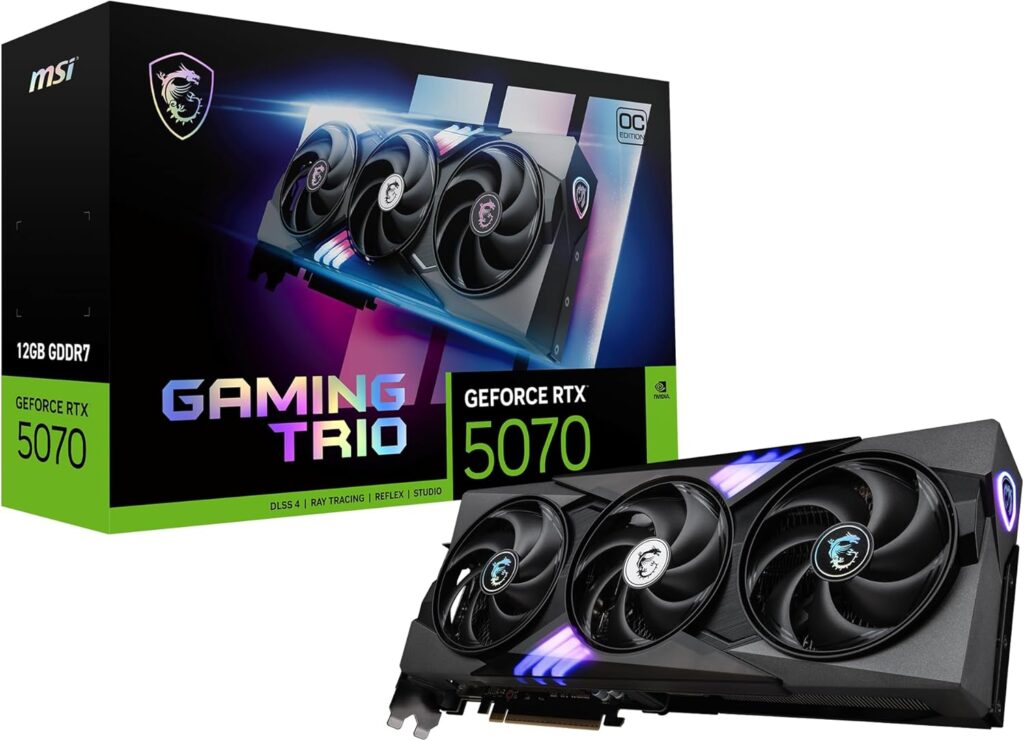
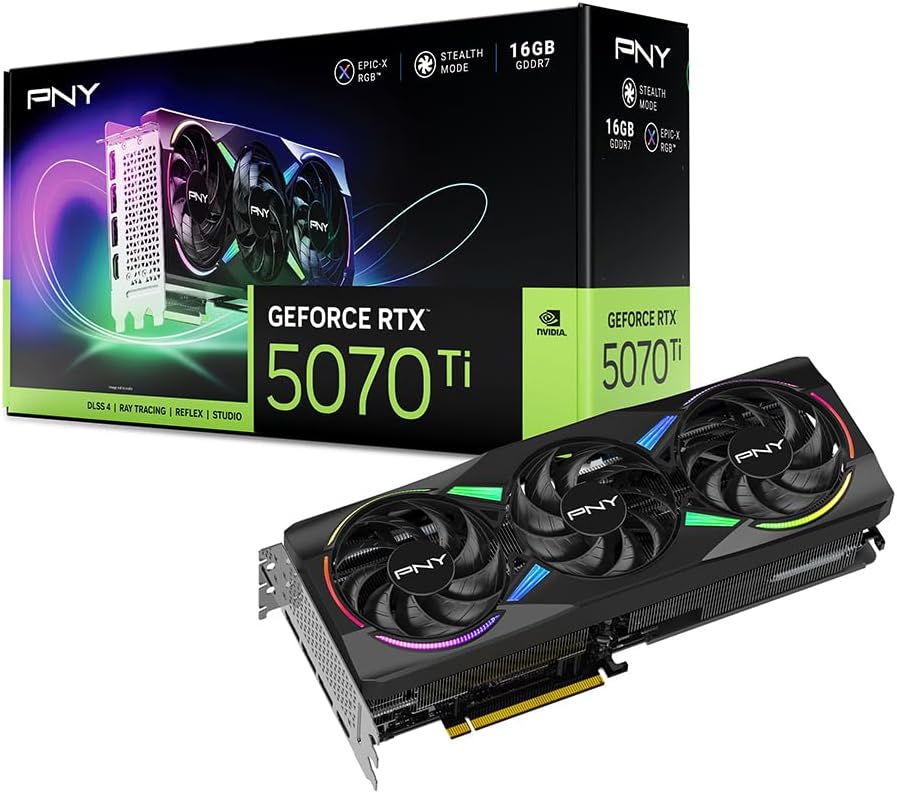
The RTX 5070 uses Nvidia’s GB205 die. The RTX 5070 Ti uses the GB203 die, the same silicon as the RTX 5080, just with fewer cores enabled. That’s a meaningful architectural distinction: these aren’t the same chip at different speeds. They’re different chips with different memory subsystems.
| RTX 5070 | RTX 5070 Ti | |
|---|---|---|
| CUDA Cores | 6,144 | 8,960 |
| Memory | 12GB GDDR7 | 16GB GDDR7 |
| Memory Bus | 192-bit | 256-bit |
| Bandwidth | 672 GB/s | 896 GB/s |
| TDP | 250W | 300W |
| Street Price | ~$799 | ~$1,100 |
Three numbers matter most. The 46% CUDA core increase. The 4GB extra VRAM. And the 33% wider memory bus that delivers 224 GB/s more bandwidth. The RTX 5070 Ti isn’t a tweaked RTX 5070. It’s substantially more card across every meaningful specification.
At 1440p: the resolution where the gap matters less
At 1440p the RTX 5070 is genuinely excellent. It handles the vast majority of current and upcoming titles at high-to-ultra settings above 100 FPS average. With DLSS 4 Quality mode active it pushes well past that ceiling in demanding games. The 12GB VRAM handles 1440p without pressure in most titles. VRAM usage at 1440p ultra rarely exceeds 10–11GB in 2026 games, leaving a buffer before the ceiling shows.
The RTX 5070 Ti at 1440p is faster, typically 25–30% in rasterised workloads based on the CUDA core and bandwidth delta. That gain is real, but it often shows up as 135 FPS where the 5070 was delivering 105 FPS, and both sit above what a 144Hz panel can display at once. The practical experience at 1440p on a 144Hz monitor is very similar between these two cards in the majority of gaming scenarios.
Where the Ti earns its premium at 1440p: demanding ray tracing and path tracing workloads where the additional shader throughput and memory bandwidth make a more visible difference. The RTX 5070 handles moderate RT well. The RTX 5070 Ti handles heavy RT and path tracing comfortably. If you play Cyberpunk 2077 on Overdrive RT mode as your daily setting at 1440p, the Ti is the correct card.
At 4K: where the gap opens up
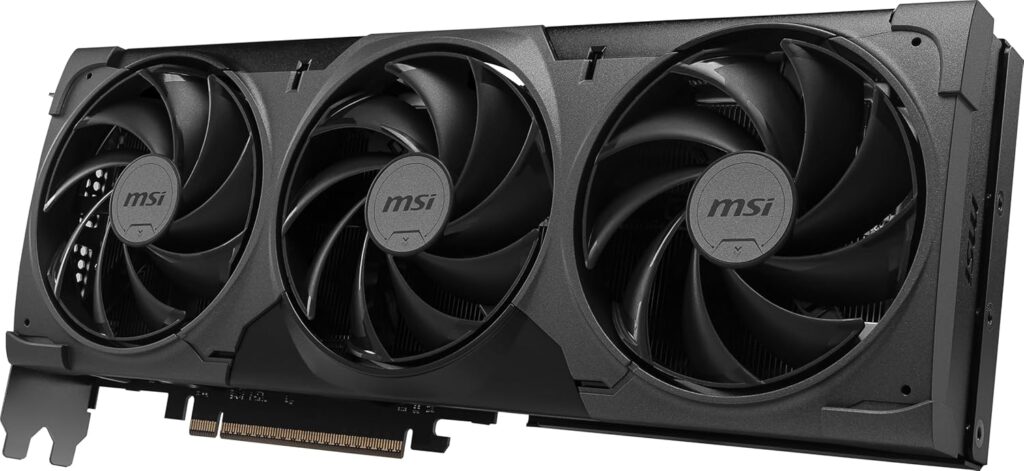
4K is where the RTX 5070 Ti’s advantages compound. The wider 256-bit memory bus and 4GB additional VRAM matter more at 4K than they do at 1440p, more pixels means more data pushed per frame and larger texture buffers for maximum quality settings.RTX 5070 Ti vs RX 9070 XT
The RTX 5070’s 12GB VRAM shows measurable pressure in some 4K scenarios. F1 25 at 4K ultra averages 15.5GB VRAM usage, comfortably above the 5070’s buffer. With DLSS 4 Quality mode active the rendering resolution drops to approximately 1440p, bringing VRAM demand down to manageable levels for 12GB cards. But if you want to push 4K without heavy reliance on upscaling, the RTX 5070 Ti’s 16GB and wider bus handle it more cleanly.
The RTX 5070 is a capable 4K card with upscaling. The RTX 5070 Ti is a comfortable 4K card with or without it. That distinction becomes more meaningful as games push higher VRAM demands over the next two to three years.
The VRAM longevity argument: honest assessment
16GB ages better than 12GB. That statement is straightforwardly true: VRAM requirements in PC games have increased consistently every year. The RTX 5080’s 16GB is already showing early ceiling signs in the most demanding 4K scenarios in 2026. The RTX 5070’s 12GB shows the same signs sooner.
If you’re buying a GPU and intending to keep it for four or five years, the RTX 5070 Ti’s 16GB buffer provides more headroom against that rising floor than the 5070’s 12GB does. It’s not a guarantee (nobody knows what VRAM requirements look like in 2029), but the direction is clear and the Ti is better positioned for it.
For buyers who upgrade GPUs every two to three years, this matters less. The 5070’s 12GB is fine for the foreseeable near-term and whatever replaces it in two years will be better again.
Power and PSU implications
The RTX 5070 draws 250W. The RTX 5070 Ti draws 300W. In a complete system with a Ryzen 7 9800X3D, that means 850W is the comfortable PSU choice for the 5070 and 1000W for the Ti. If you already have an 850W quality PSU, the RTX 5070 fits without upgrading it. Adding a Ti may require a PSU upgrade that adds to the real total cost of the comparison. Factor that in before the purchase decision.
The RTX 5070 Ti price check: critical before buying
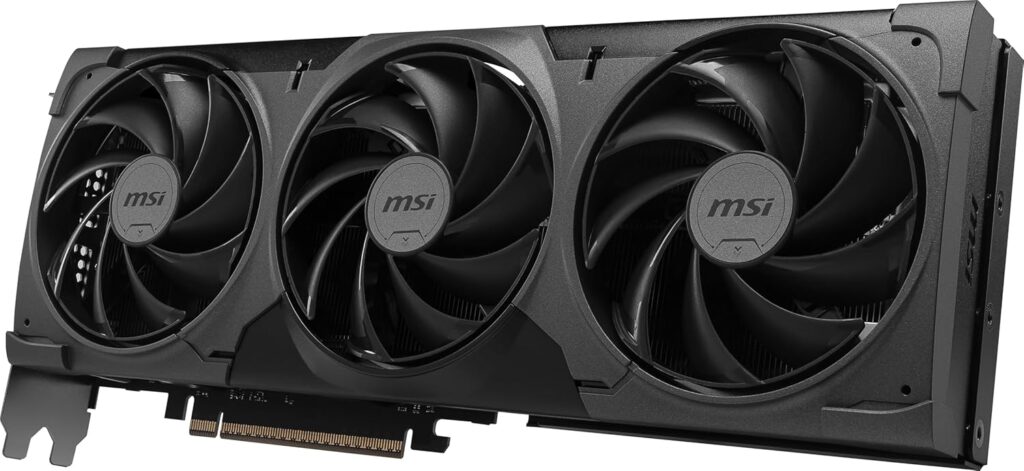
Launch MSRP was $549 for the RTX 5070 and $749 for the RTX 5070 Ti. Early September 2026 street pricing is harsher: SpecClear’s Tom’s Hardware baseline puts the 5070 near ~$799 and the Ti near ~$1,100, with the 5080 around ~$1,579. At those streets the Ti costs roughly $300 more than the 5070, and the 5080 is close enough that comparing Ti versus 5080 (not just Ti versus 5070) becomes relevant. Check live listings before you commit; a lucky Ti closer to $900 changes the math, and a 5070 stuck above $850 weakens the non-Ti case.Is the RTX 5080 Worth It or Should You Save for the 5090
The verdict by use case
Gaming at 1440p on a 144Hz display, primarily rasterised titles: buy the RTX 5070. The performance gap usually doesn’t justify ~$300 more at this resolution and refresh rate. Put that money toward a better monitor, faster RAM, or a larger SSD.
Gaming at 1440p with heavy ray tracing as a daily setting: buy the RTX 5070 Ti. The RT headroom and VRAM buffer are genuinely better for this specific use case and the extra spend earns its keep.
Gaming at 4K: buy the RTX 5070 Ti. The 16GB VRAM and wider memory bus handle 4K more comfortably and the performance gap opens meaningfully at this resolution. The 5070 is a capable 4K card with upscaling; the Ti is the more comfortable one.Best 4K Gaming PC Build 2026
Long upgrade cycle (4+ years): buy the RTX 5070 Ti. The VRAM longevity argument is real over that timeframe.
Streaming and content creation alongside gaming: buy the RTX 5070 Ti. The additional CUDA cores accelerate GPU-based encoding and creative workflows proportionally to the core count increase.
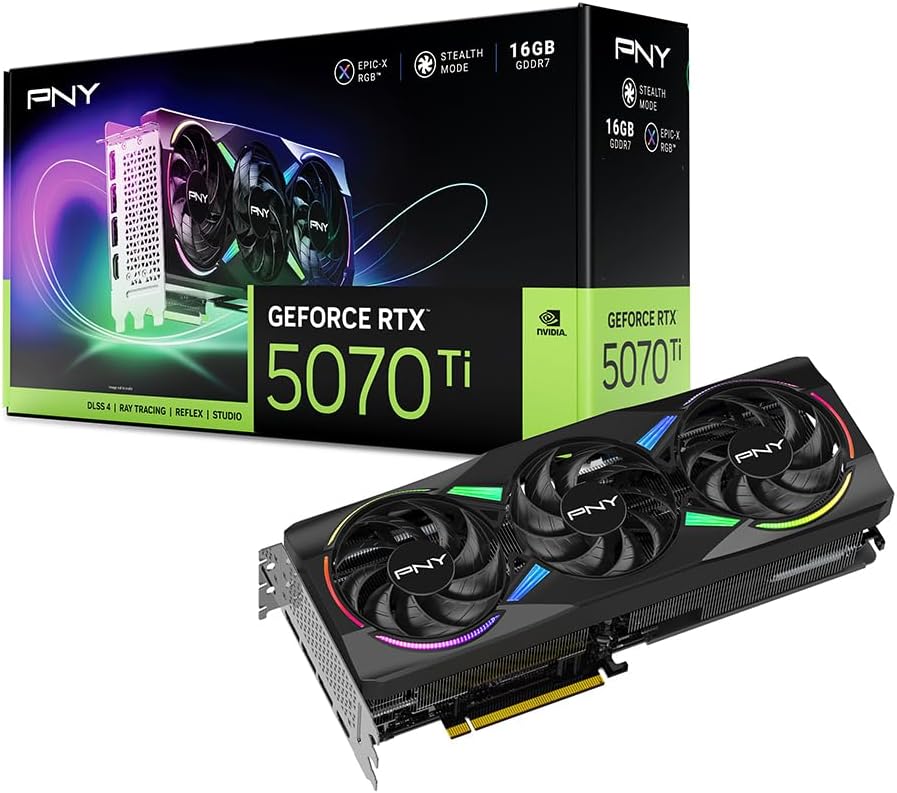
The RTX 5070 is not a compromise card. Near ~$799 street it’s still a strong 1440p GPU with the full Blackwell feature set. The Ti is better in ways that matter; the question is whether those differences matter enough for how you specifically game to justify ~$300 more. At 1440p raster-only gaming, often not. At 4K or heavy RT, usually yes.Nvidia RTX 50 Super: Everything We Know