
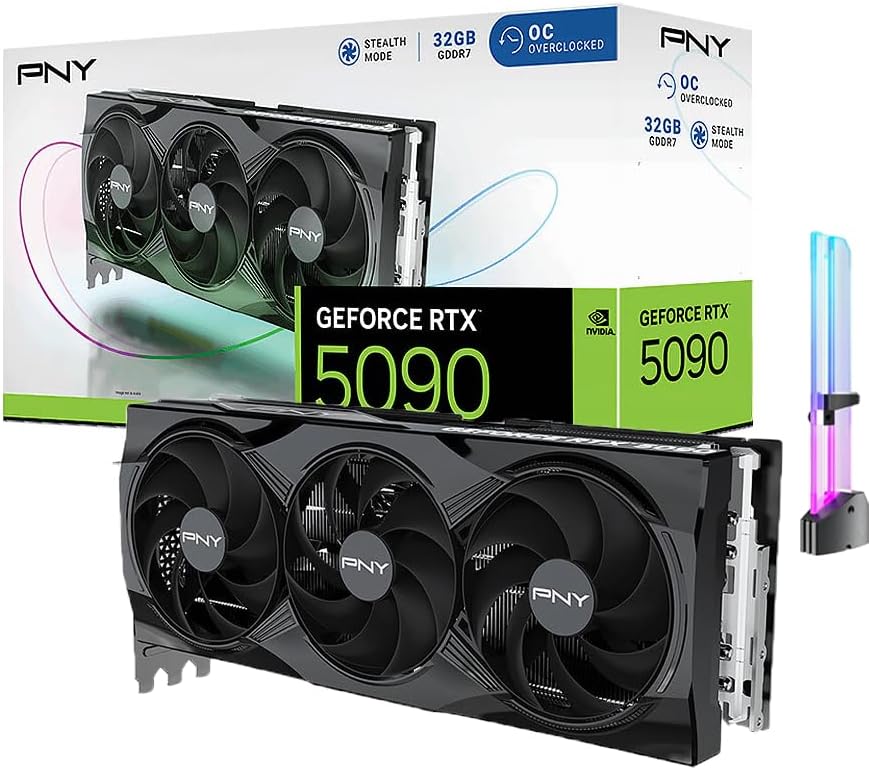
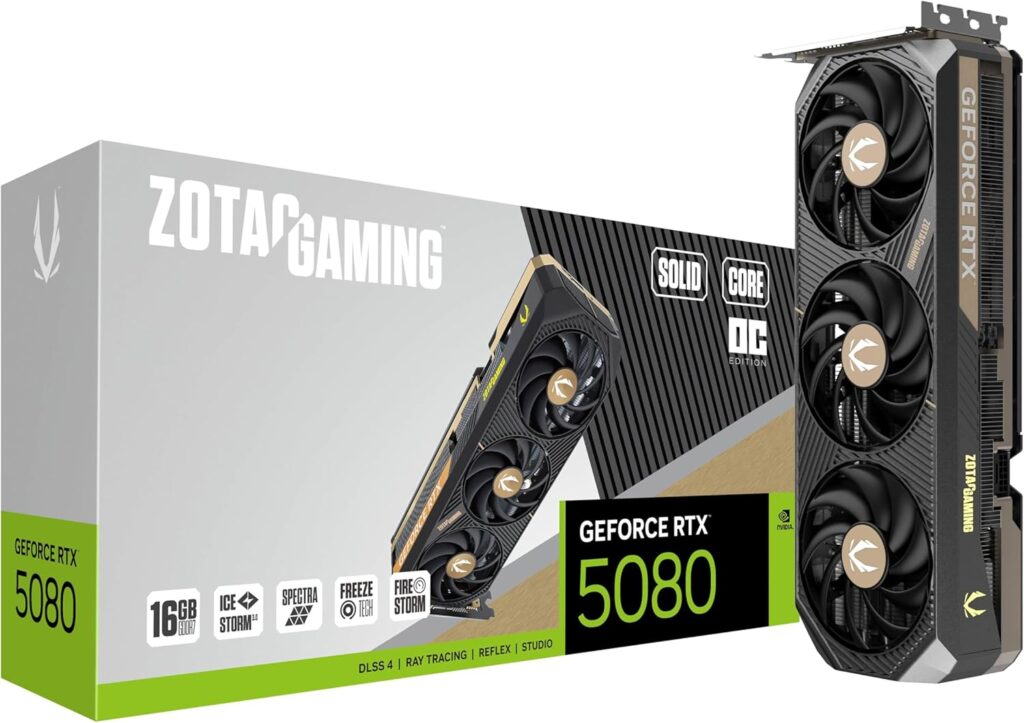
The RTX 5080 costs around ~$1,500–$1,600 The RTX 5090 costs around ~$4,500–$5,200 depending on where you find it and when. That’s a ~$1,500–$1,600 gap enough to buy a Ryzen 7 9800X3D, a 32GB DDR5-6000 kit, a 2TB NVMe SSD, and still have money left over.-
What you get for that gap is a 30–55% performance advantage at 4K and double the VRAM. Whether that trade-off makes sense depends almost entirely on what you’re actually doing with the card. For the majority of high-end PC gamers the answer is clear. For a specific minority it’s equally clear in the other direction.
Here’s the full breakdown: rtx 5080 vs rtx 5090
The gap between these two cards is the biggest in Nvidia history
Previous generation xx80 vs xx90 comparisons were close. The RTX 4080 versus RTX 4090 showed a 20–30% performance difference at 4K significant but not staggering. The RTX 3080 versus RTX 3090 was closer still, with the 3090’s 24GB VRAM being the primary differentiator rather than raw shader performance.
Blackwell changed that. The RTX 5090 uses the full GB202 die. The RTX 5080 uses the smaller GB203 almost exactly half the silicon by shader count. The result is the widest performance gap between an xx80 and xx90 tier Nvidia has shipped in the modern era.
At 4K, the RTX 5090 runs 30–68.9% faster than the RTX 5080 depending on the game, with results commonly landing in the 45–55% range. That’s not a marginal upgrade it’s a different performance tier entirely.
What the RTX 5080 actually delivers
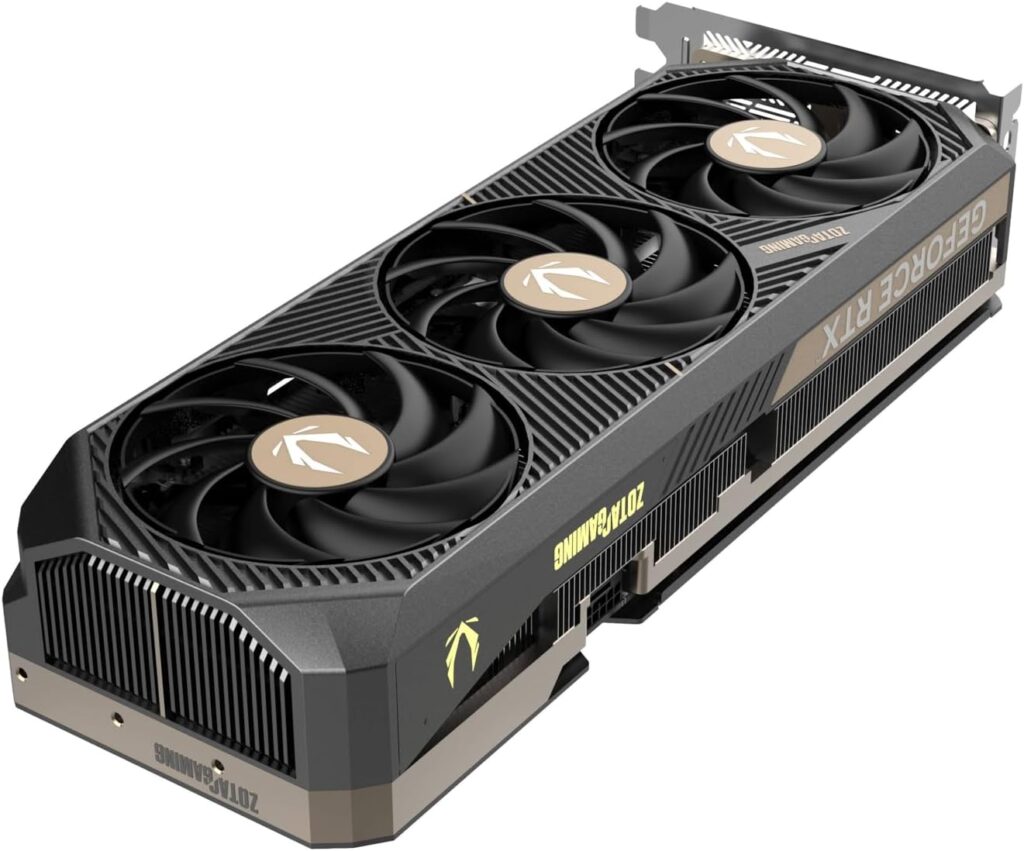
The RTX 5080 at ~~$1,500–$1,600 is a genuinely capable high-end GPU. 10,752 CUDA cores, 16GB GDDR7 on a 256-bit bus, 360W TDP, full Blackwell feature set including DLSS 4 Multi Frame Generation.
At 4K with DLSS 4 Quality mode enabled it maintains 75–85 FPS average in demanding AAA titles at high settings. With MFG active those numbers climb substantially 100+ FPS displayed in most titles, significantly higher in less demanding ones. For a 4K 120Hz gaming setup this is a genuinely capable card today.
At 1440p the RTX 5080 is overkill for almost every game in 2026. Frame rates at 1440p push well past 165 FPS in virtually every title you’re paying for 4K headroom that 1440p simply doesn’t exercise. If you game at 1440p and intend to keep doing so, the RTX 5070 Ti at ~$919 delivers 80–85% of the 5080’s 1440p performance at $200 less. The 5080 earns its premium at 4K. At 1440p its value case is weaker.
The RTX 5080 delivers solid performance running 68°C under load while remaining notably quieter than triple-fan RTX 5090 models and its compact dual-slot Founders Edition form factor fits comfortably in mid-tower cases where some 5090 AIB models cause clearance issues.
What the RTX 5090 actually delivers
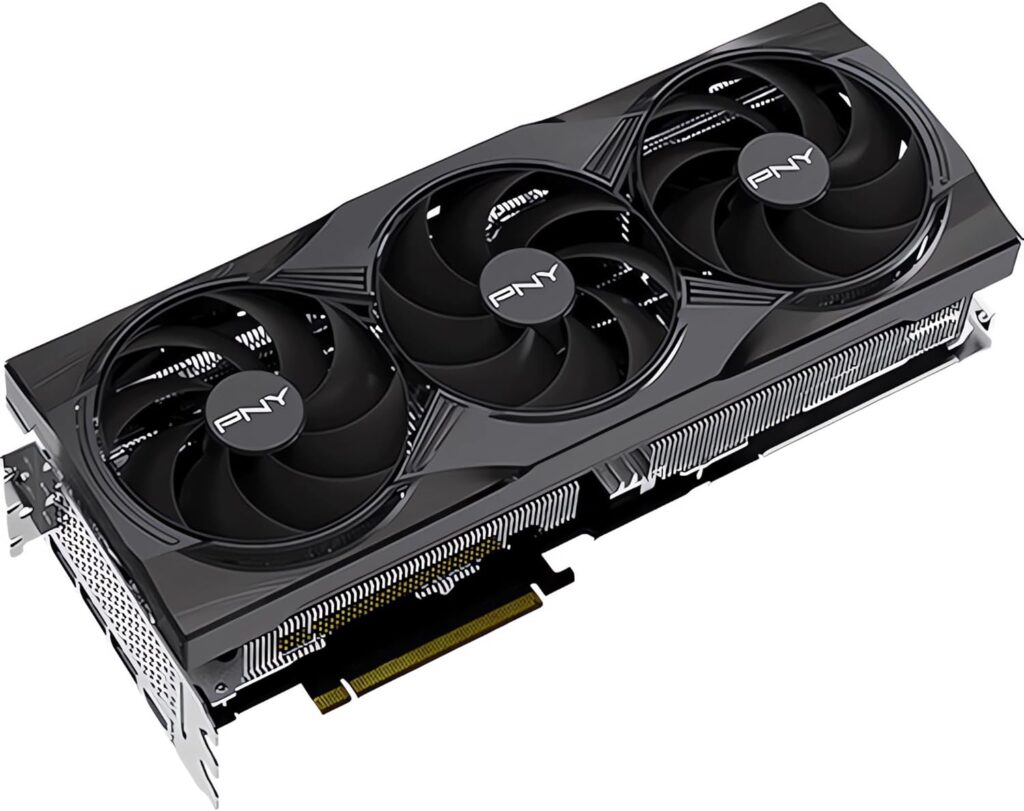
The RTX 5090 at ~$4,500–$5,200 street is the fastest consumer GPU ever made. 21,760 CUDA cores, 32GB GDDR7 on a 512-bit bus, 1,792 GB/s memory bandwidth, 575W TDP. The specifications are in a category of their own.
At 4K with heavy ray tracing the 5090 maintains frame rates the 5080 can’t reach even with DLSS assistance. In Cyberpunk 2077 at Overdrive RT settings, Alan Wake 2 at full path tracing, and UE5-heavy titles with demanding geometry and lighting, the 5090’s shader headroom and memory bandwidth deliver a 4K experience that genuinely holds above comfortable frame rates without reaching for upscaling as aggressively.
The 32GB VRAM is the second argument. For gaming in 2026 it’s headroom rather than necessity no current title requires 32GB. The games that push the 5080’s 16GB ceiling are edge cases involving 8K texture mods, photogrammetry-heavy flight simulators, and heavily modded open-world titles. By 2028 or 2029 that picture looks different. The 5090’s VRAM is a future-proofing argument, not a current-necessity argument.
For local AI workloads the calculation shifts, the RTX 5090’s 32GB VRAM is genuinely transformative for running 27B–34B parameter models in 4-bit quantisation entirely in VRAM, batching multiple SDXL images, or local video generation workloads the 5080’s 16GB handles poorly or can’t handle at all. If your PC runs AI workloads alongside gaming, that distinction is real and material.
The PSU requirement non-negotiable for the 5090
The RTX 5090 draws 575W a complete system with a Ryzen 9 9800X3D and all peripherals can push 750W or more under peak load. A quality 1000W PSU is the minimum for a 5090 build 1200W is the comfortable recommendation.
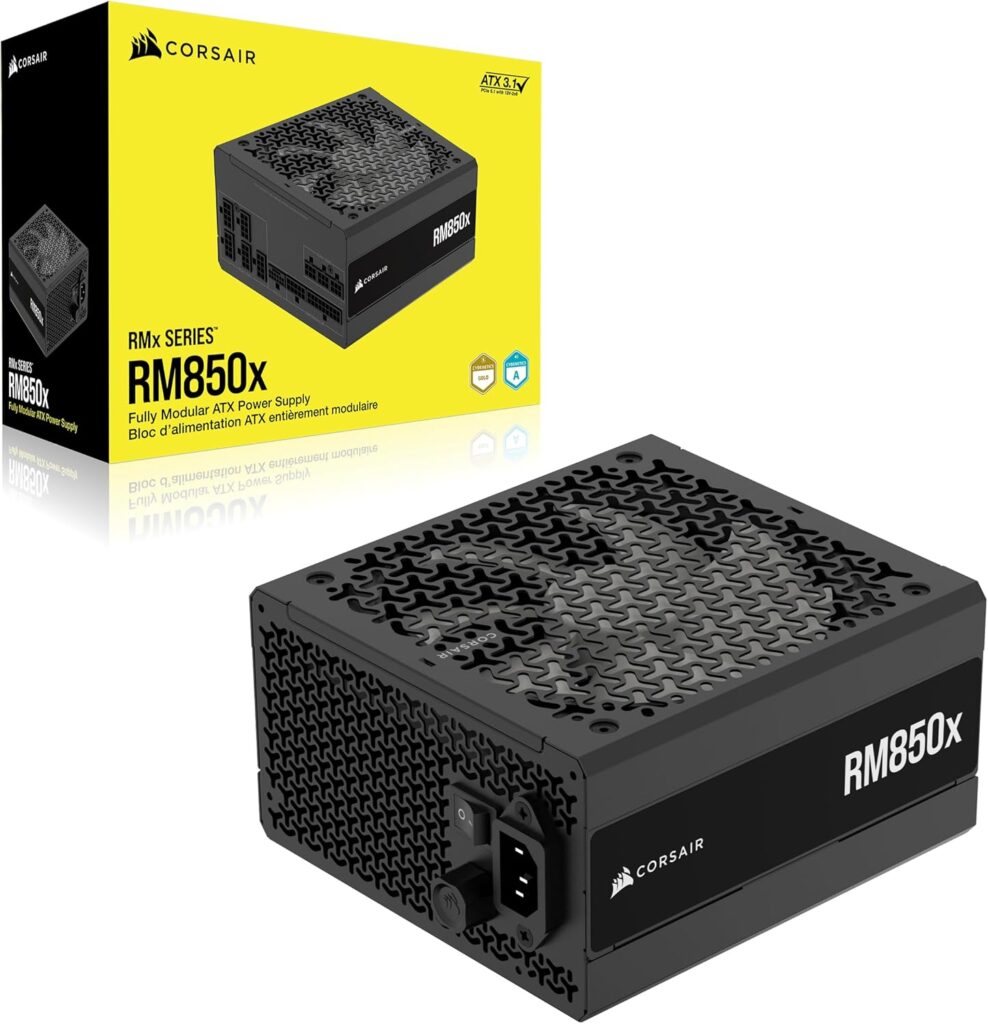
The RTX 5080 at 360W is far more manageable, a quality 850W PSU handles it with comfortable headroom in a full system build. That’s a meaningful difference in PSU cost and in the thermal load the system operates under.
The value calculation at current street prices
The RTX 5090 costs 125% more than the RTX 5080 at current street prices but delivers 45 55% more performance, making it difficult to justify for pure gaming use.
That’s the core of the value argument and it holds up. Paying 125% more for 50% more performance is objectively poor value-per-dollar. The 5080 wins that comparison clearly for gaming-focused buyers.
The counter-argument is that value-per-dollar is the wrong metric for buyers in this price bracket. People spending $2,000+ on a GPU are not optimising for value-per-dollar they’re buying the best available. The RTX 5090 is the best available by a wide margin. If maximum performance regardless of cost is the purchase criterion, the 5090 is the answer.
Who should buy the RTX 5080
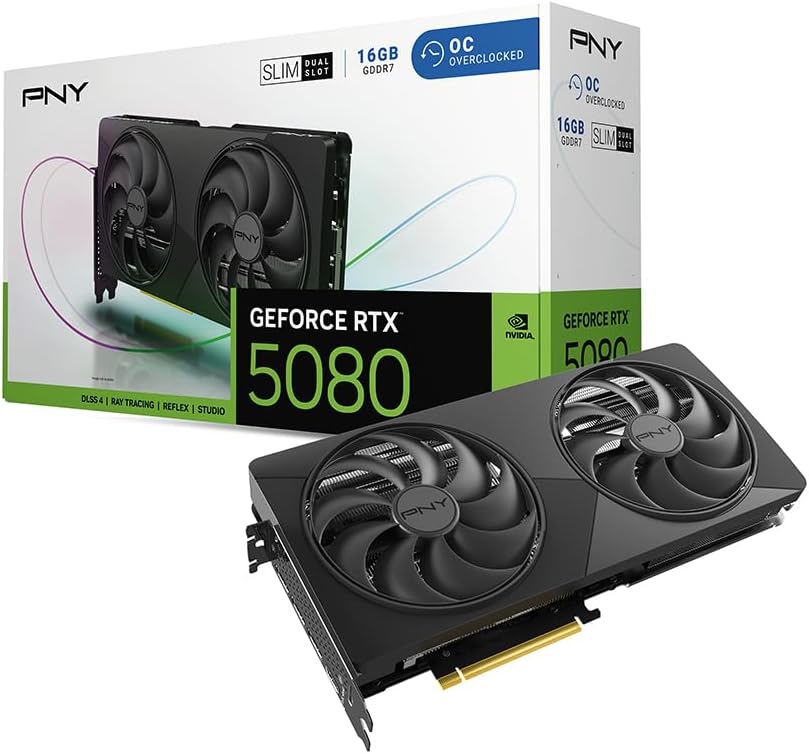
The RTX 5080 is the right card if you game at 4K on a 120–165Hz display, you use the PC for occasional creative work but not sustained AI or rendering workloads, and the ~$1,500–$1,600 gap between the two cards matters anywhere else in your build budget. It delivers a genuinely excellent 4K gaming experience with DLSS 4 and full Blackwell features at a price that, while still high, doesn’t require financing a GPU.
It’s also the right card if you’re gaming at 1440p and want absolute headroom for the next several years. The 5080 at 1440p is so far ahead of any game’s demands that it won’t be the bottleneck in any title for the foreseeable future.
Who should buy the RTX 5090
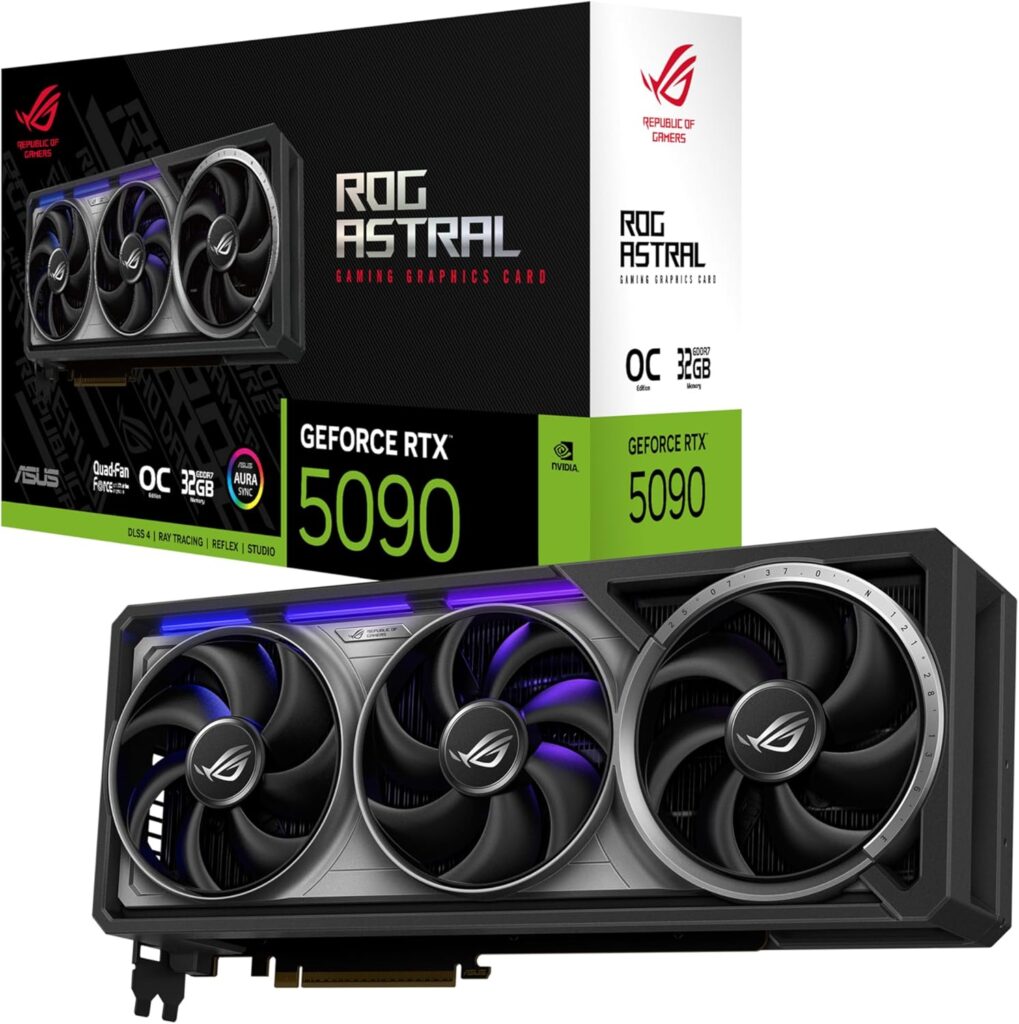
The RTX 5090 is the right card if you target 4K at 165Hz+ with heavy ray tracing enabled by default, you run local AI workloads regularly, you do professional rendering or video production work on the same system, or you simply want the fastest consumer GPU available and the price is not a decision factor.
It’s also worth considering if you’re on a long upgrade cycle buying a GPU every five or six years. The 5090’s 32GB VRAM and wider silicon mean it’ll remain relevant through more future game generations than the 5080’s 16GB. The 3090’s continued relevance in 2026 while the 3080 has become budget hardware is the historical precedent.
The PSU and case check before buying either
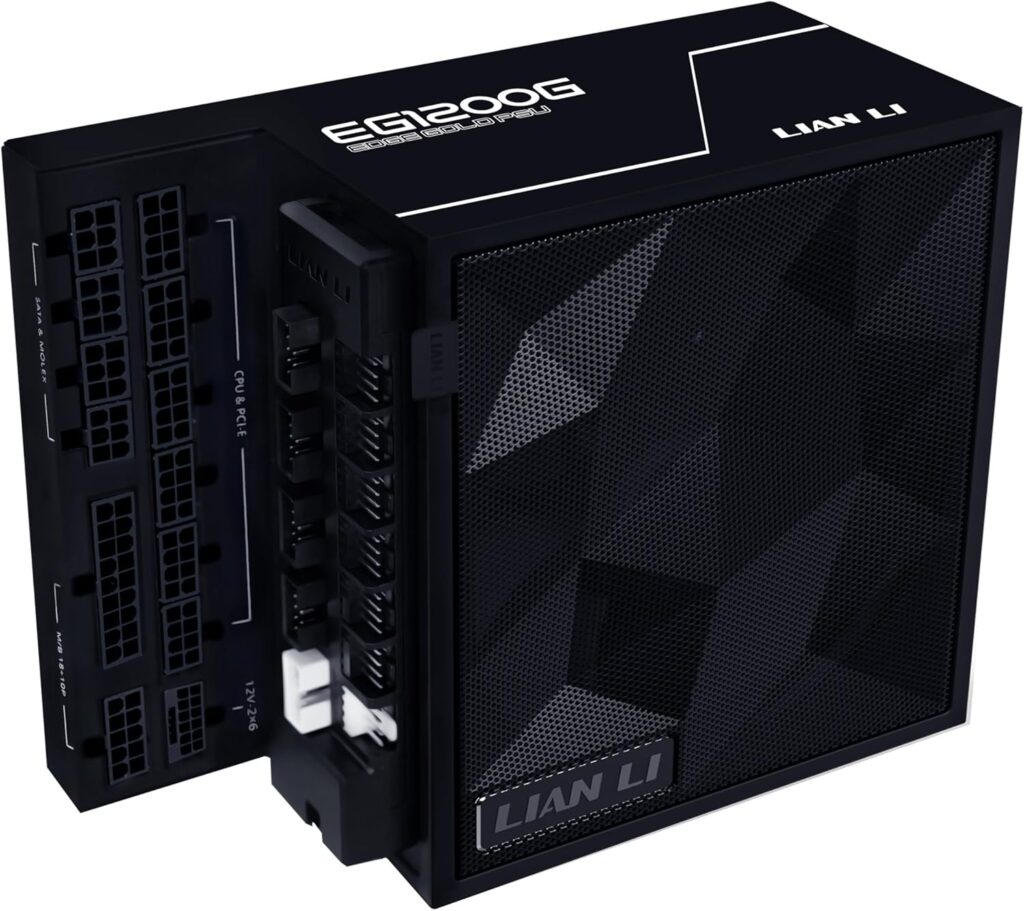
RTX 5090: minimum 1000W PSU from a reputable brand, 1200W recommended. The card uses a 16-pin 12V-2×6 connector verify your PSU has a native ATX 3.1 cable rather than an adapter if possible. Triple-slot AIB models require case clearance verification measure your case’s GPU clearance against the specific card you’re buying.
RTX 5080: 850W minimum, 1000W recommended for full system headroom. The Founders Edition dual-slot design fits standard mid-tower cases without clearance concerns. Most AIB 5080 models are similarly compact.
The verdict
Buy the RTX 5080 if you game at 4K on a 120–165Hz display and don’t regularly run AI or professional rendering workloads. It’s an excellent card at its price and the $1,100+ saved versus the 5090 funds the rest of an outstanding build.
Buy the RTX 5090 if maximum 4K performance is the singular goal, you run AI workloads on the same system, you’re on a long upgrade cycle and want the longest possible relevance window, or the price difference genuinely doesn’t factor into your decision.
Don’t buy either card for 1440p gaming. The RTX 5070 Ti at ~$919 is the correct high-end choice at 1440p and the money saved is better spent elsewhere.