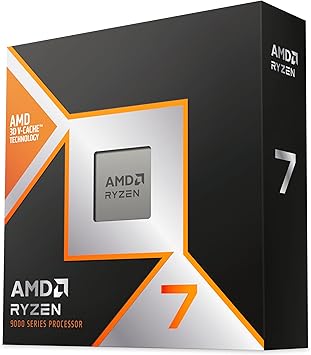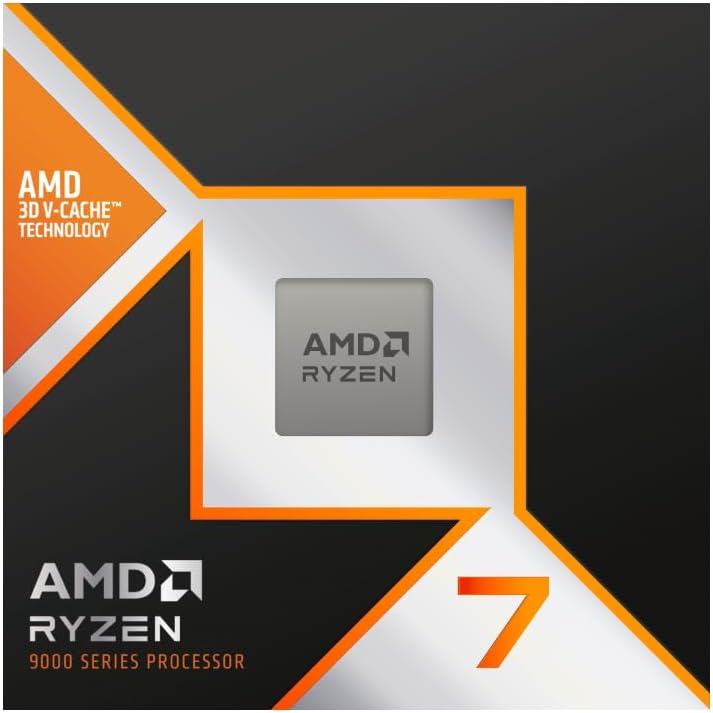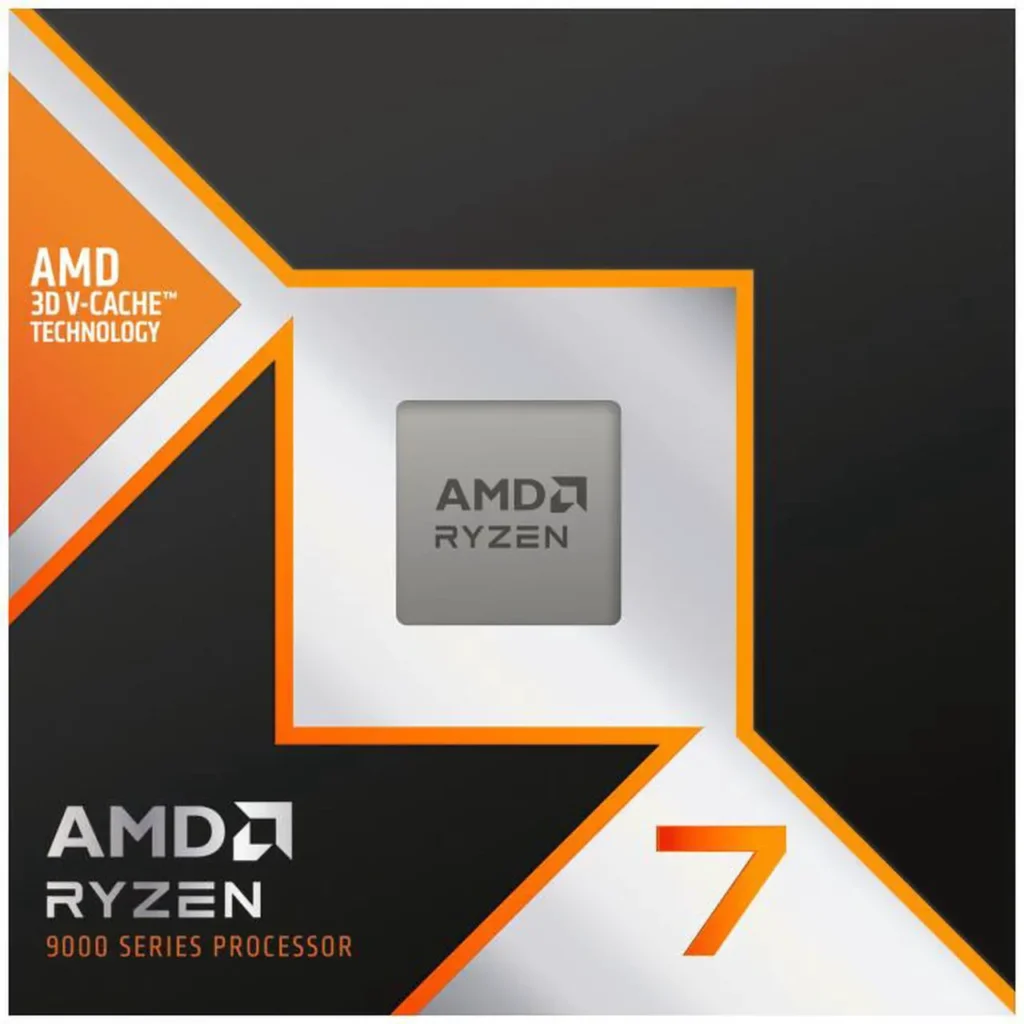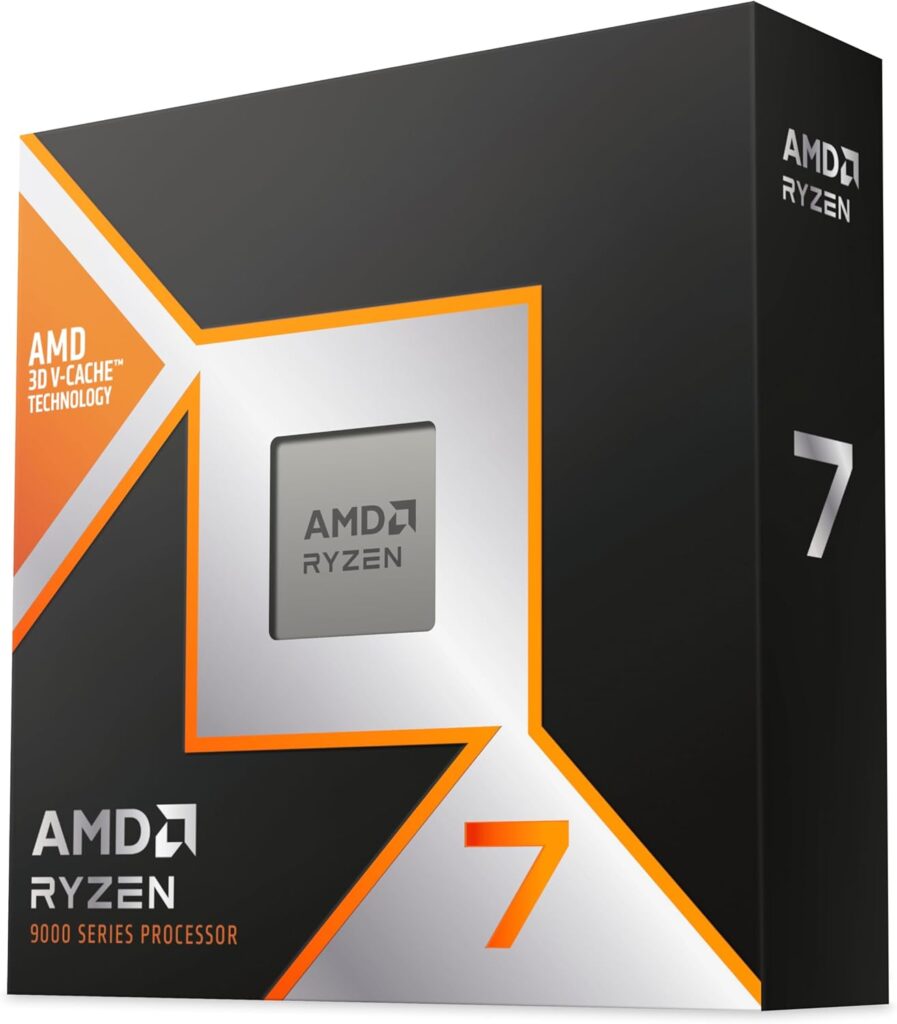
Ryzen 7 9850X3D vs 9800X3D The Ryzen 7 9850X3D launched January 29 and immediately created an awkward situation for the 9800X3D a chip that was, until that moment, the undisputed fastest gaming CPU on the market. The new chip costs $30 more at MSRP, boosts 400MHz higher, and is technically faster in every benchmark.
It’s also one of the closest CPU comparisons ever conducted, and the decision it creates is more interesting than the performance numbers suggest.
Here’s the short version: if you’re building new and both chips are at normal retail prices, buy the 9850X3D. The $30 premium is irrelevant in the context of a $1,000+ build. If you own a 9800X3D and you’re thinking about upgrading to a 9850X3D, stop. There’s nothing there worth paying for.
Everything below explains why both of those positions are correct simultaneously.
Ryzen 7 9850X3D vs 9800X3D: What’s Actually Different
The spec sheets look identical at a glance. Eight Zen 5 cores and 16 threads. 96MB of L3 cache via 3D V-Cache. 4.7GHz base clock. 120W TDP. AM5 socket.
One thing changed: the maximum boost clock. The 9800X3D boosts to 5.2GHz. The 9850X3D boosts to 5.6GHz. That’s a 400MHz or 8% frequency advantage. Club386 confirmed the 9850X3D’s boost clock runs around 200MHz faster than the 9800X3D during actual gaming rather than the full 400MHz paper difference, because real-world boost behaviour doesn’t sustain peak clocks continuously.
The 9850X3D is better-binned silicon. AMD selected chips capable of hitting 5.6GHz while staying within the same 120W TDP spec. It’s essentially the same processor, built on the same architecture with the same cache, with more frequency headroom from better chip quality. If you’ve read about “binned” CPUs before, this is the clearest example of that concept in AMD’s current lineup.
The Gaming Performance Gap: Smaller Than It Sounds

Tom’s Hardware’s 16-game test at 1080p running an RTX 5090 specifically to remove GPU bottleneck from the comparison found the 9850X3D averaging 211.2 FPS versus the 9800X3D’s 204.6 FPS. That’s a 3.2% lead.
GamersNexus put the ceiling at 4% faster, and noted the chips are “sometimes identical.” The 1–4% range is consistent across every independent review that tested them back to back.
Where the gap widens: CPU-sensitive titles and esports games with very high frame rates. DOOM: The Dark Ages showed 12.6% better 1% lows on the 9850X3D despite nearly identical average FPS the higher boost clock helping the worst frame time spikes rather than the average. Baldur’s Gate 3 and F1 24 showed 5–6% advantages for the 9850X3D. These are real differences in the right workloads.
Where the gap closes or reverses: Club386 found the 9800X3D beating the 9850X3D by 12fps in Mount & Blade II: Bannerlord due to game-specific scheduling behaviour. It’s a genuine result, not a testing error, and it illustrates the unpredictability of comparing chips this close together. Rainbow Six Siege showed a 2fps average advantage for the 9850X3D but a 5fps worse minimum trading consistency for a fractionally higher ceiling.
The honest summary: at 1440p and 4K, the difference between these chips approaches zero. The GPU becomes the bottleneck before either CPU reaches its limit. The performance gap that does exist is only visible at 1080p with a top-tier GPU, and even there it averages 3%.
The Power Consumption Problem Nobody Mentions
This is the data point that should matter more to the 9850X3D’s value proposition than it currently does.
Tom’s Hardware measured power draw during gaming: the 9850X3D pulled 106W versus the 9800X3D’s 81.4W. That’s 30% more power for 3.2% more performance.
The 9850X3D doesn’t have a higher TDP rating on paper both chips list 120W. But the higher boost clocks require more voltage to sustain, and that voltage increase shows up in real-world power draw. The thermal difference is small — 61°C versus 58°C during gaming testing so it won’t cause a cooling problem on any competent cooler. But the efficiency story is clearly in the 9800X3D’s favour. If you care about running the coolest, most efficient gaming CPU, the 9800X3D is the better chip for that specific priority.
For most gamers in well-ventilated cases, this doesn’t matter. But it’s worth knowing.
The PBO Factor: Why the 9800X3D Can Close the Gap

Tom’s Hardware confirmed something important: with AMD’s Precision Boost Overdrive enabled in BIOS, the 9800X3D can make up the performance gap between itself and the 9850X3D entirely.
The 9800X3D’s frequency ceiling with PBO enabled on good silicon is around 5.4GHz roughly where the 9850X3D runs in practice during gaming. The 9850X3D, in contrast, doesn’t benefit much from pushing its boost clock even higher via PBO, because the scheduler and game threading behaviour doesn’t extract more performance from the extra frequency headroom above what it’s already hitting.
If you own a 9800X3D with PBO enabled, you’re already running at the 9850X3D’s effective performance level in most games. The 9850X3D is the guaranteed version of the frequency the 9800X3D can reach through overclocking. It just does it out of the box without touching BIOS.
The $30 Gap in Context

At current retail prices, the 9850X3D runs ~$499 and the 9800X3D runs $449-$469 on Amazon. Newegg has the 9800X3D at $450 with a coupon code on some listings, putting the real-world gap at closer to $50. That spread may change as 9800X3D inventory runs lower and the 9850X3D becomes the standard.
In the context of a full gaming build where the GPU alone costs $450–$670, the motherboard $109–$200, RAM $190 plus the price difference between these two chips is a rounding error. Technerdo’s review put it directly: for a new build where the gap is close to $20–$30, the 9850X3D is the easy default choice. You’re buying guaranteed best silicon, a higher out-of-box boost clock, and a chip that remains the fastest gaming CPU available regardless of how small that lead is.
Upgrading from a 9800X3D already in your system is the different question. There the answer is: don’t. Pulling a chip from a working AM5 build, selling it used at a loss, buying a new chip for $499, and reinstalling it for a 3% average gaming improvement is not a rational use of money. Put the $150 real cost of that transaction toward a better GPU.
The DDR5 Speed Surprise: Neither Chip Cares Much
This is relevant to anyone building in 2026 where DDR5 prices remain elevated. AMD confirmed and GamersNexus verified that the FPS difference between DDR5-4800 and DDR5-6000 on either X3D chip is less than 1% in gaming.
The V-Cache’s massive L3 provides a buffer that dramatically reduces how often the CPU needs to go out to main memory. When it does go to memory less often, memory speed matters less. You don’t need to pay premium prices for high-speed DDR5 kits to get the most from the 9850X3D or 9800X3D. DDR5-5600 or DDR5-6000 at a reasonable price point is fine. The entry-tier DDR5-4800 that comes in cheaper kits only leaves 1% on the table.
In the current RAM shortage environment, this distinction matters. You can pair either chip with mid-range DDR5 and not feel the compromise.
The Verdict


Building new: buy the 9850X3D if both chips are within $50 of each other in price. The guaranteed higher boost clock and marginally better silicon are worth the premium in the context of any complete gaming build. It holds the title of the fastest gaming CPU available.
Upgrading from a 9800X3D: skip it. The performance difference won’t be noticeable in any realistic gaming scenario. Enable PBO on your existing chip, which costs nothing, and you’ll be within the same performance window.
Choosing between the 9850X3D and 9950X3D: the 9800X3D article on SpecClear covers that decision in detail. The short version: they match in gaming, and the 9950X3D premium pays for productivity workloads, not for gaming gains.
The AM5 platform supports AMD’s confirmed roadmap through 2029. Either chip is a platform investment with headroom. Pick the one that fits your budget and move on the GPU matters more.
SpecClear participates in affiliate programmes. When you purchase through links on this site we may earn a commission at no additional cost to you.