
SpecClear earns a commission if you buy through Newegg links on this page, at no extra cost to you.
AMD’s loudest Computex 2026 slides were chips and GPUs. The quiet slide that actually changes your cart was simpler: Socket AM5 support through 2029.
That is not housekeeping. It is the platform decision that decides whether you buy AM5 now, wait on DDR5 pain, or squeeze one more season out of AM4.
This is classic AMD and we welcome it with open arms. This literally means you can get far more out of your AMD platform than someone using Intel chipsets. The advantage is the savings you’ll make over the long run.
Last verified: September 12, 2026. AM5 through at least 2029 is the public commitment. Zen 6 desktop remains an AM5 story. DDR5 kit pricing is still ugly enough that a healthy AM4 box can be the rational hold.
What AMD actually committed to
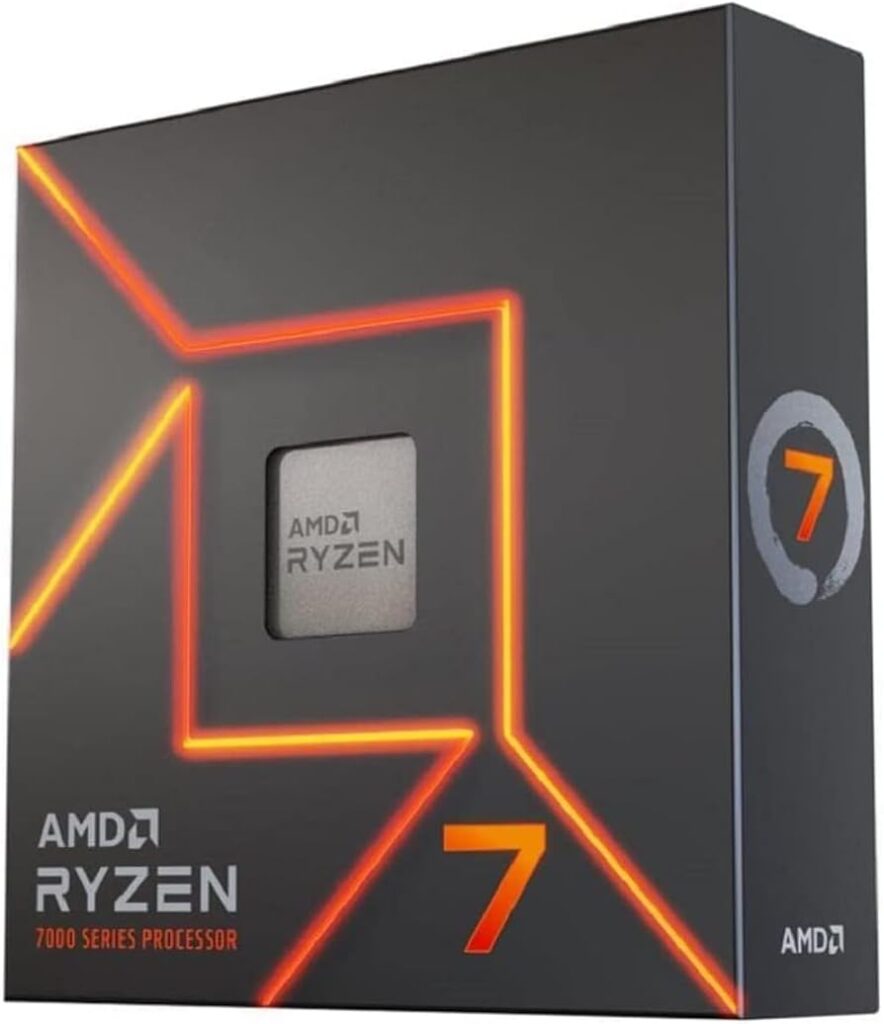
AM5 launched with Ryzen 7000 in 2022 on a “through at least 2025” promise. Later messaging stretched to “2027 and beyond.” At Computex 2026 AMD put 2029 on the table and dropped the fuzzy suffix.
“And beyond” is a vibe. 2029 is a date. Plan around the date.
AM5 already hosted Zen 4, Ryzen 8000 APUs, and Zen 5. The extension makes Zen 6 on the same socket the expected path, with room in the calendar for whatever AMD chooses to call the generation after that. One board can cover years of CPU drops if BIOS support lands.
AM4 taught people what that feels like. AMD is telling you AM5 is built to rhyme with it.
Zen 6 in practice
Desktop Zen 6 (“Olympic Ridge”) is not a “buy tomorrow morning” product in September 2026. Treat it as a 2027-class upgrade wave for most builders. Server timelines move on their own clock.
Practical meaning: a B650 or X870 board you buy now should take a Zen 6 CPU later with a BIOS update. Same DDR5 kit if you already own the sticks. That is the AM4 trick people loved, replayed on a modern memory standard.
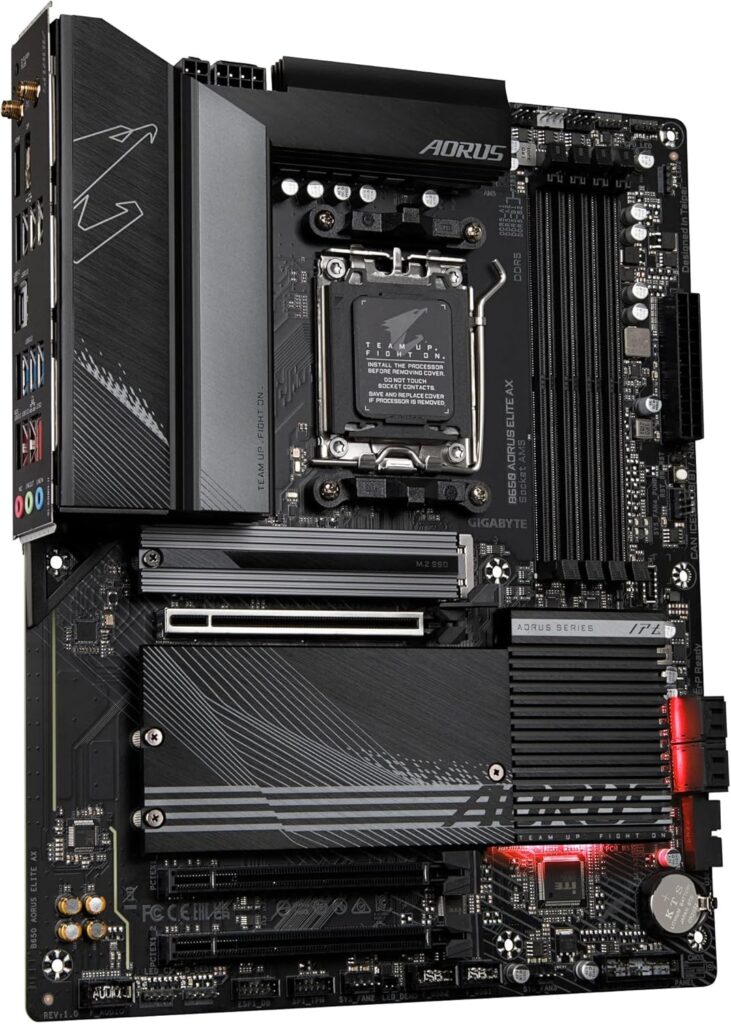
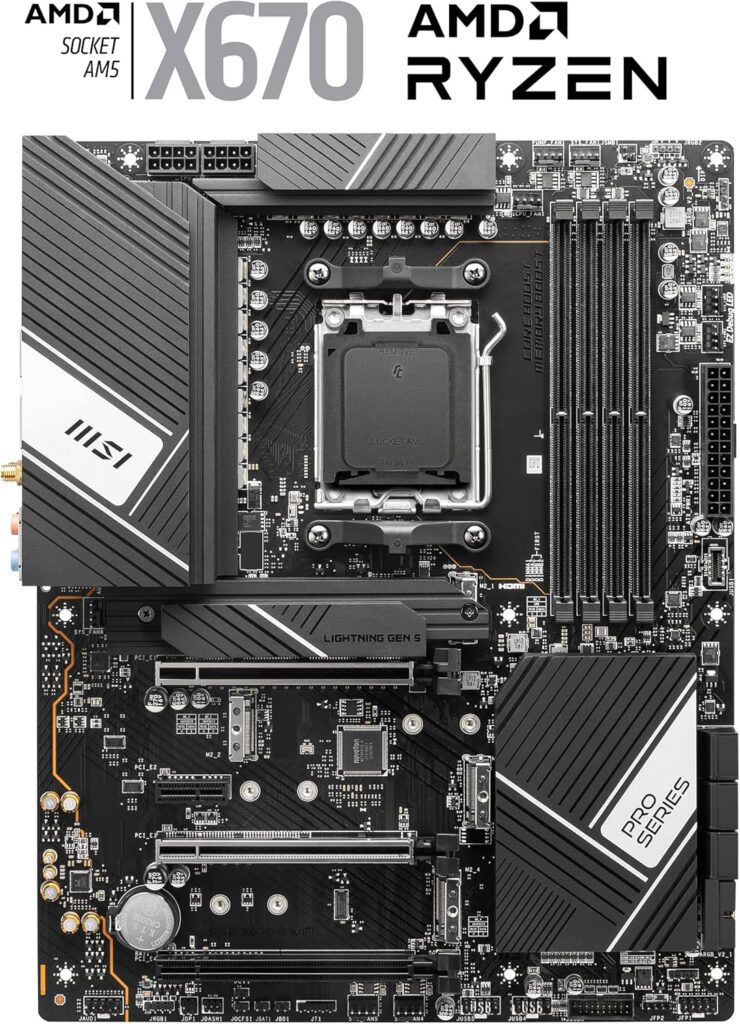
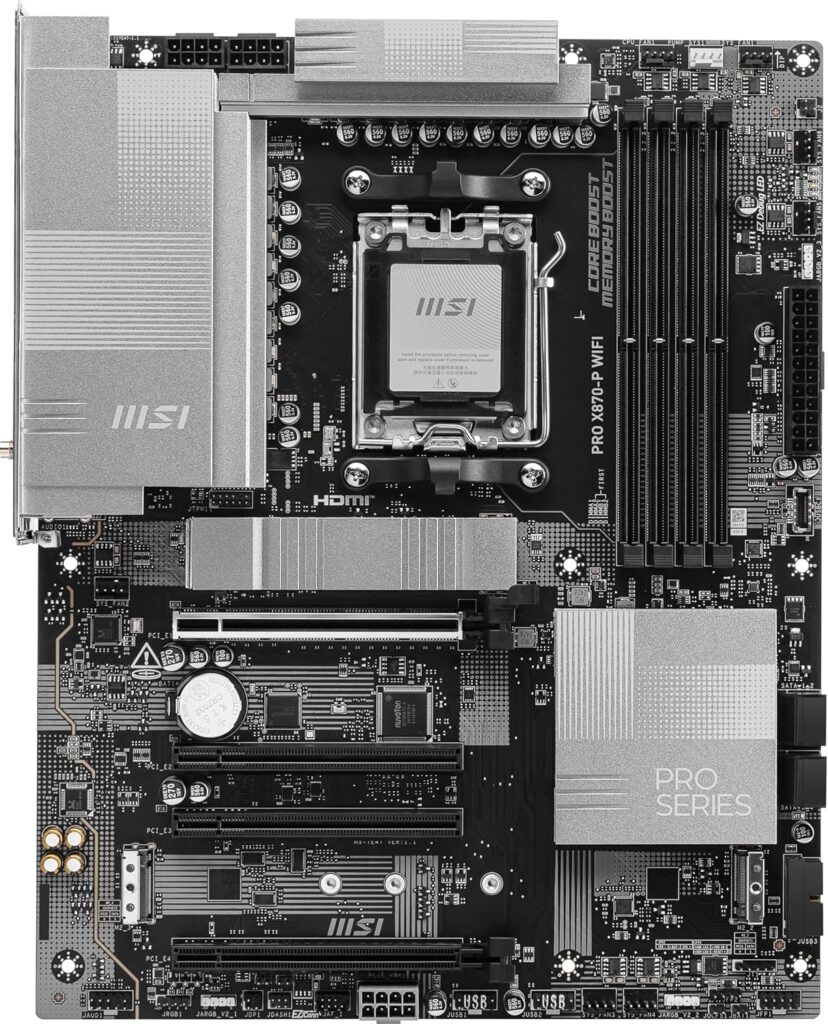
Socket years are not sold by VRM cosplay. A mid B650/B850 with Flashback covers almost every sane 2026 build. Flagship boards buy features you use today, not extra calendar.
The Intel comparison that makes the money make sense
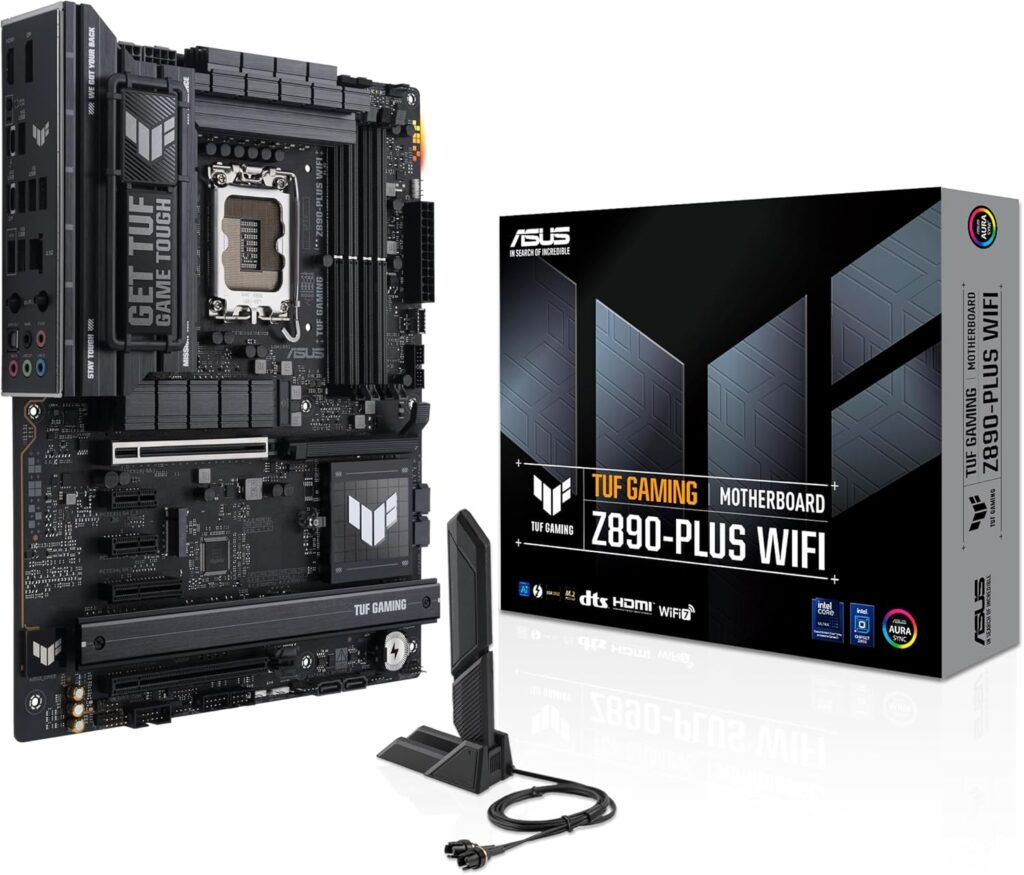
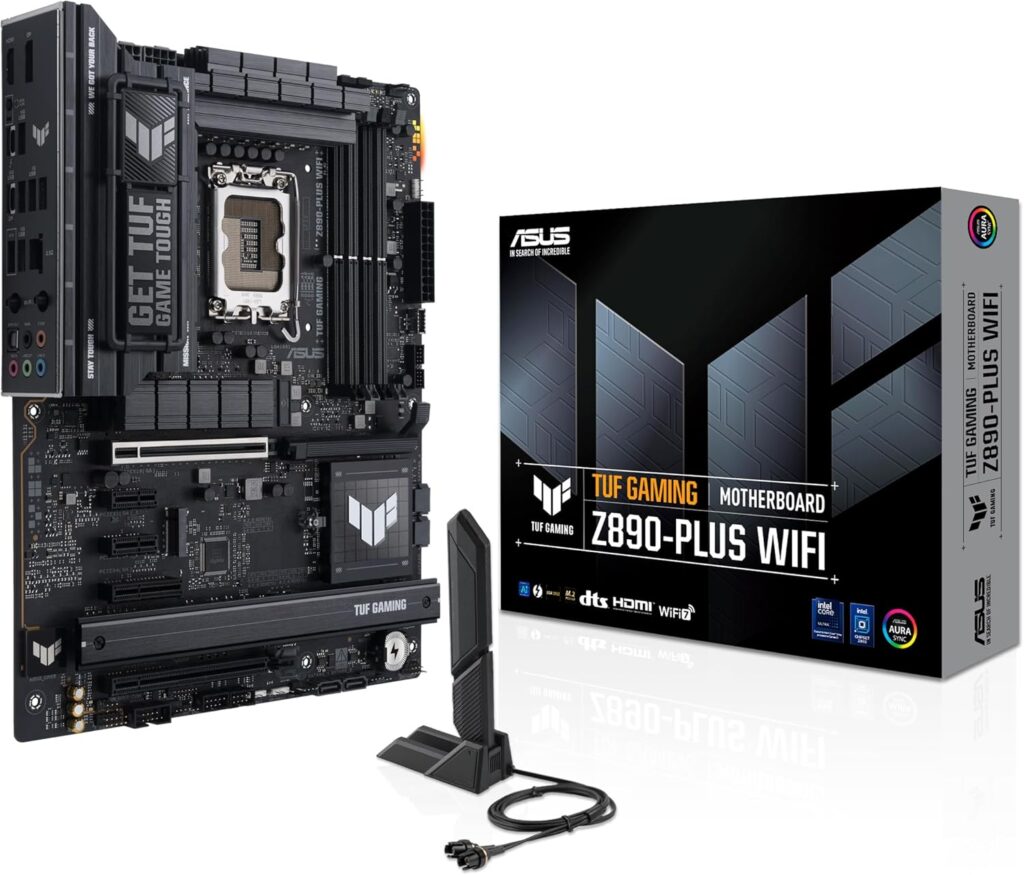
An LGA 1851 buyer from 2025 is already staring at a short runway into the next Intel socket cycle. An AM5 owner from 2022 or 2023 now has a published path into 2029. Even if Intel’s next longevity pitch lands, it helps people buying that future socket, not the ones who already paid for Arrow Lake boards.
Platform swaps in 2026 are expensive because DDR5 is expensive. Knowing the board investment stretches to 2029 changes how hard that invoice feels.
If you are building right now
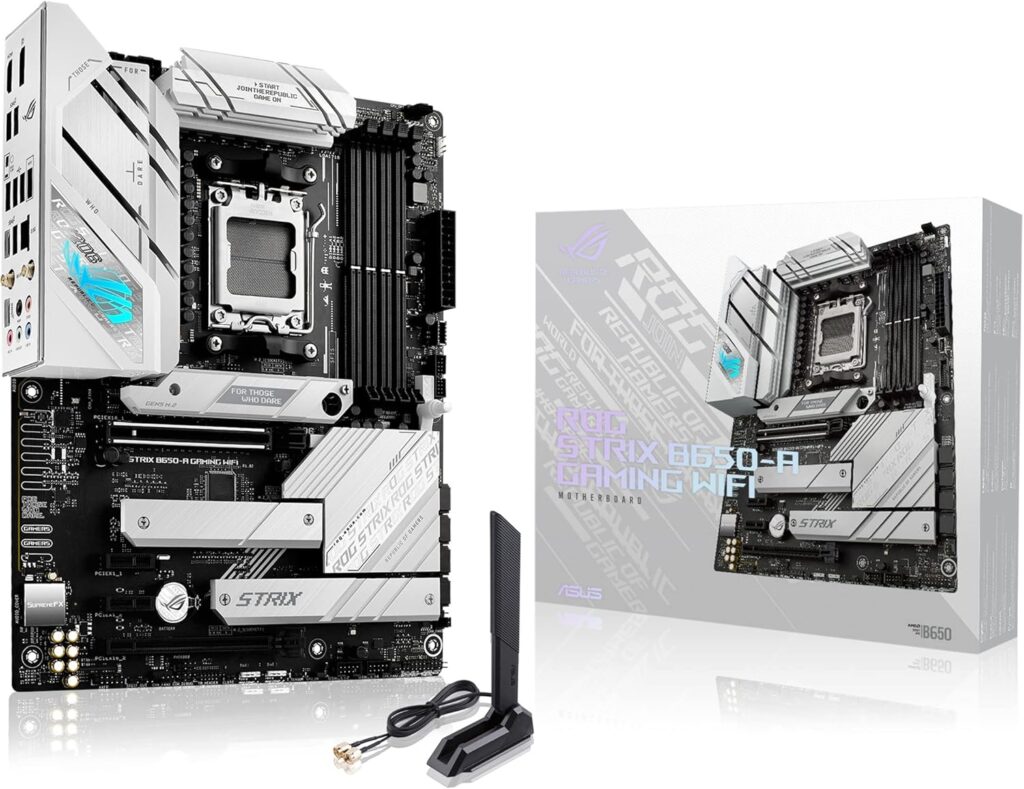
Buy a mid-range AM5 board, not a trophy. Longevity is the socket, not the heatsink sculpture. Buy / check street price: AM5 B650 boards on Newegg.
Do not overspend on RAM speed theater. DDR5-6000 CL30 EXPO remains the Ryzen sweet spot. Capacity first. 32GB is the adult target even when kits hurt.
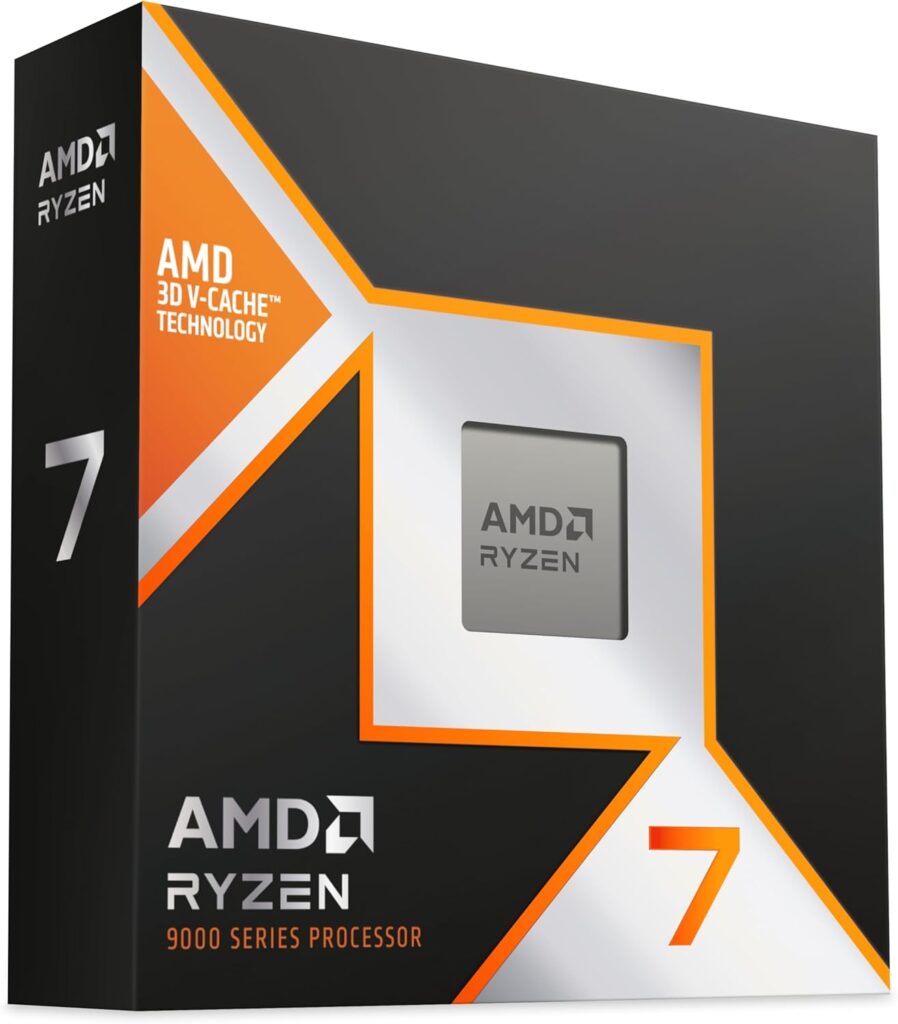
Buy the CPU you can afford without starving the GPU. 9800X3D / 9850X3D class when the budget is real. Lower X3D or non-X3D chips when the GPU is the bottleneck you actually feel. The Zen 6 seat is reserved either way. Buy / check street price: 9800X3D on Newegg.
Hard limit: do not buy a flagship motherboard thinking you purchased more years of AM5. You did not.
Should AM4 owners move now?
Depends on what you own. DDR5 still climbs into build totals like a second GPU.
If your AM4 board and DDR4 are healthy, a drop-in X3D on AM4 can still be the highest-value gaming upgrade you can make without funding a memory crisis. No new board. No new kit. BIOS update and move on.
Move to AM5 now if your current CPU is genuinely holding back a modern GPU and you plan to stay for years. Absorb the platform cost once, keep the 2029 runway. If the AM4 box still feels fine, waiting for calmer DDR5 and a Zen 6 shopping window can be the adult move.
Living with a long socket
There is a quiet pleasure in knowing the board under the GPU is not a two-year rental. Fans sound the same. The difference is mental: upgrades become a CPU box, not a full teardown. Dust still wins eventually. The socket promise just means you fight dust on your schedule, not Intel’s.
Bottom line
An AM5 board bought today has confirmed processor support through 2029. Zen 6 lands on that path when consumer desktop chips arrive. Anything past 2029 is hope, not a plan.
In a year when CPU + board + DDR5 can rival a midrange GPU invoice, that commitment is real value. Build for the date AMD printed. Ignore the fan fiction beyond it.
SpecClear participates in affiliate programmes. When you purchase through links on this site, we may earn a commission at no extra cost to you.