
AMD announced EXPO Ultra Low Latency at Computex 2026 and led with a headline number: 13% higher average FPS compared to JEDEC standard DDR5 memory. That sounds significant. Read it carefully though and the actual story is more nuanced and more useful than that headline implies.
Here’s what EXPO ULL actually is, what it does, who benefits, who doesn’t, and whether you should care about it for your specific AM5 build.
AMD EXPO Ultra Low Latency: What It Actually Is
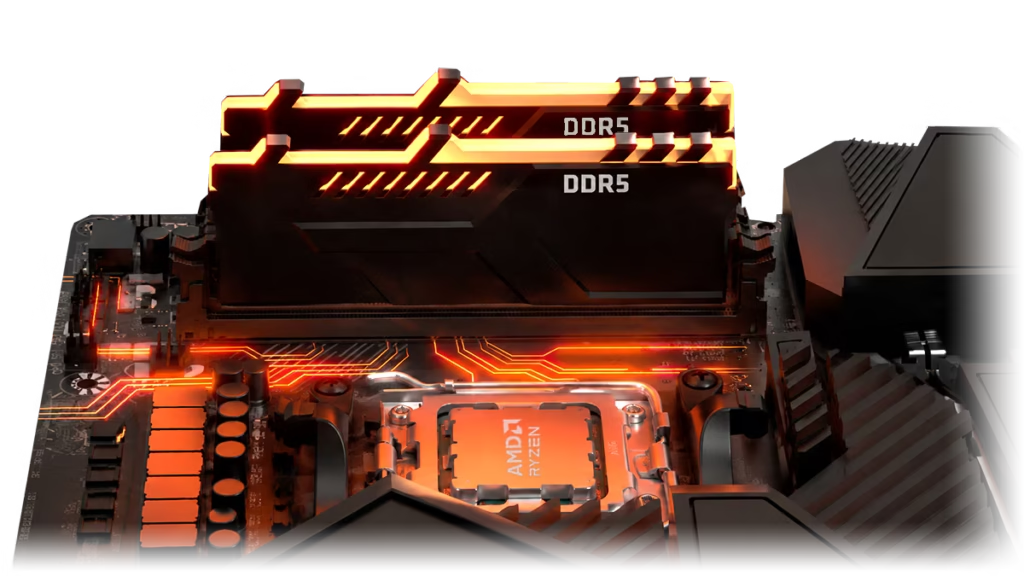
EXPO already existed before Computex 2026. It’s AMD’s one-click memory overclocking system for AM5 enable it in BIOS, and your DDR5 kit runs at its rated speed and timings rather than the slow JEDEC baseline it defaults to out of the box. Enabling standard EXPO on a DDR5-6000 kit takes your memory from its default 4800 MT/s up to the rated 6000 MT/s. That’s where the existing 9% performance gap over JEDEC memory came from not from anything new, just from your RAM running at the speed you paid for.
EXPO Ultra Low Latency goes one level further. Rather than increasing memory frequency which standard EXPO already handles ULL incorporates additional secondary and tertiary timing optimisations directly into the memory kit’s SPD configuration. These are the sub-timings that manual memory tuners spend hours testing: parameters like tREFI, tRRDS, tWR, and VDDP voltage. EXPO ULL bakes the tightest stable settings for those parameters into the kit’s profile, so enabling ULL in BIOS applies them in a single click without any manual tuning required.
The result is lower effective memory latency specifically a 5–7 nanosecond reduction compared to a regular DDR5-6000 CL30 kit. Memory latency is how long the CPU waits to get data back from RAM. Lower latency means the CPU spends less time waiting, which matters most in CPU-bound gaming scenarios at high frame rates.
The Real Performance Numbers
AMD’s marketing presented three comparisons. Here they are in plain terms:
EXPO ULL versus JEDEC standard DDR5:
13% higher average FPS, 15% better 1% lows. This is the headline number and it’s technically accurate but it’s comparing fully optimised memory against RAM running at its worst-case default speed. Most AM5 builders already have standard EXPO enabled. This comparison isn’t relevant to them.
EXPO ULL versus standard EXPO: 4% higher average FPS, 4% better 1% lows. This is the number that matters for existing AM5 users who already have EXPO-certified kits. Going from your current DDR5-6000 EXPO kit to a DDR5-6000 ULL kit gains you approximately 4% in gaming frame rates on average. AMD tested across 30+ games on a Ryzen 7 9700X system. Titles included Counter-Strike 2, DOOM: The Dark Ages, Cyberpunk 2077, Baldur’s Gate 3, and F1 25 among others.
4% is real. It’s not dramatic. It’s the kind of gain you’d see between two different GPU driver versions or by tightening a fan curve. It won’t change how a game plays or feels for most people. For competitive players running high refresh rate monitors in CPU-bound titles, it translates to a few frames per second that can matter.
The X3D Exception: Read This Before Buying
This is the most important caveat in the EXPO ULL story and the one that should directly affect your decision if you’re on an X3D processor.
G.Skill confirmed to Tom’s Hardware at Computex that EXPO ULL’s gains are significantly smaller on X3D CPUs than on standard Ryzen chips, the reason is architectural. X3D processors carry 96MB of L3 cache, which allows them to serve game data without going out to main memory as often. When a CPU rarely needs to access RAM during a gaming workload, the speed and latency of that RAM matters proportionally less. You can’t meaningfully improve something that’s barely the bottleneck.
This is why AMD’s official benchmark deliberately used a Ryzen 7 9700X a standard non-X3D eight-core chip rather than the 9800X3D or 9850X3D you’d expect to see in a gaming CPU article. The 4% average gain seen on the 9700X will be substantially smaller on X3D hardware. Tom’s Hardware confirmed this directly with G.Skill.
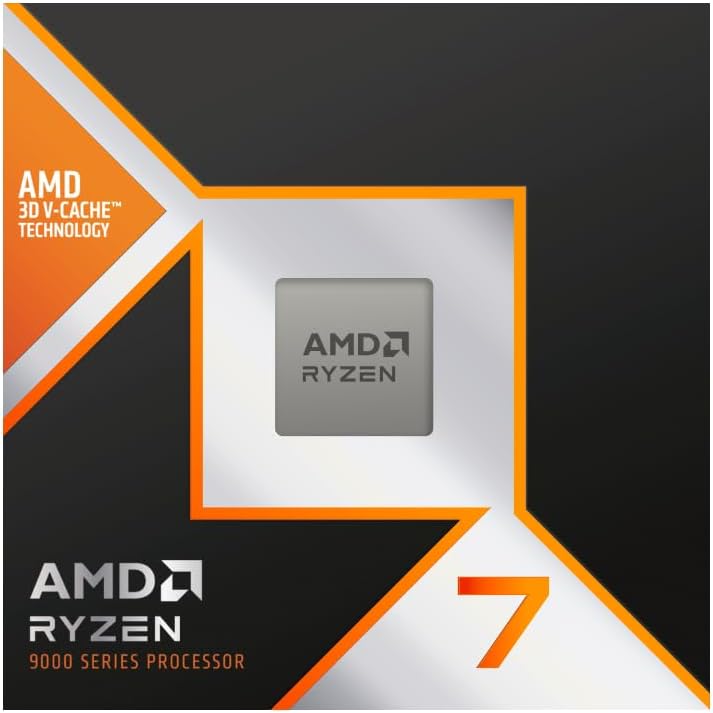
If you own a 9800X3D, 9850X3D, 7800X3D, or any other X3D processor: EXPO ULL kits are not a worthwhile upgrade for you. The cost premium doesn’t justify the marginal gain on a cache dominated CPU.
The Price Reality: Not What AMD Promised
AMD’s announcement language specifically described EXPO ULL memory as arriving at prices “effectively the same” as current EXPO kits. That has not been how it played out in practice.
G.Skill’s first EXPO ULL DDR5 kits launched with up to a 79% price premium over equivalent standard EXPO memory. A kit that costs $200 as a standard EXPO product is appearing at $350+ in ULL variants. That’s the opposite of “effectively the same price.”
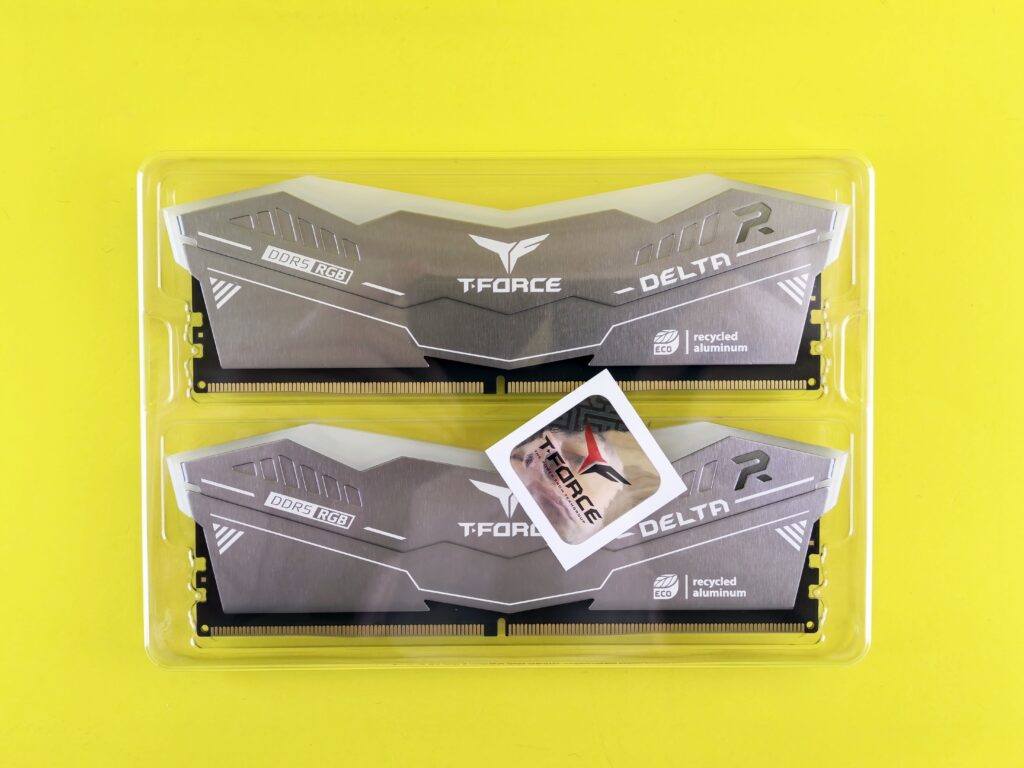
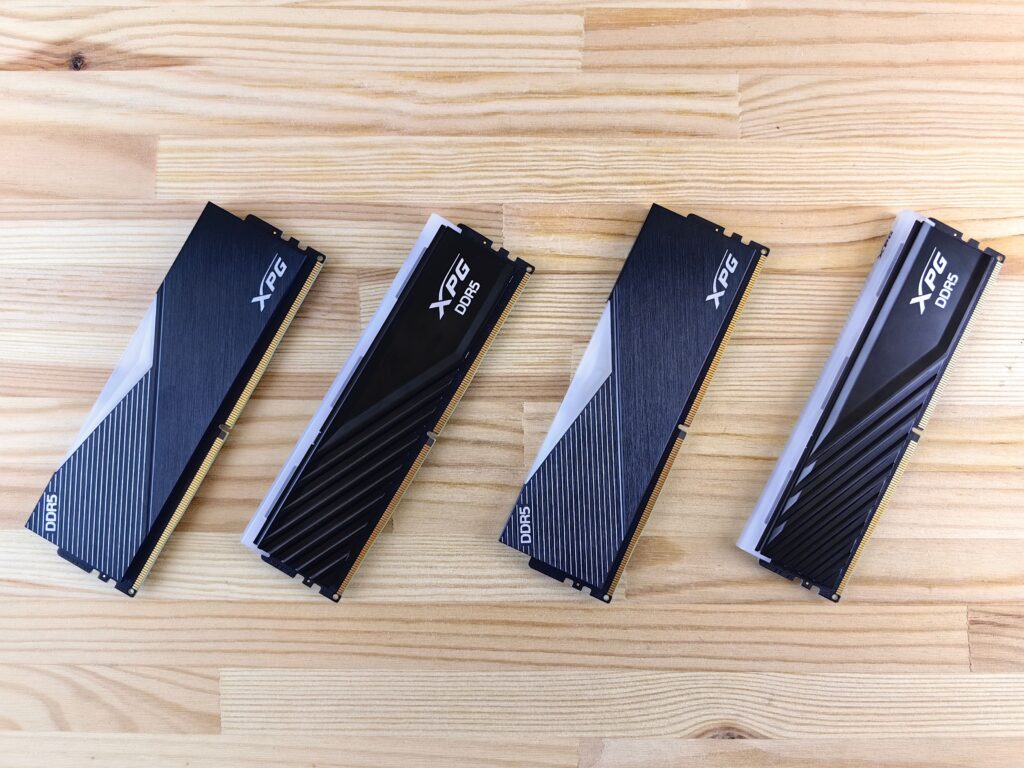
Whether prices moderate as more manufacturers release ULL kits TeamGroup, Kingston FURY, KLEVV, Lexar, V-Color, XPG, and Origin Code all have ULL kits announced or available is genuinely uncertain. For now, the market reality is that EXPO ULL carries a meaningful premium. Factor that into any purchasing decision.
Do You Need New RAM to Use EXPO ULL?
Yes. Existing RAM cannot be updated to support EXPO ULL through a software update or BIOS change. G.Skill confirmed to Tom’s Hardware that EXPO ULL-ready memory requires stricter binning of individual memory chips during production the chips themselves have to meet tighter tolerances to reliably hit the sub-timings ULL requires. That’s a physical manufacturing difference, not a firmware update.
This means EXPO ULL is only accessible to buyers of new EXPO ULL-certified kits. Your existing DDR5-6000 EXPO kit, however good, won’t become a ULL kit through any update.
Does Your Motherboard Support It?
EXPO ULL requires AGESA 1.3.0.1b BIOS or later. The rollout is in progress but not universal.
800-series AM5 boards (X870, X870E, B850) have largely received ULL support already. 600-series boards (X670, B650) are in the process of receiving updates MSI and Asus have both pushed AGESA 1.3.0.1b to X670 boards, with B650 updates following. Gigabyte’s 600-series boards are still catching up as of the time of writing.
Before buying a ULL kit, check your specific board’s support page for the latest BIOS release and confirm AGESA 1.3.0.1b or newer is available for it. If your board doesn’t have a ULL-supporting BIOS yet, a future update will add it but you won’t be able to activate ULL until that update exists.
Who Should Actually Consider EXPO ULL
Buy EXPO ULL RAM if: you’re building a new AM5 system from scratch with a non-X3D Ryzen 9000 CPU something like a Ryzen 7 9700X or Ryzen 5 9600X and ULL-certified kits have reached pricing comparable to standard EXPO kits by the time you purchase. At that point, ULL is the better default choice if the price is similar, delivering free latency improvements over standard EXPO without manual tuning.
Don’t buy EXPO ULL RAM if: you’re on any X3D processor. The gains are marginal and the premium isn’t justified. Don’t buy it if current ULL kits are still carrying a significant price premium over equivalent standard EXPO kits 4% average gaming performance doesn’t justify paying 30-50% more for memory. And don’t upgrade existing EXPO RAM to ULL unless you’re buying new RAM for an independent reason and ULL is priced fairly.
The Honest Summary
EXPO ULL is a genuine technology that does what AMD says it does. The 4% average gaming gain over standard EXPO on non-X3D CPUs is real. The free sub-timing optimisation built into the kit profile is genuinely useful for builders who would otherwise never touch manual memory tuning.
The problems are pricing and scope first-generation ULL kits arrived at up to 79% more than standard EXPO equivalents, directly contradicting AMD’s “effectively same price” messaging. And the technology’s benefit largely disappears on the X3D CPUs that are most popular with serious PC gamers the exact audience most likely to read about and consider EXPO ULL.
Check ULL kit prices when you’re actually buying RAM, if the premium is small, ULL is the sensible choice on a non-X3D build. If you’re on X3D, save your money and spend it on a better GPU instead.
SpecClear participates in affiliate programmes. When you purchase through links on this site we may earn a commission at no additional cost to you.