
Last Updated July 17 2026
The Ryzen 7 7700X3D launches tomorrow at $329. It’s the chip that makes AMD’s X3D gaming advantage accessible to builders who couldn’t justify the 7800X3D at $348 or the 9800X3D at $433. Eight Zen 4 cores, 96MB of 3D V-Cache, and a price that puts it within reach of a genuinely strong gaming build without compromising the rest of the component budget.Ryzen 7 9850X3D vs 9800X3D
The question isn’t whether the 7700X3D is a good chip. The cache architecture that makes every X3D processor special is intact 96MB of L3 is the same amount the 7800X3D carries, and cache is the single biggest driver of X3D gaming performance. The question is how much the clock speed reduction costs you and whether the $329 price makes sense when you map it against the competition.
What AMD trimmed and why it matters less than the spec sheet suggests
The 7700X3D runs at 4.0GHz base and 4.5GHz boost. The 7800X3D runs at 4.2GHz base and 5.0GHz boost. That’s 200MHz less at base and 500MHz less at peak a 10% clock speed disadvantage that looks significant on paper.
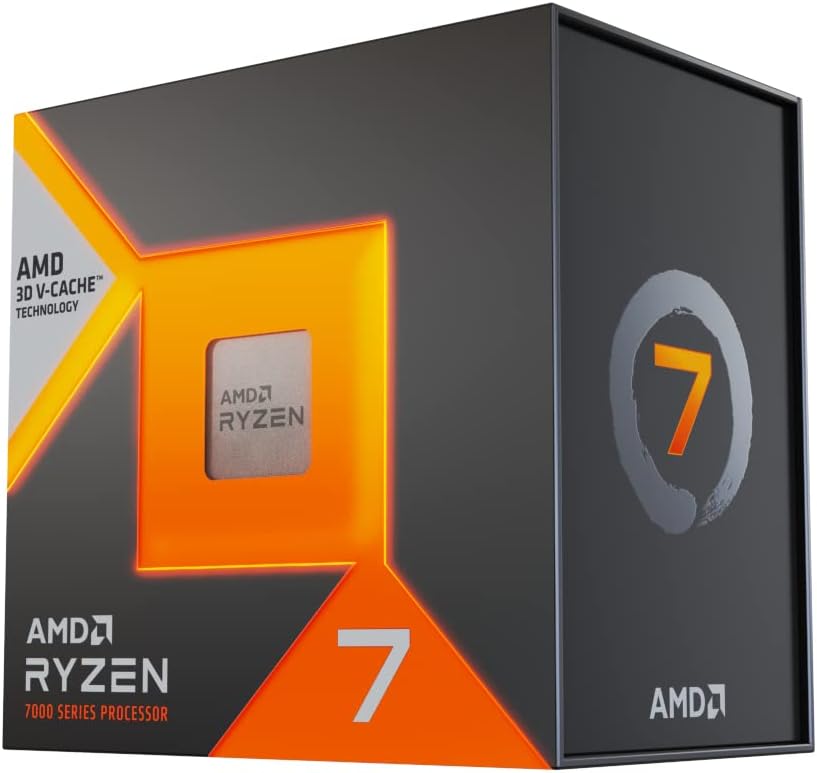
In gaming workloads, it matters far less than that number implies. The entire reason X3D chips outperform higher-clocked alternatives is that cache keeps game data on-die and reduces the number of trips to slower system memory. The 7800X3D’s 500MHz clock advantage over the 7700X3D translates to roughly 5% faster execution on pure compute tasks. In cache-sensitive gaming workloads which is the entire point of buying an X3D chip that gap narrows further because both chips have identical cache configurations.
Independent estimates from hardware analysts before launch put the 7700X3D landing approximately 3–7% behind the 7800X3D in gaming benchmarks. Final numbers arrive tomorrow. The expectation based on AMD’s consistent X3D scaling patterns confirmed from the 5700X3D relative to the 5800X3D is that the performance delta is small and the value case is strong.Ryzen 7 7700X3D vs 7800X3D vs 9800X3D
The price context — why $329 is well timed
AMD announced the 7700X3D at Computex 2026 explicitly in response to rising component costs. The AI-driven DRAM shortage pushed DDR5 prices up significantly through 2026, making the platform cost of a new AM5 build meaningfully higher than it was eighteen months ago. A $329 gaming CPU that delivers X3D performance frees budget for the DDR5 kit, the GPU, and the SSD all of which have also seen price pressure.AMD Zen 6 — What We Know
The 7800X3D, while technically superior, has consistently sold above $350 in the real market even when nominally priced lower. The 7700X3D at $234 MSRP with genuine availability is a meaningfully different value proposition particularly for builders who want X3D gaming performance but whose build budget doesn’t extend to the 9800X3D at $444.
How it fits the current CPU landscape
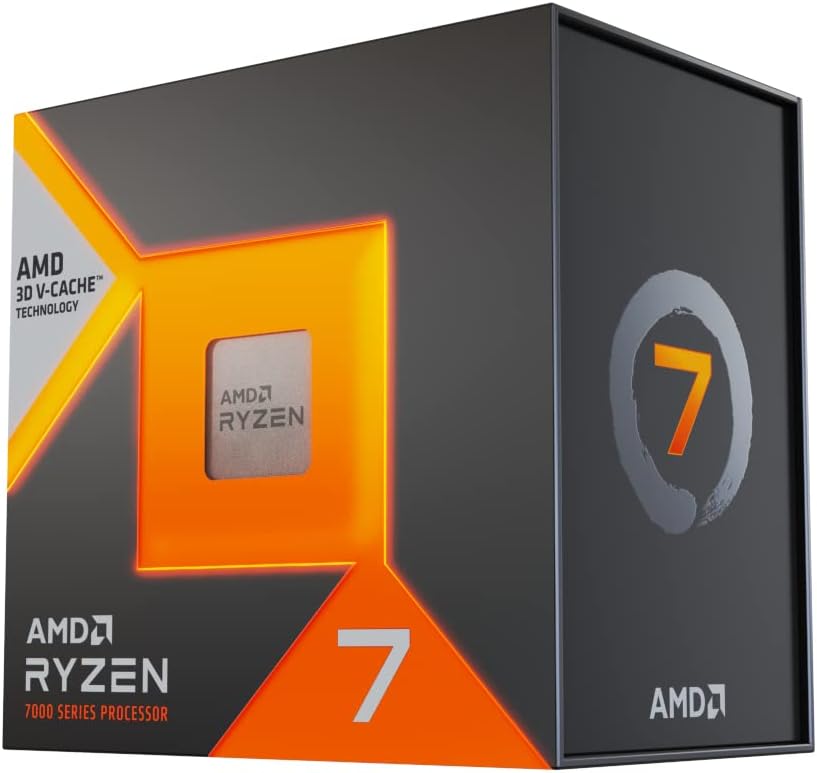
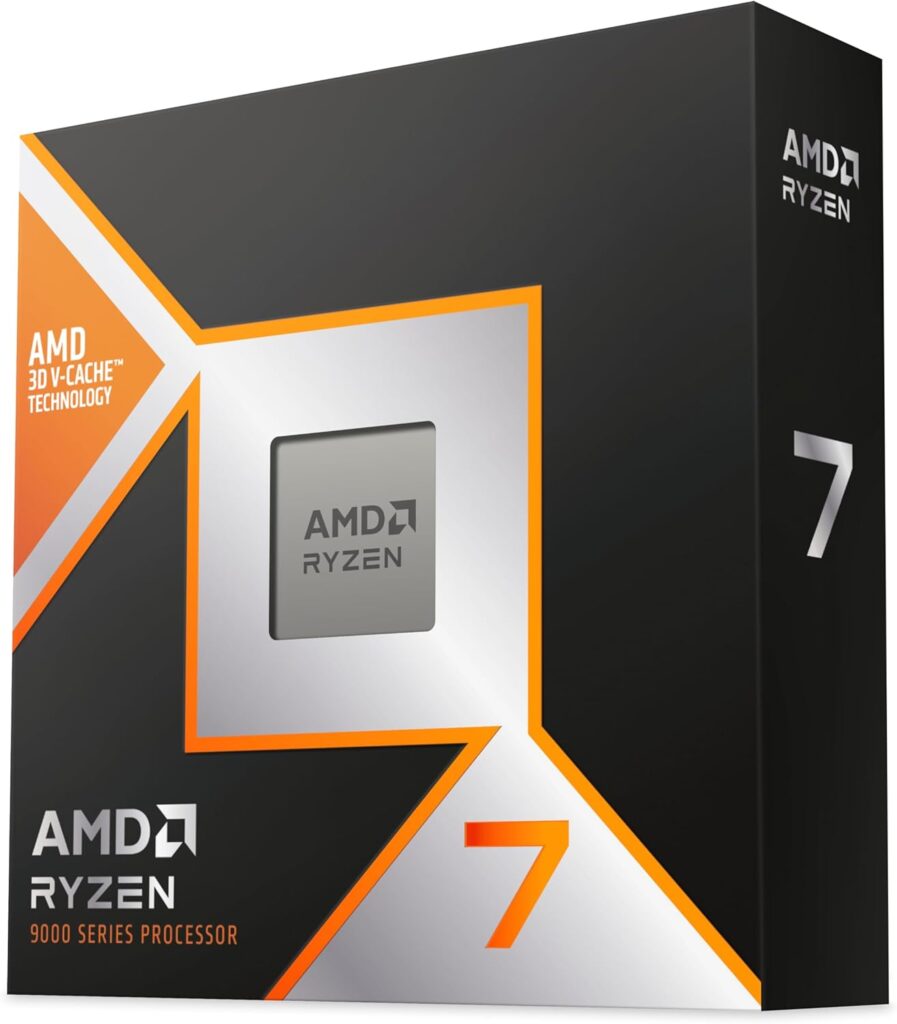
The Ryzen 7 7700X3D sits below both the 7800X3D and 9800X3D in AMD’s gaming CPU hierarchy. Above it on AM5: the 7800X3D ($449 MSRP, frequently $350+), the 9800X3D (~$433), and the 9850X3D. Below it: the Ryzen 5 7600X3D at $299, which drops to six cores a meaningful reduction for games that benefit from eight cores in 2026.
Against Intel’s Arrow Lake Refresh, the 7700X3D’s X3D cache architecture is the key differentiator. Intel’s 270K Plus leads in multi-core productivity and undercuts AMD on price, but X3D chips consistently outperform it in gaming workloads specifically. The 7700X3D inherits that advantage from its cache design even with the lower clocks.
For AM5 builders already on a non-X3D CPU a 7700X, 7600, or similar the 7700X3D is a drop-in upgrade with a BIOS update on any current AM5 board. B650, B850, X670, and X870 boards all support it after updating. AMD confirmed AM5 platform support through 2029, making any AM5 board purchased today a long runway for CPU upgrades.AMD AM5 Platform Confirmed Through 2029
Who should buy it
Three groups make the most sense as 7700X3D buyers.
First: builders putting together a first AM5 gaming system who want X3D performance without stretching the total build budget beyond what the GPU tier warrants. At $329 the 7700X3D saves $104 versus the 9800X3D and $120 versus the 7800X3D’s MSRP real money that goes toward a better GPU or a larger SSD.
Second: AM5 upgraders on an older Zen 4 chip a 7700X, 7600X, or similar non-X3D processor who want the cache upgrade without crossing to Zen 5. The socket compatibility makes this a motherboard-free upgrade path.Best AM5 Motherboard for Gaming 2026
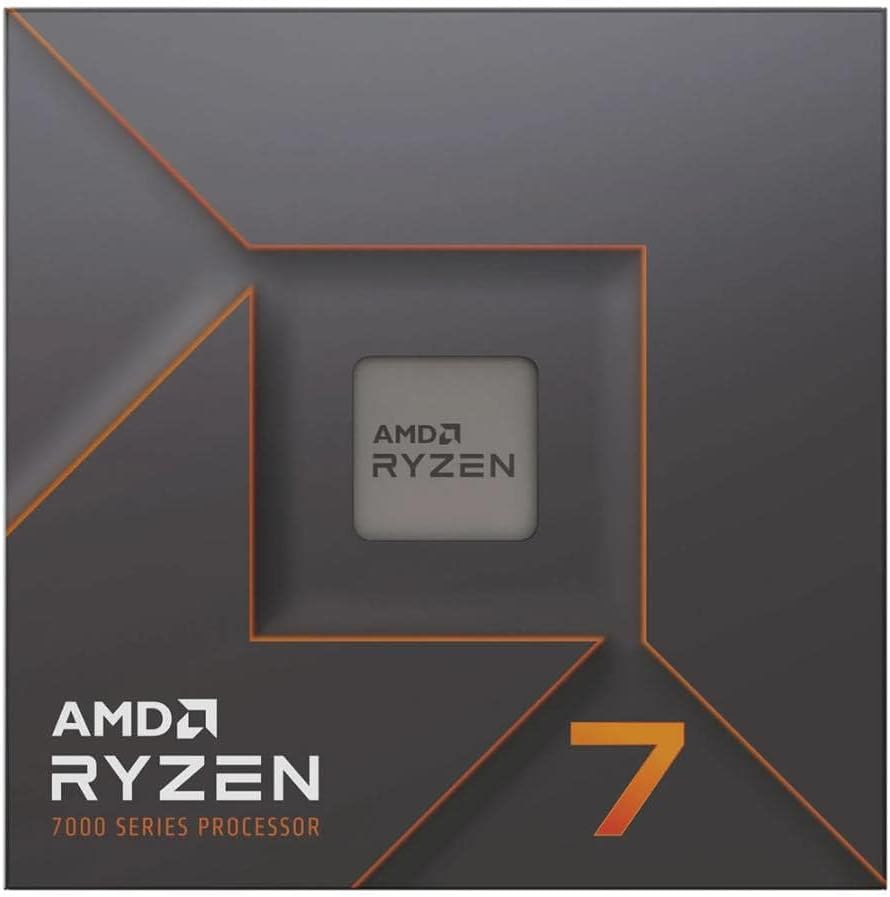
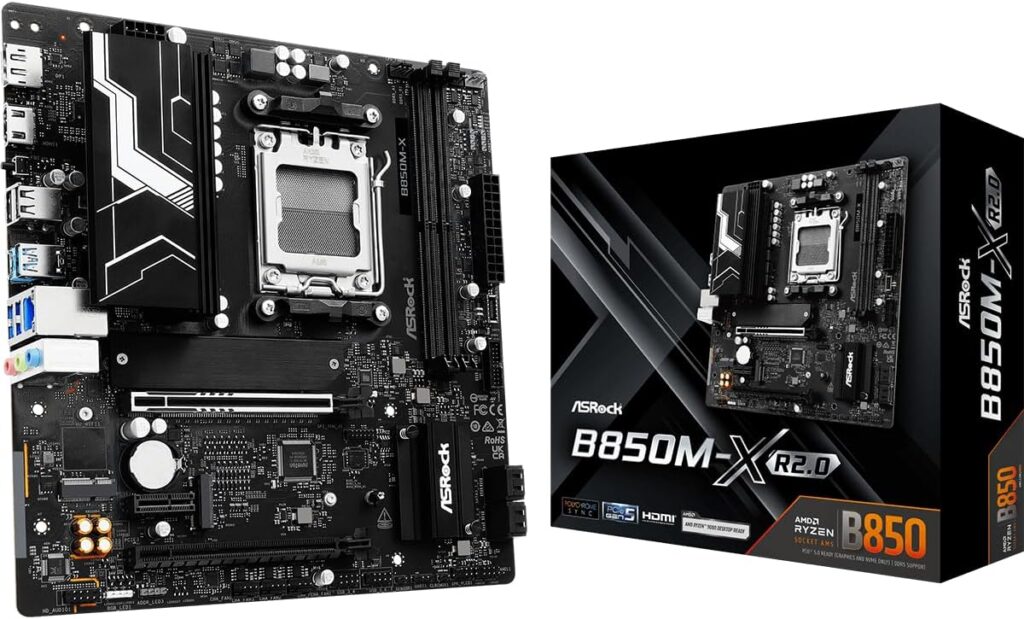
Third: AM4 builders considering a platform move who want to land on AM5 at a price that doesn’t require premium GPU compromises. The 7700X3D makes AM5 accessible at a build budget where the 9800X3D previously forced awkward trade-offs elsewhere.
What to wait for
Tomorrow’s independent benchmarks are the article’s most important update. Everything above is based on confirmed specifications and AMD’s consistent historical patterns with X3D chip differentiation. The numbers that matter gaming frame rates against the 7800X3D across a representative game library, performance in CPU-sensitive titles at 1080p and 1440p, and sustained workload behaviour at 120W TDP arrive at embargo lift July 16.Intel Arrow Lake Refresh vs AMD 2026
Check back here for the complete benchmark analysis. The architecture tells a clear story. The data will confirm it.