
mini itx pc build 2026 out sold full ATX cases for the first time in 2026. That’s not a niche metric it reflects something real about how people use PCs now. Apartment living, desk constraints, LAN party portability, or simply not wanting a mid-tower the size of a small fridge next to your monitor. The SFF community on Reddit has over 400,000 members and grows every month.
The honest question isn’t whether Mini ITX is popular. It is. The question is whether it’s right for you because SFF builds involve genuine trade-offs that most guides gloss over.
What Mini ITX actually means
Mini ITX is a motherboard form factor. The board itself measures 170x170mm roughly half the surface area of a standard ATX board. That smaller board allows cases to be dramatically more compact, typically under 20 litres of volume compared to 40–60 litres for a standard mid-tower.
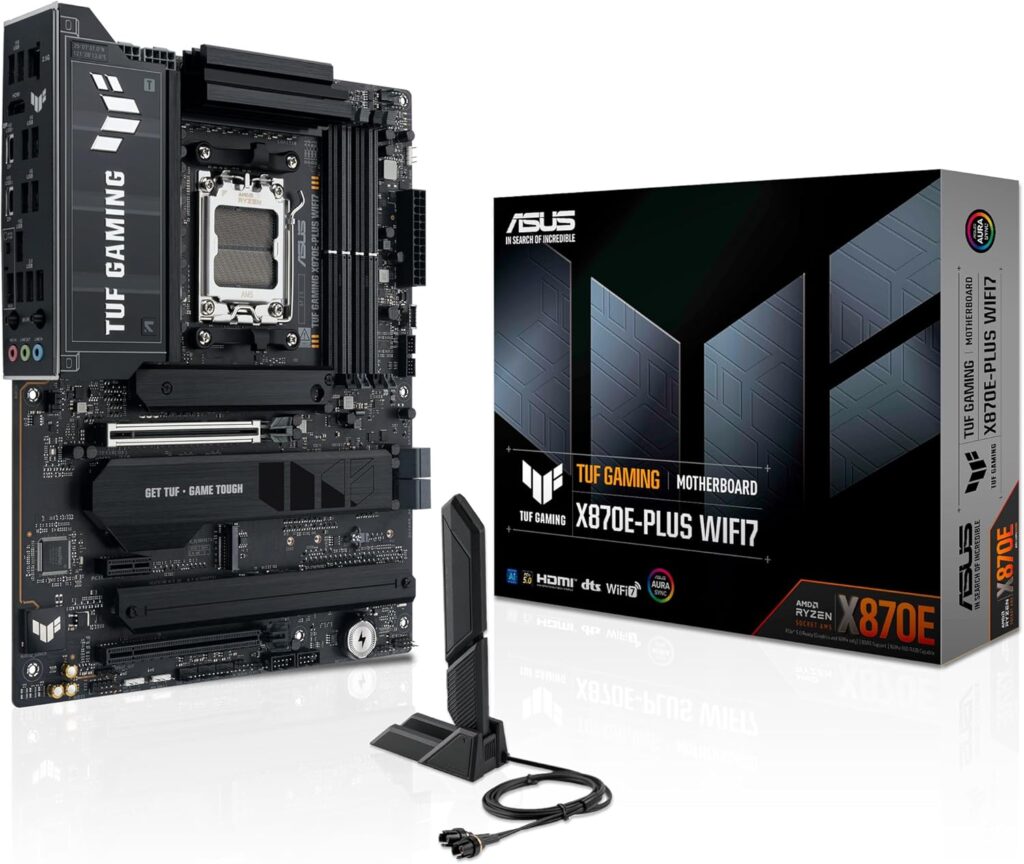
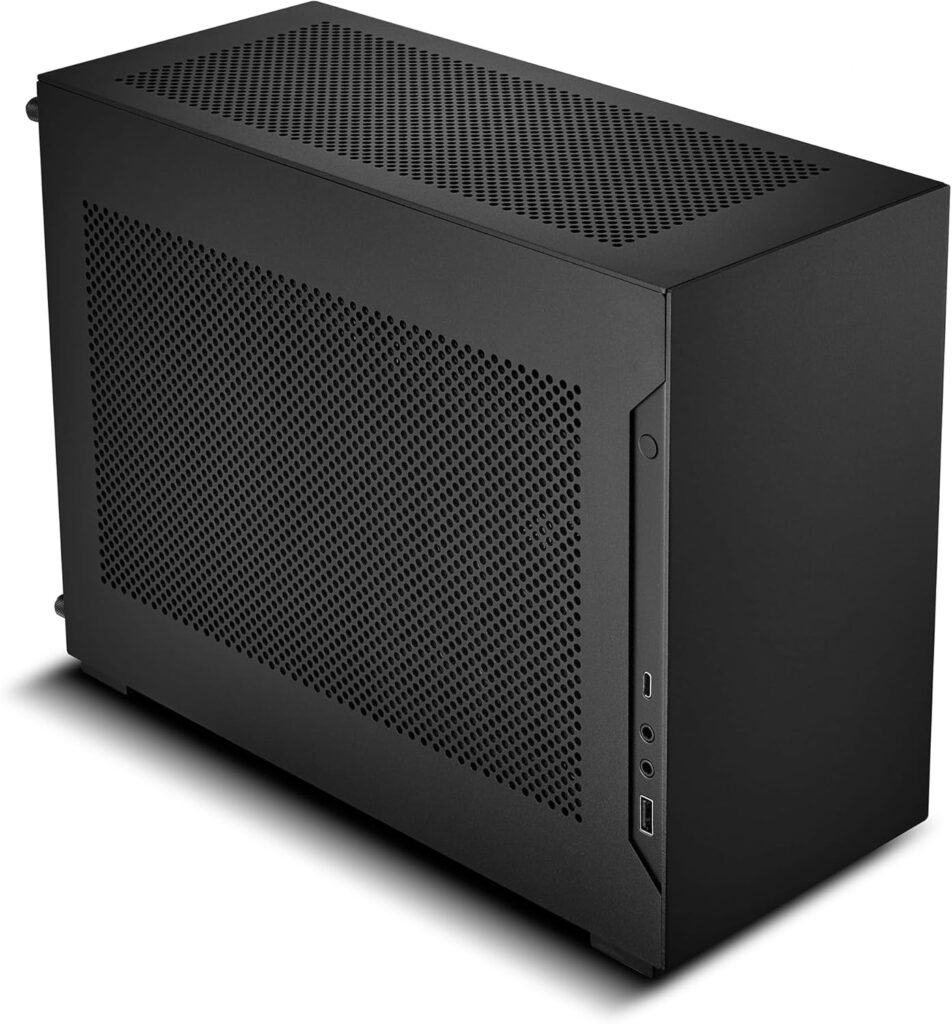
What Mini ITX doesn’t mean is weaker. A Mini ITX board with an AM5 socket accepts the same Ryzen 9 9800X3D that an ATX X870E board accepts. Same CPU, same memory support, same PCIe slot for the GPU. The motherboard is smaller. The components it carries are identical.
What a smaller board and case do affect is connectivity and cooling headroom and those are the genuine trade-offs.
The trade-offs nobody tells you about upfront
Fewer expansion slots. A Mini ITX board has one PCIe slot for the GPU and typically two M.2 slots for storage. No room for a sound card, capture card, or additional expansion hardware. If you need two discrete PCIe devices, Mini ITX isn’t the right platform.
Fewer RAM slots. Two slots rather than four. Maximum 64GB of DDR5. For gaming that’s irrelevant 32GB in dual-channel is correct for any gaming build. For workstation use with large datasets or virtual machines, two slots may be a ceiling you’ll hit eventually.
Thermal constraints are real. Cramming a 300W GPU and a 120W CPU into 12 litres of space is an engineering challenge. The components are capable of it but the case, cooler, and fan configuration choices you make matter significantly more than they do in a roomy mid-tower. A bad fan choice in a Lian Li Lancool 207 is recoverable. A bad fan choice in an 11-litre case shows up immediately in temperatures.
Build difficulty is higher. Every experienced SFF builder will tell you the first Mini ITX build takes twice as long as a mid-tower build of equivalent specs. Cables are shorter, spaces are tighter, and the order in which you install components matters because something installed early may block access to something needed later. It’s not impossible millions of people do it but it’s not forgiving for first-time builders.
Premium pricing. Mini ITX motherboards cost more than comparable Micro-ATX or ATX boards. SFF-specific power supplies SFX form factor rather than standard ATX cost more than full-size units at equivalent wattage. Some Mini ITX cases run $200–$300 for premium aluminium options. The compact size costs money.
None of these are dealbreakers. They’re the honest picture before you commit.
What makes Mini ITX builds excellent in 2026
The component ecosystem has matured significantly. Low-profile AIO coolers like the Noctua NL-LC1 reviewed on SpecClear are specifically designed for SFF clearance constraints. SFX power supplies from Corsair, Seasonic, and be quiet! now reach 850W+ at quality efficiency ratings, removing the power ceiling that constrained SFF builds during the RTX 40 series era.
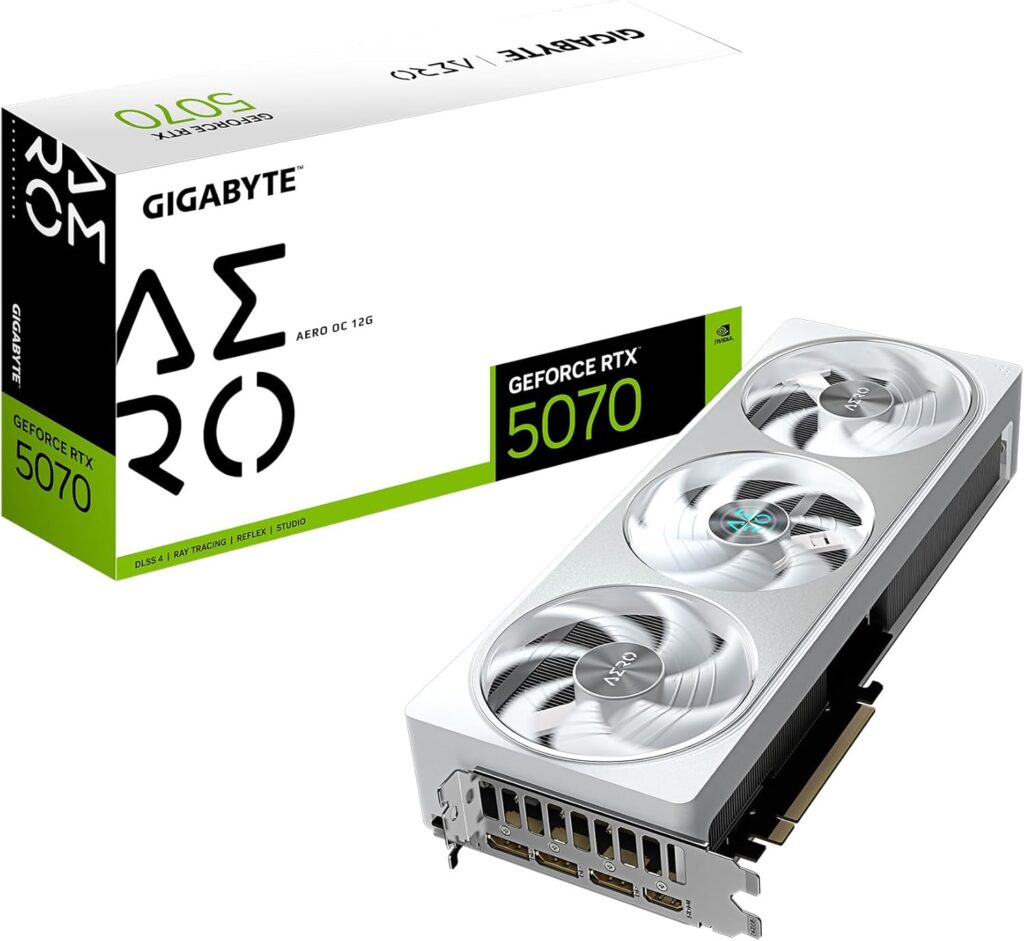
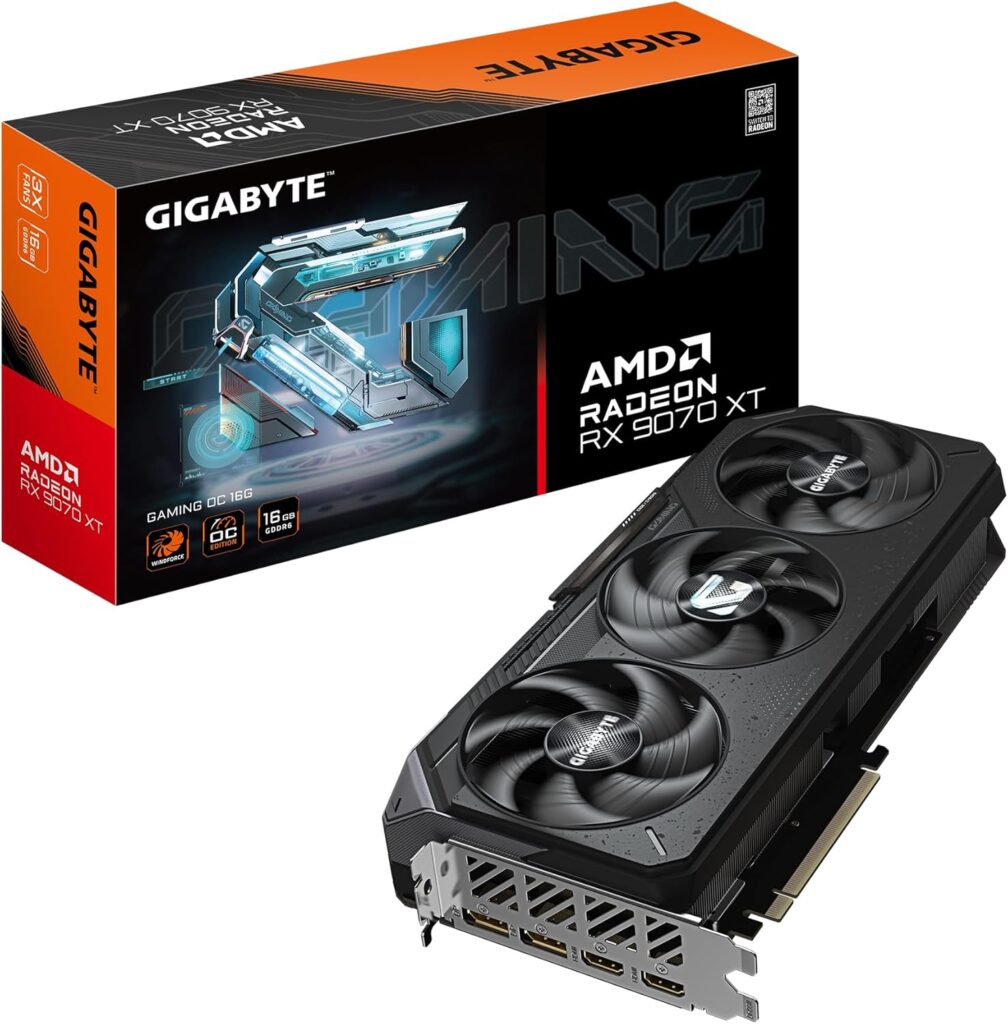
The GPU situation in 2026 is the most important development. The RTX 5080 and RTX 5090 produce genuinely challenging thermal loads in cramped cases but the RTX 5060 Ti, RX 9060 XT, RTX 5070, and RX 9070 XT all operate within thermal envelopes that well-designed SFF cases handle without drama. A performance-per-litre calculation for a 15-litre case with an RX 9070 XT is genuinely competitive with a 50-litre mid-tower. If you are choosing between the smaller cards, see our RTX 5060 Ti vs RX 9060 XT comparison.
The cases that actually work in 2026
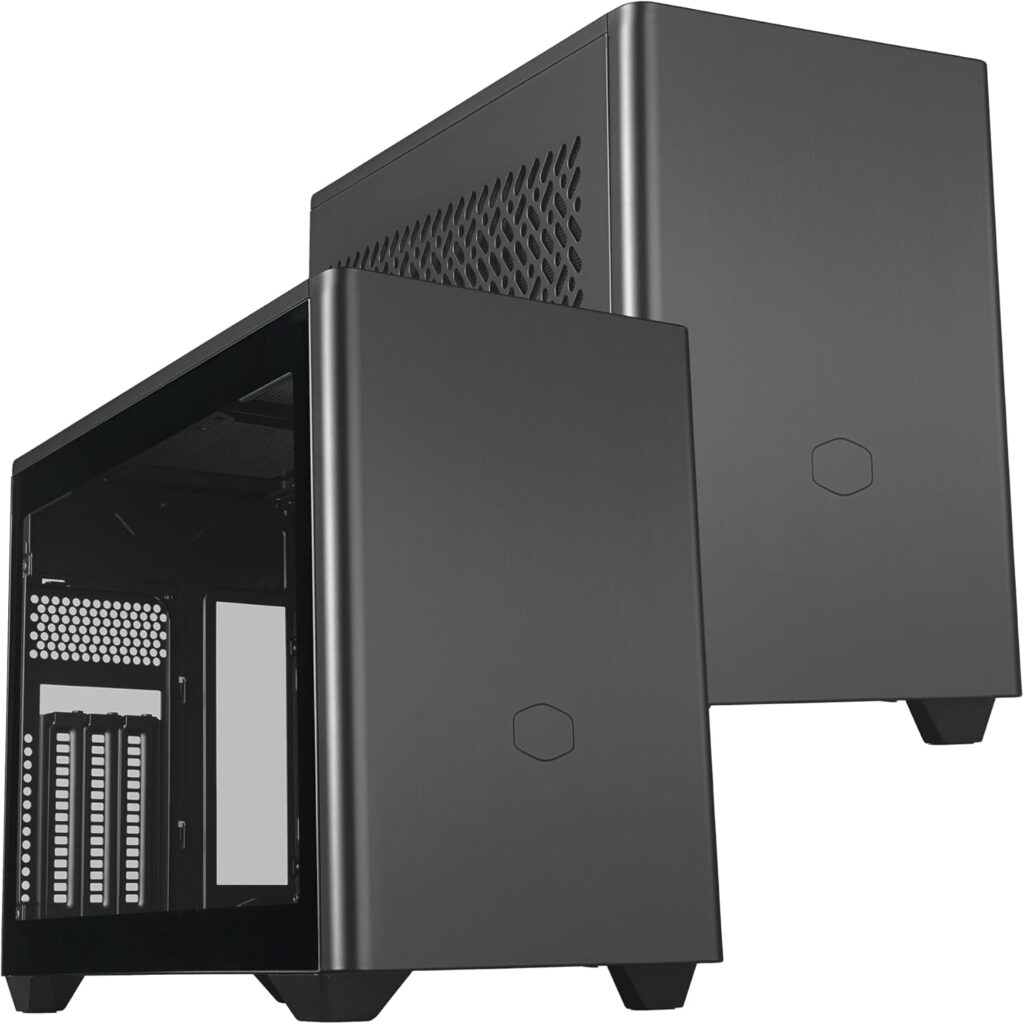
Cooler Master NR200P V2 (~$127)
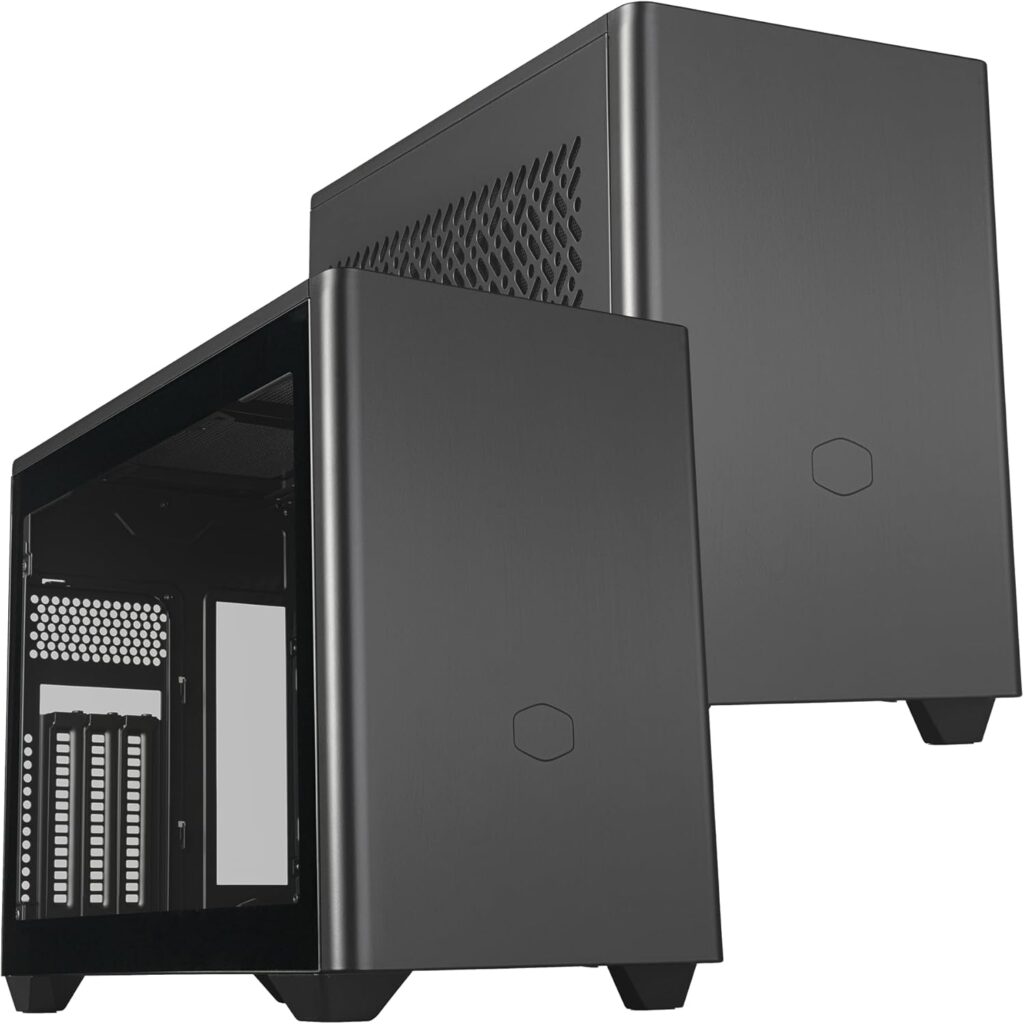
: the default recommendation for most people building Mini ITX in 2026. 14.7 litres, 338mm GPU clearance so virtually any triple-fan AIB card fits, forgiving build process, mesh front and side panels for airflow, 280mm AIO support. The NR200P V2 ships with RTX 5090 compatibility on the box. It’s not the smallest ITX case, but it’s the most forgiving and for a first SFF build, forgiving matters enormously.
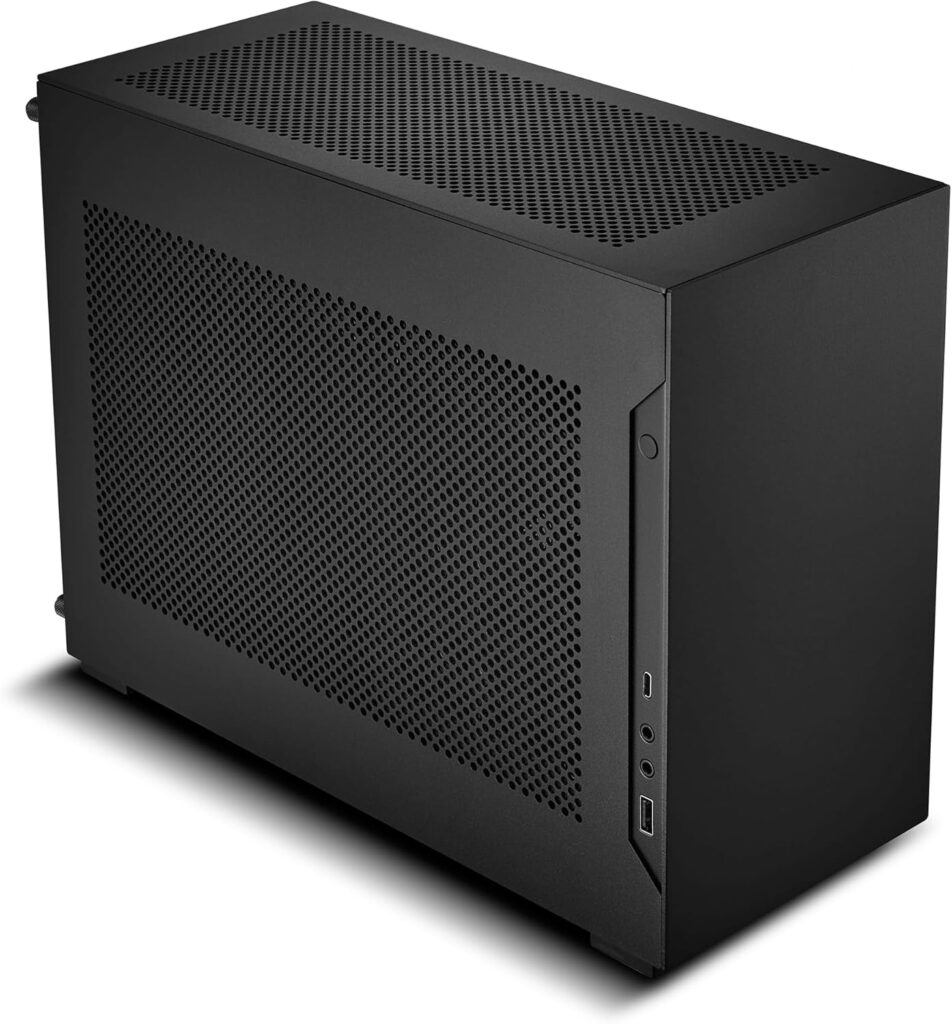
Lian Li A4-H2O (~$154)
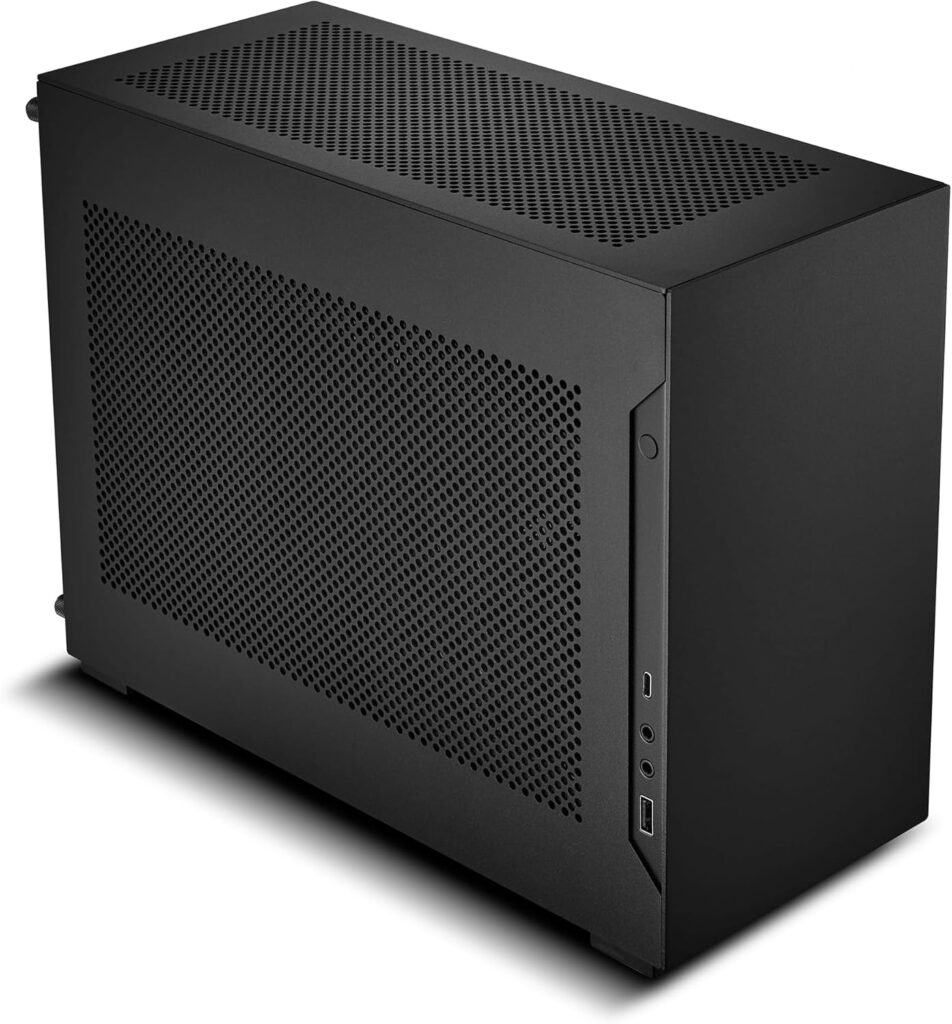
the enthusiast choice when you want genuinely compact at 11 litres. Dual-chamber layout separates the GPU and CPU cooling paths, producing thermal performance that punches above its volume class. 322mm GPU clearance covers most non-extreme triple-fan cards. Requires a 240mm AIO no room for a large air cooler and the build process is more involved than the NR200P. Not the right first SFF case but the right second one.
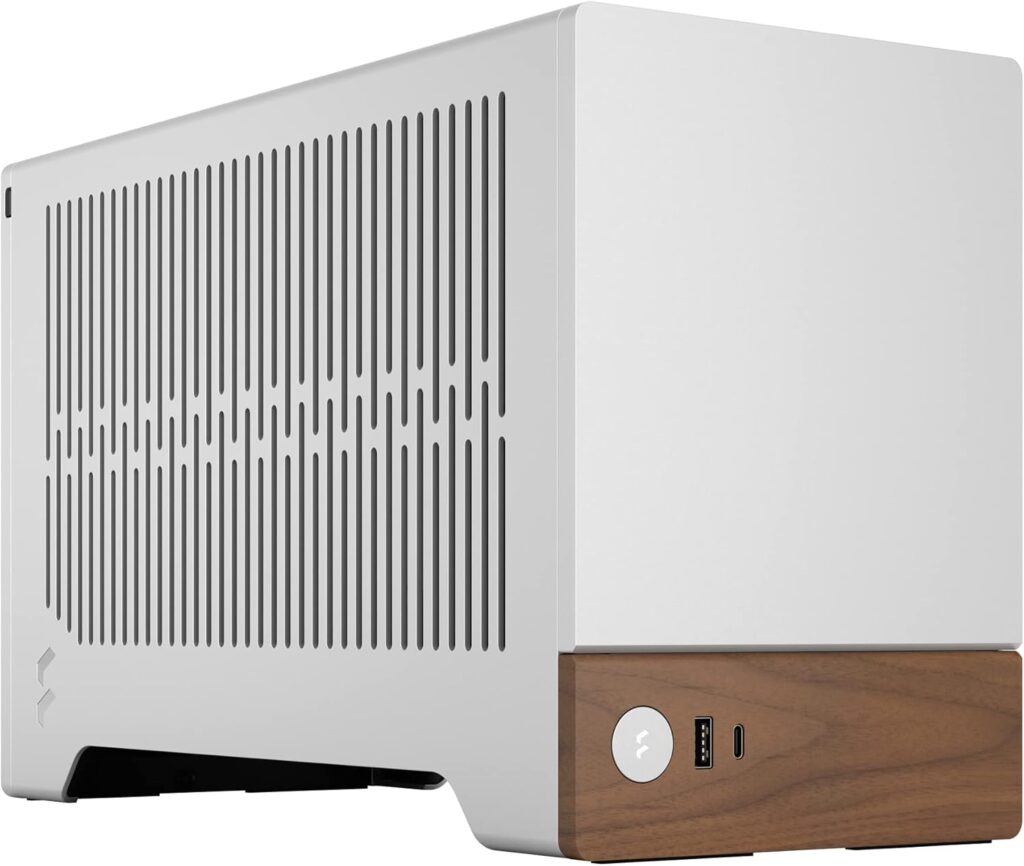
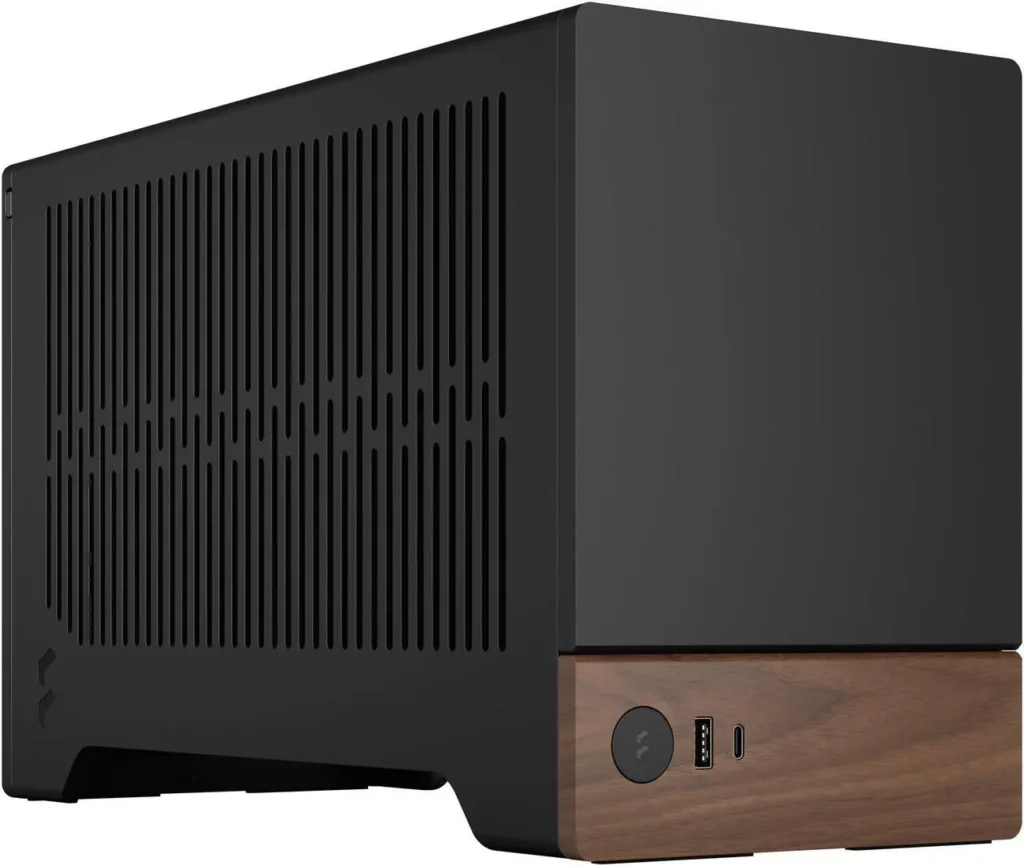
Fractal Design Terra (~$199)
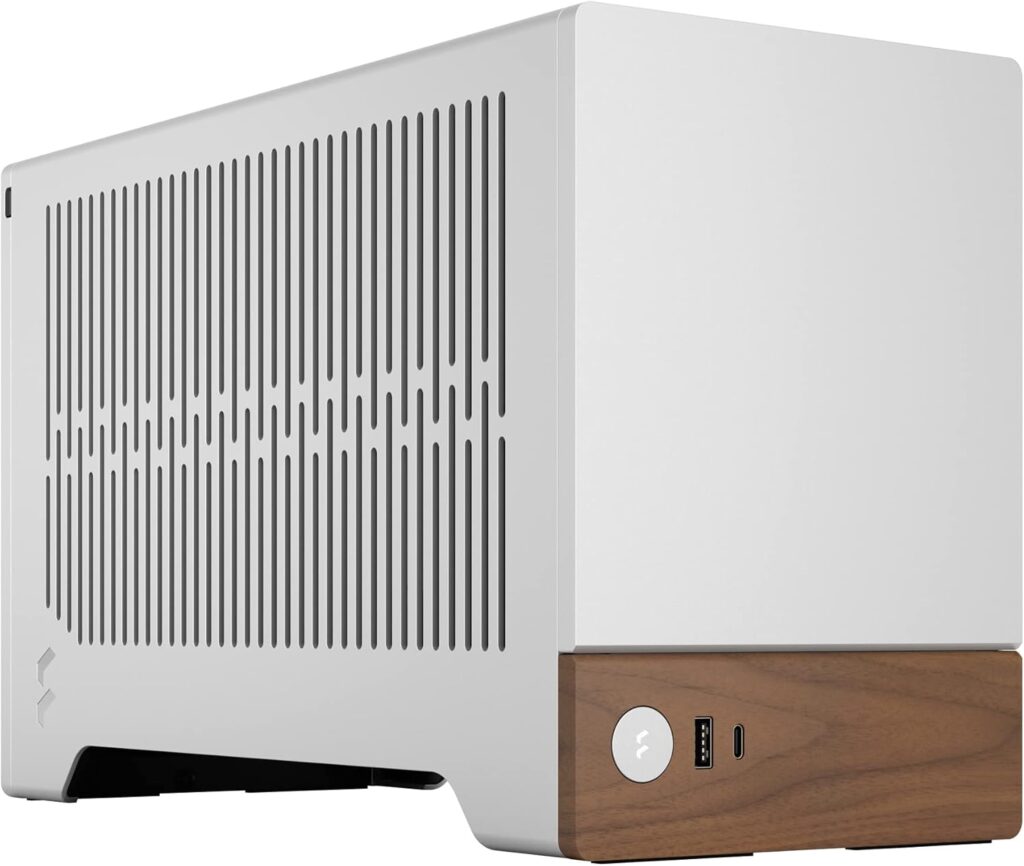
for builders where the desk aesthetic matters as much as the build. A bamboo side panel makes it visually distinctive in a category dominated by aluminium and tempered glass. 10.3L, SFX-L PSU support, clean cable routing. The most design-forward SFF case available at a reasonable price.
Louqe Ghost R1 Mk III (~$200–$499)
premium machined aluminium, modular tophat system that allows you to expand volume when needed for thicker radiators or taller air coolers. The case the r/sffpc community reaches for when build quality is the priority over price. Long lead times from boutique production runs are the honest caveat.
The power supply situation: SFX is non-negotiable
Standard ATX power supplies don’t fit Mini ITX cases. You need an SFX or SFX-L form factor unit. SFX measures 125×63.5mm. SFX-L is slightly longer at 130mm, offering more room for higher wattage or better fan configurations.
Quality SFX options: Corsair SF750 Platinum at $159.99, Seasonic Focus SGX-650 at ~$259, be quiet! SFX Power 3 750W at ~$134. Don’t buy budget SFX units the PSU is the component that kills everything else if it fails, and in a compact case thermal stress on the PSU is higher than in a ventilated mid-tower.
Wattage guidance: an RX 9060 XT or RTX 5060 Ti build needs 650W minimum. An RTX 5070 or RX 9070 XT needs 750W. Anything above that (RTX 5080, RTX 5090) isn’t recommended for standard Mini ITX cases because the thermal load on the entire system is difficult to manage in under 20 litres. Not impossible, but requiring specific case selection and custom fan configuration that’s firmly in experienced builder territory.
A realistic Mini ITX gaming build for 2026
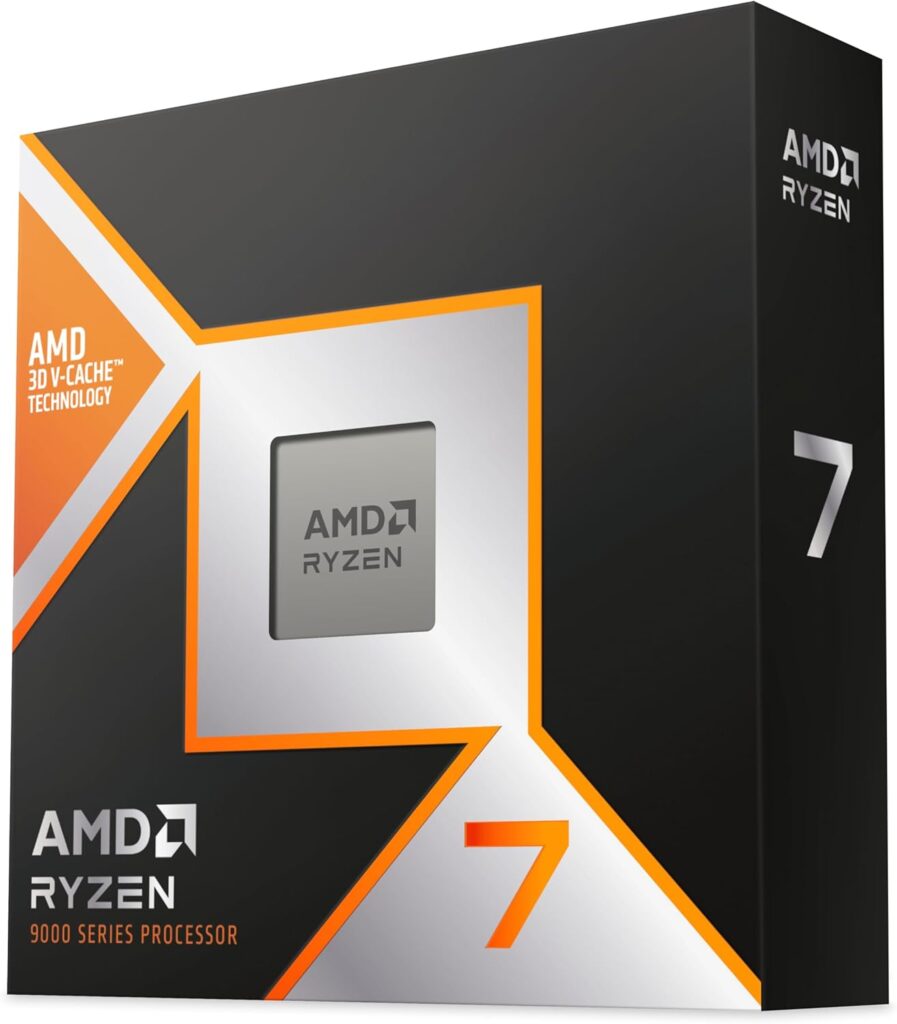
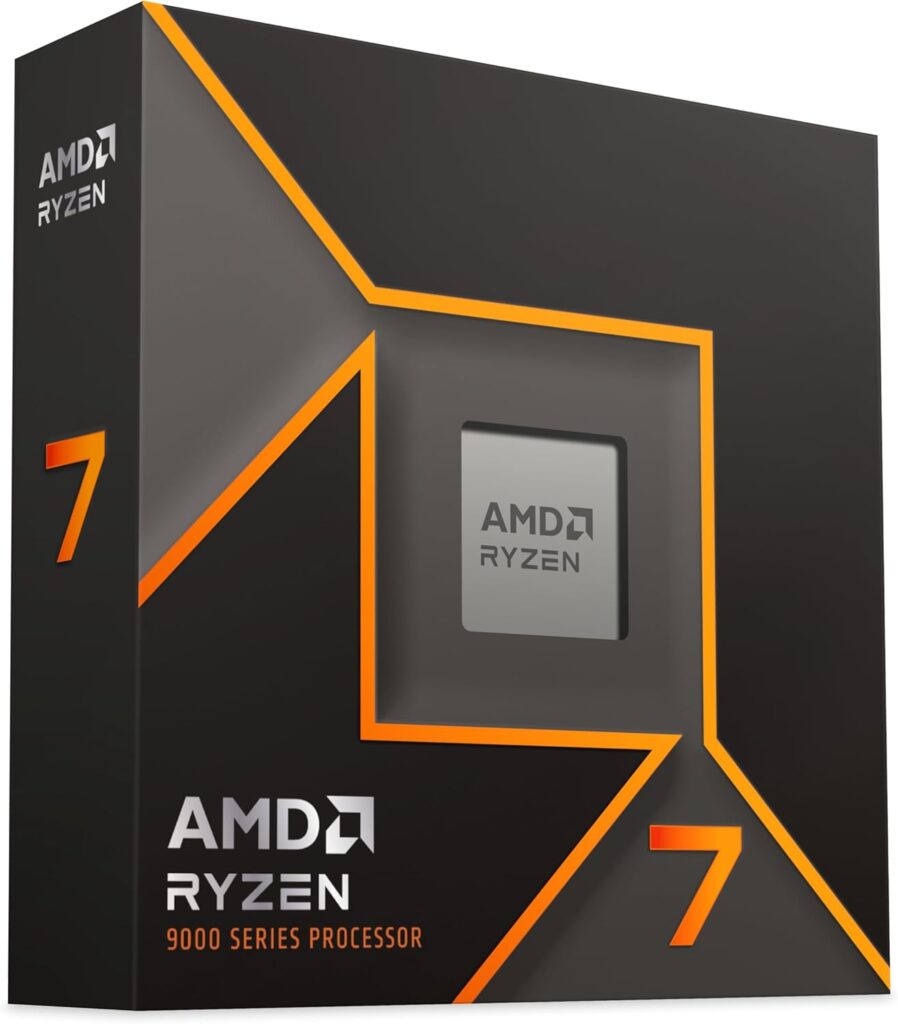
CPU: Ryzen 7 9700X (~$280) the 65W TDP runs comfortably under a 240mm AIO in a tight space. The 9800X3D is viable but its 120W TDP under gaming load asks more of SFF cooling configurations.
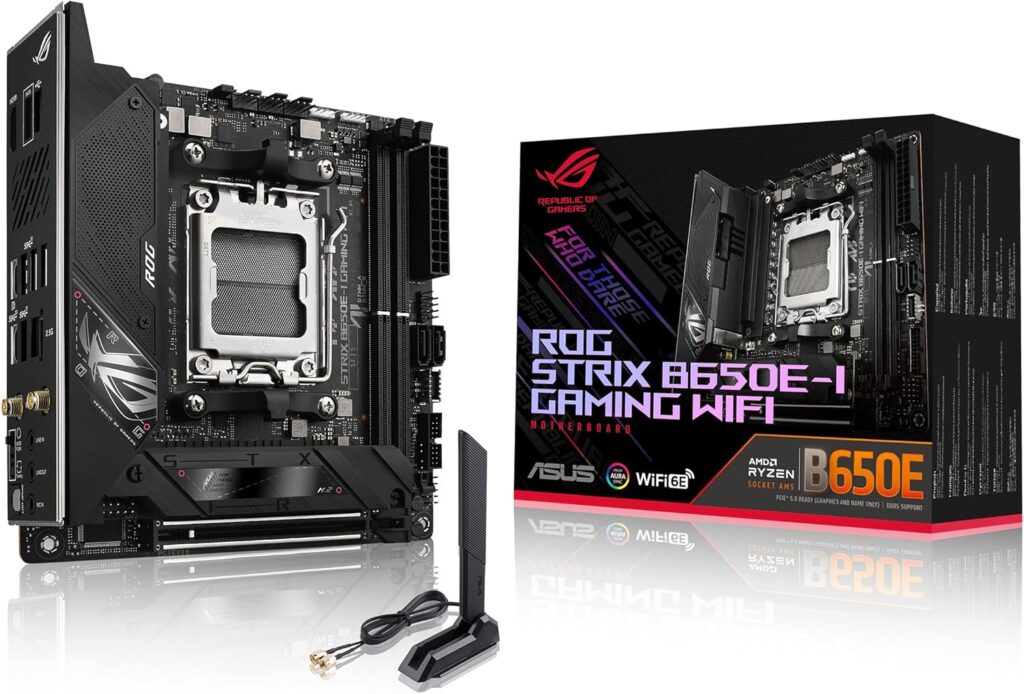
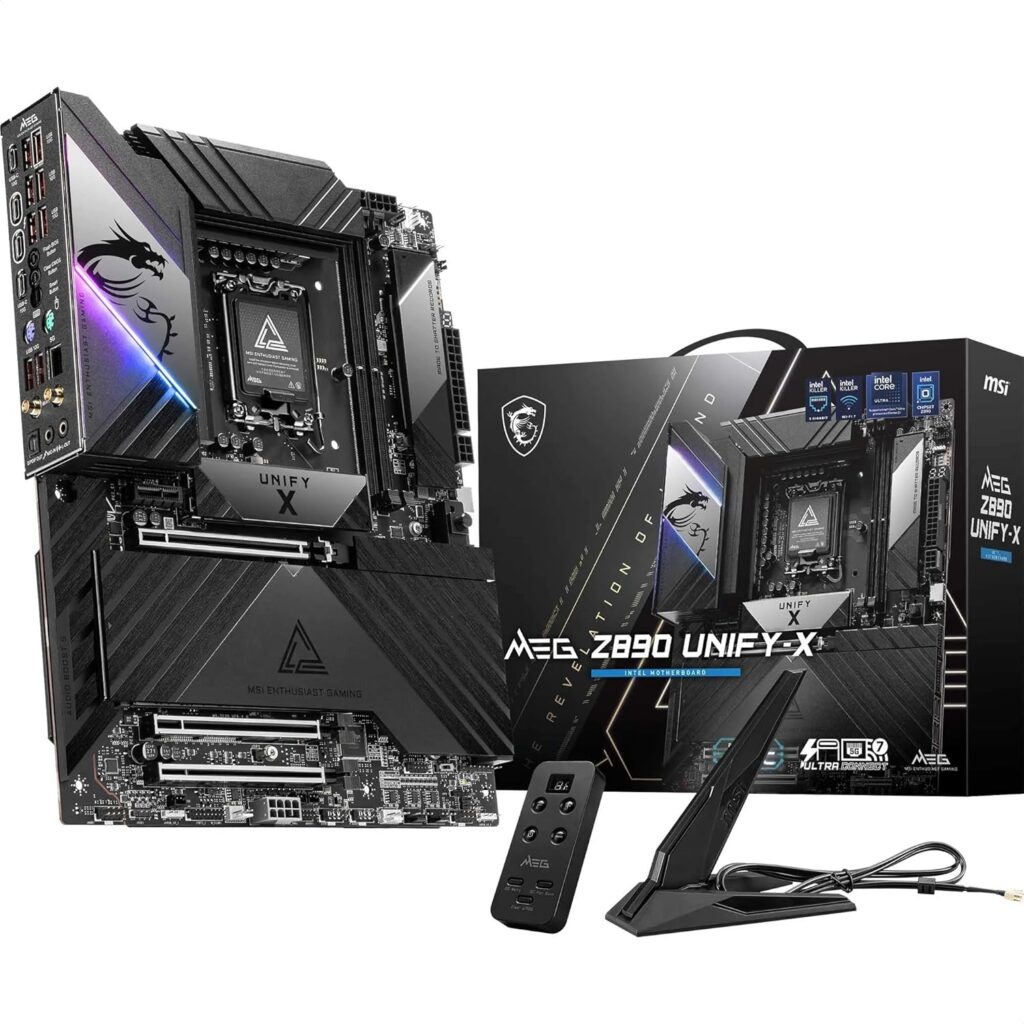
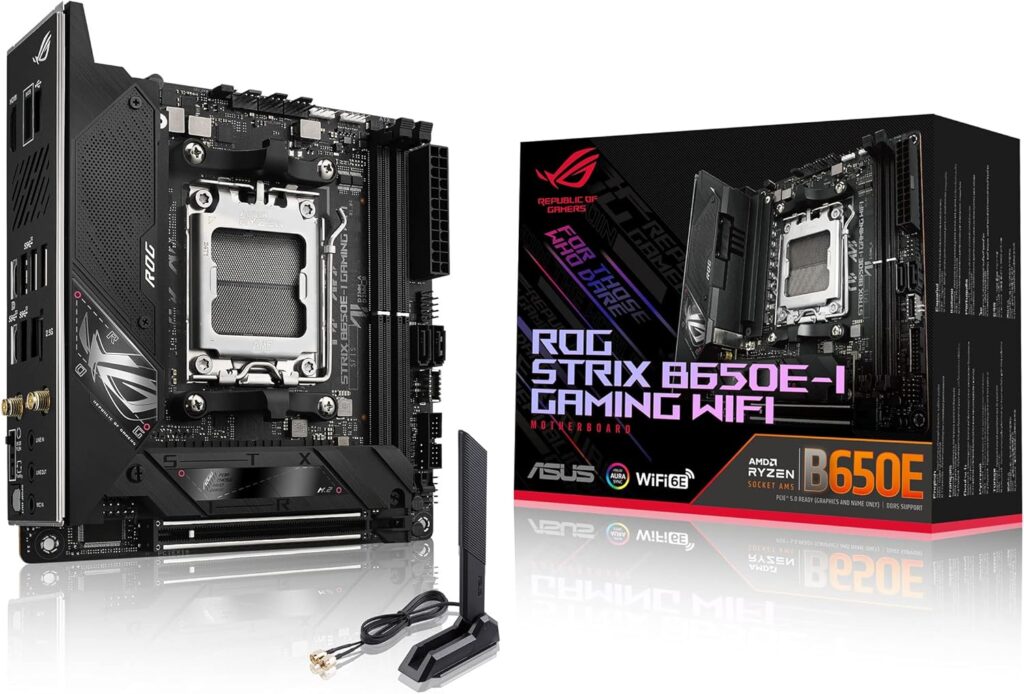
Motherboard: ASUS ROG Strix B650E-I Gaming WiFi or MSI MEG Z790I Unify-X Mini ITX AM5 boards from reputable brands. ~$250–$399. More expensive than ATX equivalents. That’s SFF tax.
GPU: RX 9060 XT 16GB or RTX 5060 Ti 16GB both run under 170W which the NR200P V2 handles without drama. Check your specific AIB model’s dimensions against the case’s GPU clearance before buying triple-fan cards at 340mm+ may not fit all SFF cases.
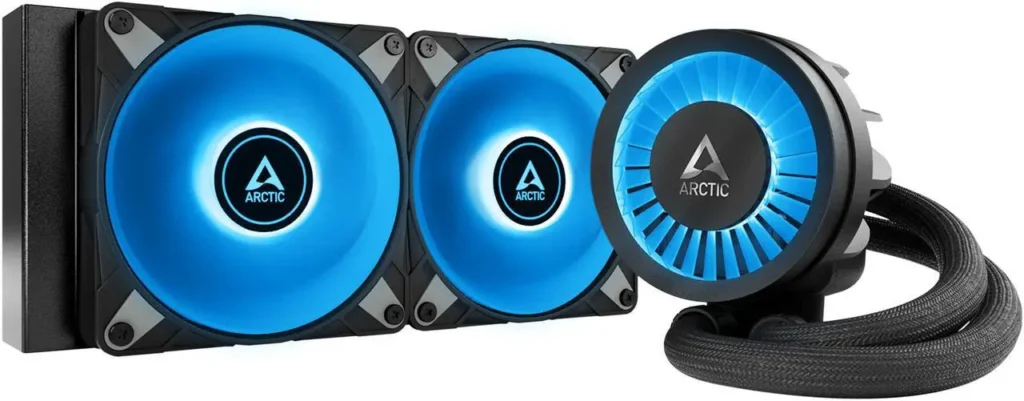
Cooling: 240mm AIO. The Lian Li Galahad II 240 or Arctic Liquid Freezer III 240 are compact enough for most Mini ITX cases that support liquid cooling.
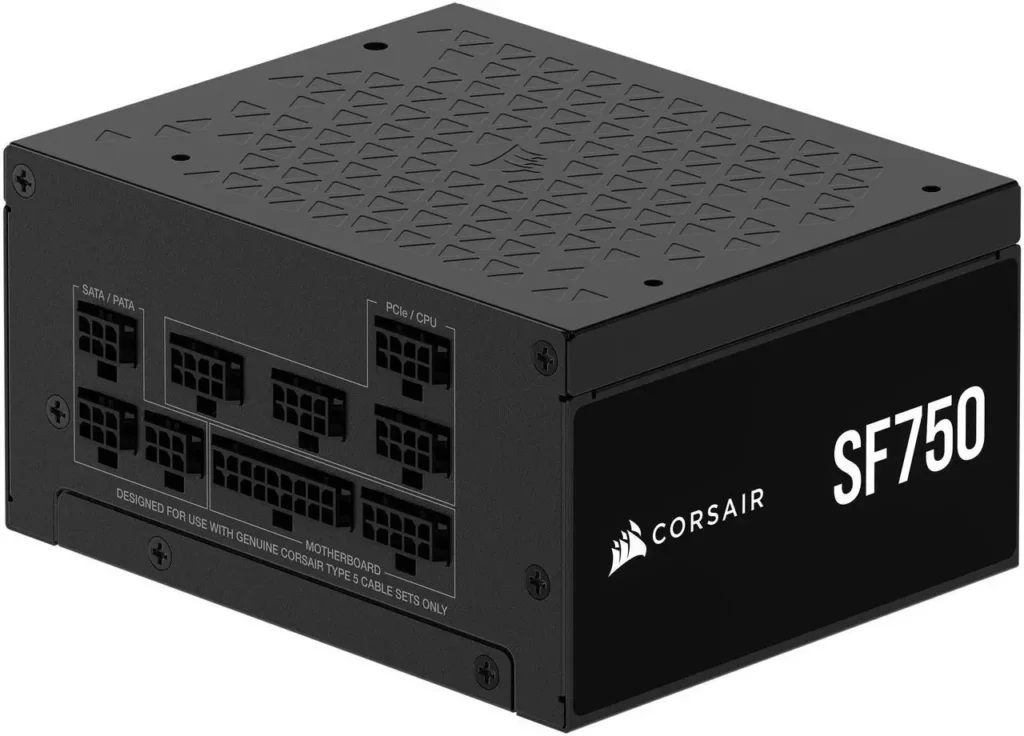
PSU: Corsair SF750 Platinum or Seasonic Focus SGX-650. Don’t size down. The extra headroom on wattage matters more in a small case than in a mid-tower.
Is it worth it?
Yes for the right reasons. If desk space is genuinely constrained, if portability matters, if you want a build that sits on the desk rather than under it, or if the engineering challenge of a compact build is part of the appeal, Mini ITX in 2026 is a legitimate choice with excellent hardware support.
Not worth it if you’re a first-time builder with limited troubleshooting experience the mid-tower build is more forgiving and produces a better first experience. Not worth it if you need more than one PCIe device. Not worth it if you’re planning to run a 300W+ GPU and haven’t researched your specific case’s thermal management carefully.
The best Mini ITX build is one where you chose it for a specific reason rather than defaulting to it because compact sounds appealing. Know why you want small before committing to small.