
Every major complaint about the RTX 50 series boils down to the same word: VRAM. The RTX 5070 launched with 12GB when 16GB was the expectation. The RTX 5080 launched with 16GB when 24GB felt like the minimum for a flagship card at that price. The RTX 5060 launched with 8GB in a market where 8GB was already causing problems in current titles.
Nvidia heard it. The nvidia rtx 50 super series exists to fix it and based on everything that’s surfaced through Seasonic’s PSU calculator, multiple credible leakers, and Moore’s Law Is Dead’s detailed specs breakdown, the fix is substantial. More VRAM across every tier. Higher clocks. Meaningfully higher power draw. A Q4 2026 or CES 2027 reveal window.
Here’s everything known so far and the honest answer on whether to wait.
What the RTX 50 Super lineup looks like
Four SKUs are confirmed by multiple independent sources. The specs below come from leaker Kopite7kimi who has an exceptional track record on Nvidia hardware corroborated by Seasonic’s PSU calculator listings and Moore’s Law Is Dead’s detailed breakdown.
| GPU | VRAM | Memory Speed | TDP | vs Standard |
|---|---|---|---|---|
| RTX 5060 Super | 12GB GDDR7 | ~28Gbps | TBD | +4GB vs 5060 8GB |
| RTX 5070 Super | 18GB GDDR7 | 28Gbps | 275W | +6GB vs 5070 12GB |
| RTX 5070 Ti Super | 24GB GDDR7 | 28Gbps | 350W | +6GB vs 5070 Ti 18GB |
| RTX 5080 Super | 24GB GDDR7 | 32Gbps | 400-415W | +8GB vs 5080 16GB |
The memory upgrade mechanism is straightforward. Nvidia is switching from 2GB GDDR7 chips to 3GB chips across the Super lineup. Same number of chips, same memory bus width just 50% more capacity per chip. This means no PCB redesign, no additional power delivery complexity from the memory side, and a relatively smooth manufacturing transition.Is the RTX 5080 Worth It or Should You Save for the 5090
The core count situation — largely unchanged
This is where some buyers will feel let down. The RTX 5080 Super uses the same GB203-450 die as the standard RTX 5080 same 10,752 CUDA cores, same shader throughput. The RTX 5070 Ti Super is similarly unchanged on core count versus the standard Ti. Only the RTX 5070 Super gains additional CUDA cores from 6,144 to 6,400, a 4% increase that won’t move benchmark charts in any meaningful way.
Nvidia is not refreshing shader performance. It’s refreshing VRAM capacity and memory speed. The RTX 5080 Super’s 32Gbps memory versus the standard 5080’s 30Gbps is a 6.7% memory bandwidth improvement on top of the capacity jump meaningful at 4K and in VRAM-heavy workloads but not a compute performance upgrade.
The TDP increases reflect higher memory clocks rather than additional cores. The RTX 5080 Super at 400-415W draws 40-55W more than the standard 5080’s 360W the extra power is going to the faster memory, not additional compute hardware.
Why VRAM matters more now than it did at launch
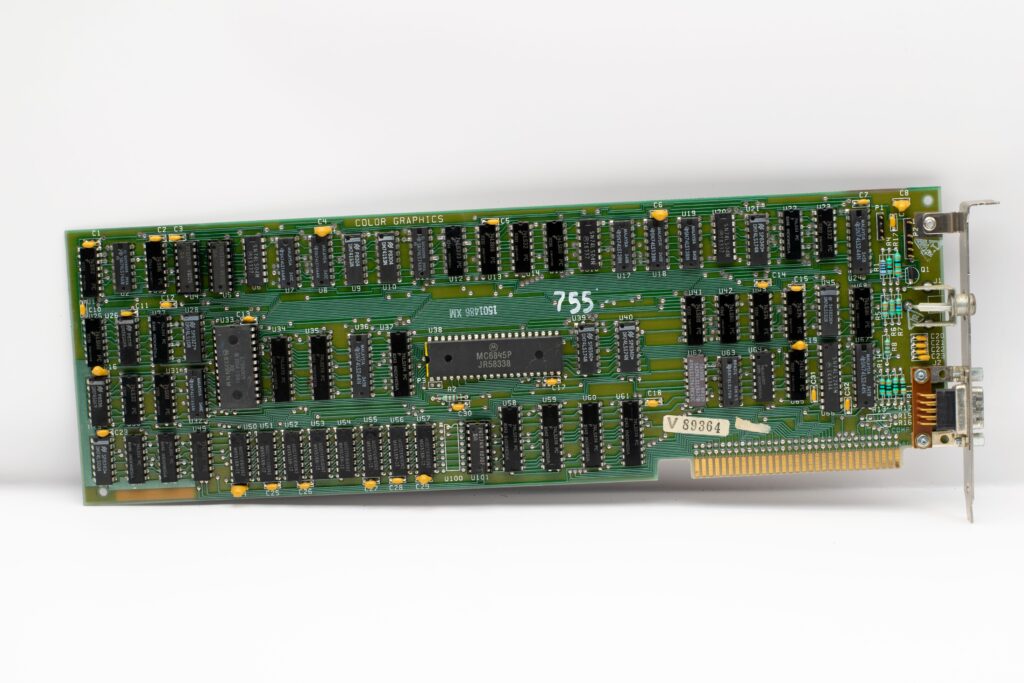
When the RTX 5080 launched with 16GB in January 2025, 16GB was adequate for most 4K gaming scenarios. Eighteen months later the picture has changed. F1 25 averages 15.5GB VRAM usage at 4K ultra settings. Monster Hunter Wilds at maximum textures pushes 4K cards hard. Heavily modded open-world titles and Microsoft Flight Simulator 2024 at photogrammetry maximum are already creating real-world scenarios where 16GB shows strain.
The RTX 5080 Super’s jump to 24GB addresses this convincingly. At 4K with the most demanding titles and settings available in 2026, 24GB provides genuine long-term headroom rather than a ceiling that’s already visible.RTX 5060 Ti vs RX 9060 XT
The RTX 5070 Super’s jump from 12GB to 18GB is arguably the most impactful upgrade in the lineup for the broadest number of buyers. The standard RTX 5070’s 12GB has already been flagged in several games at 1440p ultra settings as insufficient for maximum texture quality. 18GB removes that ceiling entirely at 1440p and makes the card genuinely comfortable at 4K with upscaling.
The RTX 5060 Super — fixing the most criticised card in the lineup
The RTX 5060 at 8GB was the most divisive GPU launch in Nvidia’s recent history. At $329 with 8GB in a market where 8GB is showing VRAM pressure in current titles, the card attracted significant criticism from reviewers and buyers alike.
The RTX 5060 Super with 12GB changes the conversation entirely. At the same 128-bit bus width, 12GB of GDDR7 at higher speeds delivers meaningfully more memory headroom for 1080p and 1440p gaming without requiring a VRAM configuration change. Whether this comes in as an RTX 5060 Super specifically or as a relabelled RTX 5060 12GB isn’t confirmed leaker MEGAsizeGPU noted it may receive a different name but the VRAM upgrade is consistent across all credible sources.
When it’s actually arriving
The most credible current estimate is Q4 2026 for the RTX 5070 Super and RTX 5070 Ti Super, with CES 2027 in January as a potential reveal window for the full lineup including the RTX 5080 Super. Nvidia has not confirmed the existence of any Super cards everything above is from leaks, PSU calculator listings, and hardware analyst sources.RTX 5090 SE — Everything We Know
The delay from original 2025 targets reflects the same GDDR7 supply constraints that have driven GPU prices up across 2026. Switching to 3GB memory chips requires supply that the AI-driven DRAM shortage has made scarce. Production ramp timelines are the primary variable determining whether Q4 2026 or CES 2027 is the real launch window.
Should you wait?
The answer depends entirely on which card you’re considering and what’s available now.
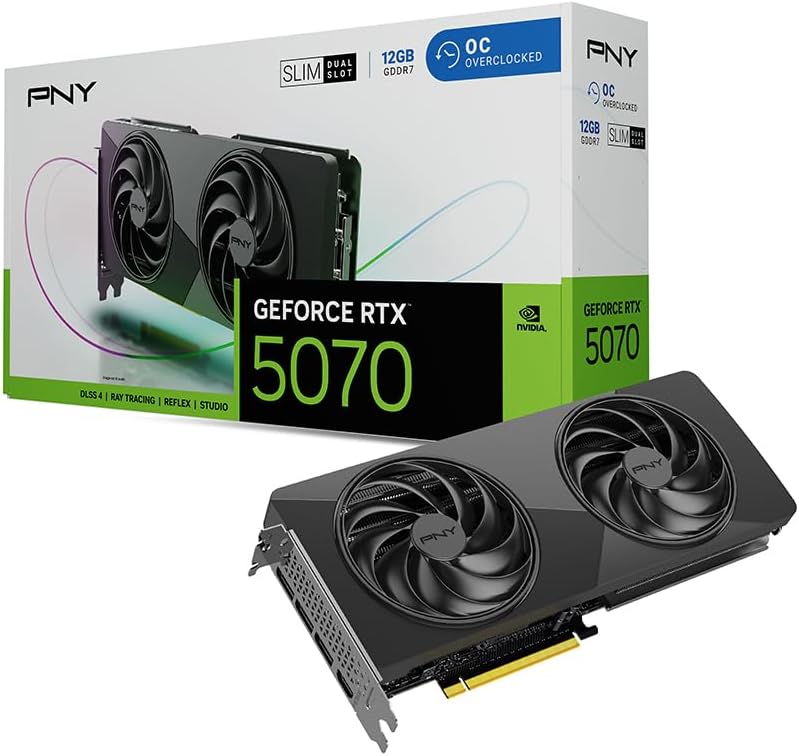
If you’re looking at the RTX 5070 at ~$599: waiting for the RTX 5070 Super is worth serious consideration. The jump from 12GB to 18GB VRAM is a meaningful generational improvement and the 4% CUDA core increase is a free bonus. Whether the Super arrives at the RTX 5070’s current price or at a premium is unknown but if Nvidia follows its RTX 40 Super pricing strategy, the 5070 Super could land at or near the standard 5070’s current price while retiring the base model.Best GPU 2026
If you’re looking at the RTX 5080 at ~$1,249: the case for waiting is real but more nuanced. The RTX 5080 Super’s 24GB versus the standard 5080’s 16GB is a large VRAM jump. The performance uplift beyond that is modest same cores, slightly faster memory. If VRAM longevity is a priority and you plan to keep the card for five or more years, waiting makes sense. If you need a GPU now and the performance of a standard RTX 5080 meets your requirements, the price you’d pay for waiting is months of gaming on inferior hardware.
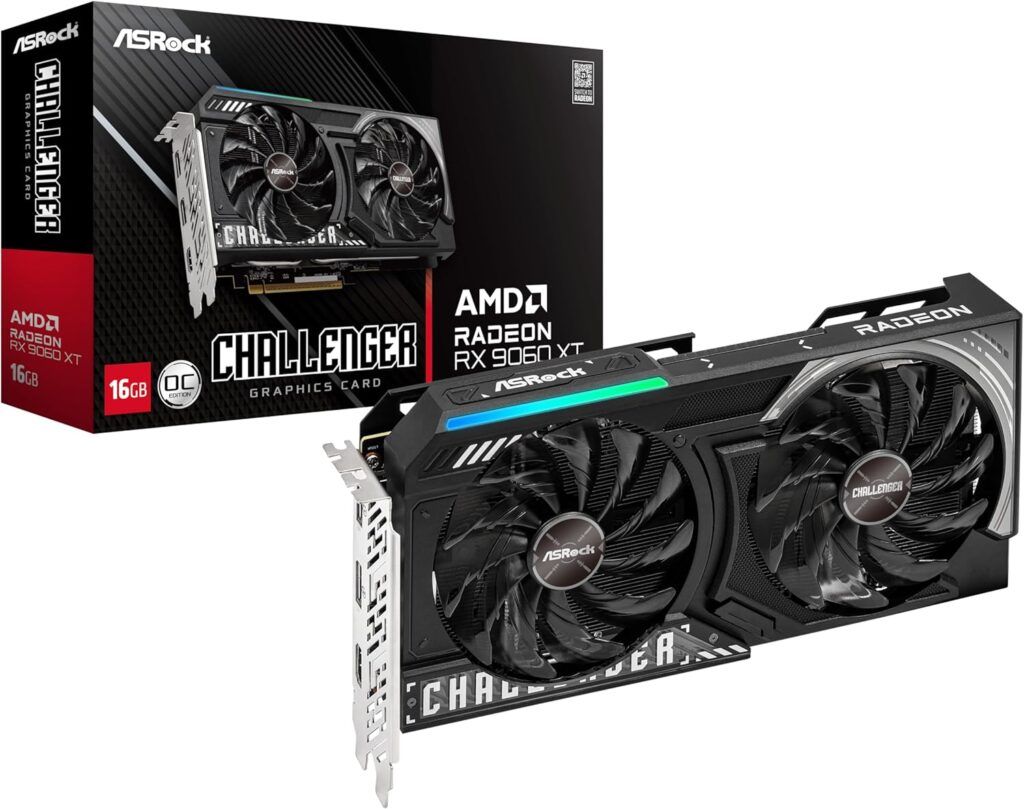
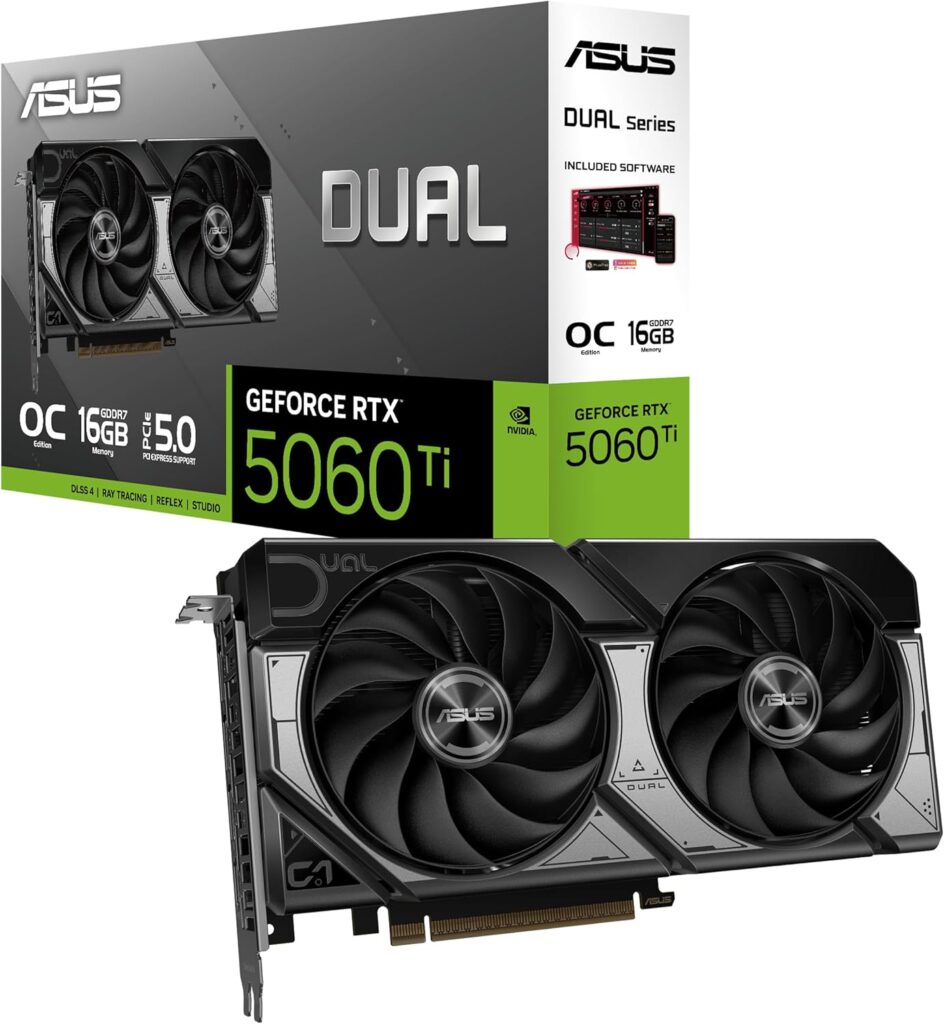
If you’re looking at the RTX 5060 Ti at ~$379-$400: don’t wait for the RTX 5060 Super specifically. If 12GB matters to you at 1080p-1440p, the RX 9060 XT 16GB at ~$400-$489 solves the VRAM problem today without waiting for an unconfirmed Nvidia product.
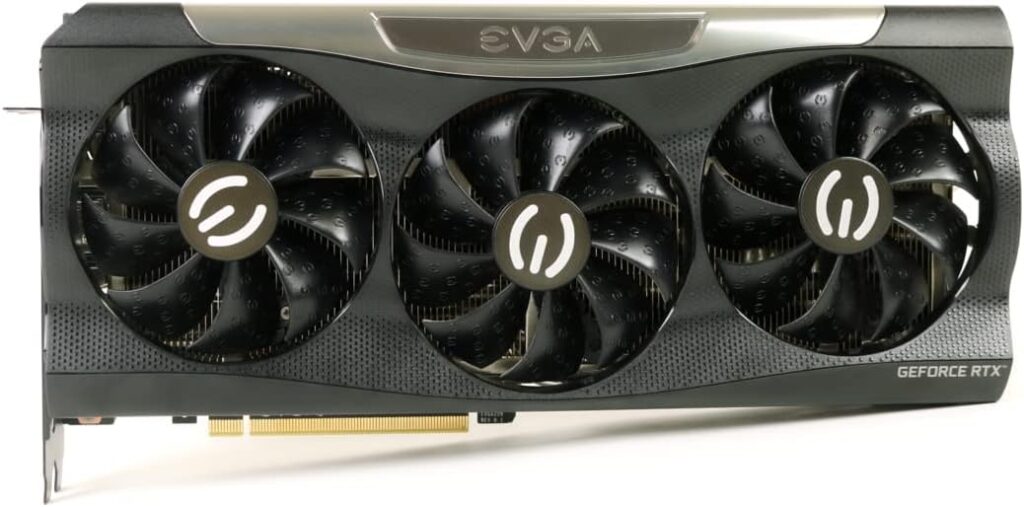
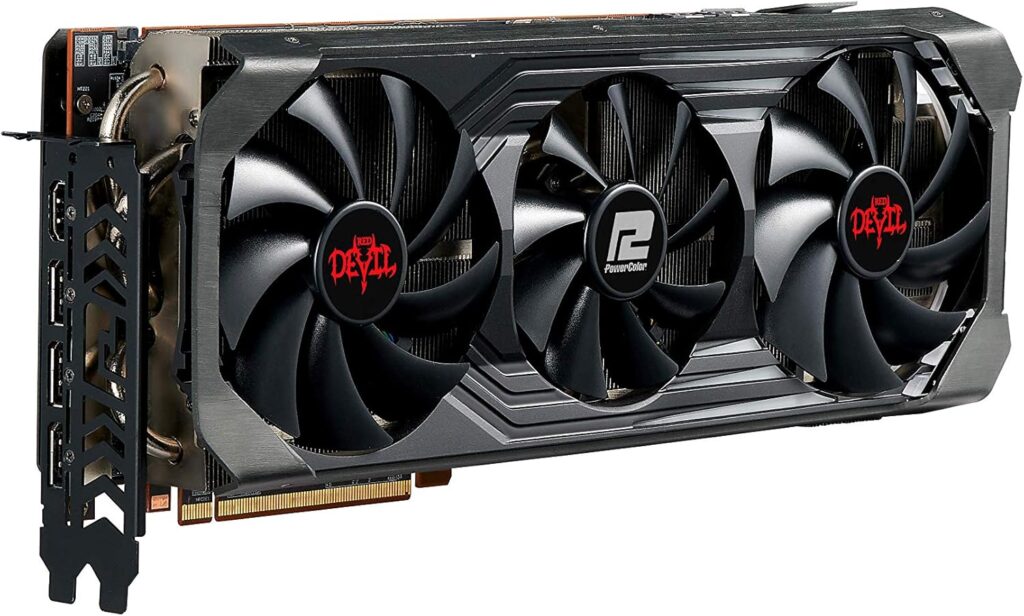
If you’re on a working GPU right now: don’t wait. An RTX 3080 or RX 6800 XT serving you adequately today doesn’t need you to defer gaming for six months on the possibility of a better product at an unconfirmed price.
The honest summary
The RTX 50 Super series is addressing real problems with the standard RTX 50 lineup specifically the VRAM configurations that were criticised at every tier from launch. The upgrades are substantial and well-targeted. The timeline is uncertain. The pricing is completely unknown.
If you’re actively in the market for a new GPU right now and your current card is struggling, buy what’s available and makes sense for your budge the GPU comparison articles across SpecClear cover every current tier. If you’re not being limited by your current hardware, monitoring the Super situation through Q4 2026 is the rational approach. The cards should be worth the wait for buyers who can afford to wait.