
Samsung is building a dedicated AI chip for PCs. HP and Lenovo are already testing prototypes. Mass production could start as early as 2027. That’s the news, and it’s worth understanding properly before deciding what it means for the PC you’re building or buying right now.
The short answer for most PC builders: Gaia doesn’t change what you should buy today, and it won’t for at least 18 months. The longer answer is more interesting, because Samsung entering the AI PC silicon market is a genuinely different move from what Intel, AMD, and Qualcomm have been doing and the reason why matters for where this whole AI PC category is heading.
What Gaia actually is
samsung gaia ai chip is not a CPU, it won’t replace the Ryzen or Core chip in your next laptop. It’s a dedicated AI accelerator a companion chip that sits alongside your existing processor and handles AI-specific workloads without consuming resources from the main CPU or GPU.

Samsung’s System LSI division the same business unit responsible for Exynos mobile chips developed it as a Neural Processing Unit optimised specifically for generative AI tasks on PCs. On-device language models, real-time translation, AI image generation, smart meeting transcription these are the workloads Gaia is designed to handle. Not gaming. Not video encoding. Not anything a discrete GPU or CPU core handles today. Its job is specifically to run AI inference efficiently without burning through CPU resources or battery.
The chip is built on Samsung’s 4nm process and is described as a memory-centric design meaning it positions compute close to memory rather than shuttling data back and forth to a separate processor. This is the architecture that makes it interesting, not just as a product but as a signal of what Samsung thinks AI workloads on consumer devices actually need.
Why this is different from existing NPUs
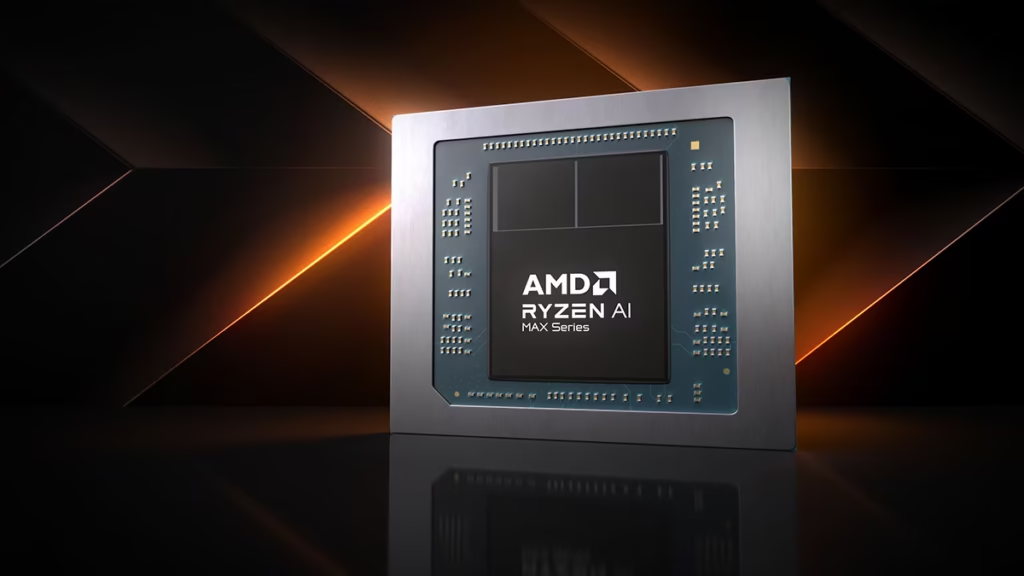
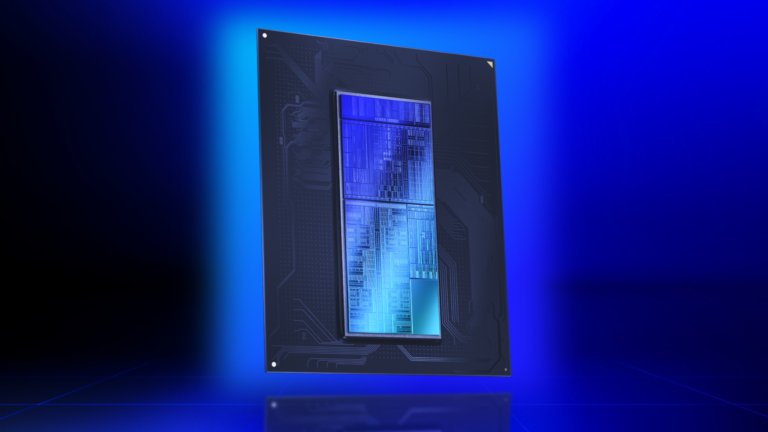
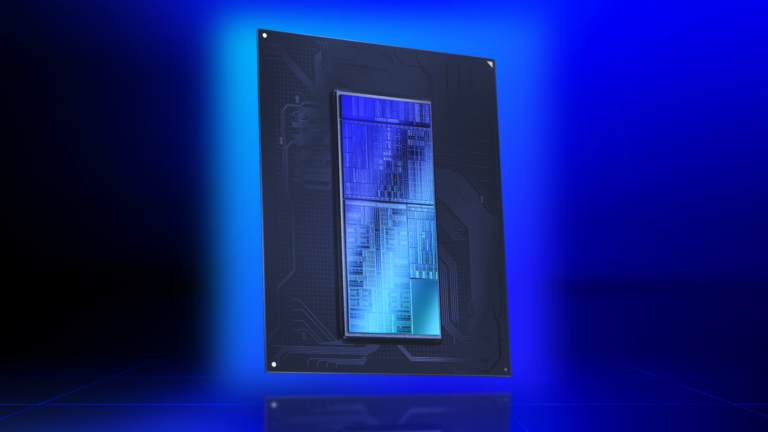
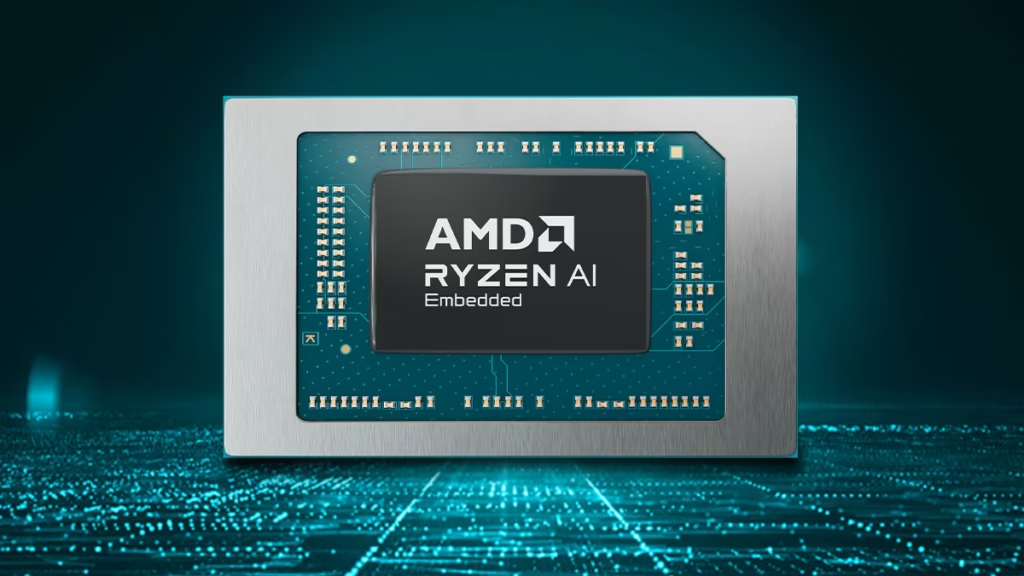
Every modern Intel Core Ultra, AMD Ryzen AI, and Qualcomm Snapdragon X chip already has a built-in NPU. Intel’s NPU on Core Ultra 200-series handles around 47 TOPS. AMD’s XDNA2 in Ryzen AI 300 chips delivers up to 50 TOPS. Qualcomm’s Hexagon NPU in Snapdragon X Elite sits at 45 TOPS.
Gaia is not competing with these by being a slightly better version of the same thing. It’s competing by being a separate, dedicated chip rather than an integrated block on a general-purpose processor die.
The practical difference: an integrated NPU shares thermal budget, power delivery, and die area with the CPU. A dedicated companion NPU like Gaia has its own thermal envelope, its own power domain, and as much silicon as Samsung decides to dedicate to it without compromising the CPU. It’s the same reason a discrete GPU beats integrated graphics for gaming not because integrated graphics are bad, but because dedicated silicon with dedicated resources wins when the workload is demanding enough.
Samsung’s second differentiator is memory, Samsung is the only company developing a dedicated PC AI chip that also manufactures its own DRAM and High Bandwidth Memory. The plan is to pair Gaia with Processing-in-Memory DRAM that performs AI computations directly inside the memory rather than transferring data back and forth to the processor. AI workloads are notoriously memory-bandwidth limited rather than compute limited at the edge. A chip that puts compute inside the memory stack rather than outside it is architecturally interesting in a way that none of the integrated NPU solutions currently match.
The honest assessment: most people still don’t know what their NPU does
Two years into the AI PC marketing cycle, Intel, AMD, and Qualcomm have shipped tens of millions of PCs with NPUs, and TechSpot put the situation plainly: most people still can’t name a single task their current NPU handles that they’d otherwise miss. The TOPS arms race has been fierce. The real-world applications that use those TOPS have been thin.
Gaia doesn’t fix this problem a second or third NPU vendor doesn’t make AI PC features more useful that requires software, not silicon. Microsoft Copilot+, Adobe’s AI tools, and on-device language models are the software layer that determines whether any of this matters to consumers. Samsung having its own NPU in HP and Lenovo laptops only changes the experience if those laptops run software that takes advantage of it in ways the current generation of Copilot+ features doesn’t.
The more credible case for Gaia is a 2027–2028 story where on-device AI workloads have matured local LLMs genuinely useful for privacy-conscious users, real-time translation in video calls without cloud dependency, AI-assisted coding tools that run without an internet connection. If those use cases develop as the AI ecosystem predicts, dedicated AI silicon starts making more sense than an NPU block wedged onto a general-purpose processor.
What it means for Samsung specifically
Samsung last sold PC silicon in 2012, when Exynos chips briefly powered early Samsung Chromebooks before the business was shelved two years later. Intel’s grip on the PC market was too strong. Gaia is a different attempt at the same goal getting Samsung silicon inside laptops other than its own but approached from a different angle. Rather than trying to replace Intel or AMD entirely, Samsung is offering something that can sit alongside them.
This approach is also commercially lower-risk. HP and Lenovo don’t have to redesign their entire platform around a new processor architecture. They test a companion chip, validate it, and if it works they drop it into existing platform designs. That’s a much easier product design conversation than asking an OEM to switch from x86 to Exynos-based silicon.
The tension worth noting: Nvidia and Qualcomm both use Samsung’s foundry for chip production. Samsung competing with its own customers in the AI PC space while still fabricating for them is the kind of conflict that complicates supplier relationships. It’s not a dealbreaker Samsung’s LSI and foundry divisions operate separately but it’s the subtext that makes this announcement more complicated than a straightforward product launch.
What it means for you right now
Nothing changes for builds in 2026. Gaia isn’t in any consumer product. Mass production is 2027 at earliest, devices late 2027 or early 2028. No performance numbers, no power figures, no confirmed architecture details, and Samsung hasn’t officially confirmed the project exists. Everything known comes from Korean media reporting and OEM testing sources.
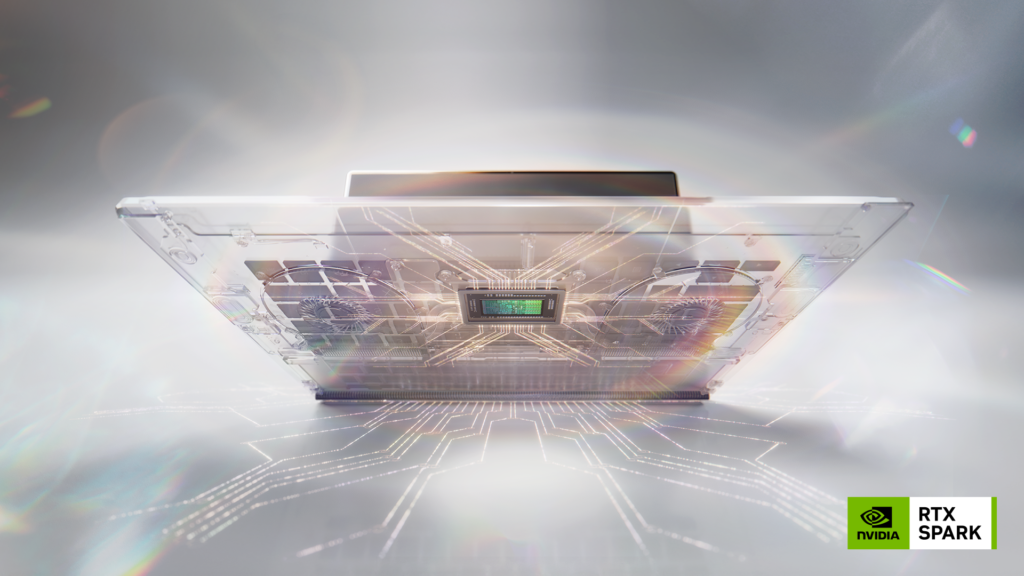
If you’re building a gaming PC today, buy the Ryzen 7 9800X3D or 7700X3D and move on. Gaia is not relevant to that decision. If you’re buying a laptop that you plan to keep for four or five years, it’s worth knowing that the AI PC chip landscape will look different in 2028 dedicated AI accelerators from Samsung, improvements to AMD’s XDNA, and Nvidia’s RTX Spark platform all suggest the on-device AI capability of consumer PCs will be substantially better than it is today. That’s an argument for flexible platform choices but not an argument for waiting indefinitely.
Watch for HP and Lenovo announcements at CES 2027 or CES 2028 for the first concrete product details. That’s when Gaia stops being a leak and starts being something you can evaluate with actual specifications and real software support.