
A five-year-old GPU returned to Newegg shelves in July 2026 near its original 2021 launch price, though September listings often sit higher. That sentence tells you almost everything you need to know about the state of the GPU market in mid-2026.
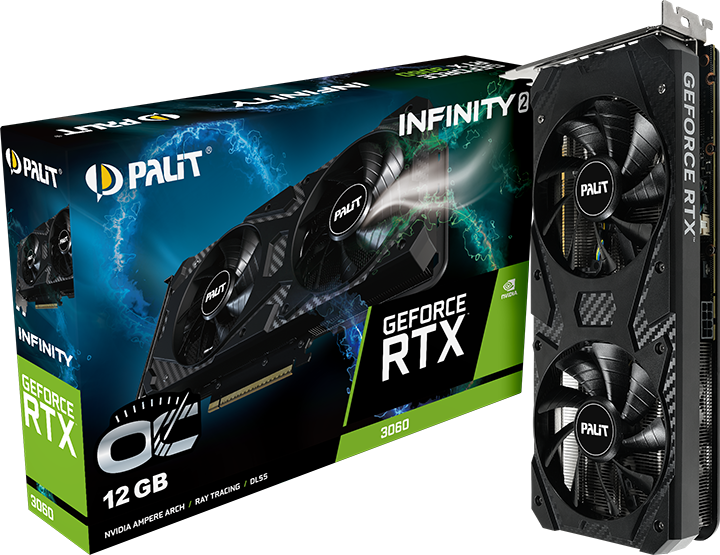
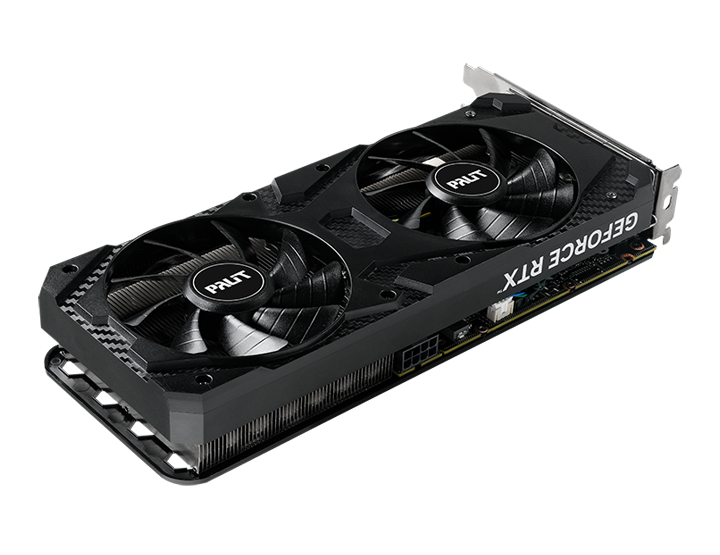
Palit officially announced the GeForce RTX 3060 Infinity 2 OC today the first official announcement of Ampere’s return to retail. MSI and Gigabyte models had already appeared on Newegg in early July, with the Gigabyte Windforce carrying a Rev2.0 suffix indicating a genuine production restart rather than old inventory clearing. ASUS, MSI, Colorful, and GALAX are all confirmed for the relaunch, which points to supply chain coordination rather than a one-time allocation.
The question isn’t whether the rtx 3060 12gb 2026 is back. It is. The question is whether you should buy one.
Why it’s back , the manufacturing story
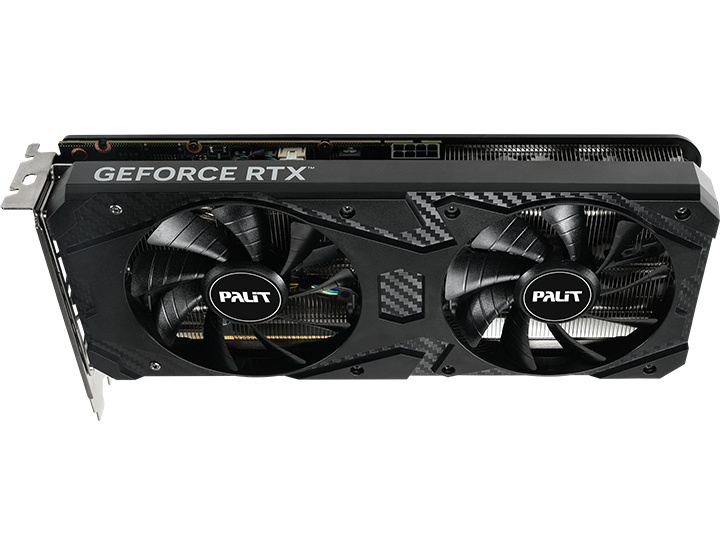
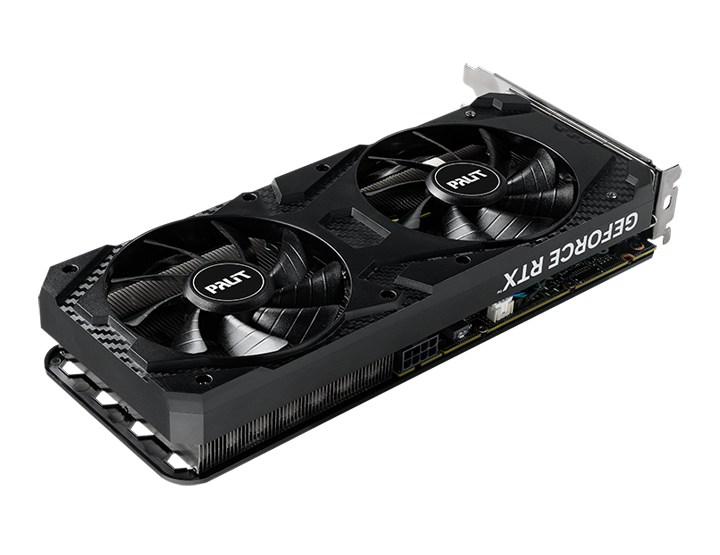
The RTX 3060’s GA106 chip is made on Samsung’s older 8nm process a node with spare capacity that isn’t competing with the cutting-edge production lines reserved for RTX 40, RTX 50, and AI chips. NVIDIA revived Samsung 8nm production to sidestep TSMC 4N capacity pressure, delivering a new 12GB NVIDIA card for local AI workloads at a $329 launch price. On Newegg it now sells for about $460.
At CES 2026, Jensen Huang told Tom’s Hardware that revisiting older GPU architectures on trailing-edge nodes was “a good idea” and “within the realm of possibility.” The RTX 3060’s return is that idea becoming product. It’s a pragmatic response to a genuine market problem current-generation cards are expensive, supply-constrained, and the entry point for a new Nvidia GPU with adequate VRAM has drifted well above $350. If you can stretch further, our RTX 5060 Ti vs RX 9060 XT comparison covers the current-generation options.
What you’re actually getting
The card returning to shelves is the same RTX 3060 12GB that launched in 2021 not a refreshed or updated version. It’s built on the GA106 chip with Nvidia’s Ampere architecture, packing 3,584 CUDA cores, 3rd-generation Tensor Cores, and 2nd-generation RT cores. It pairs that with 12GB of GDDR6 memory on a 192-bit bus running at 15 Gbps, drawing around 170W.
The Palit Infinity 2 OC features a new dual-fan cooler with a ventilated backplate and a flow-through section behind the heatsink, with 0dB fan stop during light workloads. So the cooler is new the silicon underneath it is not.
The card does not gain newer features such as DLSS Frame Generation or Multi Frame Generation. It supports DLSS 2 the reconstruction model but not the frame generation capability that defines RTX 40 and 50 series Nvidia cards. No DLSS 4. No MFG. No ray reconstruction. The feature ceiling is 2021.

The honest performance picture in 2026
At 1080p in most titles the RTX 3060 12GB is still genuinely capable. Games don’t suddenly run worse on older hardware. At 1080p high settings in esports titles, less demanding AAA games, and anything that was well-optimised for the hardware available in 2021–2023, the card delivers smooth gaming without drama.
Where it shows its age: demanding 2026 UE5 titles at 1080p ultra settings push this card into sub-60 FPS territory without upscaling. At 1440p the compute headroom is genuinely limited the card can work at 1440p medium settings in many titles but isn’t comfortable at high settings in the most demanding releases.
The 12GB VRAM is the card’s strongest argument in 2026. The RTX 5060 8GB and RTX 5060 Ti 8GB both show VRAM pressure in texture-heavy titles at 1440p. The RTX 3060 12GB doesn’t hit that ceiling it hits compute limitations before VRAM becomes the constraint in gaming. For 1080p gaming, 12GB is more VRAM than the resolution demands.
The comparison that actually matters
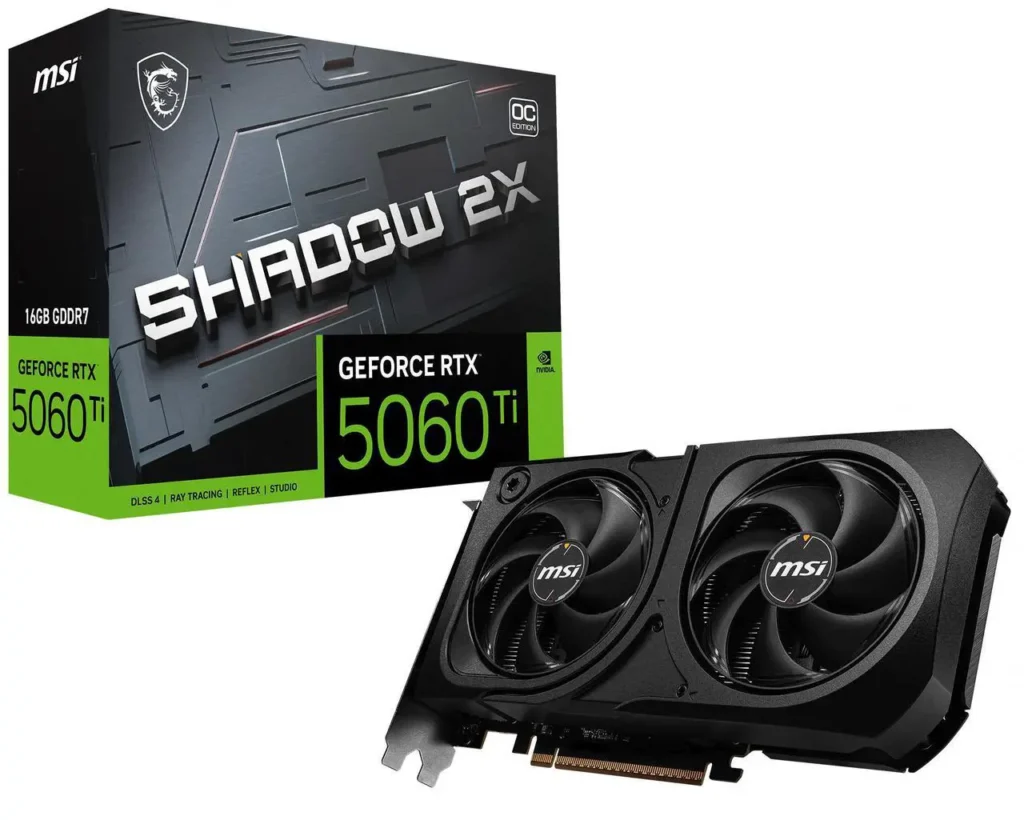
On Newegg right now the RTX 5060 Ti 8GB starts at about $500, against about $460 for the RTX 3060 12GB, and it’s significantly faster with support for DLSS 4.5 and Multi Frame Generation. It only has 8GB of VRAM, which hurts performance at high resolutions and with ray tracing enabled. Our RTX 4060 Ti vs RTX 5060 comparison covers the 8GB trade-off in more detail.
That roughly $40 gap is the entire decision. At about $500 versus about $460:
The RTX 3060 12GB gives you: more VRAM, lower power draw at 170W, a mature five-year driver stack, and adequate 1080p performance in most titles. No DLSS 4, no MFG, no ray reconstruction, weaker compute throughput.
The RTX 5060 Ti 8GB gives you: DLSS 4 with Multi Frame Generation, significantly better compute performance and ray tracing, newer architecture with years of driver improvement ahead. Only 8GB VRAM the specific weakness that made the RTX 3060’s 12GB relevant in the first place.
The RX 9060 XT 16GB at about $520 and up is the third option nobody is talking about in this comparison and it’s the one that resolves the trade-off most cleanly 16GB VRAM, current architecture, FSR 4 upscaling. It costs more than both but removes the VRAM compromise entirely.
Who should actually buy the RTX 3060 12GB
Buy it only if you can find it near its $329 launch price, you’re building a budget 1080p gaming PC with a hard price ceiling, you primarily play games from the last three to four years rather than the most demanding 2026 UE5 titles, and DLSS 4 frame generation isn’t part of your use case. The 12GB VRAM buffer will serve you better than an 8GB card in texture-heavy older titles and in local AI workloads if that’s relevant to you.
Buy it if you need a card for a secondary PC, a home server with light gaming, or a system where the budget doesn’t stretch to anything current-generation. If you are building around it, see our budget gaming PC guide.
Don’t buy it if you’re gaming at 1440p with high expectations for modern AAA titles the compute headroom isn’t there. Don’t buy it if ray tracing is part of how you game 2nd-gen RT cores are a significant step below what current cards deliver. Don’t buy it if DLSS 4 MFG matters to you for high-refresh gaming.
Whether the current Newegg listing represents the beginning of stable availability or a small initial allocation isn’t confirmed. The pattern from China where Colorful began selling the card in early June with small batches and weekly restocks suggests limited but regular supply rather than mass-market volume. Check availability before making plans around this card it may sell out and restock in irregular patterns rather than sitting reliably on shelves.
The RTX 3060 12GB returning to retail at $329 in 2026, and now selling for about $460 on Newegg, is simultaneously a sensible market response and a symptom of how unusual the current GPU market is. Five-year-old silicon at its original launch price being a reasonable buy for a specific group of people says more about where the market stands than it says about the card itself. It’s not the right card for everyone. At about $460 it’s hard to recommend over the RTX 5060 (about $460) or the RX 9060 XT 16GB (about $520). If it drops back near $329, it’s a legitimate option for 1080p budget builders with a hard price ceiling.