
A year ago, $600 built a capable 1080p gaming PC with new parts. Today it doesn’t. That’s not a dramatic statement it’s just the current market, and most budget PC guides are either not acknowledging it or quietly using outdated pricing to pretend the problem doesn’t exist.
Here’s the honest picture of what $600 buys in July 2026, what you can realistically do with a tight budget, and where the actual value floor sits for a new gaming PC right now.
What happened to the $600 build
Two forces hit the budget PC market simultaneously in 2026 and neither has resolved.
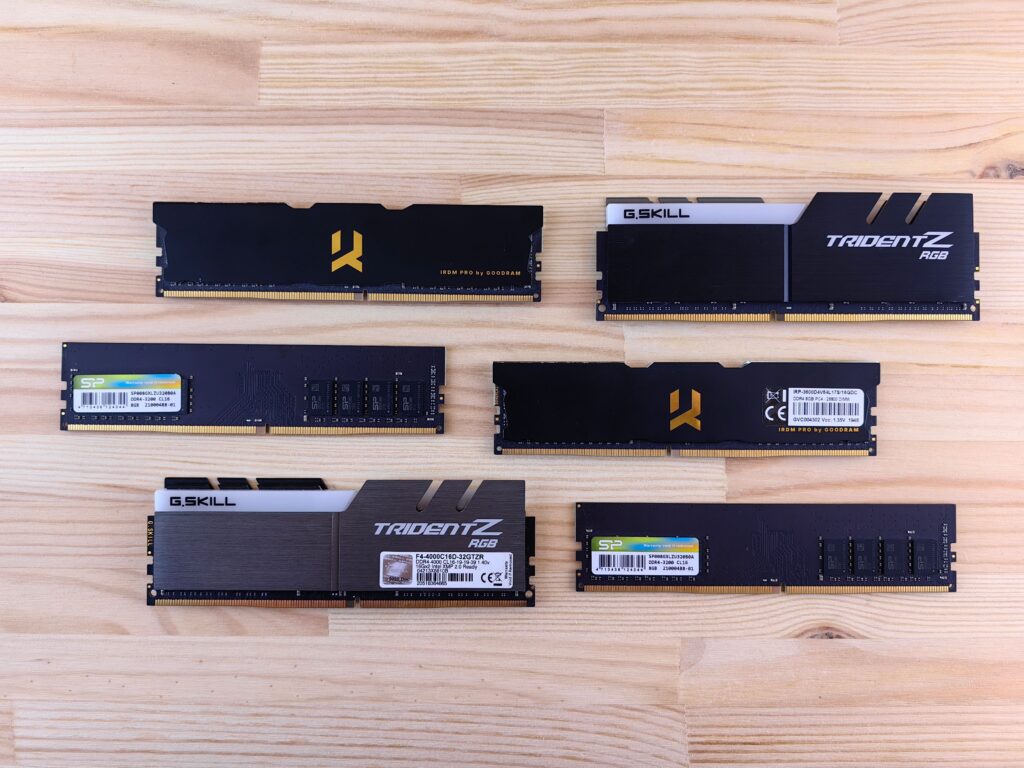
The AI-driven DRAM shortage pushed DDR5 RAM prices up roughly 90–95% in the first quarter of 2026 alone. A 16GB DDR5-5600 kit that cost $45 in late 2024 costs $80–$100 today. A 32GB kit that cost $85 is now $200–$280. Every build that uses DDR5 which is every AM5 build got roughly $70–$150 more expensive before you’ve touched the GPU.
GPU prices followed from the same underlying cause GDDR7 and GDDR6 supply constraints from the same shortage affecting DDR5. The RTX 5060 launched at $329. The Arc B580, the best budget option entering 2026 at $369, now sits at $369 at most retailers. The RX 7600, previously the sub-$200 1080p champion, has drifted upward as supply tightened.Should You Build or Buy a Prebuilt Gaming PC in 2026
The honest outcome: building a capable gaming PC with all-new parts now costs roughly $785 at the absolute minimum and that’s a build that makes compromises. The comfortable starting point for a satisfying new-parts gaming PC is closer to $1,207.
What $600 actually buys right now
There are three realistic paths at a $600 budget in July 2026. None of them is what budget PC guides were describing eighteen months ago.
Path 1: All-new parts, significant compromises (~$600)
The cheapest viable new-parts gaming PC uses an AMD Ryzen 5 5500 on AM4 an older platform that’s no longer receiving new CPU releases paired with an Intel Arc B580 at $369 and 16GB of DDR4 RAM at around $129–$144 (AM4 uses DDR4, which hasn’t been hit as hard by the shortage as DDR5). Add a budget B450 or B550 motherboard at $69–$100, a 500GB NVMe at $89–$119, a Silverstone FARA 515XR case at $67, and a quality 550W PSU at $49–$69.Best DDR5 RAM for Gaming 2026
Total with all new parts: approximately $590–$640 depending on specific models and sales.
What you get: 1080p gaming at medium to high settings in most titles. The Arc B580’s 12GB VRAM is a genuine advantage at this budget every competing card at this price has 8GB which is showing real strain in texture-heavy 2026 games. You’re not gaming at 1440p. You’re not maxing settings in demanding AAA titles. You’re gaming at 1080p at solid frame rates in most titles, and the platform is a dead end for CPU upgrades.
The Ryzen 5 5500 and AM4 are the compromise. AM4 is finished no future CPUs will release for it, and the 5500 is one of the last viable options on the platform. It’s a gaming PC that works today and doesn’t upgrade well tomorrow.
Path 2: Hybrid new/used parts, better GPU (~$600)
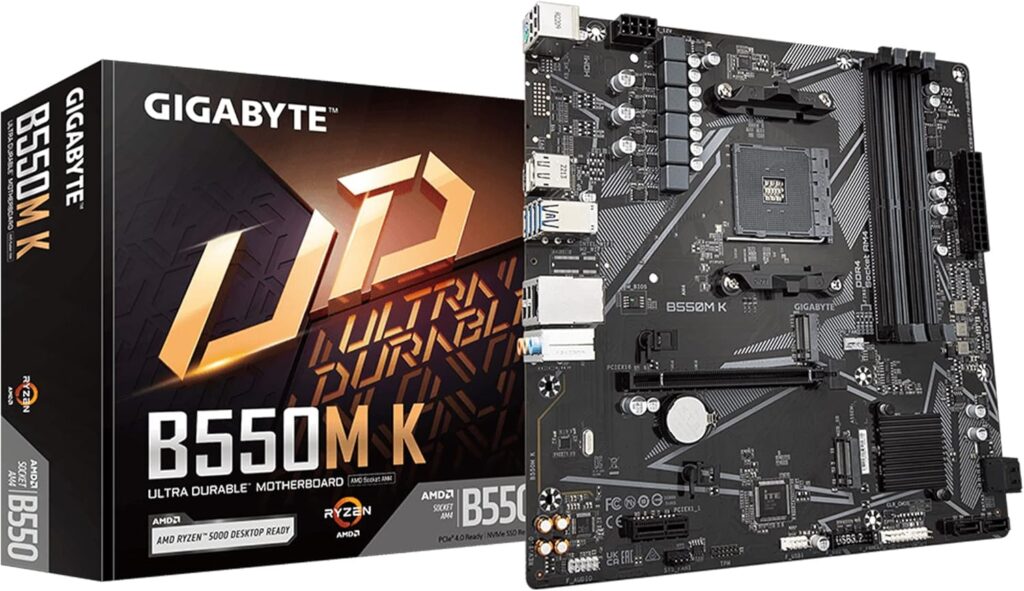
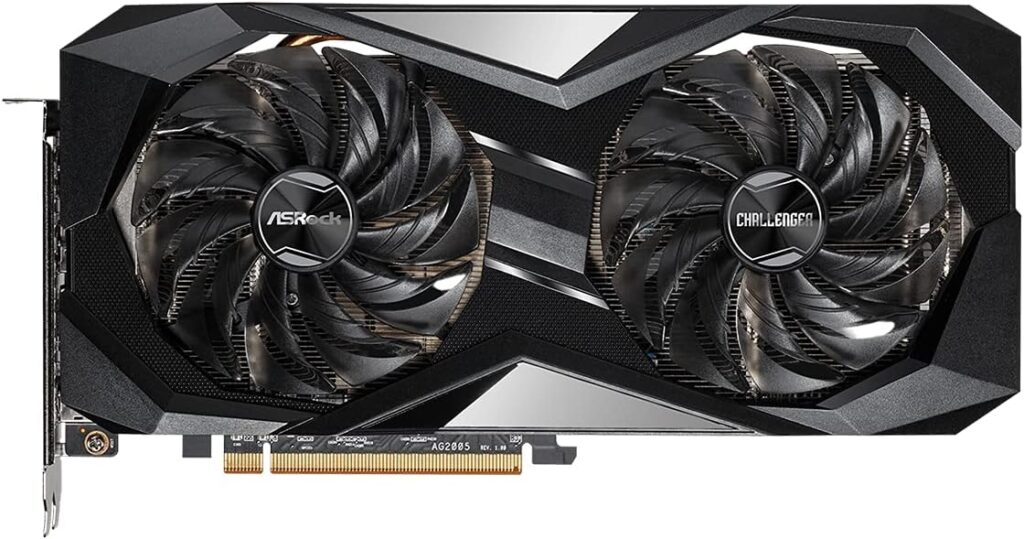
Buy the GPU used, buy everything else new. A used RX 6700 XT 12GB at $160–$180 or a used RTX 3070 8GB at $220–$240 paired with a new Ryzen 5 5600 at $100–$120 on a B550 board with 16GB DDR4 gets you meaningfully better gaming performance than the all-new budget build for the same money.
The used GPU path is the one experienced builders reach for at this budget. You’re comfortable on 1080p and can push 1440p at medium-high settings with the right card. The risk is the used GPU itself no return window, no warranty beyond whatever the seller provides, and the possibility of a card that’s been run hard or has issues that don’t show up immediately.
Buy from reputable sellers. Check return policies. Run a stress test the moment it arrives. Used GPU buying is a legitimate approach that budget builds have relied on for years but it requires more due diligence than buying new.
Path 3: Wait three to six months
This is the option most guides won’t tell you because it doesn’t generate affiliate clicks. If $600 is a hard ceiling and you want a genuinely satisfying gaming PC with new parts, the correct answer in July 2026 is to save $150–$200 more and build in late 2026 or early 2027.
TrendForce projects some relief in GDDR7 and DDR5 supply in late 2026 as new manufacturing capacity comes online. “Some relief” doesn’t mean $85 DDR5 kits but it may mean 20–30% price reductions from current peaks. Combined with $150 more in savings, a late 2026 build at $750–$800 would get you an all-new parts gaming PC with a current-generation GPU at meaningful savings versus buying those same components today.RAM Prices 2026
If gaming isn’t urgent and the budget is tight, waiting is genuinely the most financially rational decision. A $600 build today versus a $800 build in early 2027 with better parts and lower prices is a real consideration.
What $800 realistically buys right now
Since $600 all-new parts involves significant compromise, it’s worth stating clearly what an extra $200 unlocks because for many budget buyers the choice is really between $600 used-GPU hybrid and $800 all-new.
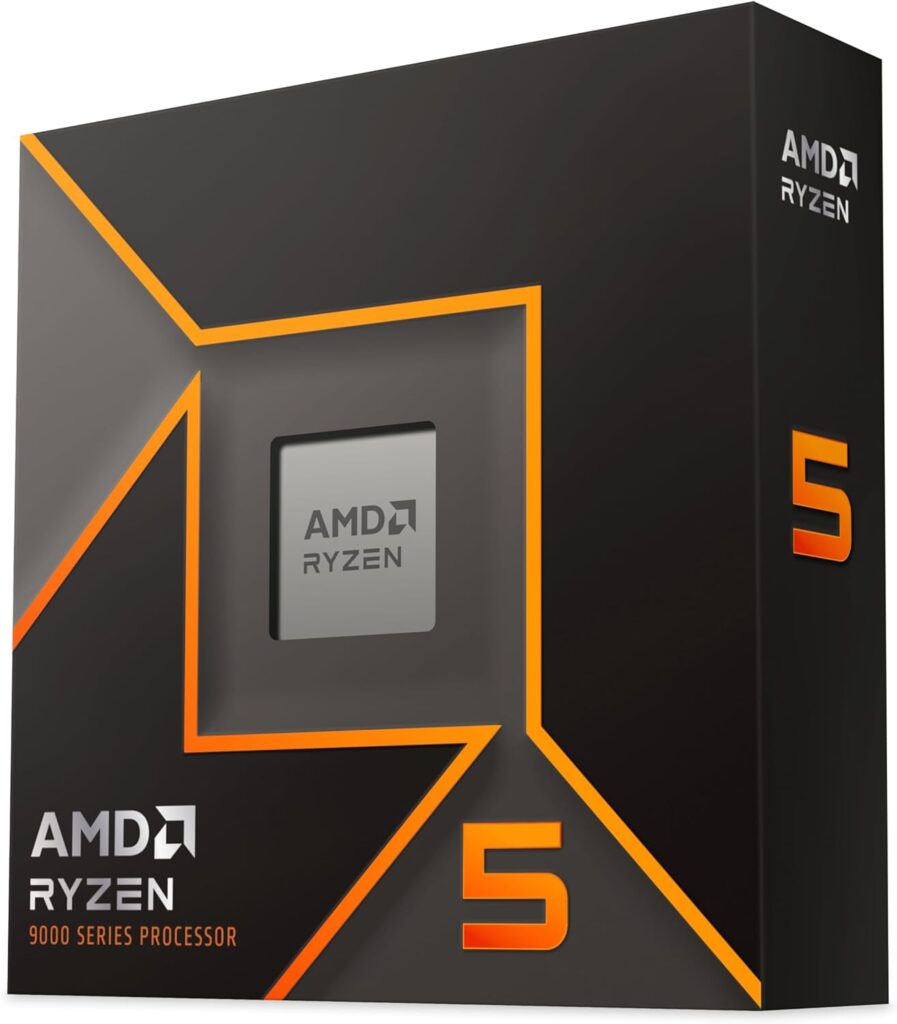
At $800 with all-new parts you can build: Ryzen 5 9600X at ~$178 on AM5, B650 motherboard at ~$139, 16GB DDR5-6000 at ~$176–$234, Intel Arc B580 at ~$369, 1TB NVMe at $179 , 550W PSU at ~$40-$60, budget case at ~$68. Total approximately $1,207 which admittedly pushes past $800 but lands in the right territory.RTX 4060 Ti vs RTX 5060
What this gets you: a current platform with an upgrade path through Zen 6, DDR5 at rated speed, a current-generation GPU with 12GB VRAM, and 1080p gaming that’s genuinely comfortable at high settings in most titles. The AM5 platform means this build can accept Zen 5 and Zen 6 CPUs with a BIOS update turning a $800 GPU-upgrade-later strategy into a legitimate long-term plan.
The prebuilt question at this budget
The build vs buy article covers this in depth, but the short version for $600 budget buyers: prebuilts at this tier are now competitive with DIY in a way they haven’t been historically. CyberPowerPC and iBUYPower occasionally have configurations with comparable specs to the all-new parts builds above, sometimes at lower effective prices due to their DDR5 bulk purchasing. Before finalising a $600 DIY build, check current prebuilt pricing at both.Best Gaming PC Build Under $1500 2026
The prebuilt caveats apply: check the PSU brand and wattage, verify the motherboard is standard ATX form factor, confirm RAM is running at rated speed. A $600 prebuilt with a no-name 500W PSU is a different product from a $600 DIY build with a quality 550W Corsair unit, even if the GPU and CPU specs match.
The GPU is still the priority even at $600
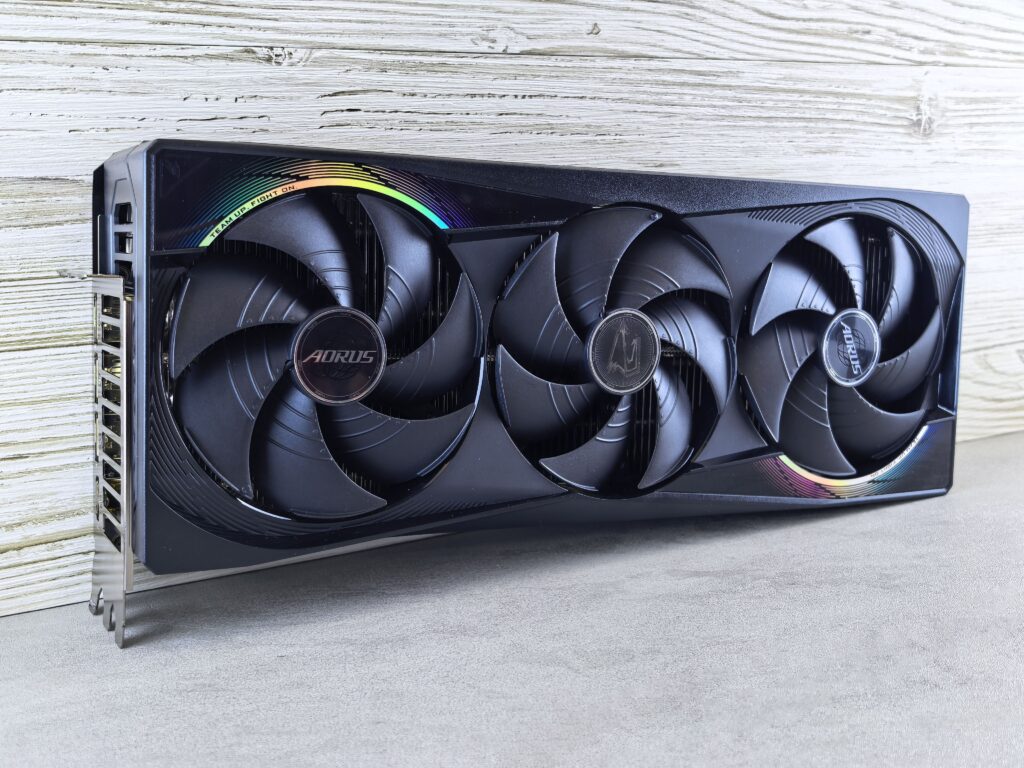
The single rule that doesn’t change regardless of budget tier: put as much of the build budget as possible into the GPU. The GPU determines frame rates. The CPU at this budget level is not the bottleneck. A Ryzen 5 5500 paired with an Arc B580 outperforms a Ryzen 7 7700 paired with an RX 7600 in gaming the GPU differential matters more than the CPU differential at equivalent cost.
Resist the temptation to spend $200 on a Ryzen 5 9600X and $220 on an RX 7600. Spend $100 on a Ryzen 5 5600 and $299 on a B580. You’ll game better on the second build.
The honest summary
$600 all-new parts in July 2026 builds a gaming PC that works. It doesn’t build what $600 built in 2024. The memory shortage changed the economics of budget builds more significantly than any GPU launch cycle has in the last five years, and most budget build guides aren’t telling you that directly.
Know what the budget gets you. Consider the hybrid used-GPU path if new parts aren’t a hard requirement. Consider waiting if the timeline isn’t urgent. And if you push to $800–$1,000, the value per dollar improves significantly from where $600 lands right now.