
Last updated 16/07/2026
Nvidia announced DLSS 5 at GTC 2026 in March and described it as the most significant breakthrough in computer graphics since real-time ray tracing debuted in 2018. Jensen Huang called it “the GPT moment for graphics.” The response from both gamers and developers was considerably less enthusiastic.
DLSS 5 is genuinely new technology. It’s also genuinely controversial in ways that matter for anyone deciding whether to buy an RTX 50 series GPU or wait to see what it actually delivers. Here’s the full picture.
What DLSS 5 actually does — and how it differs from DLSS 4
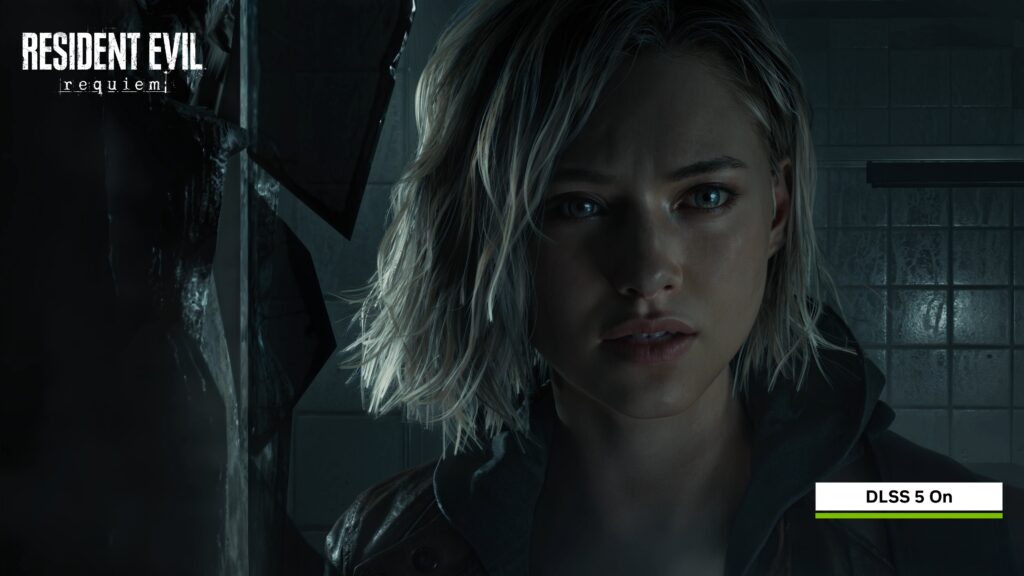
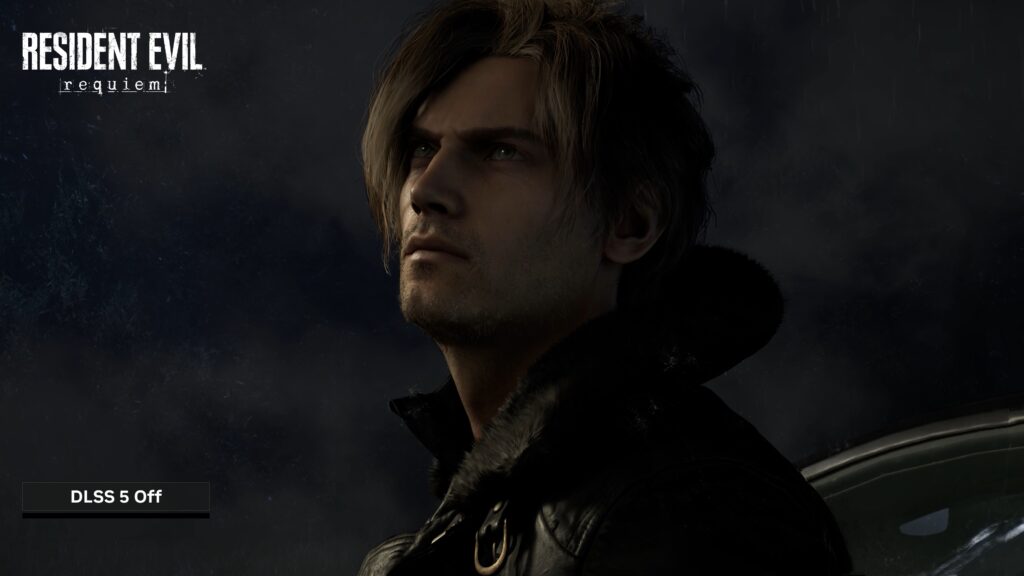
Every version of DLSS before version 5 is fundamentally an upscaling system. The game renders at a lower resolution, DLSS reconstructs the missing pixels using AI trained on high-resolution reference images, and the result appears at your monitor’s native resolution. DLSS 4 added Multi Frame Generation generating additional frames between rendered frames and improved the reconstruction model substantially. But the underlying principle is reconstruction of what the renderer produced.
DLSS 5 introduces neural rendering. Rather than reconstructing what was rendered, it adds lighting and material detail that was never rendered at all. Nvidia describes it as using “a game’s color and motion vectors for each frame as input, and using an AI model to infuse the scene with photoreal lighting and materials.” The model generates lighting effects, surface textures, and environmental detail based on what it was trained to expect in those contexts not what the game engine actually computed.DLSS 4.5 and DLSS 5 Explained
The ambition is real. In controlled demos at GTC 2026, DLSS 5 produced lighting detail and material quality that approached pre-rendered CGI in specific scenes. Resident Evil Requiem, Hogwarts Legacy, and Starfield were the showcase titles. Nvidia’s comparison videos showed genuinely dramatic improvements in lighting quality.
Why the backlash was immediate and significant
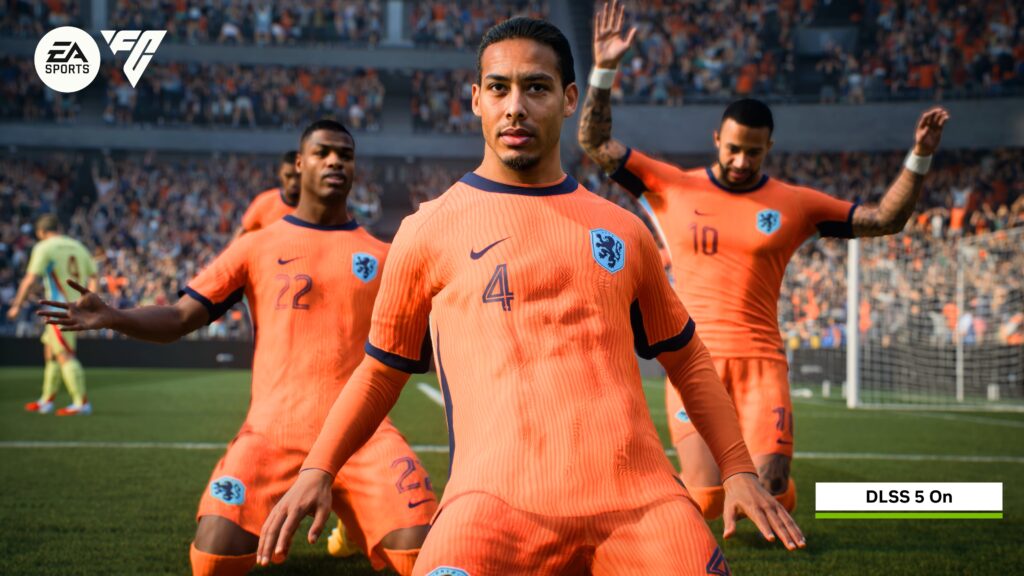
The same demos that showed impressive lighting also showed something else. Nvidia’s showcase of EA Sports FC 26 with DLSS 5 enabled produced visibly distorted facial features Liverpool captain Virgil van Dijk’s face was notably altered. The Verge highlighted it directly and compared the effect to motion smoothing on televisions technically impressive, artistically intrusive.
The broader criticism from developers and the gaming community centred on a fundamental concern: DLSS 5 changes the look of games in ways developers didn’t design and can’t fully control. When an AI model generates lighting and materials rather than reconstructing what was rendered, it makes creative decisions that override the developer’s art direction. A game designed with a specific stylised aesthetic muted colours, flat lighting, deliberate visual choices can be pushed toward photorealism by DLSS 5 regardless of whether the developer wanted that.
A PC Guide poll published after the announcement found that more than half of PC gamers weren’t convinced by what DLSS 5 offers. Developer reaction on social media included multiple designers expressing concern about losing control over how their games look on player systems.Is the RTX 5080 Worth It or Should You Save for the 5090
Nvidia responded directly to the criticism. Jensen Huang said at GTC that game developers have “full, detailed artistic control over DLSS 5’s effects,” including intensity controls, colour grading adjustments, and the ability to mask specific parts of scenes where the effect shouldn’t apply. The SDK gives developers per-scene control rather than a global filter. Whether this degree of control is sufficient to prevent the distortion issues seen in early demos will only become clear once launch titles with full developer integration are tested independently.
The hardware requirement — RTX 50 series only
DLSS 5 requires GeForce RTX 50 series hardware. It is not available on RTX 40 series, RTX 30 series, or any older GPU. This is a harder requirement than any previous DLSS generation DLSS 4 features including Multi Frame Generation were similarly restricted to RTX 40 series and newer, but the core Super Resolution model worked on RTX 20 series and above.
Nvidia’s early DLSS 5 demos used two RTX 5090 cards to drive the neural rendering pipeline. Nvidia says it will be optimised to run on a single card by launch, targeting the RTX 5080 and RTX 5090 as the primary hardware tier. How it performs on RTX 5070 Ti, RTX 5070, and RTX 5060 Ti hasn’t been confirmed the computational requirements of a real-time neural rendering model suggest the lower RTX 50 series tiers will either receive a scaled-down implementation or won’t support the feature at all.
This is worth factoring into any GPU purchase decision. If DLSS 5 is a technology you want access to at launch, the minimum sensible GPU is the RTX 5070 Ti. Buyers on RTX 5060 Ti should not assume DLSS 5 support will be confirmed for their card before launch.
When it’s actually arriving

Nvidia confirmed DLSS 5 for fall 2026 at GTC in March. The next Nvidia GTC is scheduled for Berlin, October 20–22, 2026. PC Guide’s analysis suggests DLSS 5 could launch at or around GTC Berlin a logical venue for Nvidia’s biggest annual graphics announcement. October is the most credible specific window based on the event timing.
As of July 2026 the technology hasn’t been shown publicly since its March announcement. Developers quoted in April described it as “not production-ready just yet.” The fall window is Nvidia’s confirmed target and October is the working assumption, but delays are possible and the technology hasn’t been demonstrated running on a single consumer GPU at launch-ready performance.Should I Buy the RTX 5060 Right Now
DLSS 4.5 Ray Reconstruction arrives in August 2026 one month from now and represents the last major DLSS 4.x update before DLSS 5. That August update is the more immediately relevant technology for RTX GPU owners in 2026.
The supported games list
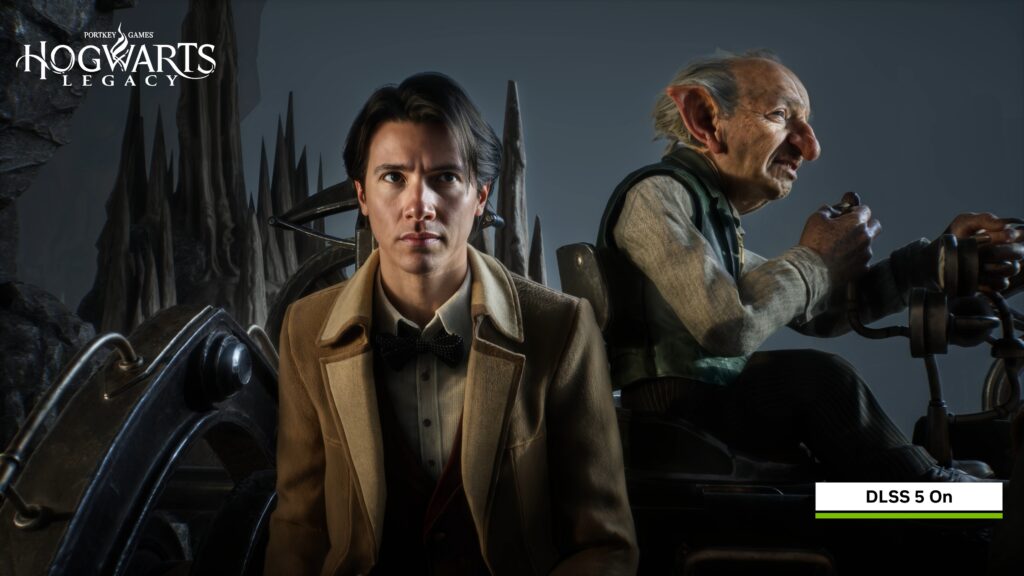
Nvidia confirmed DLSS 5 support for Assassin’s Creed Shadows, Delta Force, Hogwarts Legacy, Naraka Bladepoint, and EA Sports FC 26 at the GTC announcement. Given the backlash around the EA Sports FC 26 facial distortion, how that specific integration looks at launch is worth watching carefully.
The breadth of the launch game list and how well developer controls work in practice will define whether DLSS 5 is a genuine improvement or an AI enhancement that looks impressive in carefully selected demos and problematic in everything else. That question gets answered this fall.
What it means for GPU buyers right now
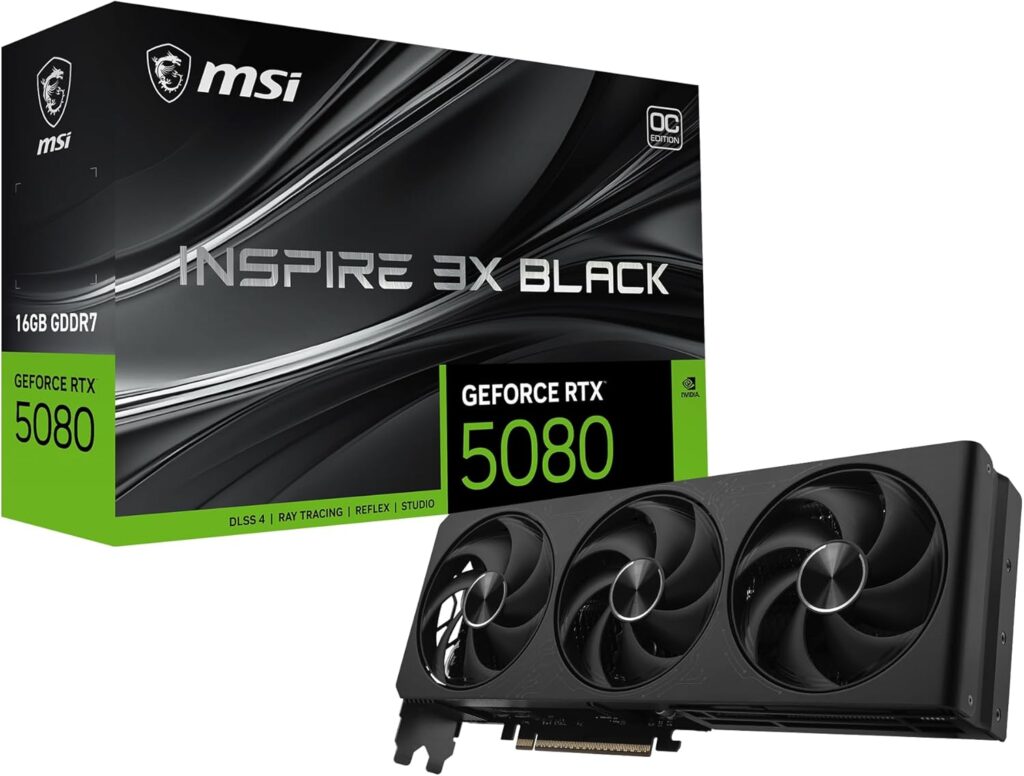
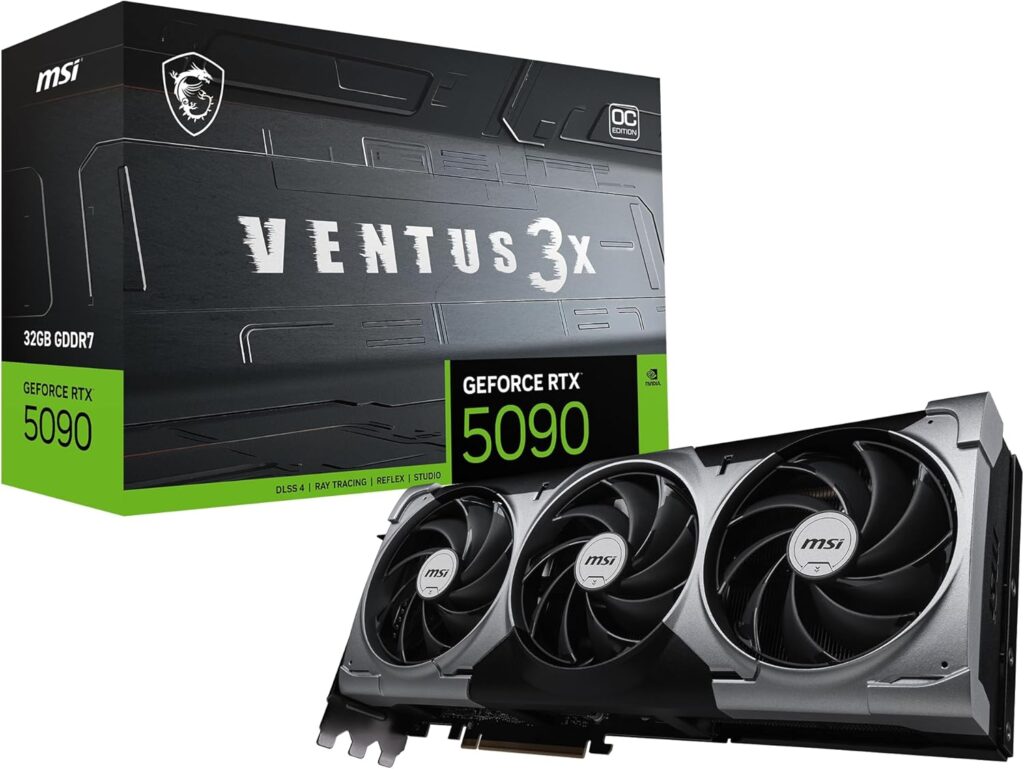
If you’re deciding between RTX 50 series GPU tiers today, DLSS 5 is not a reason to spend more than you otherwise would. The technology is unproven in real-world gaming, restricted to the highest-end cards at launch, and actively controversial in its current state. Buying an RTX 5080 or RTX 5090 for DLSS 5 access is buying access to a feature that might be transformative or might remain a demo-room showcase depending on how developer integration develops.Best GPU 2026
DLSS 4 with Multi Frame Generation is the proven Nvidia upscaling technology worth buying an RTX 50 series card for right now. DLSS 4.5 Ray Reconstruction arriving in August is the next immediate improvement. DLSS 5 is the fall announcement to watch.
If you already own an RTX 50 series GPU, monitor Nvidia’s October announcements. If you’re still deciding what GPU to buy, make the decision on DLSS 4 and gaming performance not on a technology that hasn’t shipped to a single consumer yet.