
SpecClear earns a commission if you buy through Newegg links on this page, at no extra cost to you.
Nvidia has not released a single new gaming GPU in 2026, and that is not a rumour. Reporting from The Information (covered by The Verge and Tom’s Hardware) says the RTX 50 Super refresh was put on hold and that next-gen RTX 60 timing is slipping, which matters for anyone making a GPU buying decision right now.
Where did the RTX 60 series go?
Blackwell silicon is being sliced up for servers, AI workstations, and AI PC hardware such as RTX Spark, which leaves gaming dies competing for the same constrained wafer and memory supply. Wafer capacity at TSMC’s leading nodes is the real constraint: every Blackwell-class die Nvidia builds for a gaming card is a die it is not building for a data centre customer paying substantially more per unit.

AI infrastructure demand is still outstripping supply through 2026, and Nvidia’s own incentives point toward filling data centre orders first.
So what did Nvidia actually ship this year?
Software. The one gaming-relevant update Nvidia shipped in 2026 is DLSS 4.5 Ray Reconstruction, which rolled out in August to existing RTX 40 and RTX 50 series cards. It introduces a second-generation transformer model that unifies denoising and Super Resolution into a single AI network instead of running them as separate passes.
That’s genuinely useful for people who already own RTX hardware, but it is not a reason to upgrade if you do not.
Nvidia also announced RTX Spark, a superchip combining a 20-core Grace CPU with a Blackwell GPU via NVLink-C2C, targeting slim laptops and compact desktops rather than gaming PCs. It is interesting technology aimed at AI-first use cases, not a substitute for the RTX 5060 Ti you were waiting for. If you genuinely run local AI workloads, that pitch is real. If you just want a mid-range gaming card, it is not the product you were shopping for. If you do want one now, the RTX 5060 Ti ($499) is a current option.

What this means if you’re buying a GPU right now
There are three situations that decide whether waiting makes sense.
You’re on an RTX 30 series or older and need an upgrade: The RTX 50 series and AMD RX 9000 series are what is currently available, and the RTX 5060 Ti and RX 9060 XT are the relevant mid-range choices. Neither of these is likely to get cheaper soon. GPU prices have been rising since early 2026, the RTX 50 Super refresh remains delayed/on hold per reporting, and there is no confirmed new Nvidia gaming GPU launch to apply competitive pressure this year. A new GPU maker won’t change that soon either. The Lisuan LX 7G100 from China is real hardware, but it isn’t a practical option for most buyers yet.
Should I upgrade my GPU in 2026
You’re on an RTX 40 series: Don’t upgrade, fight the urge. There’s nothing to upgrade to that justifies the extra money, rather Install the DLSS 4.5 driver update, enable it in supported games, and wait… patiently.
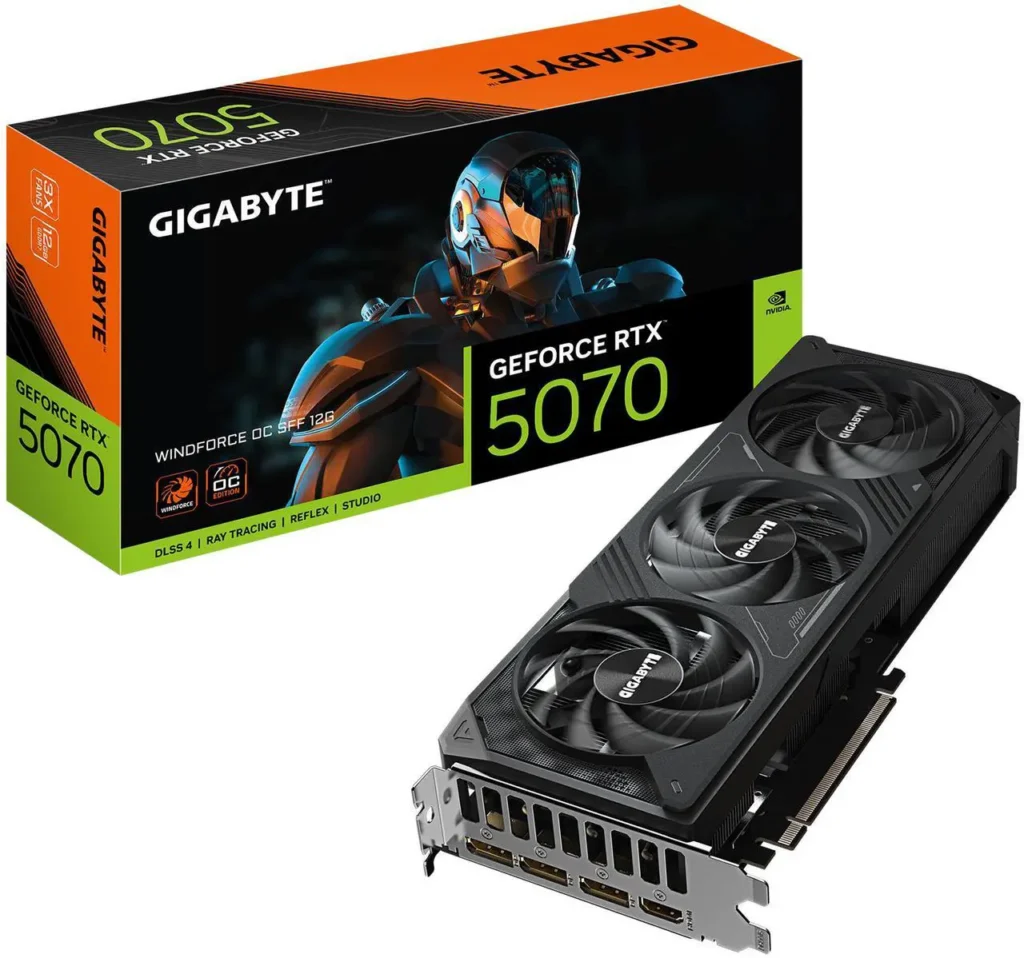
You’re on an RTX 50 series: You’re more than fine right where you are. An RTX 60 series is not coming in 2026, and Nvidia has not confirmed a 2027 consumer launch window either. Even when the next generation lands, history says it will not make a current 50-series card obsolete overnight. Treat any 2027/2028 timeline as rumor until Nvidia publishes one. RTX 5070 12GB (about $905)
When is the RTX 60 series actually coming?
RTX 60 timing is unconfirmed. The Information’s reporting said mass production was originally scheduled for the end of 2027 and could slip later; Nvidia has not confirmed that schedule. Treat late 2027 and 2028 dates as rumor only. With wafer allocation still leaning toward data centre through 2026, waiting for a confirmed announcement is safer than shopping around an invented launch month. For why prices keep climbing, see our GPU price hike report.

The market consequence nobody is talking about
No new Nvidia gaming GPU means no competitive pressure on AMD pricing either. The RX 9060 XT launched at a price that would have been hard to justify with an RTX 5060 Ti refresh on the horizon. With no refresh coming, AMD has no reason to cut prices and every reason to keep prices right where they are. The AMD card to compare is the RX 9060 XT 16GB (about $520).
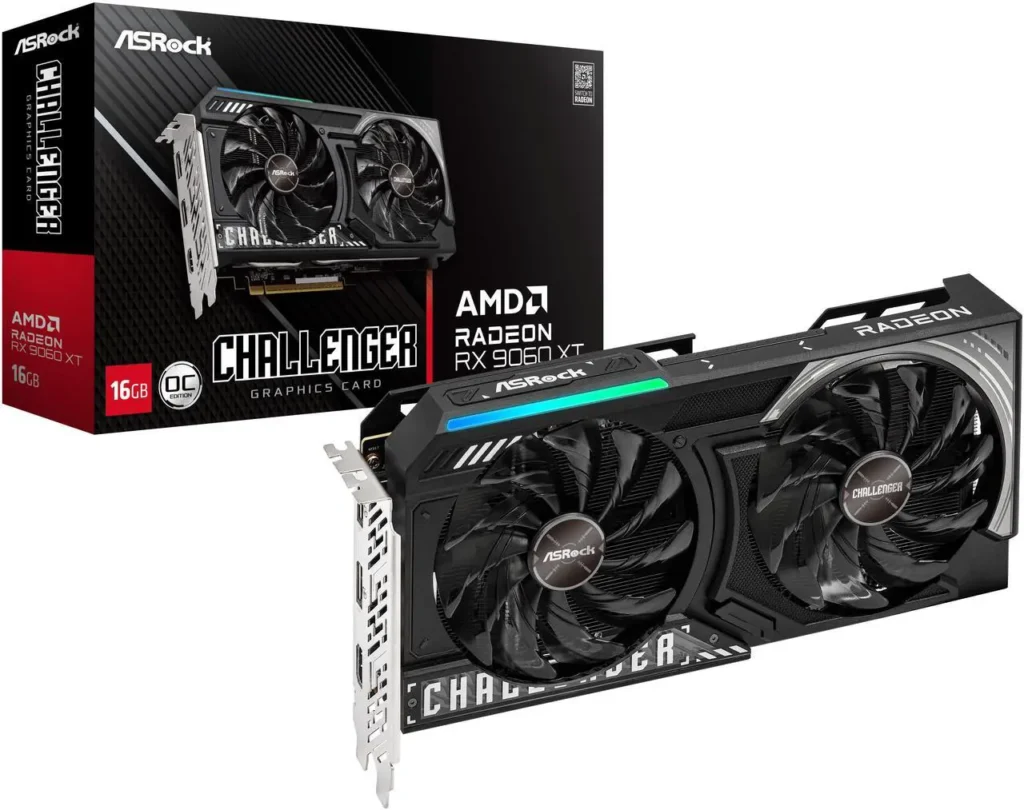
For builders right now, this is a market with no relief valve. Prices are elevated, supply is constrained on premium SKUs, and the next major reset is not coming until Nvidia redirects more wafers and memory toward gaming dies. Buy the card you need today if your current GPU is the bottleneck. Do not invent a 2027 rescue date and wait on it.