
Last Updated July 17 2026
Ryzen 7 7700X3D vs 7800X3D vs 9800X3D Three AMD X3D chips now sit on AM5 at different price points. The Ryzen 7 7700X3D launches July 16 at $329. The Ryzen 7 7800X3D sits around $350-450 depending on where you shop. The Ryzen 7 9800X3D runs approximately $420. The architecture and cache are similar across all three but the differences in price, generation, and silicon matter enough to change the right answer depending on what you’re actually building.
This is the definitive buying guide for anyone choosing between them. The 7700X3D benchmarks arrive on July 16 and this article will be updated with real data the same day. Until then, the 7800X3D versus 9800X3D data is extensive and confirmed across 45+ game tests and the 7700X3D’s projected performance range is clearly labelled as pre-launch estimation throughout.
Ryzen 7 7700X3D vs 7800X3D vs 9800X3D: What’s Actually Different
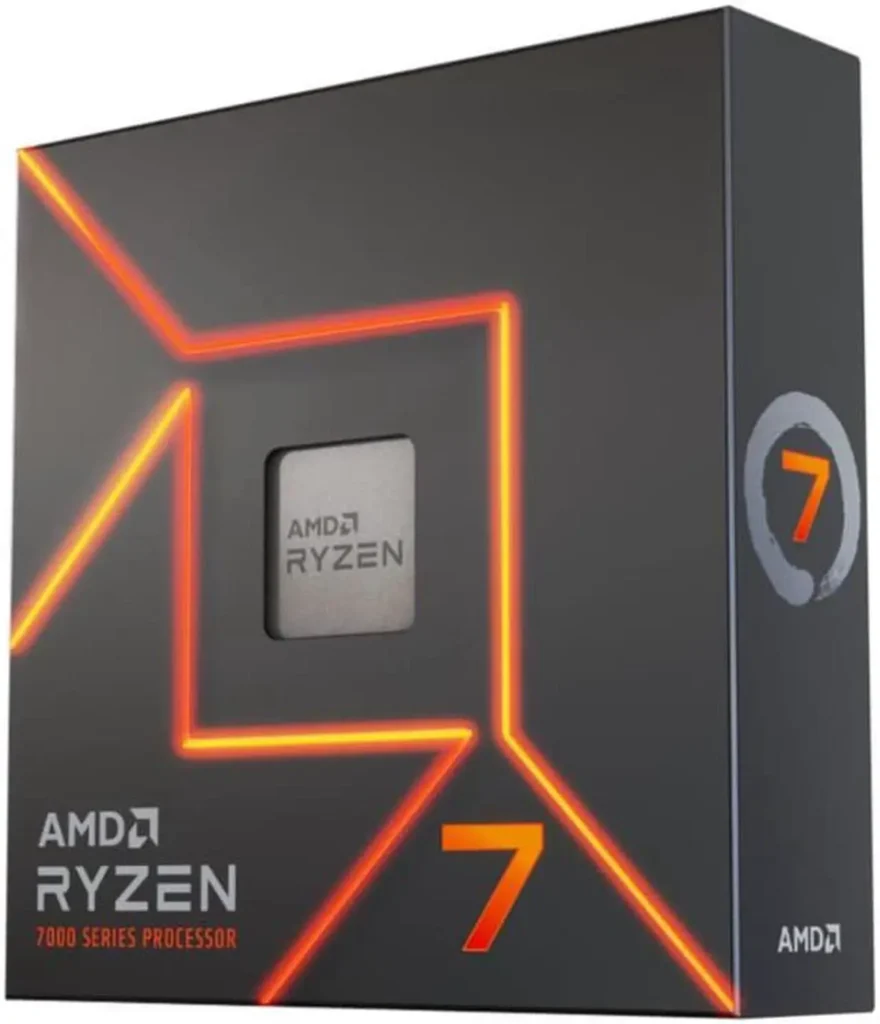
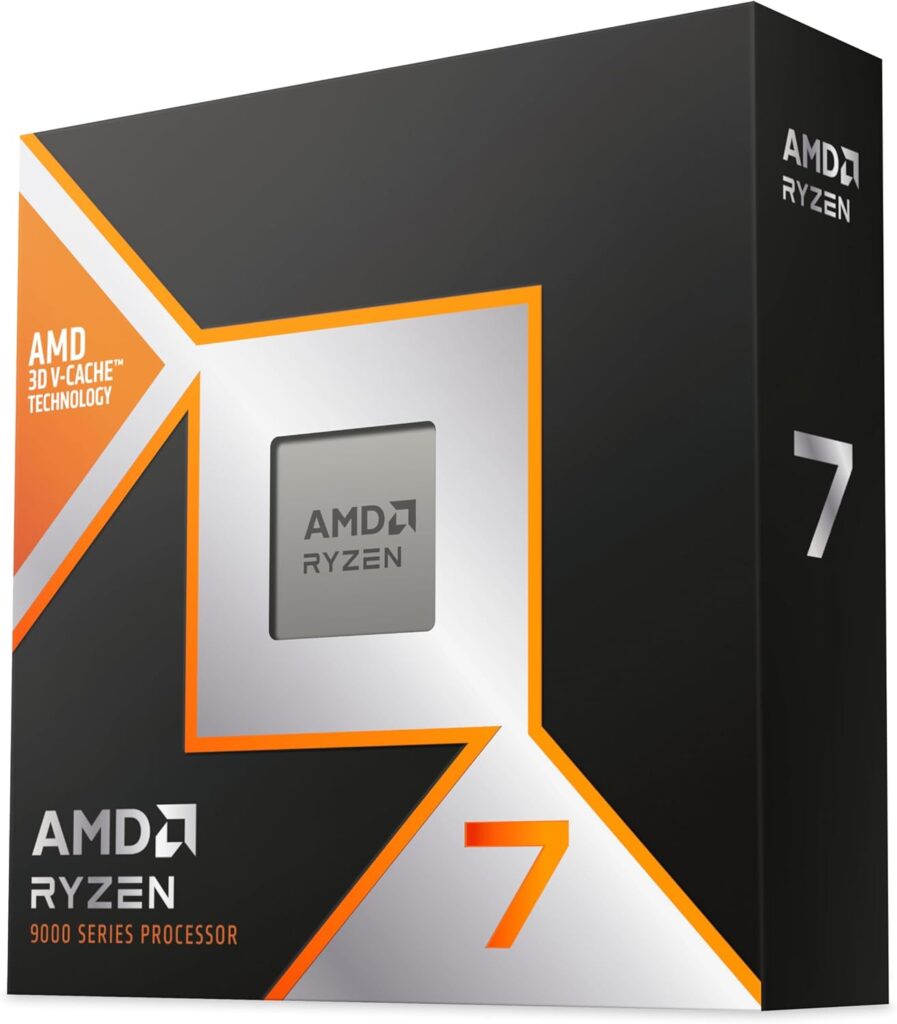
All three chips share the same core DNA: eight cores, sixteen threads, 96MB of L3 cache with 3D V-Cache, and 120W TDP on the AM5 socket. The differences sit in architecture, boost clock, and integrated graphics.
| CPU | Architecture | Boost Clock | Cache | iGPU | Price |
|---|---|---|---|---|---|
| Ryzen 7 7700X3D | Zen 4 | 4.5GHz | 96MB | Yes (RDNA 2) | est $349 |
| Ryzen 7 7800X3D | Zen 4 | 5.0GHz | 96MB | No | ~$$374 |
| Ryzen 7 9800X3D | Zen 5 | 5.2GHz | 96MB | No | ~$444 |
Three things jump out immediately. The 7700X3D is the only one with integrated graphics the 7800X3D and 9800X3D both lack them entirely. The 7800X3D has a 500MHz boost clock advantage over the 7700X3D. The 9800X3D is Zen 5 where the other two are Zen 4 an architectural generation that TechSpot confirmed delivers 10-20% gaming performance improvements in CPU-sensitive titles over the 7800X3D.
7800X3D vs 9800X3D: What Independent Testing Confirms
TechSpot’s head-to-head across 45 game titles is the most comprehensive benchmark set available. Key results:
The 9800X3D was on average 20% faster in The Last of Us Part 1 and also improved 1% lows by a substantial 33%. Hogwarts Legacy showed 21% gains. Cyberpunk 2077 saw a more modest 8% increase. Baldur’s Gate 3 delivered 11% more performance on average with an 18% improvement to 1% lows. Starfield saw a 21% increase. Spider-Man: Miles Morales was 15% faster with a 22% improvement in 1% lows.
Not every title showed meaningful gains. Call of Duty: Black Ops 6 showed less than 1% difference. Borderlands 3 was only 3% faster. Skull and Bones, Returnal, and Ratchet & Clank showed no improvement. These are GPU-limited titles where the CPU isn’t the constraint regardless of which chip you install.
The average across all 45 tested games lands at approximately 10-15% in favour of the 9800X3D. In the titles where the CPU matters most simulation-heavy, CPU-bottlenecked, high-refresh competitive the gap consistently exceeds 15%. In GPU-limited scenarios, both chips feel essentially identical.
The efficiency picture is nuanced. The 7800X3D runs cooler typically under 70°C under gaming load versus 80°C for the 9800X3D and draws slightly less power during gaming. The 9800X3D runs hotter largely because its Zen 5 architecture sustains higher frequencies more aggressively. Both are within reasonable thermal limits on a decent 240mm AIO or high-end air cooler.
The verdict on 7800X3D vs 9800X3D:
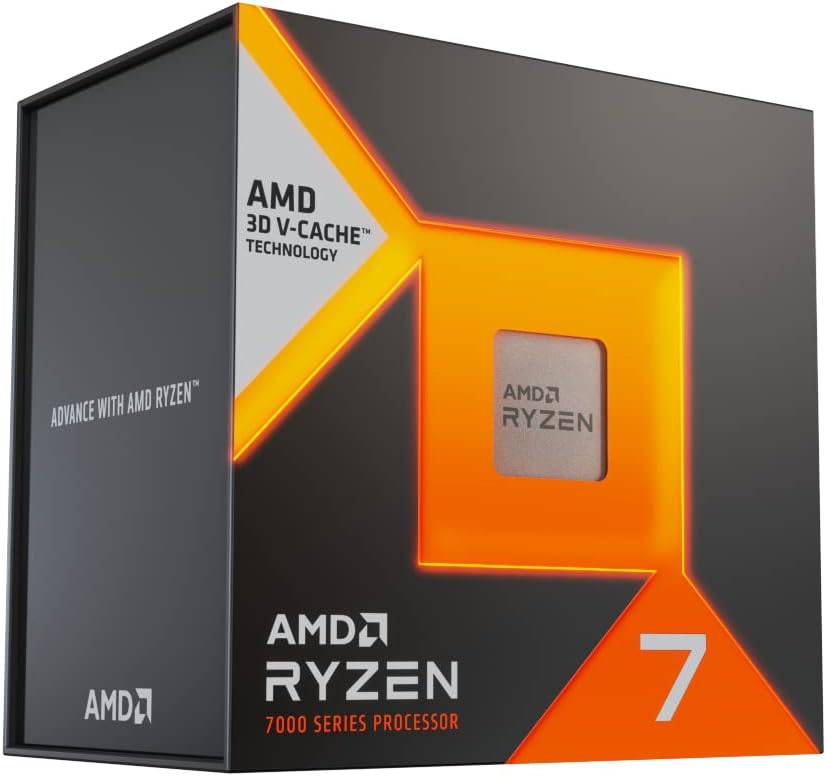
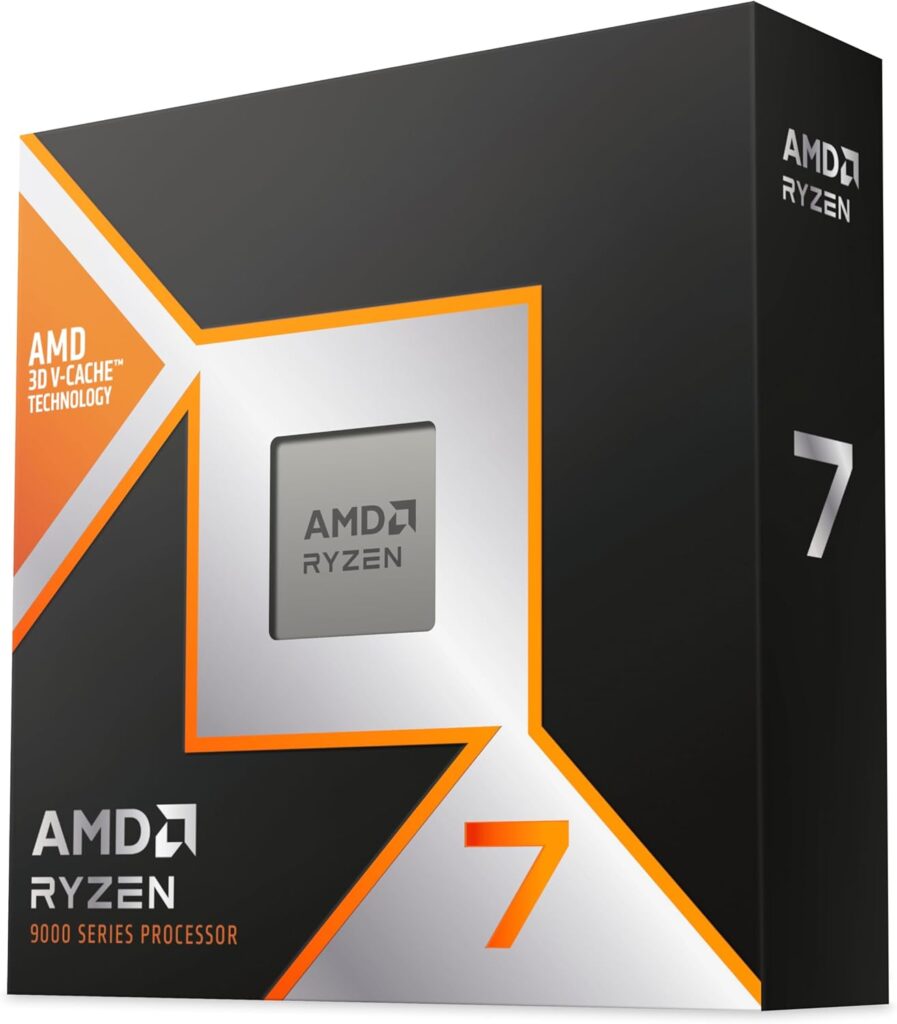
At equal prices, the 9800X3D is the clear choice 10-15% more gaming performance for the same money. If the 7800X3D is meaningfully cheaper in your region and you’re primarily GPU-limited at 1440p or 4K, the difference shrinks toward irrelevance and the cheaper chip makes sense.
Where the 7700X3D Fits In: Pre-Launch Projection
Note: The Ryzen 7 7700X3D launches July 16. All performance figures in this section are projections based on architectural analysis. This article will be updated with independent benchmark data on launch day.
The 7700X3D is built on the same Zen 4 architecture as the 7800X3D. The key difference is boost clock 4.5GHz versus 5.0GHz, a 500MHz gap. The 96MB L3 cache is identical.
Based on the pattern established by previous X3D tier comparisons and the Ryzen 7 9850X3D vs 9800X3D comparison where a 400MHz clock advantage translated to roughly 3-4% average gaming performance the expected gaming performance gap between the 7700X3D and 7800X3D sits in the 3-8% range across CPU-sensitive titles. In GPU-limited scenarios, both will feel identical.
The 7700X3D’s integrated graphics set it apart from both the 7800X3D and 9800X3D in a way that matters for certain builders. Neither the 7800X3D nor the 9800X3D can output a display signal without a dedicated GPU installed. The 7700X3D can. For small form factor builds, HTPC setups, or anyone swapping GPUs who wants display output during the process this is a genuine advantage that costs nothing extra.
The Three Scenarios That Determine the Right Choice
You’re building new and gaming is the only priority.
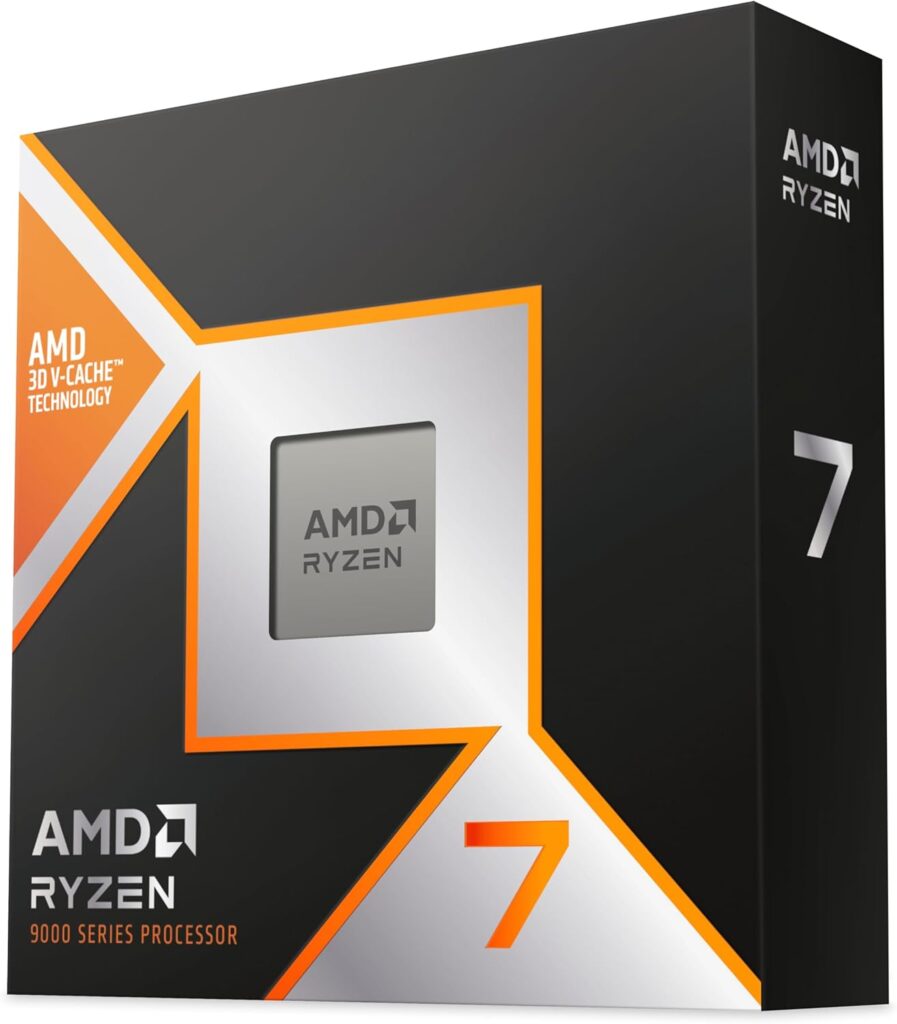
The 9800X3D at ~$420 is the correct answer. It’s the fastest gaming chip available on AM5, the Zen 5 architecture provides real-world gains over Zen 4 in CPU-sensitive titles, and the AM5 platform through 2029 gives the build years of upgrade runway. The $90 premium over the 7700X3D buys meaningfully better performance rather than a marginal increment.
You’re building new on a tighter budget and want the best possible value.
The 7700X3D at $329 is worth waiting for July 16 benchmarks to confirm. At $329 it’s the cheapest entry into AM5 X3D gaming, it carries the full 96MB cache that defines the X3D platform’s gaming advantage, and the 3-8% expected gap to the 7800X3D is small enough that the price difference can meaningfully contribute to a better GPU instead. A better GPU improves gaming performance far more than 5% more CPU at the same total budget.
You already own an AM5 board and want to upgrade your CPU.
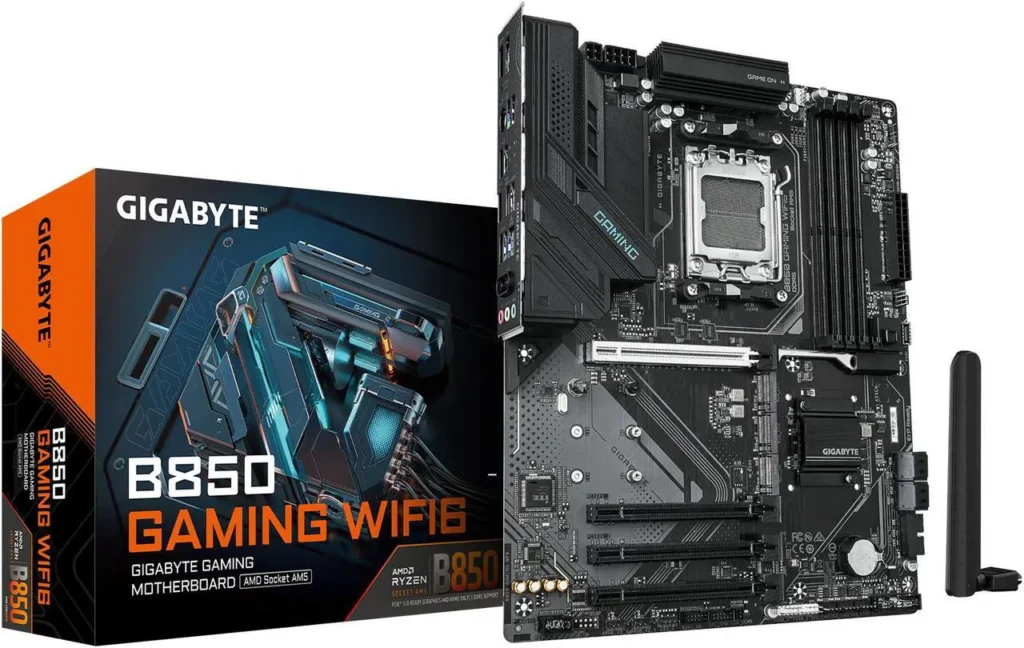
If you’re currently on a Ryzen 7 7700X or Ryzen 9 9700X the fastest non-X3D AM5 chips either the 7700X3D at $329 or the 9800X3D at $420 represents a significant gaming uplift. The 7700X3D is a BIOS update away from working on any current AM5 board. Same for the 9800X3D. The $90 difference determines whether the Zen 5 architecture premium is worth it for your use case.
You’re staying on AM4 and considering X3D.
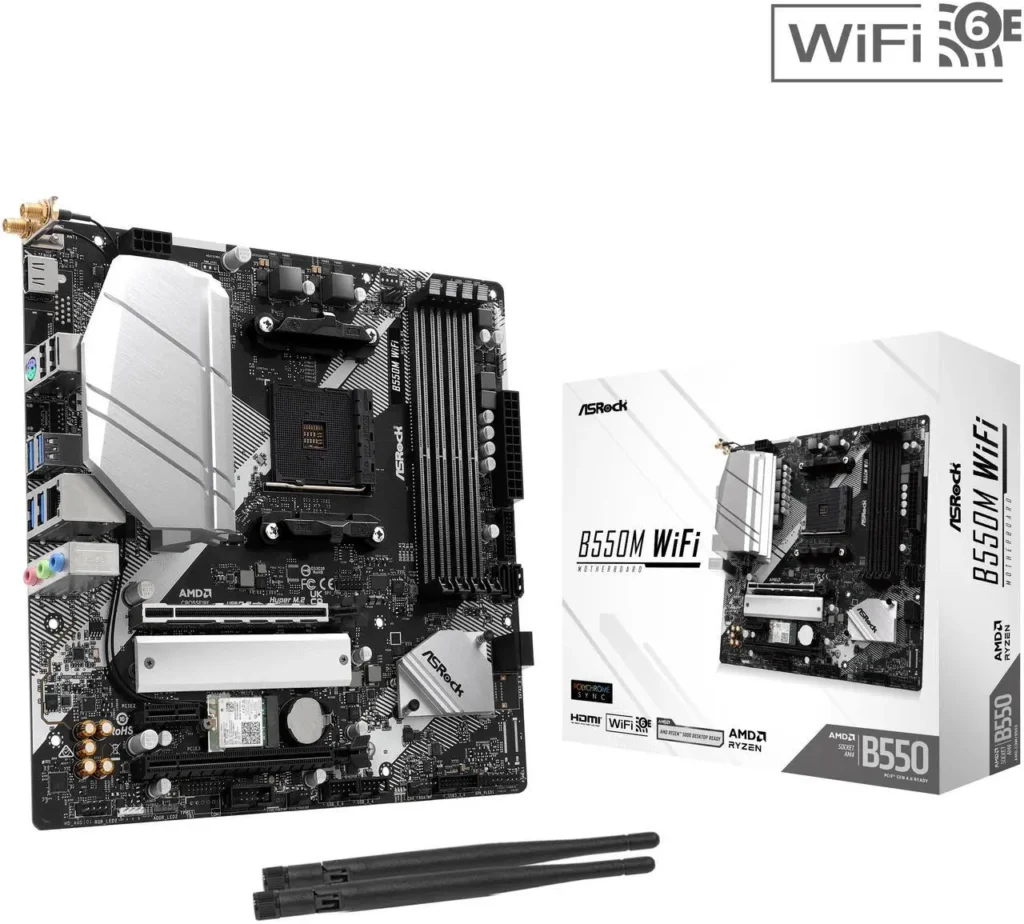
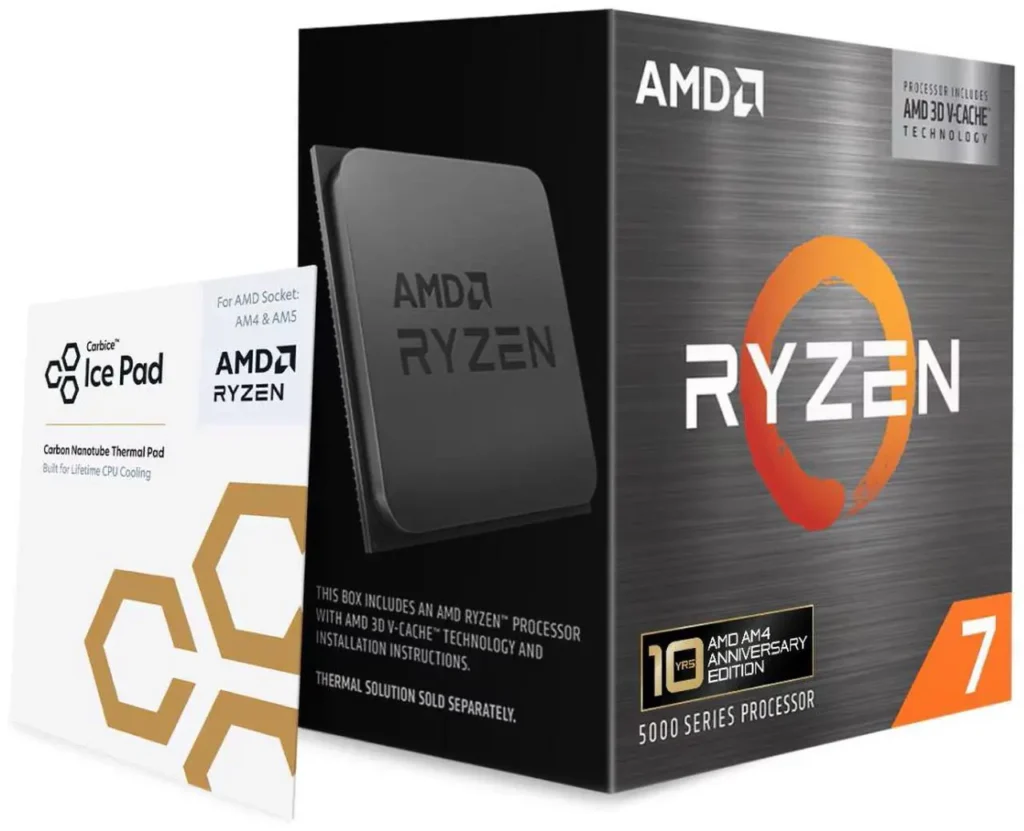
None of the three AM5 chips should be your choice. The Ryzen 7 5800X3D 10th Anniversary Edition at $349 drops directly into your existing AM4 board with DDR4 you already own. No new motherboard, no new DDR5 at current elevated prices. The platform cost difference makes the 5800X3D Anniversary Edition the overwhelmingly better value for AM4 owners who aren’t ready for a full platform change.
What About the 7800X3D — Is It Still Worth Buying?
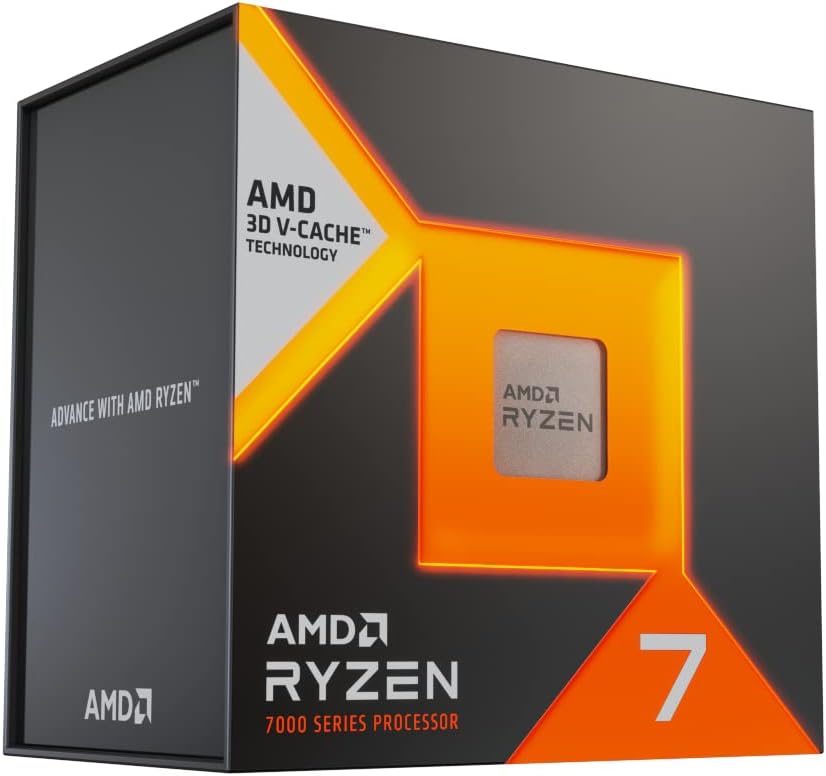
The 7800X3D’s position in this market depends entirely on what it costs at the moment you’re buying. At $350-370 it’s a sensible alternative if the 7700X3D is genuinely unavailable or the price gap is minimal. At $450 it’s hard to justify over the 9800X3D at $420 you’d be paying more for an older, slower chip.
The 7800X3D was the best gaming CPU available when it launched. The Ryzen 7 9800X3D is now the fastest gaming CPU on the market. The 7800X3D remains an excellent chip fast, efficient, cool-running but it needs to be priced to reflect its generation position. Check current prices before making any decision.
The Bottom Line
If budget isn’t the primary constraint: buy the 9800X3D. If budget matters and the 7700X3D delivers on its projected performance: buy the 7700X3D and put the $90 difference toward GPU or RAM. If you’re on AM4: none of these three chips are right for you.
This article will be updated with independent 7700X3D benchmark data on July 16.
SpecClear participates in affiliate programmes. When you purchase through links on this site we may earn a commission at no additional cost to you.