What PSU Do You Actually Need for an RTX 5070 Build?

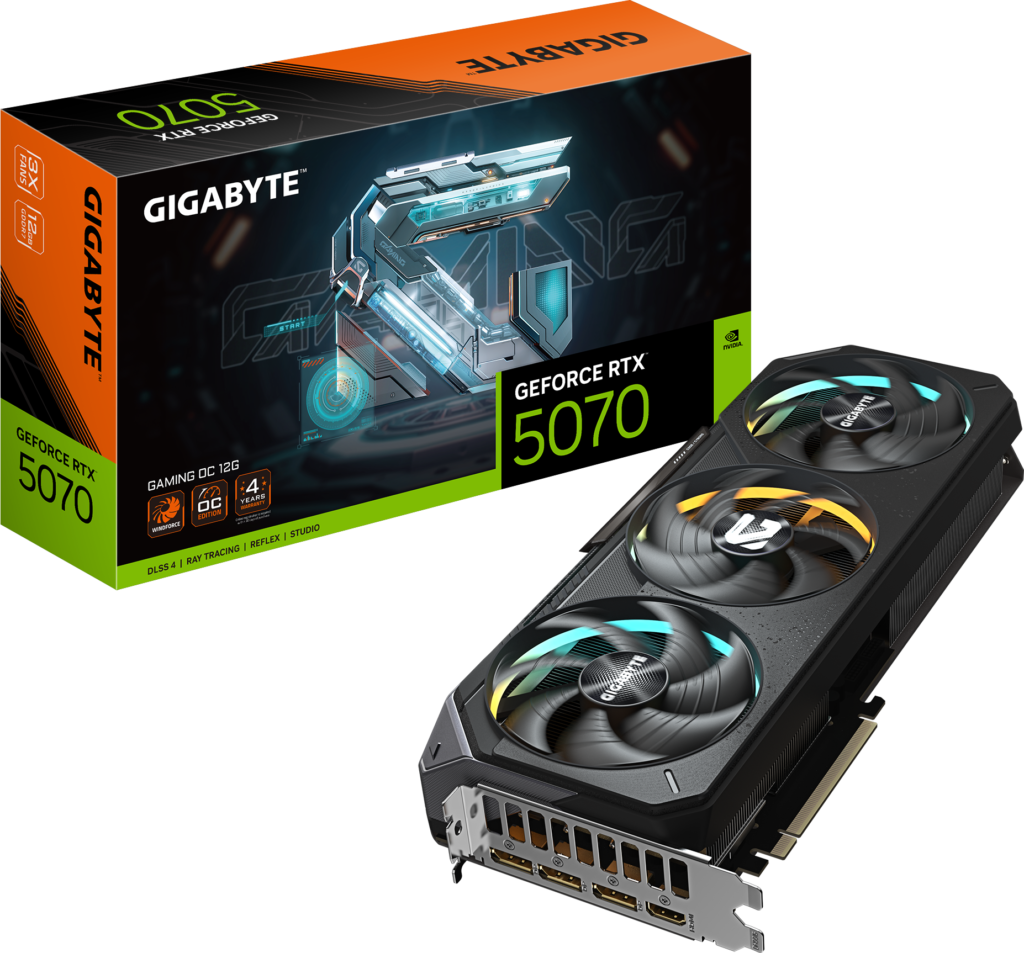
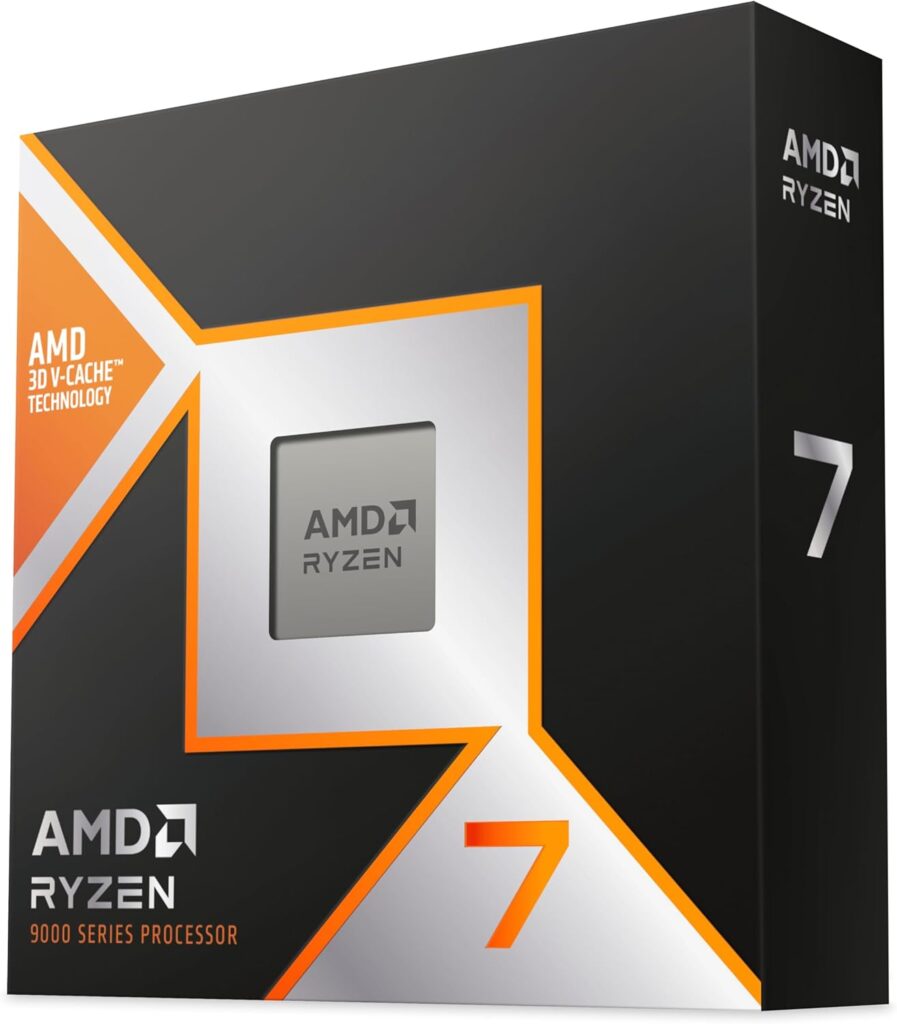
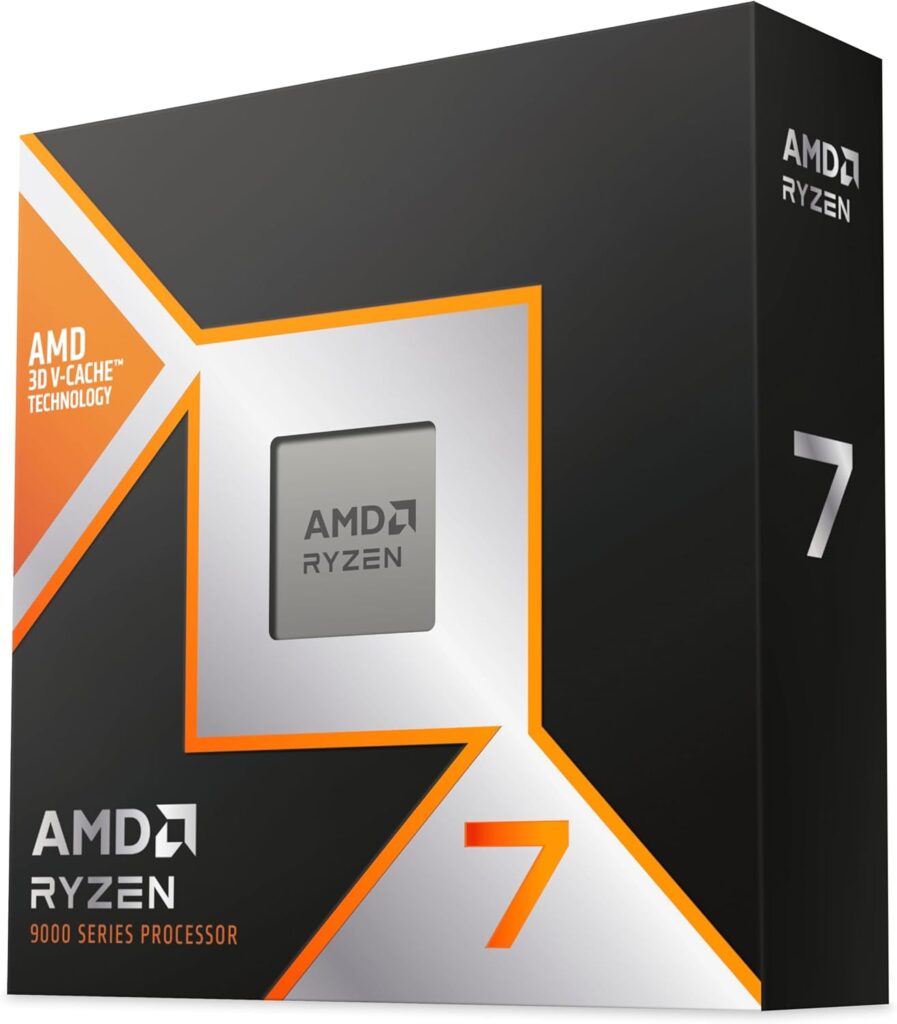
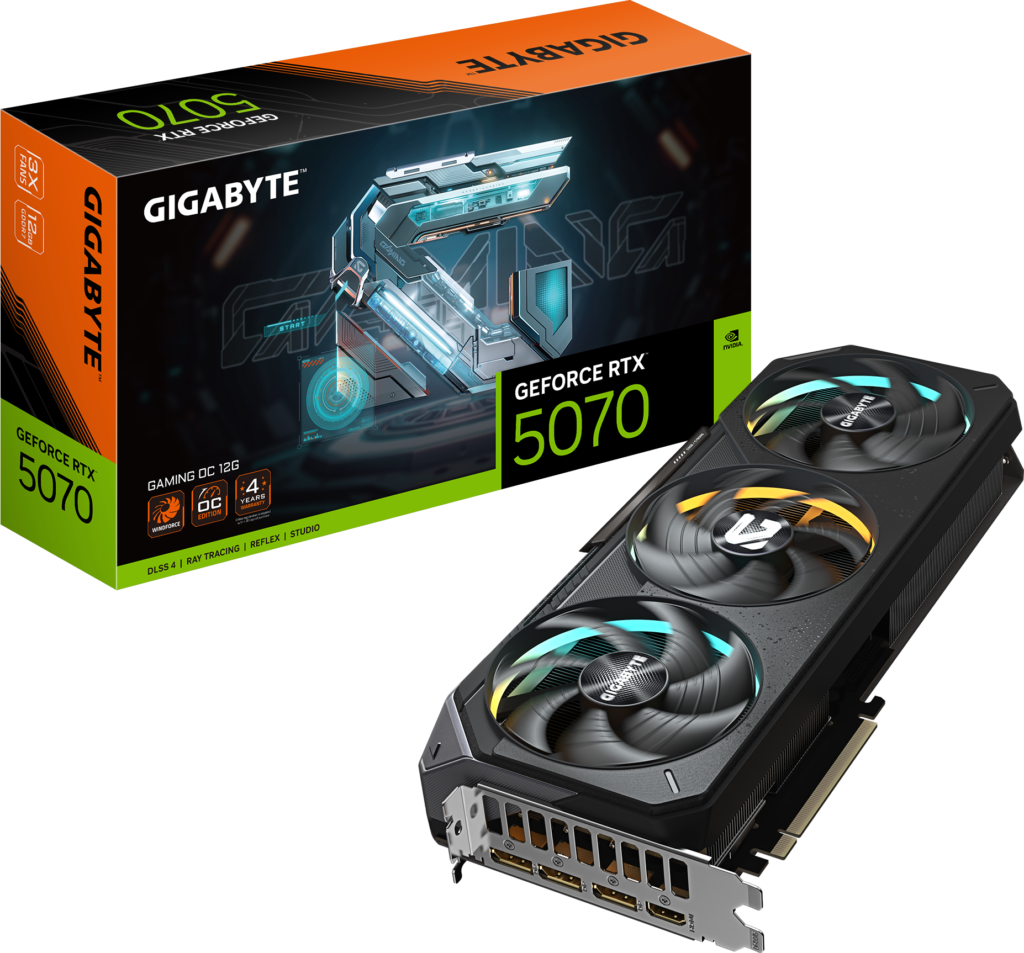
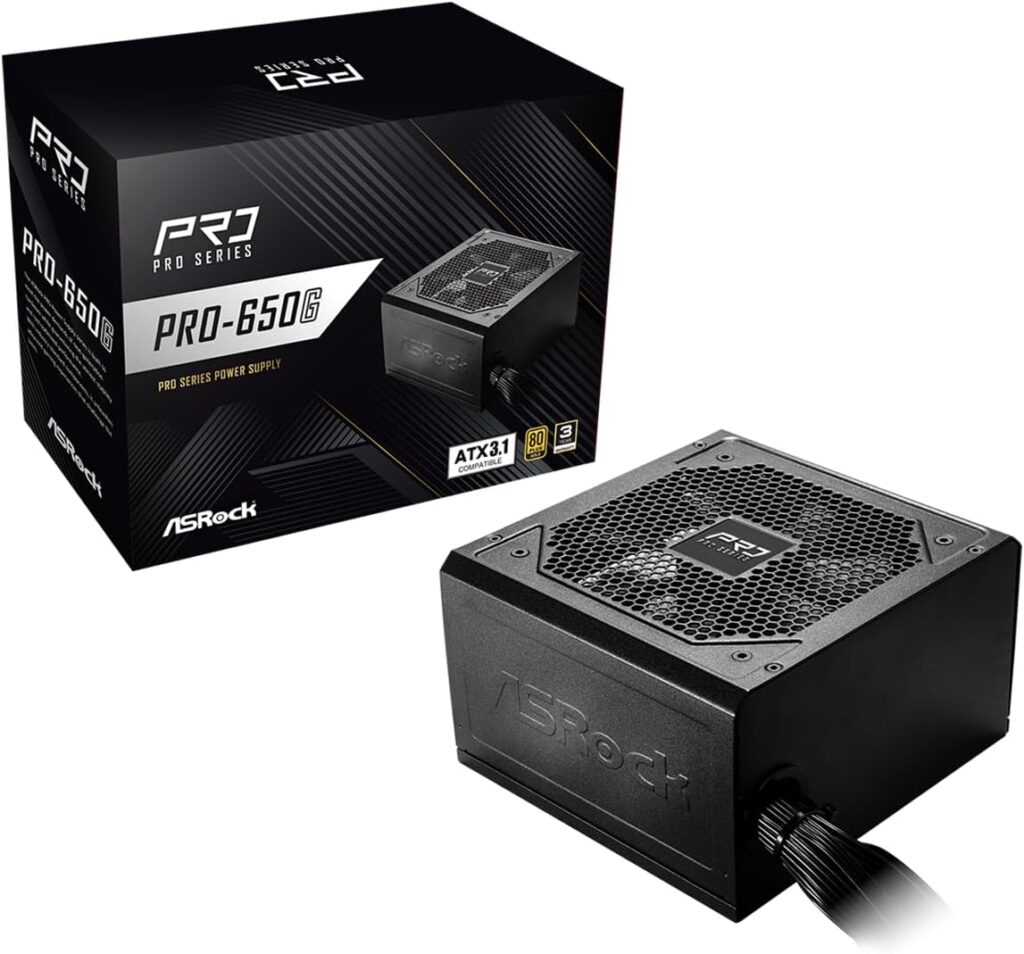
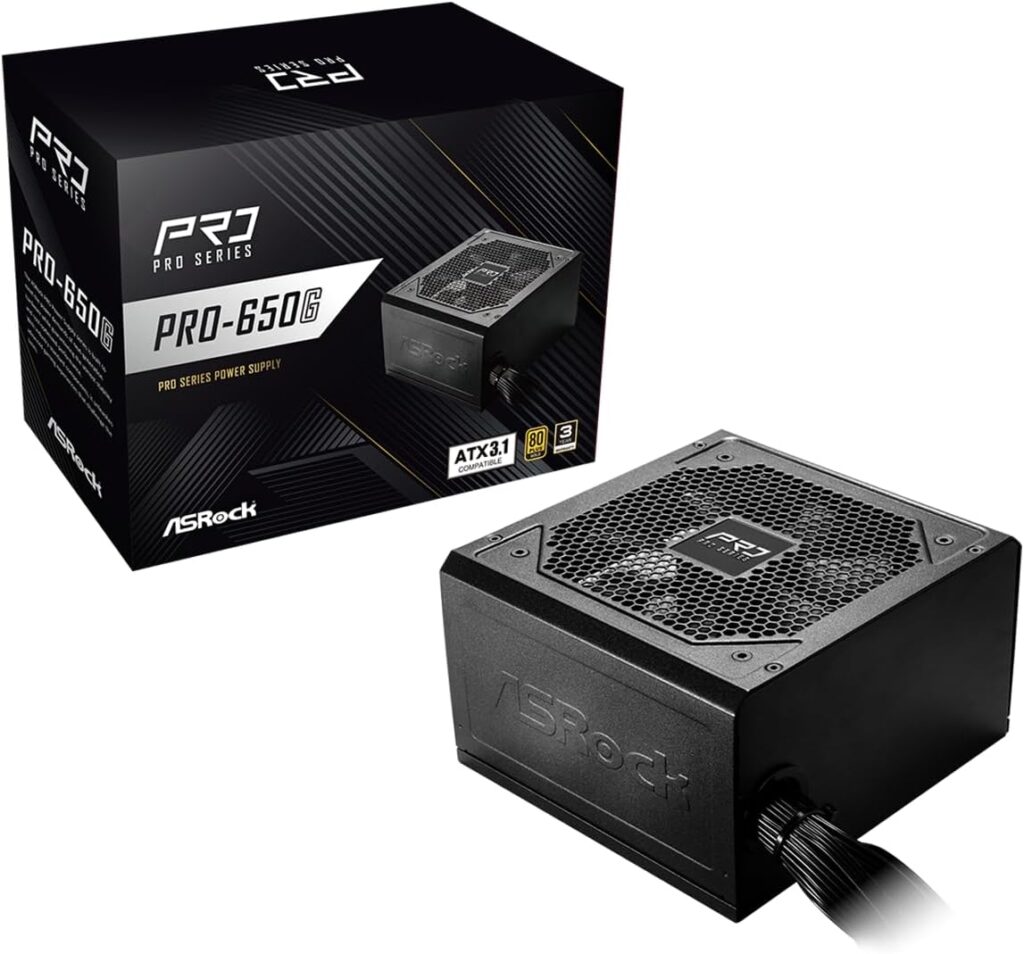
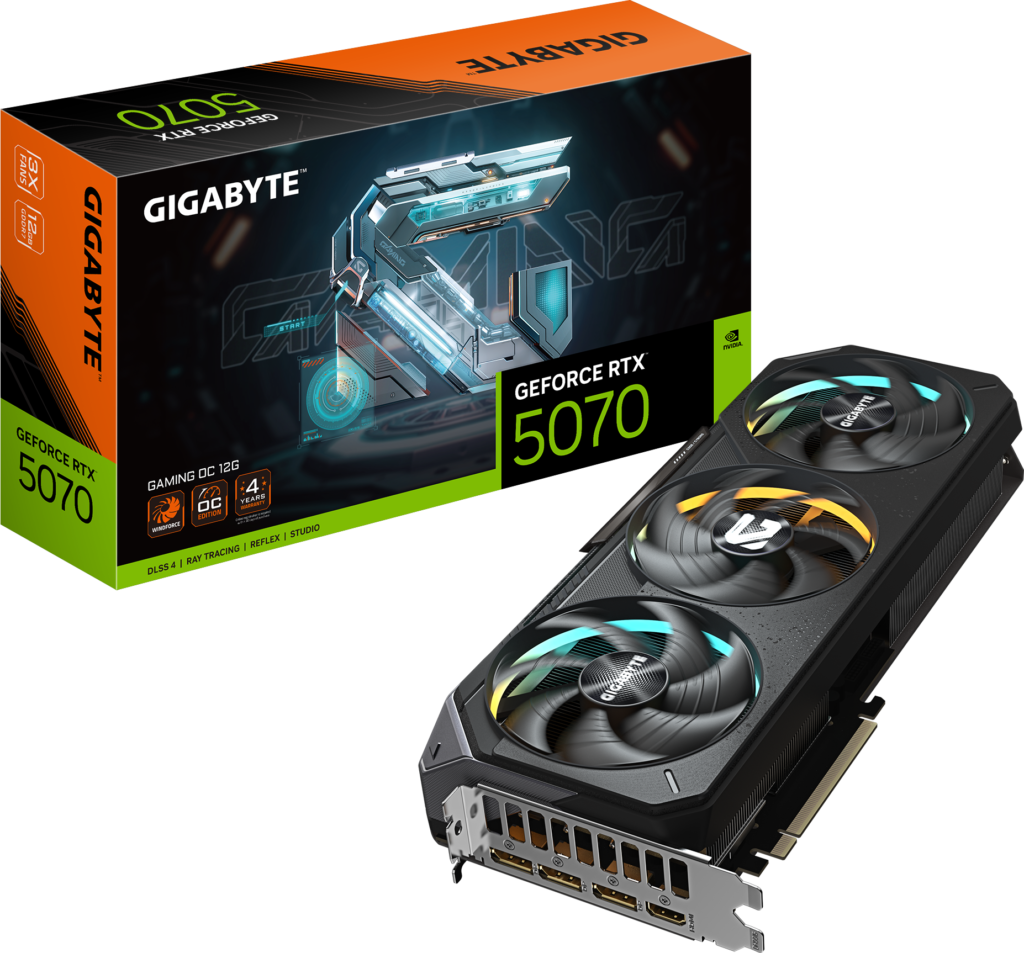
The RTX 5070 has a 250W TDP. The Ryzen 7 9800X3D has a 120W TDP. Add 90W for the rest of the system and you’re at 460W. Run that through a 1.25 headroom multiplier and you land at 575W. So a 650W PSU is technically sufficient and most people reading that stop there and buy a 650W unit.

That’s not wrong. But it’s not the complete answer either, because the RTX 5070 is the first card in Nvidia’s current lineup where the 12V-2×6 connector situation matters more than the wattage calculation. Here’s how to get the PSU decision right for this specific card.


Best PSU for RTX 5070: The Wattage Calculation

best PSU for RTX 5070 A 650W unit is the floor 750W is the smart buy because it keeps the PSU running at a comfortable load percentage and stays quiet. Here’s why that guidance holds up across the most common 2026 build combinations: 

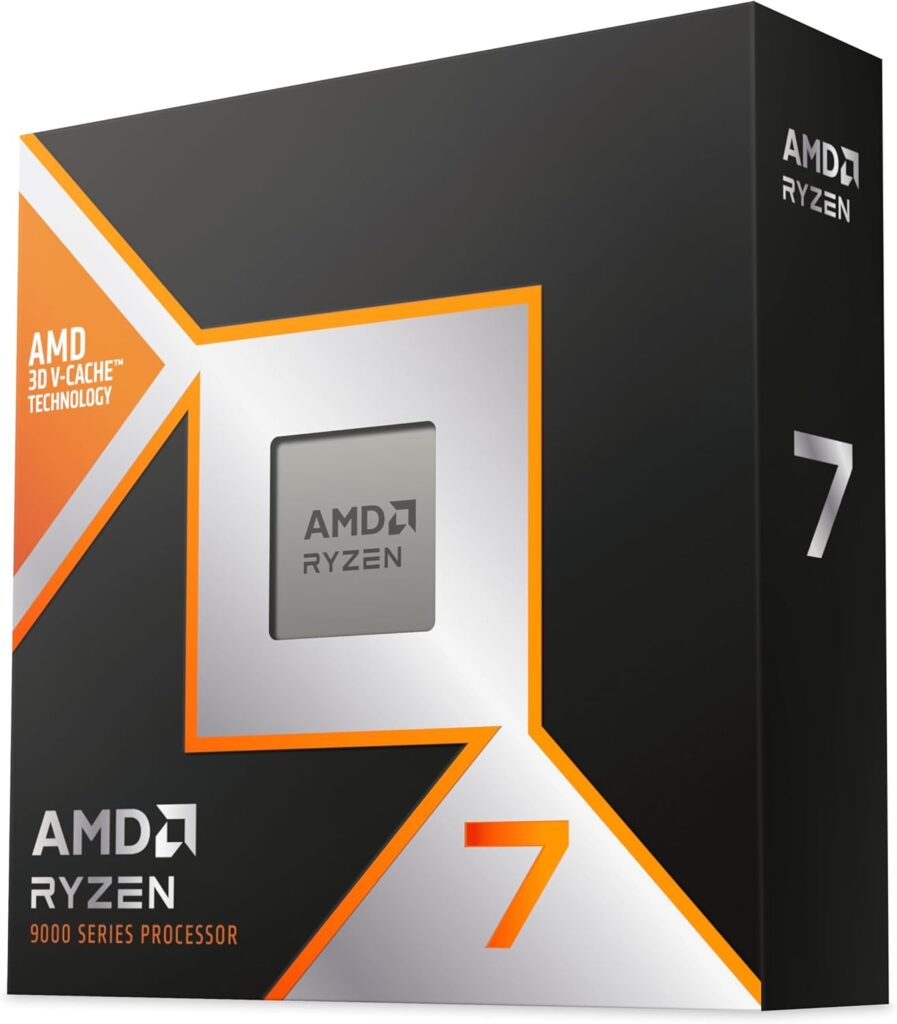
RTX 5070 + Ryzen 7 9800X3D or 9850X3D (the most common pairing):


Combined gaming load sits around 460-470W. A 650W PSU covers this comfortably in terms of raw wattage. A 750W PSU runs the unit at roughly 62% load during gaming the efficiency sweet spot for most PSUs, where they run coolest and quietest. For either card, a Ryzen 7 9700X, 9800X3D, or Core Ultra 7 is a clean match. 

RTX 5070 + Ryzen 5 9600X or similar mid-range CPU:


Even lower total draw around 390-400W under gaming load. A 650W PSU is genuinely sufficient here with comfortable headroom. 750W gives you room for a future GPU upgrade without touching the PSU again.

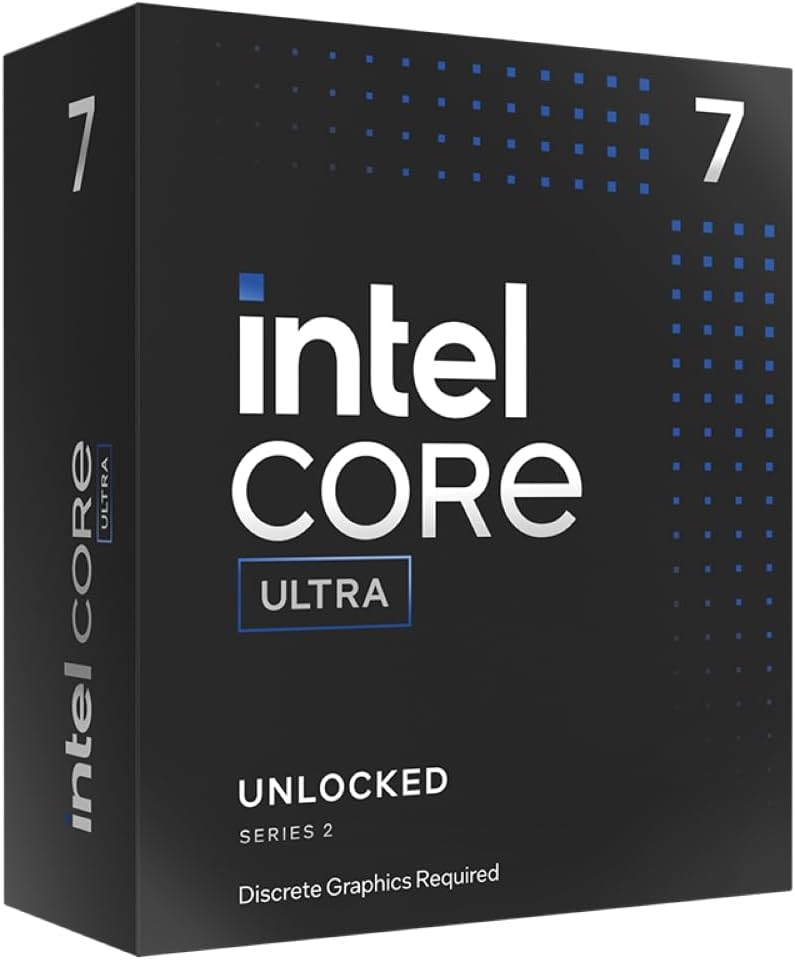
RTX 5070 + Intel Core Ultra 7 or Core Ultra 9:


Intel’s higher-TDP desktop chips change the equation. ASUS’s own PSU recommendation table lists 750W for Ryzen 7 + RTX 5070, and 750W for Intel Core Ultra 7 + RTX 5070. That’s a comfortable baseline on both platforms.

One critical insight most guides miss: Resolution affects which GPU you need, but it barely changes that GPU’s power draw. What actually moves total system wattage is the CPU, because lower resolutions and high frame-rate targets push the CPU harder. A 5070 paired with a 9800X3D chasing 240fps at 1080p can draw more total power than the same GPU at a relaxed 4K, simply because the CPU is working overtime. If you’re building a high-refresh competitive gaming setup rather than a 4K showcase machine, size for the CPU workload, not the resolution. 


Why the 12V-2×6 Connector Matters More Than the Wattage for the RTX 5070

The RTX 5070 is the first card in the stack we would firmly pair with a 12V-2×6-equipped PSU rather than relying on adapters. 

This matters because the 12V-2×6 connector melting issue documented in detail in SpecClear’s dedicated article has affected cards across the RTX 50 series. The root cause is uneven pin loading rather than simply too much total wattage. An adapter cable four or eight-pin to 12V-2×6 concentrates current through a conversion point that adds contact resistance and increases the risk of exactly this problem.

A PSU with a native 12V-2×6 connector eliminates the need for adapters. Every ATX 3.1 certified PSU ships with a native 12V-2×6 cable. This is the practical reason to choose an ATX 3.1 PSU for any RTX 50-series build not the transient load handling specification alone, but the fact that the native cable is safer than any adapter solution.

If your current PSU is ATX 3.0 or ATX 2.x and you’re upgrading to an RTX 5070, add the Corsair ThermalProtect cable at $24.99 if you’re keeping the old unit. It adds over-temperature protection to any native 12V-2×6 connection without requiring a new PSU. If you’re buying a new PSU anyway, get an ATX 3.1 unit with a native 12V-2×6 cable and skip the adapter question entirely.


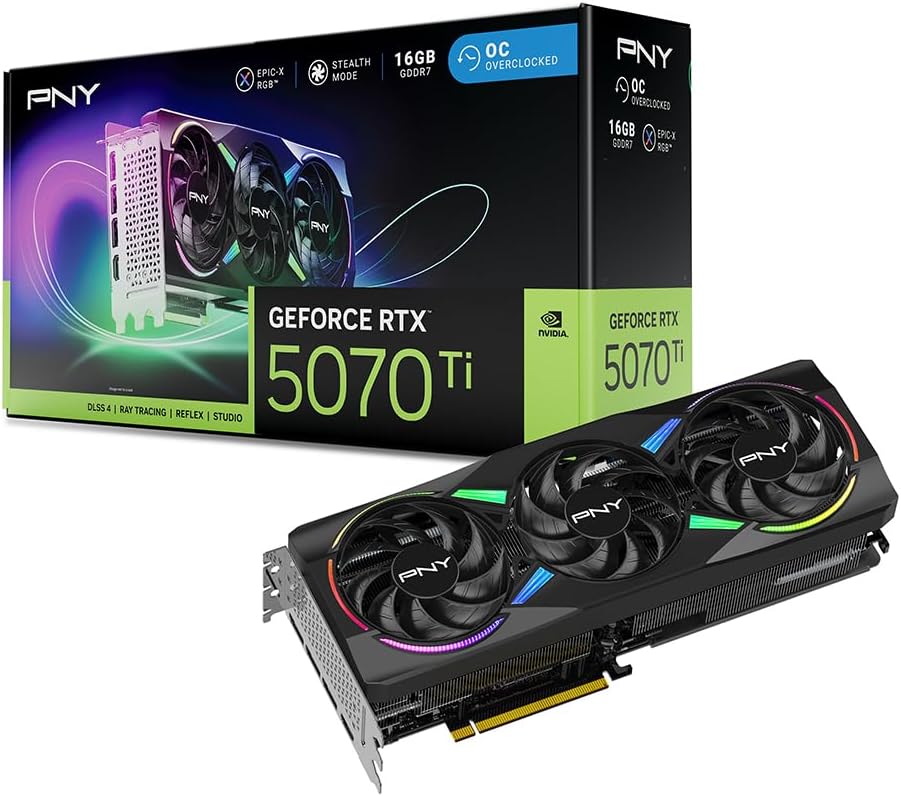
The RTX 5070 Ti: Different Card, Different Answer

If you’re considering the RTX 5070 Ti rather than the standard 5070, the wattage guidance changes. Step the 5070 Ti up to 750W minimum, 850W comfortable, since it pushes closer to 300W and pairs naturally with stronger CPUs. 

If you were to pair the 5070 Ti and the Ryzen 9 9950X3D together, the power draw would be around 470W, leaving you with a 390W overhead on an 860W unit which should be enough even if you were to overclock the GPU and the CPU.

For the RTX 5070 Ti specifically: 750W is the minimum on a Ryzen 7 build, 850W is the sensible buy for most configurations, and 1000W covers any CPU + 5070 Ti combination including high-TDP Intel chips.


Specific PSU Recommendations for RTX 5070 Builds

These recommendations are based on the wattage guidance above, ATX 3.1 compliance, efficiency ratings, and build quality track records from reputable manufacturers.

For most RTX 5070 builds — 750W ATX 3.1, 80 PLUS Gold or better:

The Corsair RM750x is the consistently recommended unit for RTX 5070 builds at this tier. 80 PLUS Gold certified, fully modular, Zero RPM fan mode for silent operation at low loads, 10-year warranty, and verified test performance confirming it handles combined CPU+GPU loads well above what an RTX 5070 system will produce. Native 12V-2×6 cable included. ATX 3.1 compliant.

The MSI MAG A750GL PCIE5 is the budget alternative at this wattage tier 80 PLUS Gold, ATX 3.1, native 12V-2×6, fully modular. Slightly fewer efficiency certifications than the RM750x but solid build quality at a lower price point.

If you want more headroom or plan to upgrade — 850W ATX 3.1:

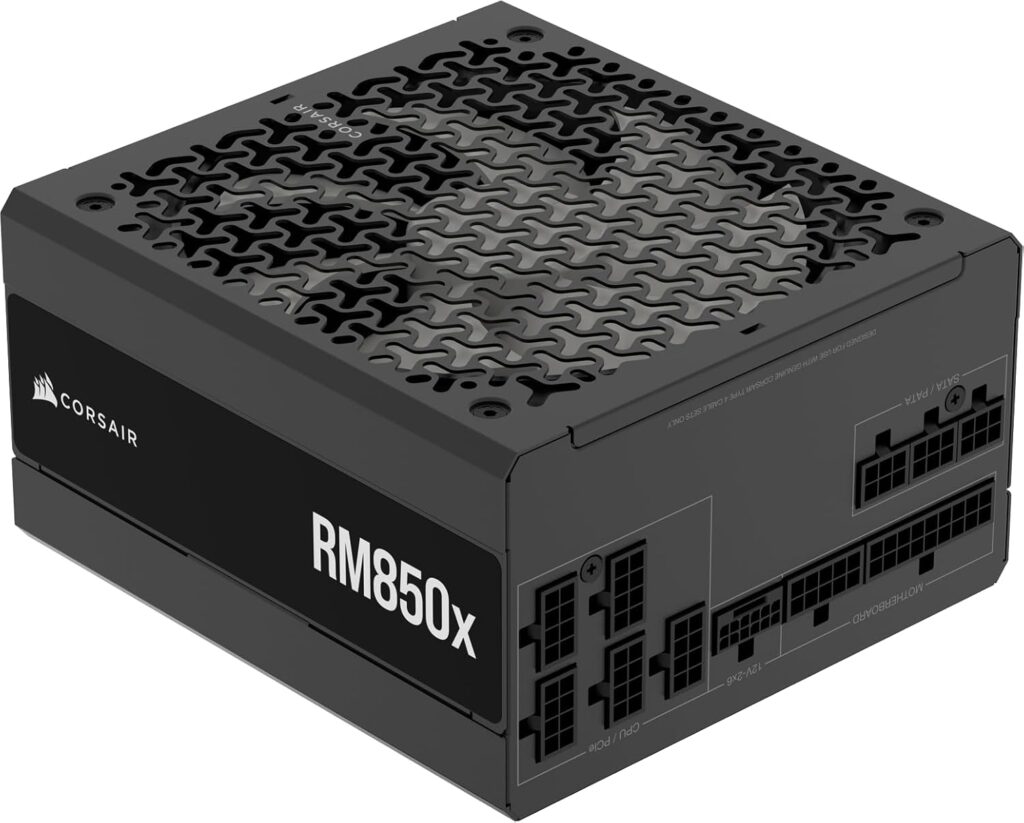
The Corsair RM850x covers an RTX 5070 build with significant headroom, handles an RTX 5070 Ti without compromise, and gives you room to drop in an RTX 5080 in a future upgrade without changing the PSU. 80 PLUS Gold, fully modular, Zero RPM mode, 10-year warranty.

The be quiet! Straight Power 12 850W is the quieter alternative at this tier 80 PLUS Platinum efficiency, silent fan operation, and be quiet!’s reputation for acoustic performance if noise is a specific priority.

If you want PinProtect and maximum safety — 1200W:

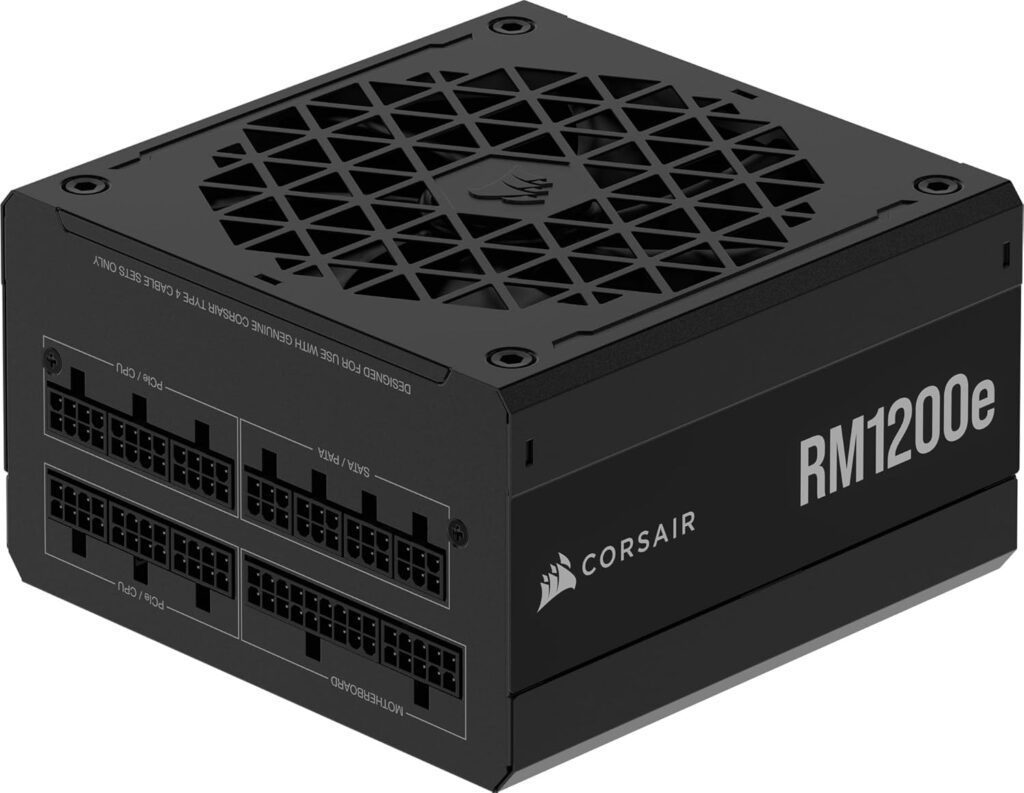
The Corsair RM1200e includes PinProtect per-pin current monitoring that shuts down the GPU if any individual pin exceeds its rated load. This is the PSU-level safety feature rather than the cable-level ThermalProtect approach. 1200W is more than any RTX 5070 build will ever need, but the PinProtect feature justifies considering it for high-wattage GPU builds where connector safety is a priority. Cybenetics Platinum certified, ATX 3.1 compliant.


What to Avoid

Old ATX 2.x PSUs with adapters. If you’re upgrading from a GTX-era system and your PSU predates ATX 3.0, the right answer for an RTX 5070 is a new PSU rather than an adapter cable. ATX 2.x PSUs have no transient load handling specification and adapter cables increase connector risk on a card where connector reliability already requires care.

Undersized units from no-name brands.

 A 650W PSU from an unknown manufacturer that doesn’t clearly list its ATX specification is not the same product as a 650W Gold unit from Corsair or Seasonic. The internal components, voltage regulation quality, and transient load handling differ significantly. The PSU is the wrong place to cut costs.

Anything under 650W for an RTX 5070 build.

 550W units paired with the RTX 5070 leave almost no headroom for transient spikes and age poorly under sustained load. The $15-20 difference between 550W and 650W is not worth the risk.


The Bottom Line

For the most common RTX 5070 build paired with a Ryzen 7 9800X3D or 9850X3D — a 750W ATX 3.1 PSU with a native 12V-2×6 cable is the right buy. The Corsair RM750x is the unit most consistently recommended at this tier. 650W works, 750W is smarter. Either way: ATX 3.1, native 12V-2×6, reputable manufacturer, 80 PLUS Gold minimum.

If you’re stepping up to the RTX 5070 Ti or pairing with a high-TDP Intel chip, go to 850W. That’s the complete answer.


SpecClear participates in affiliate programmes. When you purchase through links on this site we may earn a commission at no additional cost to you.

Leave a Comment

Your email address will not be published. Required fields are marked *

Scroll to Top