
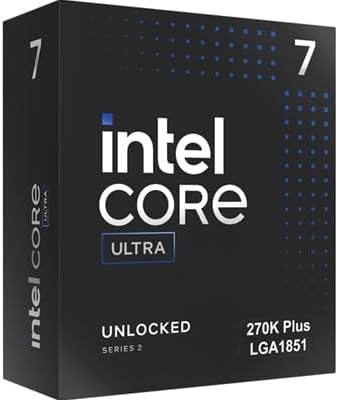
Intel launched the Arrow Lake Refresh at CES 2026 with two chips: the Core Ultra 7 270K Plus and the Core Ultra 5 250K Plus. The 290K Plus flagship was quietly dropped before launch. The Refresh was supposed to fix the disappointing gaming performance that defined Arrow Lake’s original debut performance that launched so far below expectations that Intel had to push emergency microcode updates within weeks of release.
Intel Arrow Lake Refresh vs AMD 2026 The honest question in mid-2026 is whether the Arrow Lake Refresh has actually closed the gap with AMD’s Ryzen lineup, or whether Intel’s only credible argument remains price and productivity performance. Here’s the complete picture from independent testing.
Intel Arrow Lake Refresh: What Actually Changed
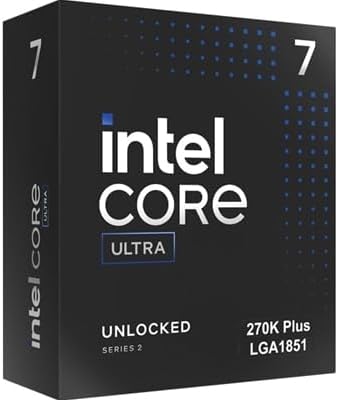
The Arrow Lake Refresh isn’t a new architecture it’s a refined version of the same Lion Cove P-core and Skymont E-core hybrid design, with higher boost clocks and improved power management. Intel also introduced a new Binary Optimization Tool (IBOT) alongside the Refresh launch software that can improve specific application performance through binary translation, similar in concept to AMD’s Application Performance Optimizer.
Initial benchmarks clearly indicate that the Core Ultra 9 290K Plus was shaping up to be a solid refresh SKU with more focus towards multi-core performance, offering approximately 7% uplift in single-thread and 9% uplift in multi-thread tests versus the original Core Ultra 9 285K. The 290K Plus’s removal from the lineup means the 270K Plus (now nearer ~$310–$330 street) became Intel’s flagship gaming CPU by default.
The core issue that Arrow Lake’s hybrid architecture struggles with gaming workloads compared to AMD’s cache-focused approach hasn’t been fundamentally resolved. The Refresh improves on the original Arrow Lake, but the gap with AMD’s X3D lineup remains significant in gaming scenarios.
Gaming Performance: The Numbers That Matter
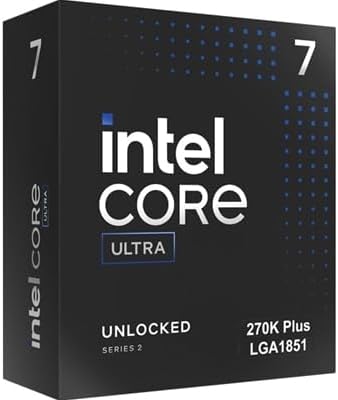
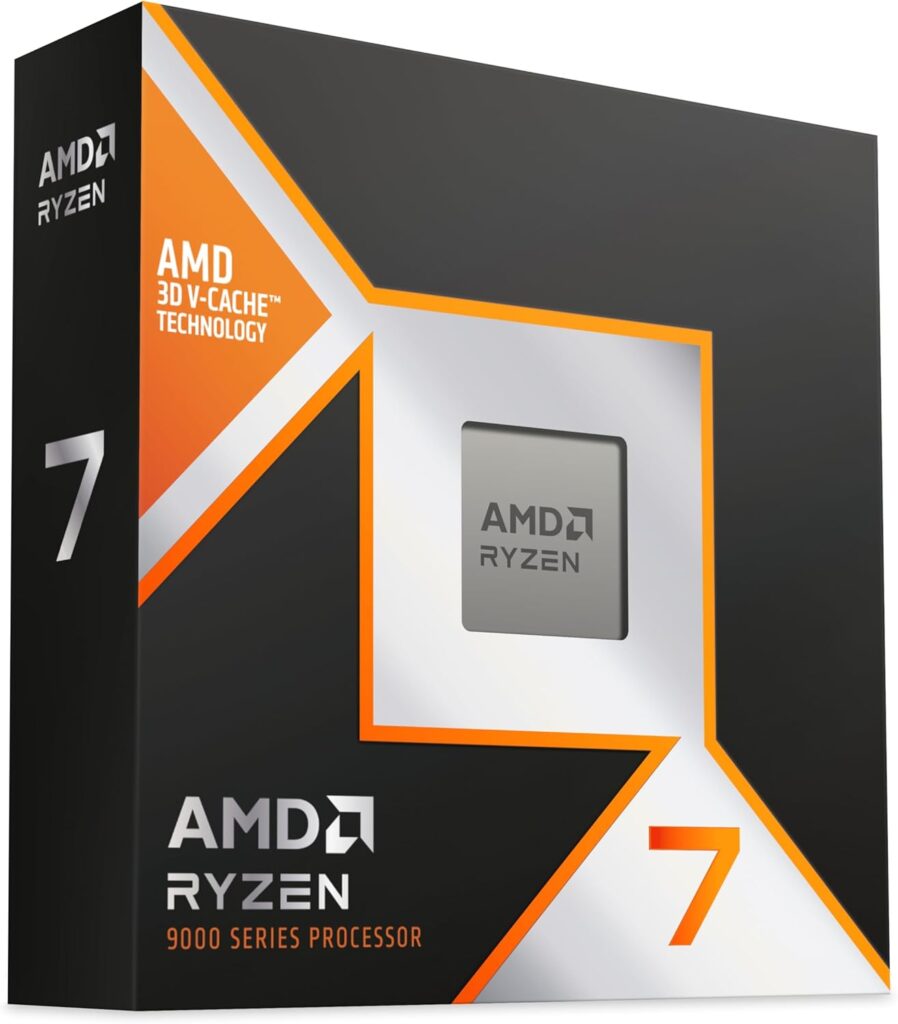
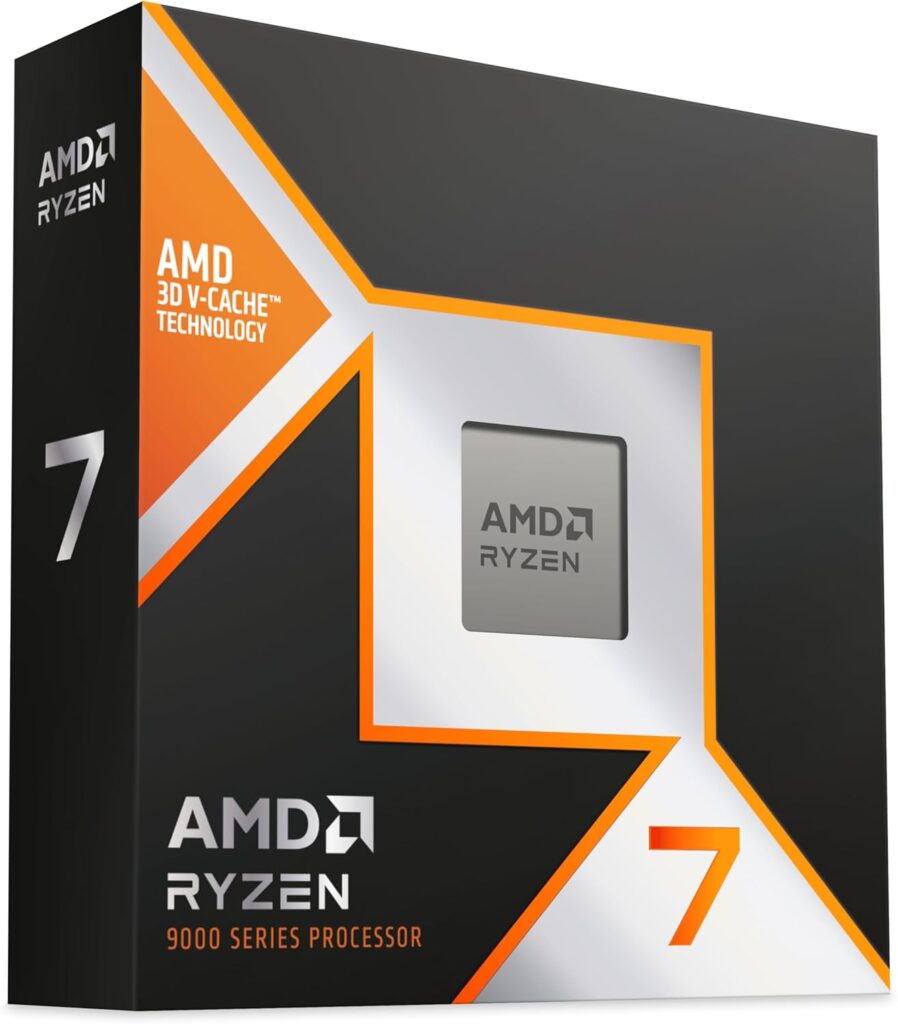
Club386’s head-to-head testing of the Core Ultra 7 270K Plus against the Ryzen 7 9800X3D found that while the Ryzen 7 9800X3D pushes frame rates to greater heights, the Intel chip isn’t massively far behind in most gaming scenarios.
The nuance matters here. “Not massively far behind” in most games hides a more concerning picture in CPU-limited scenarios. Intel compared the 265K with the Ryzen 7 9800X3D in a much narrower set of game tests because the AMD chip bludgeons Intel in four out of five game tests Starfield is the only test where the 265K performs on par. Intel’s own internal cherry-picked benchmarks avoid the titles where the gap is largest. That’s not a reassuring sign.
In real-world gaming at 1440p which is where most readers of this site are gaming the X3D advantage is genuine and consistent. The V-Cache advantage in gaming is real, measurable, and consistent across title genres. In CPU-bottlenecked titles and esports games running at high frame rates, the gap between the 9800X3D and Intel’s best gaming chip can exceed 20%.
At GPU-limited resolutions like 4K, the gap naturally narrows, if you’re gaming primarily at native 4K with a high-end GPU where the GPU is the constant bottleneck, the CPU choice matters less. Once you’re CPU-limited 1080p high-refresh, 1440p competitive, or dense open-world titles AMD’s cache advantage shows up clearly.
Where Arrow Lake Refresh Actually Wins: Productivity
This is the honest case for Intel in 2026 and it’s a strong one.
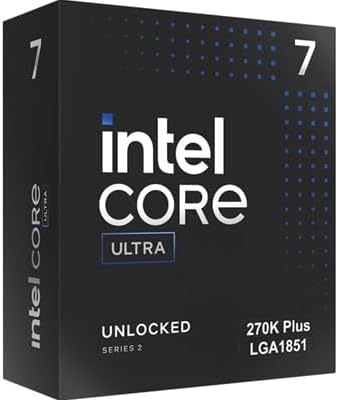
The Core Ultra 7 270K Plus comes out the clear winner in multi-core rendering, with a score that is a whopping 80% higher than the 9800X3D in Cinebench multi-core, thanks to all those cores. Intel takes the victory in all but one productivity benchmark Adobe Photoshop, where Zen 5 processors enjoy an 18% advantage.
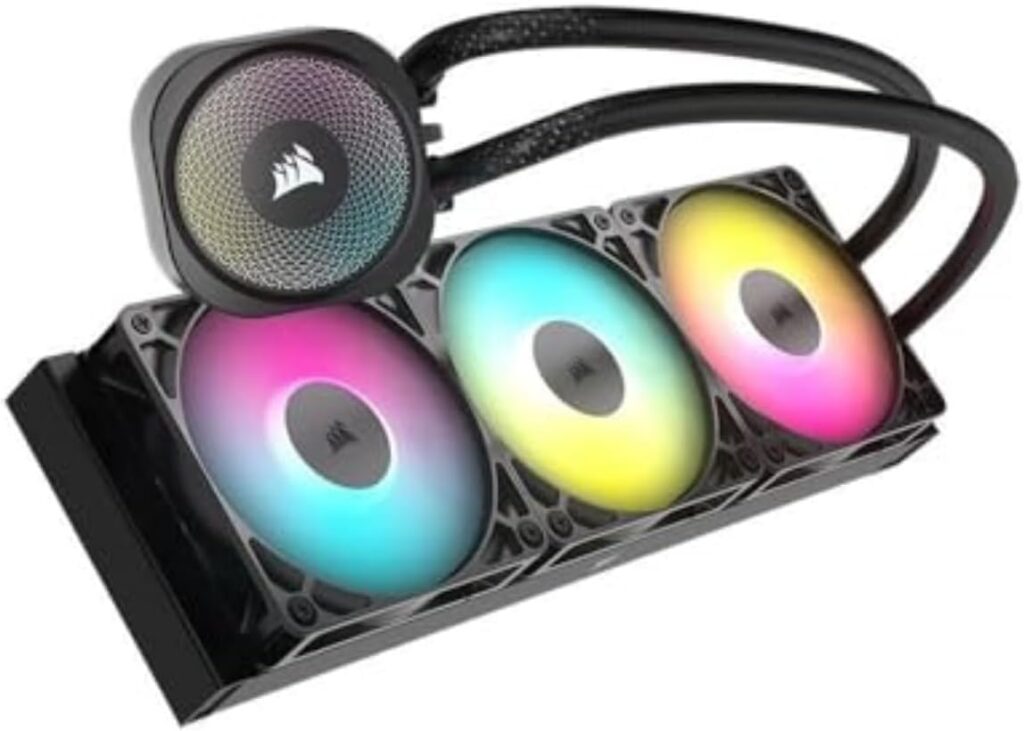
That 120W TDP keeps Ryzen 7 9800X3D system power consumption at a relatively low 262W compared to the 362W that the Core Ultra 7 270K Plus pulls from the wall a 38% increase by going from this AMD chip to the Intel 270K Plus. You’re paying for that productivity performance in electricity and thermals. An Intel Core Ultra 7 270K Plus system runs meaningfully hotter and costs more to run than an AMD X3D system. The 270K Plus requires more substantial cooling a 360mm AIO or high-end air cooler is the appropriate pairing.
The efficiency story is more nuanced than raw wattage suggests though. Despite pulling more power outright, the Core Ultra 7 270K Plus emerges as the more efficient CPU at 27.34 performance-per-watt by a clear margin, as the Ryzen 7 9800X3D lags behind at 21.01. The Intel chip does more work per watt in heavily threaded productivity scenarios it’s just doing considerably more work than the 9800X3D was designed to do in the first place.
The Price Comparison That Changes Everything
The Core Ultra 7 270K Plus arrives with an MSRP of $299, while the Ryzen 7 9800X3D debuted at $479 and often lands around $450–$485.
That price gap is significant context: the 270K Plus is often $120+ cheaper than the 9800X3D. For someone building a mixed-use PC who games but also does video editing, streaming, 3D rendering, or any heavily multi-threaded workload, the question becomes: is the 9800X3D’s gaming lead worth $120 more?
For pure gaming: probably yes, if you can stretch the budget, The gaming performance delta is real and the AM5 platform through 2029 gives longevity to the investment.
For gaming and productivity: the 270K Plus is a genuinely compelling answer those after the most well-rounded option between these two processors should go with the 270K Plus, without a shadow of doubt. The multi-threaded workload advantage is enormous 80% faster in multi-core rendering and the gaming performance, while lower than the 9800X3D, is still strong in absolute terms.
The Platform Problem: LGA 1851 Is a Dead End
This is the Arrow Lake Refresh’s most significant problem and most reviews of the chip itself gloss over it.
Intel absolutely cannot keep up in direct comparison when it comes to gaming performance that’s the raw benchmark picture. But the deeper issue is upgrade path LGA 1851 was announced as a transitional platform. Nova Lake Intel’s next desktop architecture brings a new socket. Intel Core Ultra Series 4 “Nova Lake” processors are confirmed to launch in late 2026. That means LGA 1851 buyers from 2025 and early 2026 are already at the end of their upgrade path before Nova Lake even arrives.
Compare this to AMD’s AM5 platform, confirmed through 2029, with Zen 6 arriving in early 2027 and potentially Zen 7 following on the same socket. An AM5 board bought today keeps its upgrade value for years. An LGA 1851 board bought today is a one-CPU investment.
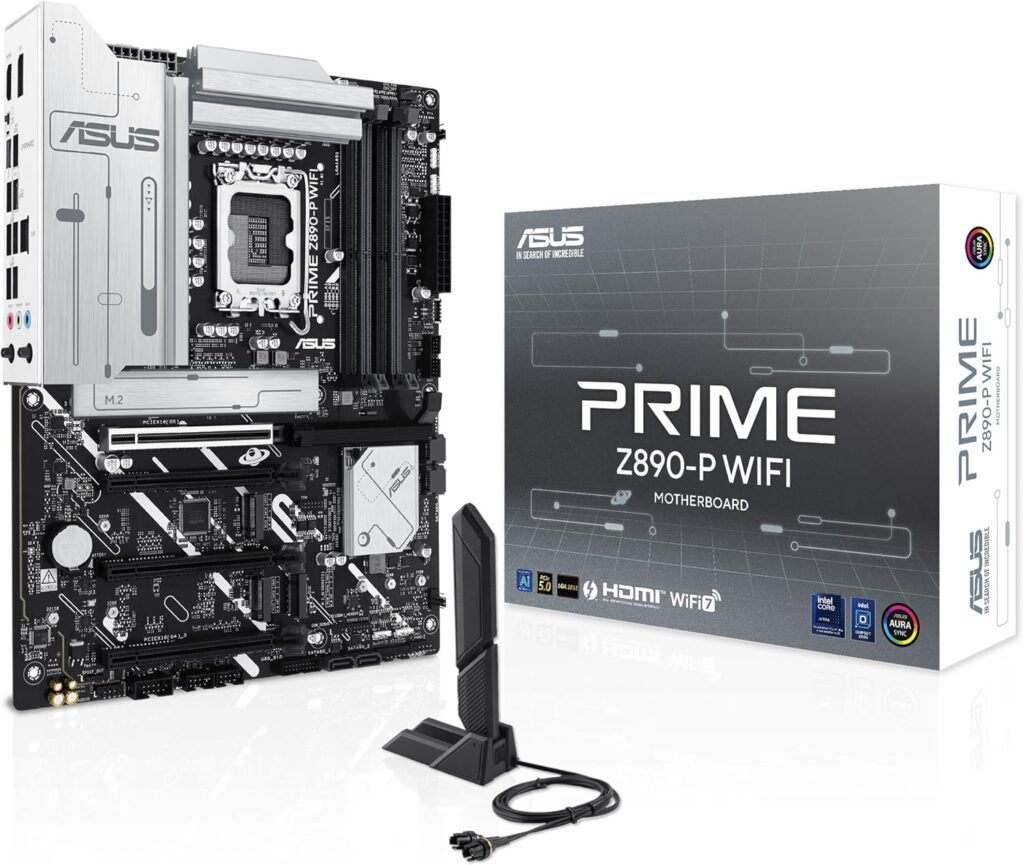
That platform consideration changes the value equation significantly. The Core Ultra 7 270K Plus at ~$310–$330 looks attractive against the 9800X3D around $450–$485. Add an LGA 1851 Z890 motherboard at $169-$249, and you’ve spent similar money on a platform that has one upgrade generation left the 290K Plus if you want it before needing a full platform change again.
Who Should Actually Buy Intel Arrow Lake Refresh in 2026
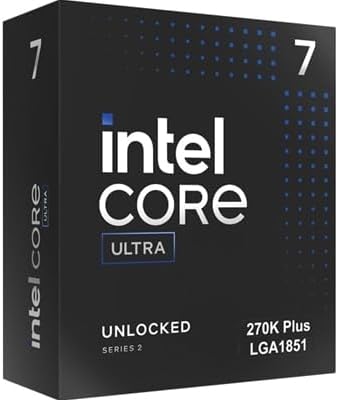
Buy the Core Ultra 7 270K Plus if your PC is genuinely a mixed-use workstation and gaming machine. Video editing, 3D rendering, content creation, software compilation, heavy streaming while gaming these are workloads where 24 cores at ~$320 beats 8 cores with cache at the same spend. If your PC does as much work as it does gaming, Intel earns the buy.
Don’t buy the Arrow Lake Refresh if gaming is your primary use case. The 9800X3D or 9850X3D is the right choice at 1440p and 1080p gaming, the AM5 platform has a confirmed multi-year upgrade runway, and the gaming performance gap is real and consistent across multiple independent tests.
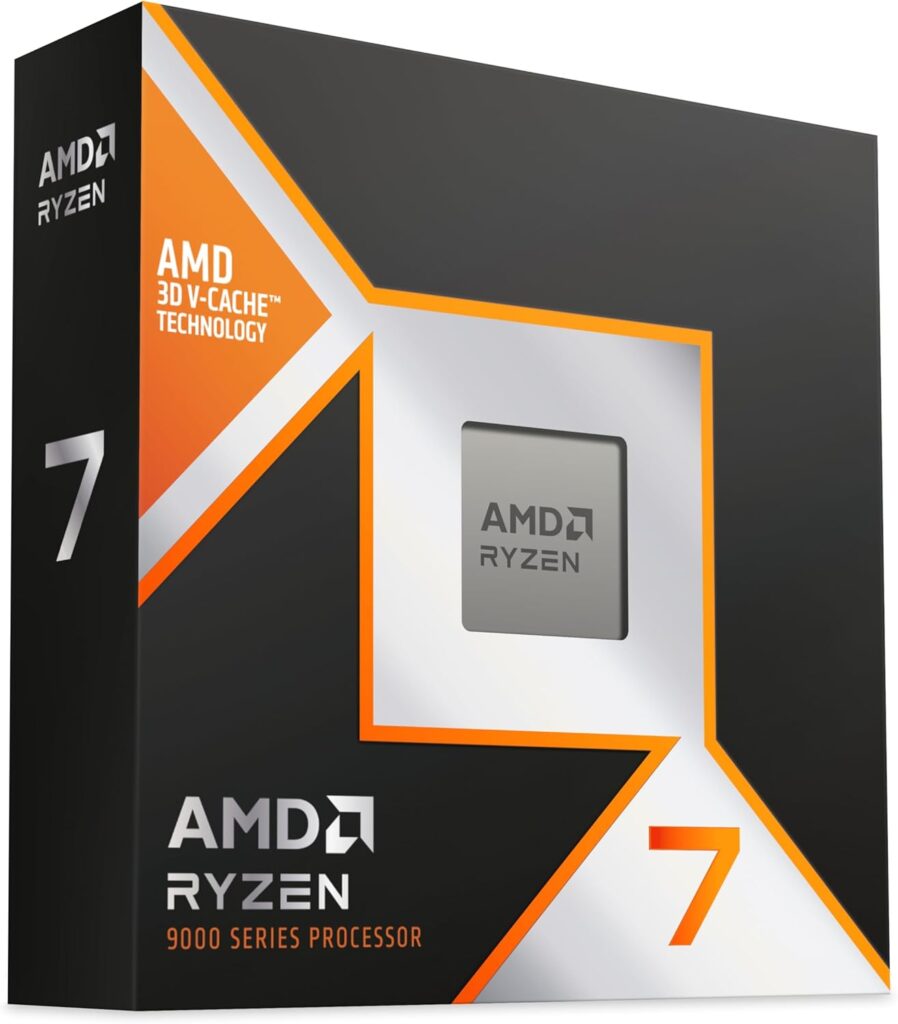
Don’t buy the Arrow Lake Refresh if platform longevity matters Nova Lake in late 2026 makes LGA 1851 a platform you’re buying once.
The honest verdict: Arrow Lake Refresh is a better-than-expected productivity chip at a genuinely competitive price. It’s a worse-than-needed gaming chip for a gaming-focused build. Which of those describes your situation determines which platform you should be on in 2026.
SpecClear participates in affiliate programmes. When you purchase through links on this site we may earn a commission at no additional cost to you.