
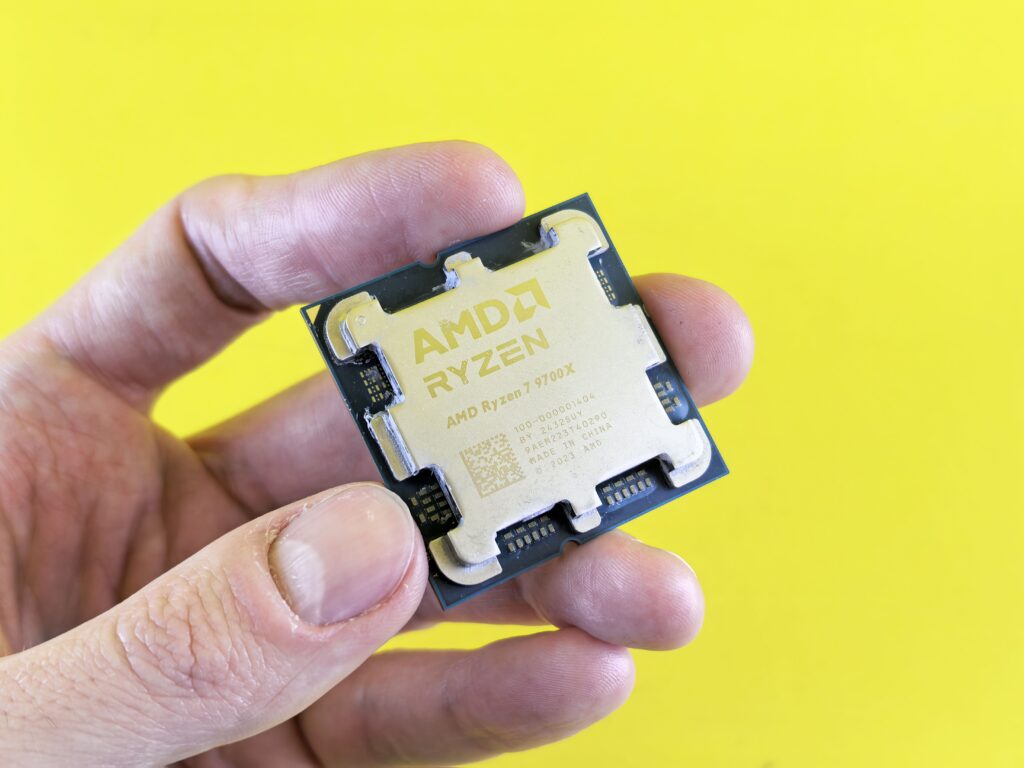
AMD is filling a gap in its AM5 lineup on July 16. The Ryzen 7 7700X3D arrives at $329 — $120 below the 7800X3D’s launch price and with the same 96MB of L3 3D V-Cache that makes every X3D chip exceptional for gaming. At that price point, it becomes the cheapest entry into X3D gaming on AMD’s current platform, and it arrives at exactly the right moment when DDR5 prices are making new AM5 builds more expensive than anyone planned for.
There are no independent benchmarks yet. Those arrive at launch. What we do have is the complete specification and enough context from the broader X3D lineup to understand exactly where this chip sits and who it’s for. That’s what this article covers.
What the Ryzen 7 7700X3D Actually Is
The Ryzen 7 7700X3D is based on the Zen 4 architecture, offering 8 computing cores and 16 threads with a base clock of 4.0GHz and a maximum boost of 4.5GHz. It carries 104MB of total cache, including 96MB of L3 cache enabled by AMD 3D V-Cache technology the same L3 amount as the 7800X3D. It uses Socket AM5 and requires an AM5 motherboard with DDR5 memory, and supports PCIe 5.0 and AMD EXPO.
The 120W TDP matches the 7800X3D exactly. Same core count, same cache, same platform, same power envelope. The meaningful differences are two: the 7700X3D boosts 500MHz lower at peak (4.5GHz versus 5.0GHz on the 7800X3D), and the 7700X3D includes integrated Radeon graphics.
That second point is worth dwelling on. AMD’s other 3D V-Cache desktop processors the 5800X3D, 7800X3D, and 9800X3D all lack integrated graphics. The 7700X3D is different: its Raphael die includes both 3D V-Cache and AMD Radeon iGPU at 2200MHz base frequency. The iGPU isn’t capable of gaming it’s the same minimal Radeon implementation present on standard Zen 4 chips but it means you can output a display signal without a discrete GPU. For small form factor builders, home theater PC setups, or anyone swapping GPUs who wants display output during the process, this is a genuinely useful feature no other AM5 X3D chip offers.
The Spec Comparison That Matters
Three numbers define the 7700X3D’s position in AMD’s lineup:
| CPU | Boost Clock | L3 Cache | TDP | Price |
|---|---|---|---|---|
| Ryzen 7 7700X3D | 4.5GHz | 96MB | 120W | $348 |
| Ryzen 7 7800X3D | 5.0GHz | 96MB | 120W | ~$348-469 |
| Ryzen 7 9800X3D | 5.2GHz | 96MB | 120W | ~$469 |
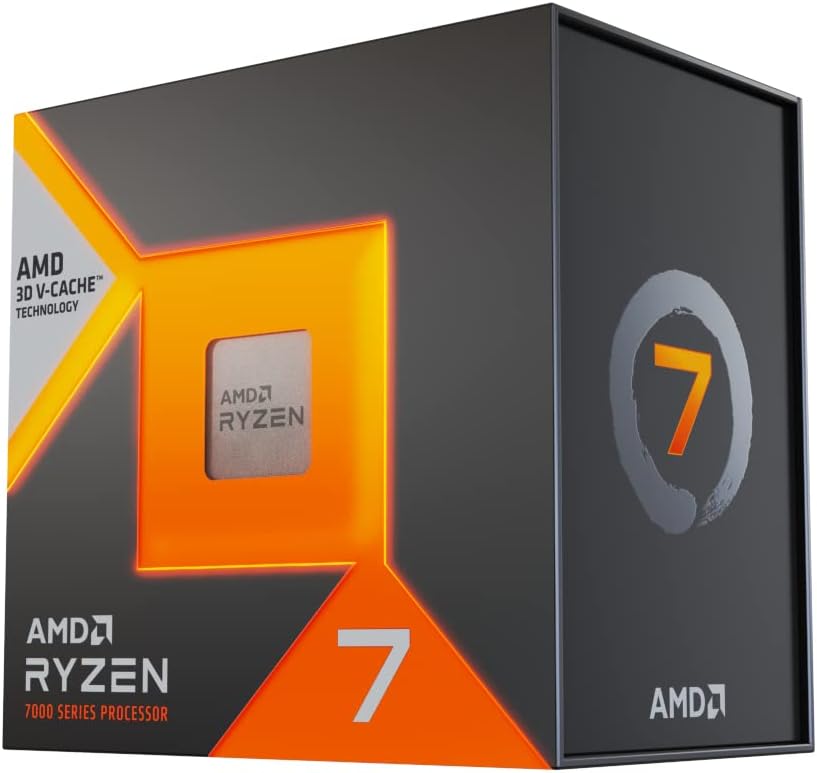
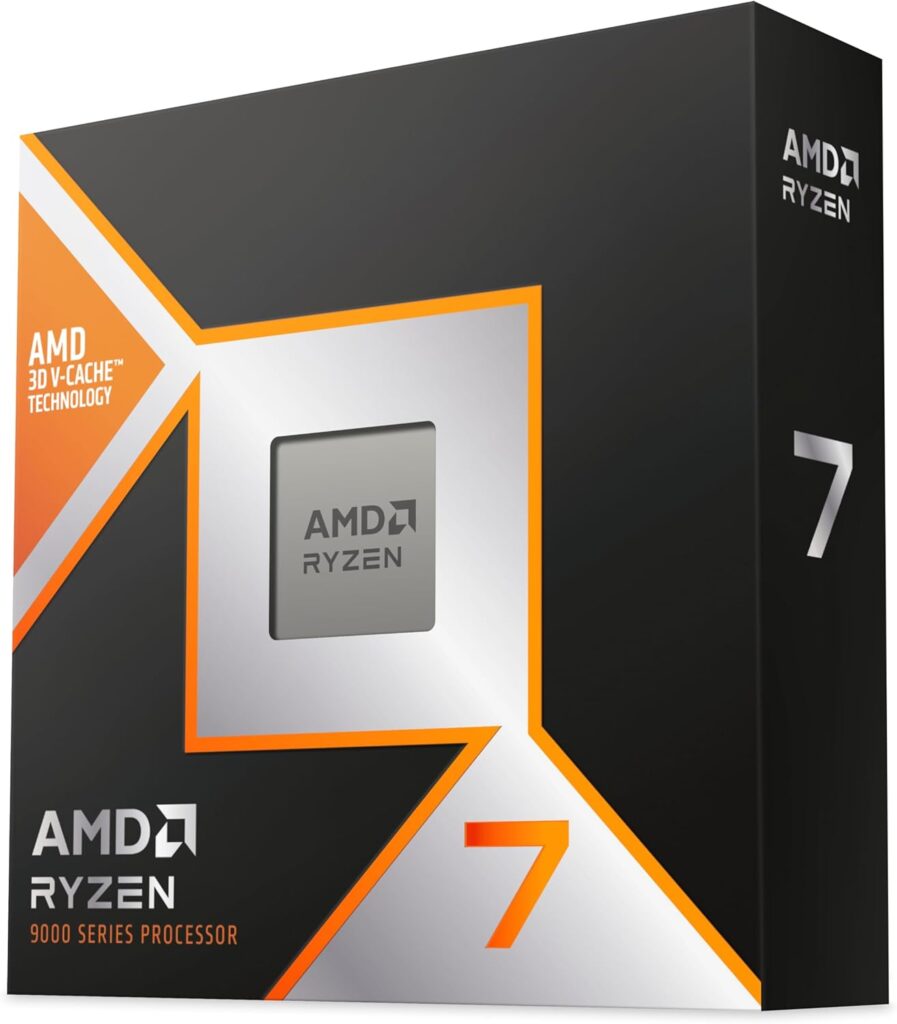
The cache is identical across all three. The frequency is where they differ. The 7700X3D has 200MHz less base clock and 500MHz less boost than the 7800X3D. That sounds significant. In gaming, it isn’t as significant as it looks.
Here’s why: the entire reason X3D chips outperform higher-clocked competitors in gaming is that the 96MB L3 cache allows the CPU to serve game data without going out to main memory as often. When cache hits prevent frequent memory accesses, clock speed matters less because the CPU isn’t waiting for data to arrive from slower memory. A 5% frequency reduction on a cache-bottlenecked workload produces much less than 5% less performance. In gaming, the 3D V-Cache compensates significantly for the clock speed deficit.
Independent benchmarks will quantify this precisely at launch. Based on the same pattern we’ve seen with previous X3D tier-downs including the 5700X3D versus 5800X3D on AM4 expect the 7700X3D to land approximately 3–8% behind the 7800X3D in gaming depending on the title, with the gap largest in CPU-heavy scenarios at high frame rates and smallest at GPU-limited resolutions.
The Integrated Graphics: A Real Differentiator
This point deserves more attention than it’s getting in most coverage.
Every other 3D V-Cache chip AMD sells for the desktop lacks integrated graphics. The 5800X3D, 7800X3D, 9800X3D, 9850X3D none of them can output a display signal without a discrete GPU installed. The 7700X3D breaks that pattern.
The 7700X3D is not just a better processor it is an entry point into an ecosystem with several years of upgrade runway ahead of it. This is useful for small form factor gaming builds that benefit from iGPU display output during GPU swaps, home theater PC builders who want low-power operation, and workstation builders who want V-Cache for cache-sensitive applications but can skip the dedicated GPU entirely.
It also matters for troubleshooting. If your discrete GPU fails or you want to test system stability before a new GPU arrives, a 7700X3D system remains functional with just the iGPU. A 7800X3D system goes dark.
For the majority of gamers building a standard desktop with a dedicated GPU, this distinction is marginal. But it’s a real advantage that costs nothing extra compared to the 7700X3D’s base price.
Who Should Buy the Ryzen 7 7700X3D
If you are building a gaming-focused AM5 system this summer, the 7700X3D is absolutely worth waiting for. At $348 it undercuts the 7800X3D while keeping the cache that matters most for games, and it lands on a platform with years of upgrade life ahead.
The specific buyer scenarios where the 7700X3D makes the most sense:
First-time AM5 builders on a tighter budget. The 7700X3D at $329 versus the 7800X3D at whatever it’s actually selling for on launch day is the core decision. The 7800X3D has almost exclusively sold for above $350, sale or not. If the real-world gap is $20–30, the 7800X3D is the easy call. If it’s $80–100, the 7700X3D frees budget for a better GPU or more RAM and in 2026, RAM is where that money is most needed.
Anyone who values the integrated graphics. Small form factor builders, HTPC use cases, lab or workshop builds where a discrete GPU isn’t always present.
Builders already committed to AM5. The 7700X3D drops into any existing AM5 board with a BIOS update the same compatibility story as the 7800X3D. If you’re already running an AM5 board and want an X3D chip at the lowest possible price, this is it.
Who Should Skip the Ryzen 7 7700X3D
AM4 owners who don’t need a platform change.
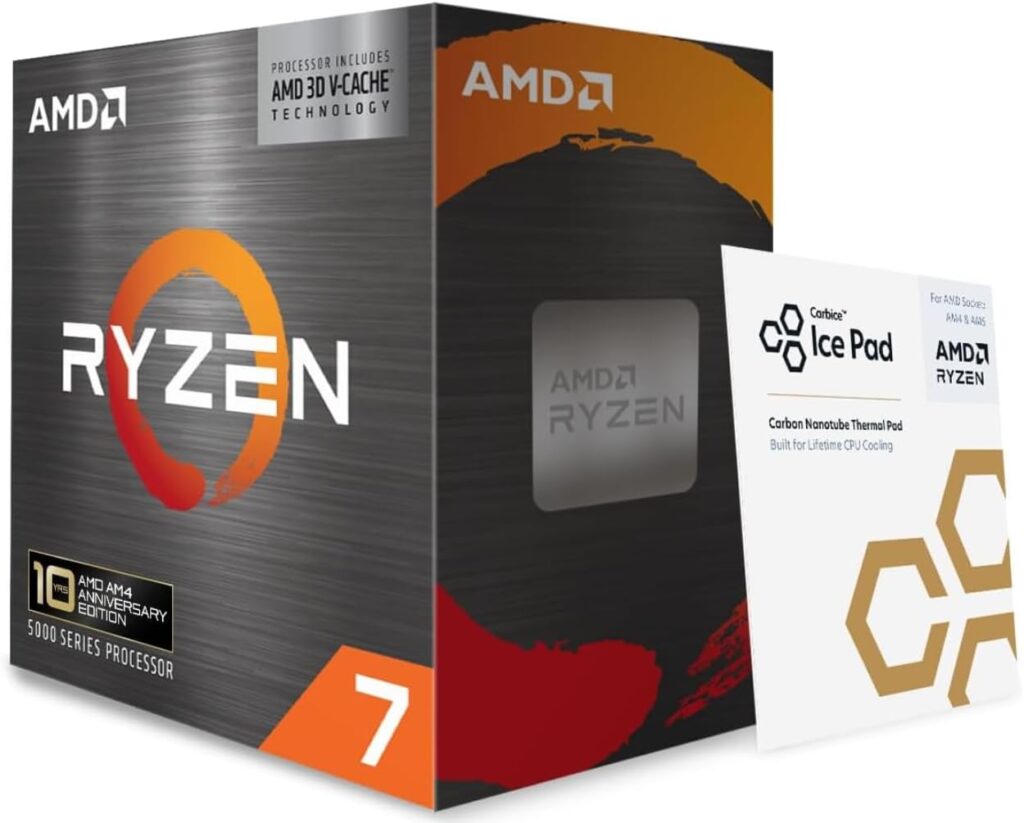
The 5800X3D 10th Anniversary Edition at $349 drops into your existing board with DDR4 you already own. No new motherboard, no new RAM, no additional platform cost. The 5800X3D 10th Anniversary Edition is for builders who want the biggest possible gaming uplift for the least money and effort, staying on the platform they already have. Against a 7700X3D that requires an AM5 board plus DDR5, the 5800X3D Anniversary Edition is the better value for AM4 owners by a wide margin.
Anyone who can stretch to the 7800X3D.
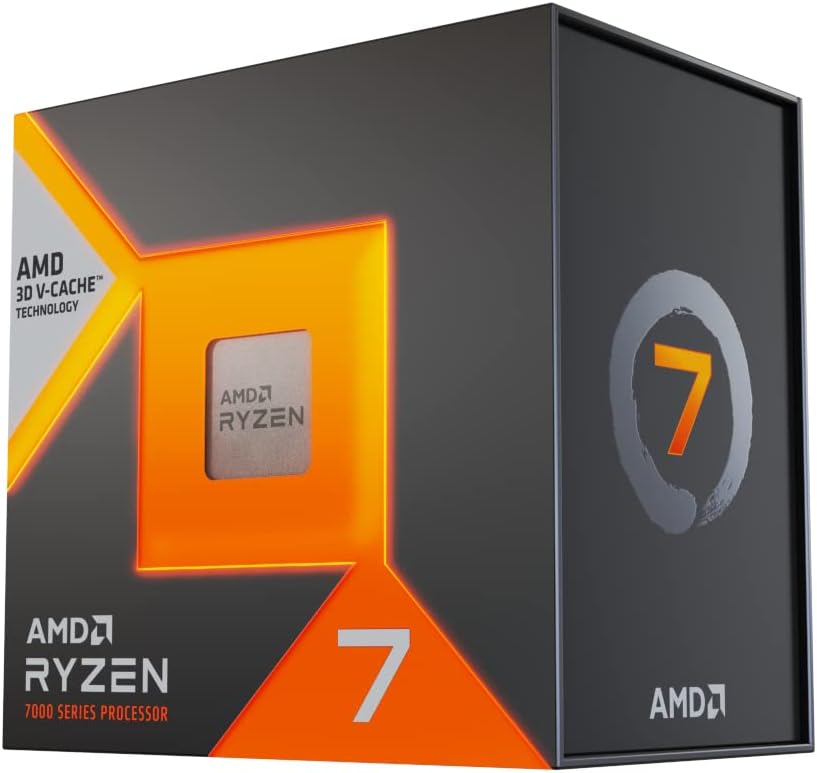
The 7800X3D has higher clocks and a small gaming lead. The 7700X3D offers most of the same experience at a lower price, making it the better value for many gamers. But if the price gap is small and it may well be at actual retail rather than MSRP the 7800X3D’s higher clocks make it the cleaner buy.
Anyone who should be looking at a Ryzen 9000 X3D chip.
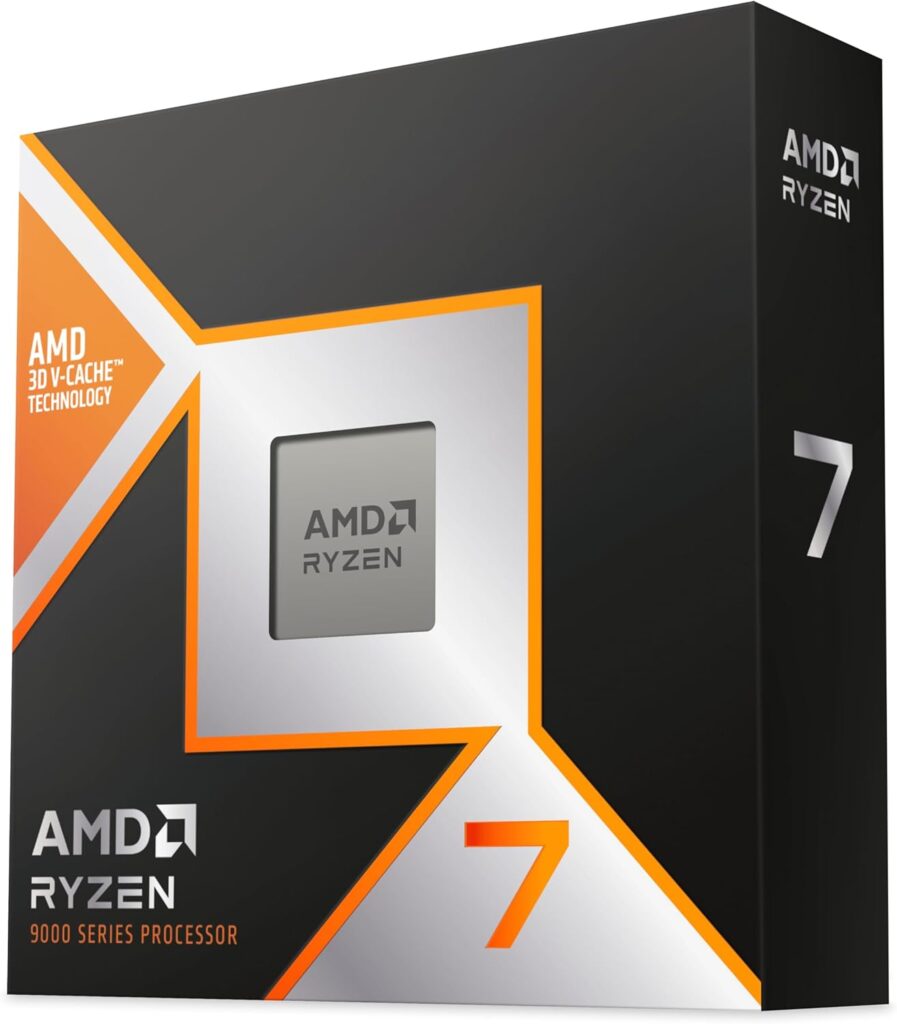
The 9800X3D at $449 is built on Zen 5, carries meaningfully better single-core performance than the 7700X3D’s Zen 4, and sits only $140 above the 7700X3D. For a new build where you’re pairing with a high-end GPU and want the best gaming processor available, the 9800X3D is the right answer. The 7700X3D is the value entry point, not the top of the stack.
The Platform Question: Why AM5 Still Matters
AMD confirmed at Computex 2026 that the AM5 platform is supported through 2029. That’s a meaningful commitment. The AM4 platform remained relevant for six years AMD is signalling AM5 will follow a similar roadmap.
A 7700X3D build today keeps the door open to Ryzen 9000 X3D chips in the future without a motherboard change. A 5800X3D build today is, by AMD’s own commitment, the end of the AM4 upgrade path. Both are good options but they represent different timelines for your investment.
When to Buy
The Ryzen 7 7700X3D launches globally July 16 at $329 MSRP. Check Newegg and Amazon on launch day launch day pricing for AMD X3D chips has historically been close to MSRP rather than significantly above it, unlike Nvidia GPU launches in the current market.
If you’re building in the next 30 days, wait for launch day reviews before committing. Independent gaming benchmarks will confirm whether the 500MHz frequency gap costs 3% or 8% across your specific game library. That number changes the decision for buyers sitting between the 7700X3D and 7800X3D.
This article will be updated with benchmark data as soon as launch day reviews are published.
SpecClear participates in affiliate programmes. When you purchase through links on this site we may earn a commission at no additional cost to you.