
This week AMD confirmed something the PC building community has been waiting to hear for two years. Zen 6 — the architecture behind the next generation of Ryzen CPUs will make its official debut at AMD’s Advancing AI conference on July 22 and 23. That’s twelve days from now.
Before you get excited about upgrading: the amd zen 6 processors debuting on July 22 are EPYC server CPUs. Desktop Ryzen 10000 series processors are not coming in 2026. Multiple credible sources including TechPowerUp and leakers HXL and Benchlife point to CES 2027 as the realistic desktop launch window. AMD has declined to confirm consumer desktop timing, and the silence on that point at every public appearance through Computex 2026 tells you what you need to know.
Here’s what the July 22 announcement means for desktop builders, what Zen 6 is actually bringing, and the honest answer to whether you should buy now or wait.
What Zen 6 actually is
Zen 6 is codenamed Morpheus. Desktop processors carry the codename Olympic Ridge and will launch under the Ryzen 10000 series branding though AMD may rework its naming convention before retail, so don’t hold that name too firmly.
The most significant architectural change is the chiplet design. Every AMD desktop CPU since Ryzen 3000 has used 8-core chiplets. Zen 6 increases that to 12 cores per CCD a 50% jump in core density enabled by TSMC’s 2nm process node. A dual-chiplet flagship desktop chip reaches 24 cores. Even the mid-range mainstream Ryzen 7 tier could offer 12 cores in a single-chiplet design, which would be meaningfully more than the 8 cores in the current Ryzen 7 9700X.
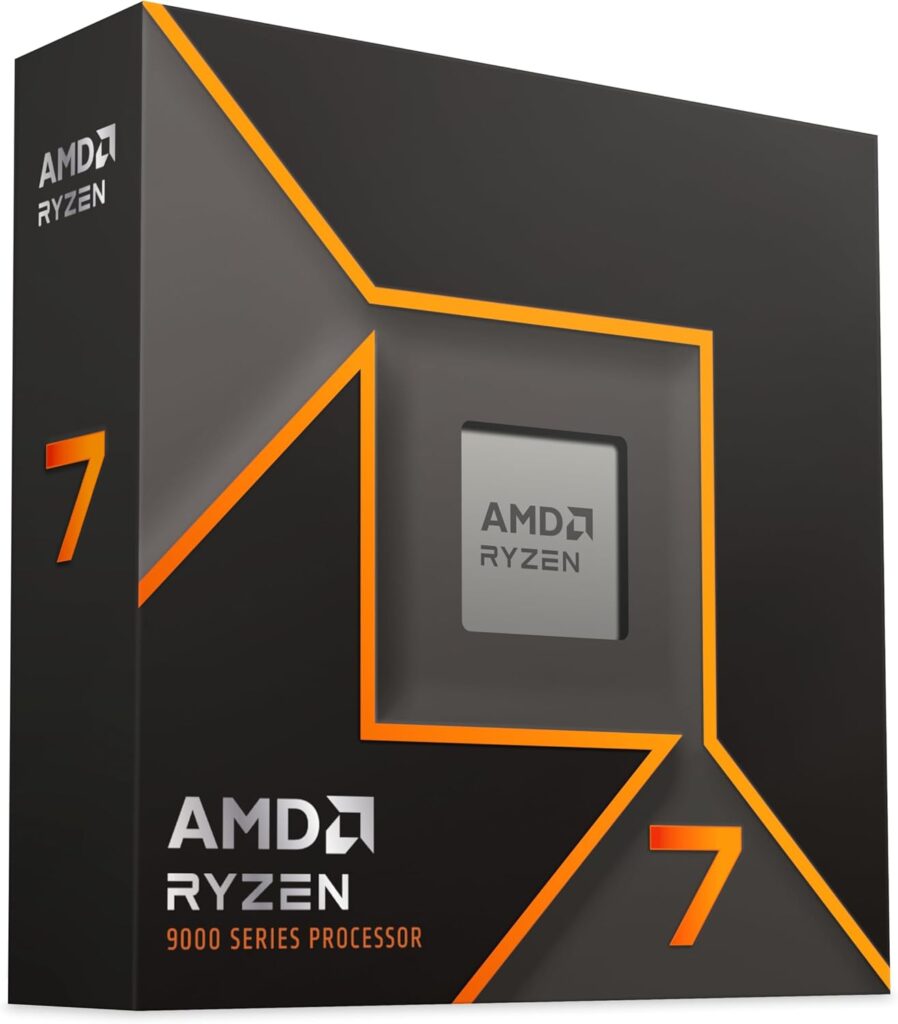
Each Zen 6 CCD carries 48MB of L3 cache up from 32MB in Zen 5. Dual-chiplet chips carry 96MB without 3D V-Cache. The X3D variants, which stack additional cache on top of that, could reach numbers that make the current 9800X3D’s 96MB total cache look modest.
Clock speeds are the other headline, leaks from credible sources including Red Gaming Tech and AMD insiders point to boost clocks in the 6.3–6.6GHz range on desktop. Earlier leaks claimed 7GHz was the internal target that appears to have been aspirational rather than achievable at this silicon generation. 6.5GHz is the more grounded estimate from people with access to actual engineering samples.
IPC improvement is estimated at 10–15% over Zen 5, combined with higher clocks and more cache, gaming performance gains of 20–25% generation-over-generation are the credible expectation. In cache-sensitive gaming workloads which the X3D variants specifically target the improvement could be considerably larger.
One important flag from forum leaks: there’s a rumour that AMD may not launch X3D variants of Zen 6 at all, given that the standard Zen 6 L3 cache per CCD already exceeds what Zen 5 X3D chips carry. If true, the cache advantage that made the 9800X3D the gaming champion it is narrows considerably against standard Zen 6 competition. Treat this as unconfirmed rumour but worth monitoring.
The memory situation a complication for desktop buyers
There’s a reason AMD is prioritising Zen 6 for enterprise first and consumer desktop later. TechPowerUp noted it directly: DDR5 memory is selling at 5–8x above normal pricing due to AI-driven DRAM shortages. AMD’s DIY retail channel is more exposed to that pain than Intel’s OEM-heavy channel. Launching a new Ryzen platform into a market where the supporting DDR5 kits cost $250+ for 32GB creates a hostile upgrade environment.
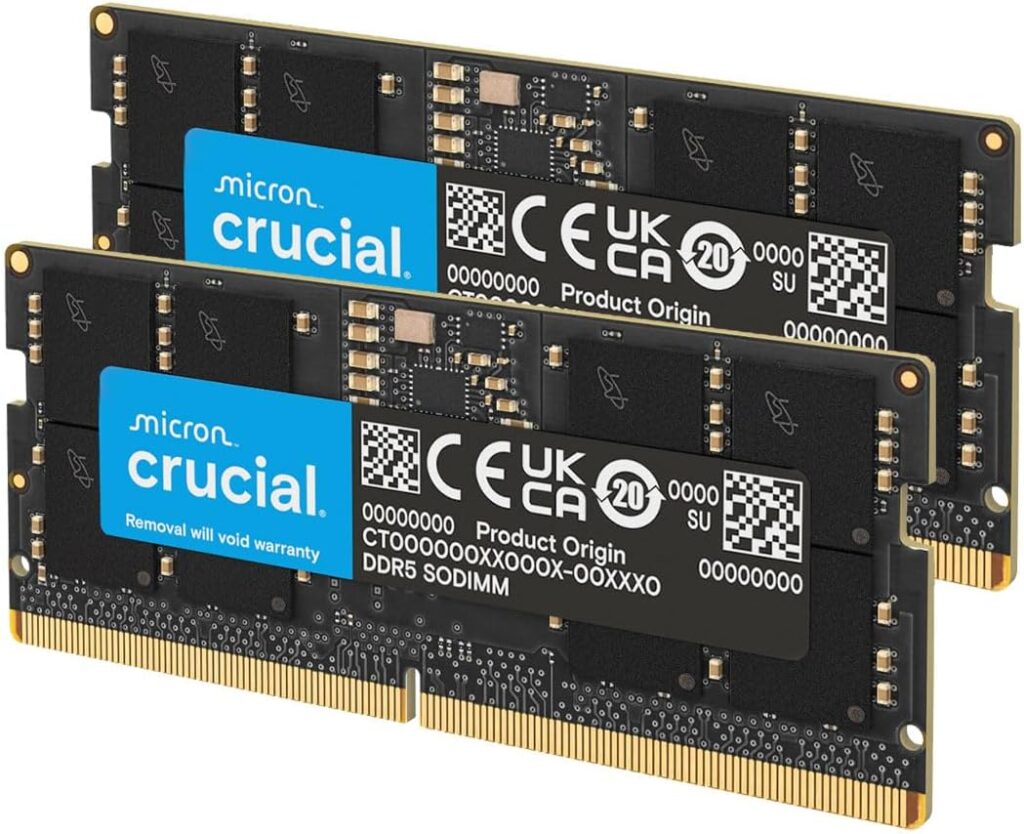
Zen 6 is also expected to push memory compatibility upward, the architecture reportedly supports DDR5-8000 and beyond a significant step from the DDR5-6000 sweet spot on AM5 today. Achieving those speeds reliably may require newer motherboard designs with updated trace layouts, even though AM5 socket compatibility is confirmed through BIOS updates on existing boards.
The AM5 compatibility the good news
Every current AM5 motherboard B650, B850, X870, X870E will support Zen 6 desktop processors with a BIOS update. AMD confirmed AM5 socket support through 2027 and beyond. You will not need a new motherboard to run a Ryzen 10000 series CPU if you’re already on AM5. A BIOS update is the only requirement for compatibility, though premium memory speeds may benefit from newer board designs.
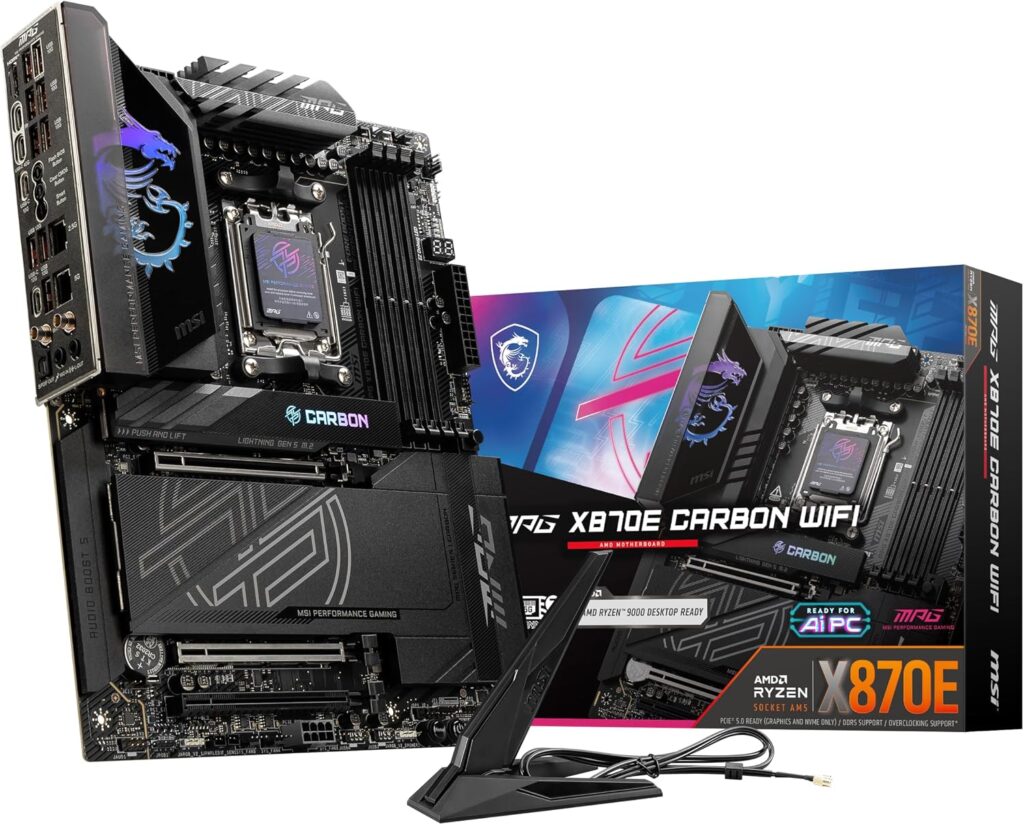
This is the most builder-friendly piece of the Zen 6 story. An AM5 platform built today around a Ryzen 9 9800X3D is a direct upgrade path to whatever Zen 6 brings without a platform change.
Should you wait or buy now?
The desktop Ryzen 10000 series isn’t arriving until CES 2027 at the earliest. That’s a minimum of six months away, and retail availability typically follows announcement by one to three months. You’re realistically looking at February to April 2027 before you can buy a Zen 6 Ryzen desktop CPU at a store.
If you need a PC now, buy now. The Ryzen 7 9800X3D is still the fastest gaming CPU available at any price. Nothing that exists or will exist in retail for the next six months comes close to it in gaming workloads. Waiting for Zen 6 means waiting the better part of a year on hardware you could be using today, and forgoing the performance gains that come with actually running the games.
If you’re on AM5 already with a Ryzen 7000 series CPU a 7700X, 7800X3D, or similar the Zen 6 upgrade argument is more interesting. You won’t need a new motherboard. The generation skip from Zen 4 to Zen 6 could deliver 35–45% IPC and clock gains rather than 20–25% from a direct Zen 5 to Zen 6 transition. Waiting in that specific case is a reasonable position if your current CPU isn’t creating performance problems today.
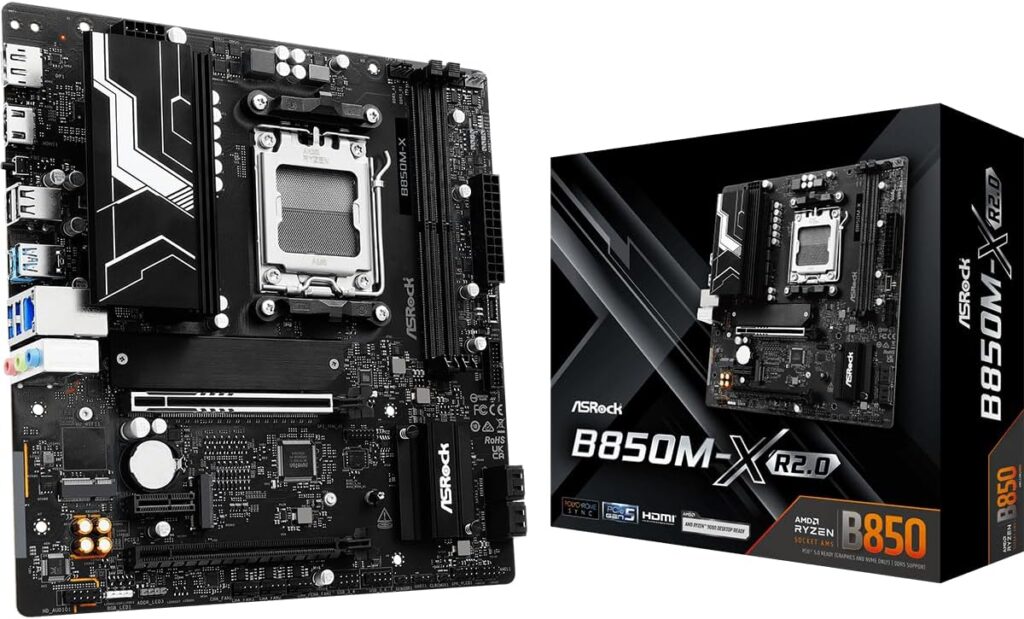
If you’re on AM4 or Intel and building fresh, build on AM5 now. A Ryzen 9 9800X3D on an X870 board drops straight into the Zen 6 upgrade path when the time comes. LGA 1851 Intel’s current socket is a confirmed dead end with no next-generation support. Intel’s Nova Lake will use a new LGA 1954 socket, which means any Arrow Lake Refresh system built today is a throwaway platform.
What July 22 actually tells us
The Advancing AI conference will be the first time AMD officially discloses Zen 6 architectural details rather than letting leakers and inference from EPYC documentation carry the story. Watch for IPC claims, cache configurations, specific EPYC Venice SKUs, and any hints about consumer desktop timing. AMD has been unusually quiet about Ryzen 10000 at public events and the July 22 keynote is unlikely to break that silence but the architectural deep-dive will tell us a lot about what the gaming-focused variants will eventually look like.
Zen 6 looks like a significant generational leap, TSMC 2nm, 12-core CCDs, 48MB L3 per chiplet, 6.5GHz+ clocks, 10–15% IPC improvement all of those land together. It’s a more substantial jump than Zen 4 to Zen 5, which disappointed some buyers with single-digit IPC gains. When it arrives in desktop form in early-to-mid 2027, it will be the most capable Ryzen generation in several years.
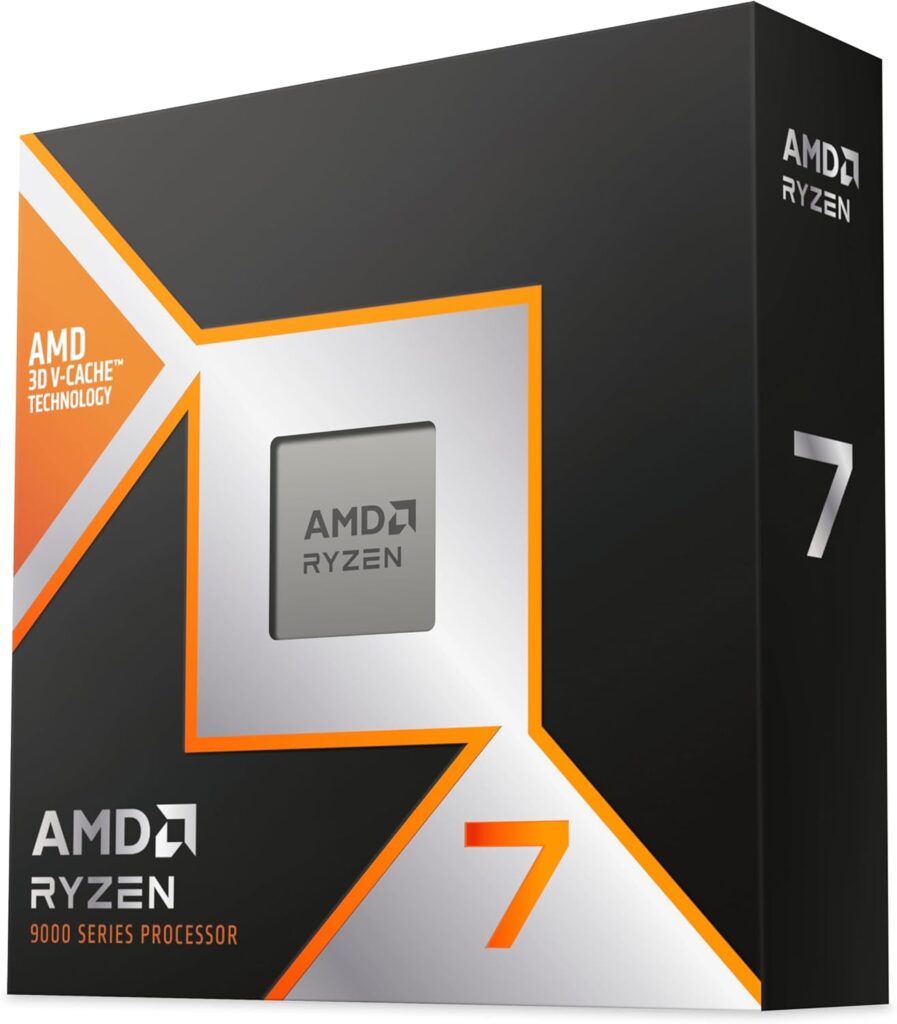
But it’s not here yet and the best gaming CPU you can buy today is the Ryzen 7 9800X3D, at ~$444, on AM5 a platform that carries you straight through to whenever Zen 6 decides to show up.