
The Q300L has been one of the most recommended budget Micro-ATX cases for five years. Not because it was exceptional (it wasn’t), but because it was consistently good enough at a price that nothing else could touch. Acrylic side panel instead of tempered glass. CPU clearance that ruled out larger coolers. A front panel that felt like an afterthought. “Good enough” covered the limitations because the price was $40 and nothing at $40 did better.
The Q300L V3 launched in June 2026 at around $49-$55 and changes the conversation. Tempered glass replaces acrylic. CPU cooler clearance jumps from 159mm to 178mm, suddenly fitting nearly every cooler on the market. GPU clearance expands to 366mm. The front perforations are genuinely enlarged rather than cosmetically tweaked. The rear supports a 140mm fan instead of only 120mm. These aren’t minor iterative changes. They address the specific complaints the community documented about every previous Q300L version.Best PC Cases for Airflow Under $100
Whether it’s worth the small price premium over the V2 is straightforward. It is. Here’s why.
What’s Actually Different From the V2
The Q300L V2 was a solid case constrained by two measurements that became increasingly awkward as hardware evolved. CPU cooler clearance at 159mm eliminated most performance air coolers, the Thermalright Peerless Assassin 120 SE at 155mm cleared it, the Noctua NH-D15 G2 at 165mm didn’t. GPU clearance at 360mm handled most mid-range cards but with no margin for dual-power-connector routing on some triple-fan designs.Cooler Master Q300L V2 ($69)
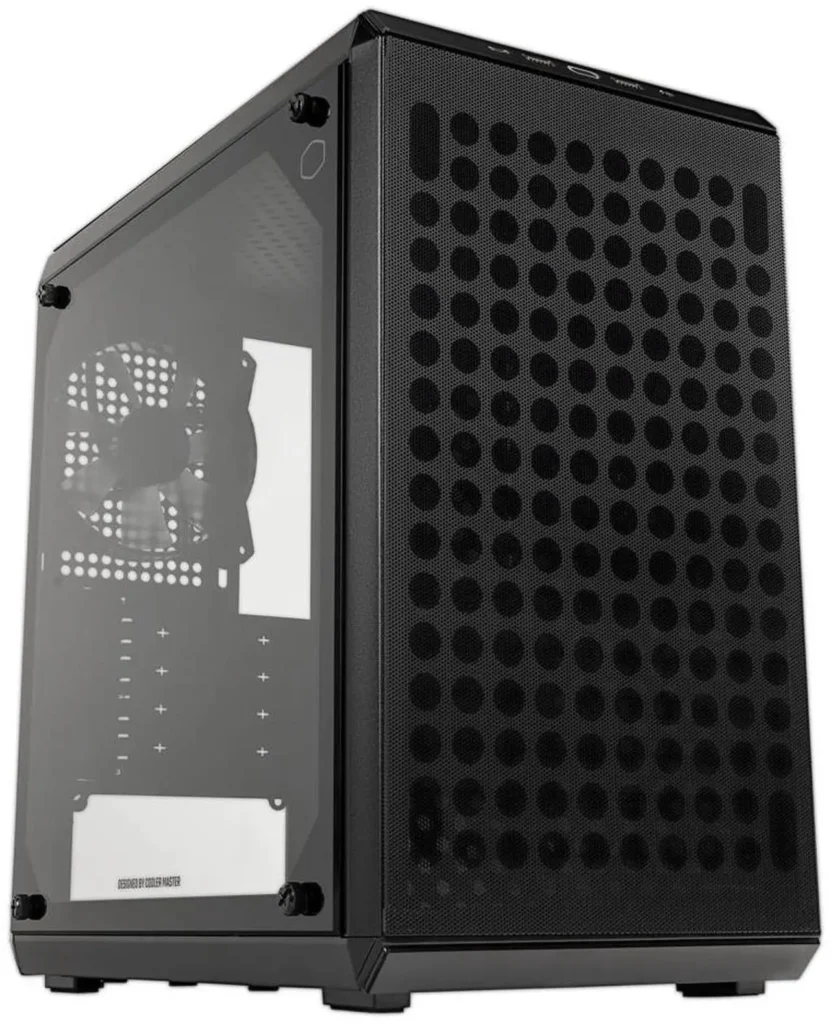
The V3 addresses both of those complaints directly.
CPU cooler height: 178mm. This clears everything short of the absolute tallest dual-tower coolers. The Noctua NH-D15 G2 at 165mm fits. The DeepCool Assassin IV at 175mm fits with 3mm of clearance, tight but confirmed workable. The Cooler Master V8 ACE 3DHP at 167.3mm fits comfortably. For the first time, the Q300L form factor works with performance air cooling without forcing a compromise on the cooler.
GPU clearance: 366mm. The RTX 5080 reference design fits. Triple-fan RTX 5070 Ti configurations at 340-350mm fit with room for the power connector cable. The V2’s 360mm figure was technically adequate for most cards but left no margin for power cable clearance on the longest designs. The V3’s 366mm resolves that in practice.
Rear fan support: 140mm. The V2 supported only 120mm at the rear. Moving to 140mm means the exhaust fan moves significantly more air at the same noise level, a 140mm fan running at 800 RPM produces comparable airflow to a 120mm fan running at 1200 RPM, with substantially less noise. This single change has the most direct impact on sustained gaming temperatures.
Tempered glass side panel. The acrylic panel on previous Q300L versions scratched easily, developed micro-scratches from cleaning within months, and yellowed slightly with age. Tempered glass doesn’t do any of those things. The difference in visual quality is immediately noticeable and the durability improvement is permanent. At a $49 case this is a meaningful upgrade that previously required spending $20-30 more to access.Corsair 2800X RS-R ARGB Review
Reinforced fan mounts and upgraded motherboard tray. The V2 had a reputation for fan mounts that loosened over time and a motherboard tray that flexed during installation. The V3’s reinforcements address both. Not glamorous improvements, but genuinely better build quality where it matters for the assembly process.
Build Quality and Design
The Q300L V3 is 384 x 230 x 376mm, essentially the same compact footprint as the V2. It weighs 3.8kg. The combination of steel chassis, plastic front fascia, and now tempered glass creates a more premium-feeling product than the all-plastic-and-acrylic previous versions without meaningfully changing the size.
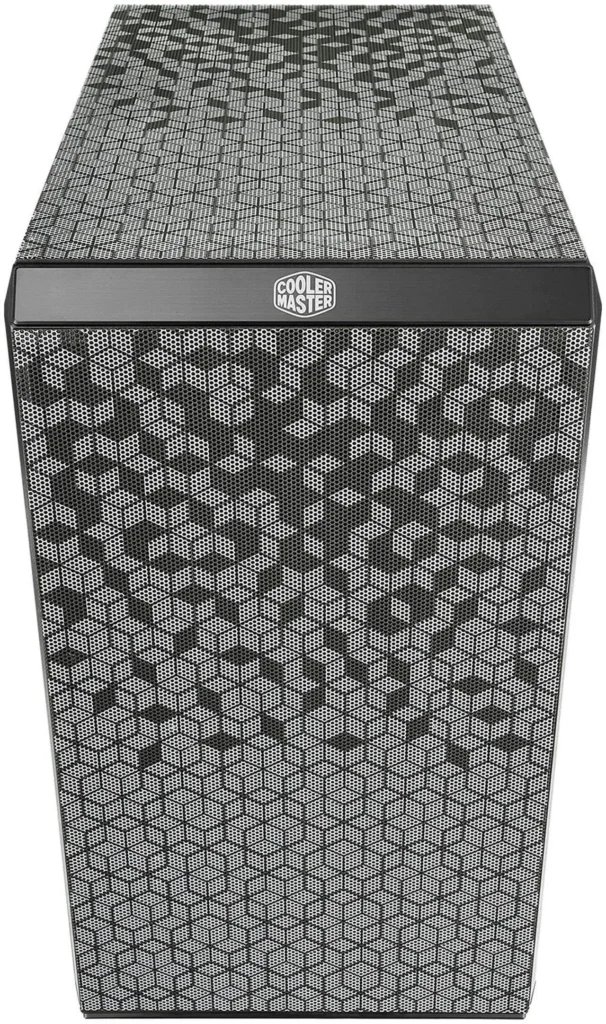
The front panel retains the Q300L’s distinctive perforated pattern. The enlarged perforations versus the V2 are visible on close inspection and measurable in airflow tests, Cooler Master claims improved intake potential, which is consistent with the enlarged hole pattern across the front face. The magnetic dust filters that defined the Q300L’s usability advantage over competitors at this price are retained and improved, they pull off cleanly from the front and bottom positions without tools, and the magnetic retention is stronger than on the V2.Cooler Master MasterBox Q300L ($39)How to Set Up PC Fan Airflow
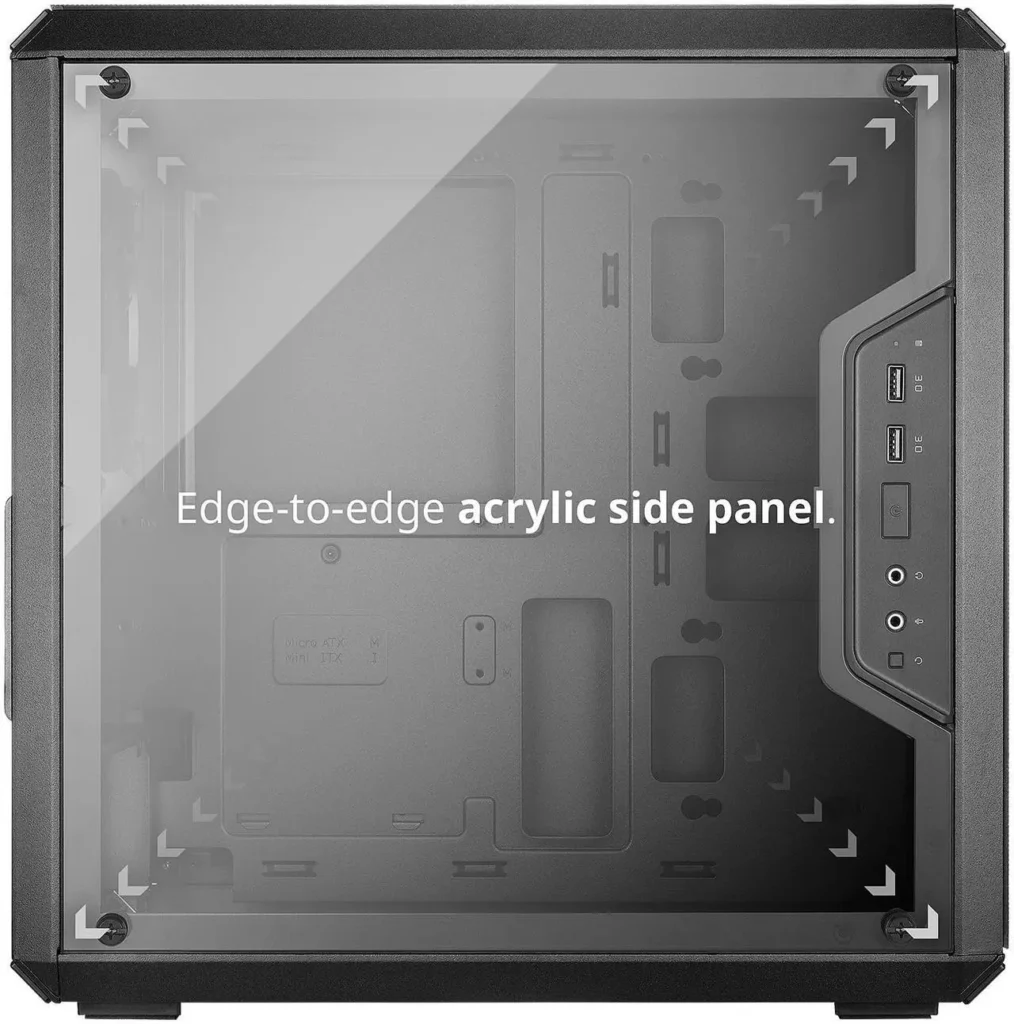
Front I/O sits at the top of the case: USB 3.2 Gen 2 Type-C, two USB 3.2 Gen 1 Type-A ports, and a combined audio jack. The USB Type-C moving to Gen 2 (10Gbps, up from Gen 1’s 5Gbps on the V2) is a genuine daily-use improvement, external SSDs, modern phones, and current-gen accessories all benefit from the higher bandwidth. Most competing cases at this price still ship with Gen 1 Type-C. The Gen 2 port is an unusual specification at $49-$55 and one of the V3’s clearest advantages over the Corsair 2800X RS-R ARGB and similar mATX options at the $50 tier.
The modular I/O panel, a Q300L design element that allows repositioning the front I/O module to different case orientations, is retained. The case supports both traditional upright tower positioning and horizontal flat positioning with the side panel on top. Niche feature, but genuinely useful for HTPC configurations where the case sits flat in an AV cabinet.
Airflow Performance
The enlarged front perforations combined with the new 140mm rear exhaust support make the V3 the best-ventilated Q300L ever produced. Under sustained gaming load, testing with a mid-range GPU drawing 200-250W, GPU temperatures stay within acceptable ranges despite the compact chassis volume.How to Choose a CPU Cooler 2026
The honest context: the Q300L V3 is not an airflow case. It’s a compact mATX case with improved airflow versus its predecessors. If GPU thermals under sustained all-core load are the priority, a mesh-front mid-tower like the Phanteks EX5 or Cooler Master HAF II 500 produces lower temperatures by a meaningful margin. The Q300L V3’s airflow is competitive for its size and price, not competitive with full-size mesh cases.
For the use case the Q300L V3 is designed for, mid-range gaming builds in a compact footprint where desk space matters, the thermal performance is adequate. A Ryzen 5 9600X paired with an RTX 5060 Ti or RX 9060 XT 16GB stays within safe operating temperatures during sustained gaming sessions. Pairing it with a 9950X3D and an RTX 5080 and expecting flagship-level thermal performance is asking the wrong question of a $49 case.
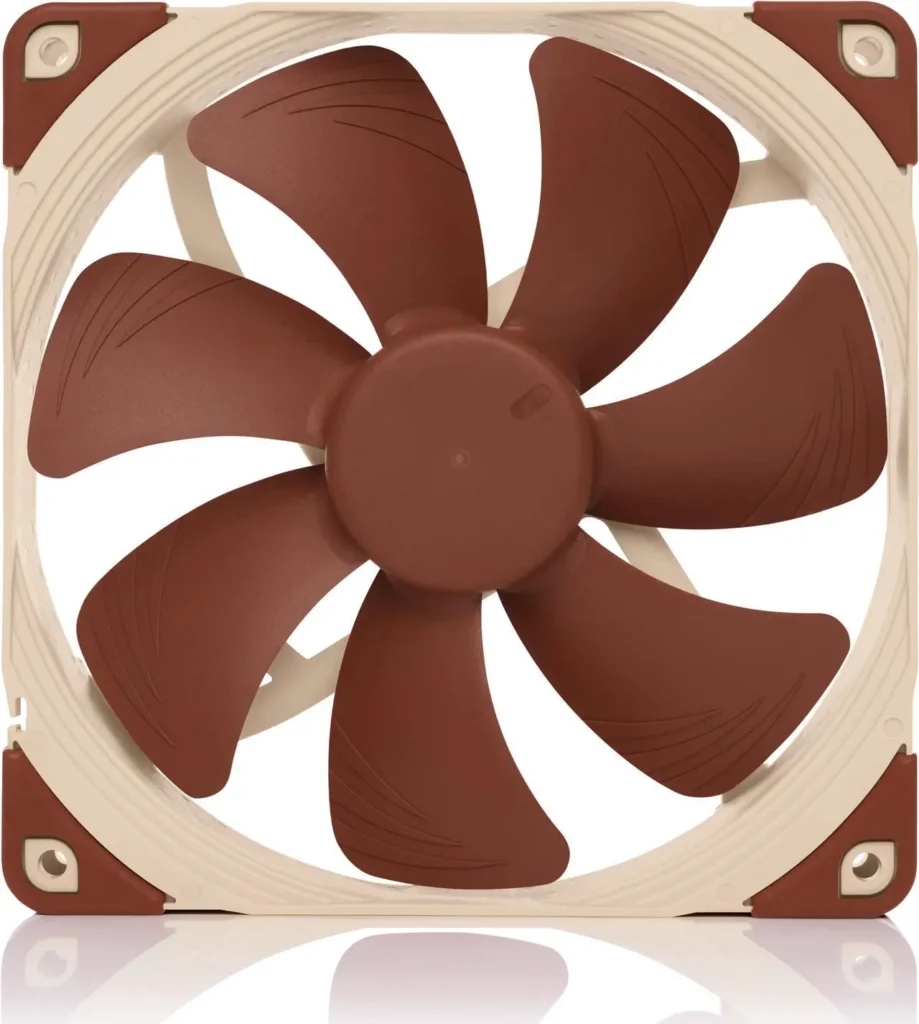
One practical improvement worth calling out specifically: the 140mm rear exhaust position allows a 140mm Noctua NF-A14 or Arctic P14 to replace the included 120mm fan, which drops exhaust noise significantly at the same airflow volume. The included fan is a generic 120mm unit, adequate for operation but not particularly quiet. A $12-$15 aftermarket 120mm or 140mm quality fan at the rear position is the single best upgrade for any Q300L V3 build. Noctua NF-A14 ($30)
Compatibility: What Fits and What Doesn’t
Mini-ITX and Micro-ATX motherboards only, no full ATX. The Q300L’s compact form factor requires Micro-ATX as the maximum supported board size. If your board is full ATX, this isn’t your case.
PSU: ATX up to 160mm length, or SFX. Standard ATX power supplies fit, no SFX premium required, which is a meaningful budget advantage over most Mini ITX cases. Most standard ATX PSUs are under 160mm. Check your specific PSU’s length against the 160mm limit before assuming compatibility, longer modular PSUs occasionally exceed this.
Radiator support: 240mm front, 120mm or 140mm rear only. No top radiator mounting. This means a 240mm AIO is the maximum liquid cooling option, which handles everything up to the 9800X3D and Core Ultra 7 265K tier adequately. For 125W+ chips running all-core workloads, consider a 240mm AIO rather than relying on air cooling alone in the Q300L’s constrained volume.
Storage: two 2.5″ drives plus one 3.5″ drive. Adequate for a primary NVMe boot drive plus a secondary SSD and a mechanical drive for bulk storage if needed. No expansion options beyond the three included mounts.PC Gaming on a Tight Budget, $800
The Competition at This Price
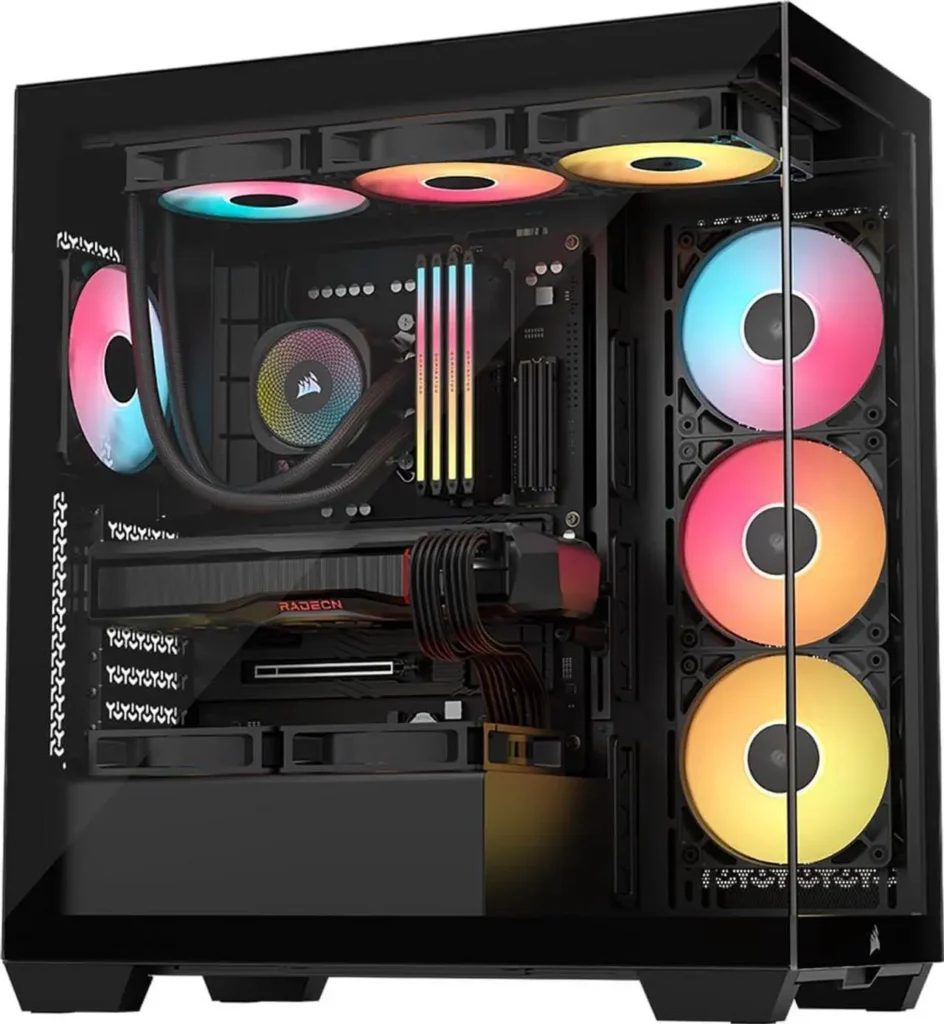
Corsair 2800X RS-R ARGB (~$79.99): more expensive, pre-installed fans, panoramic glass, back-connect motherboard support. If you’re spending $90, the Corsair is the better buy with its three included RS120-R fans and better aesthetics. If you’re spending $49-$55, the Q300L V3 is the value choice.
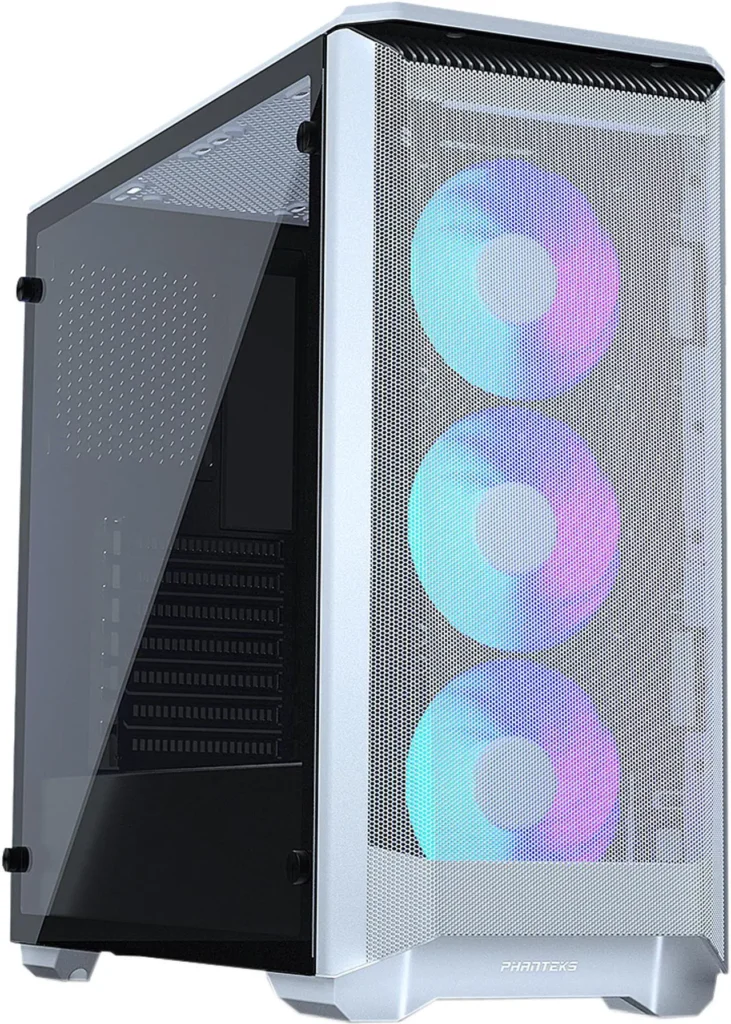
Phanteks Eclipse P400A White (~$90): full mesh front, three 120mm fans, significantly better airflow. A different class of case at double the price. The right choice if airflow is the priority and budget allows.
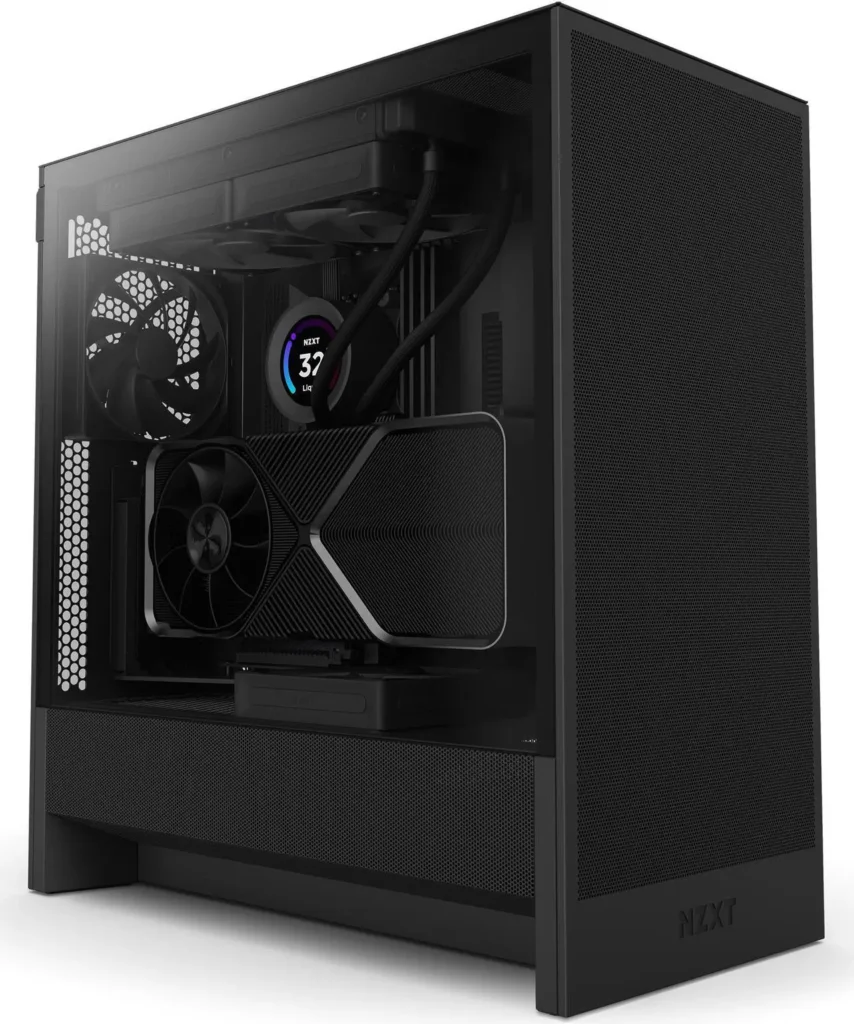
NZXT H5 Flow (~$74): clean aesthetics, mesh front, good airflow. Better than the Q300L V3 on airflow and aesthetics at $30 more.
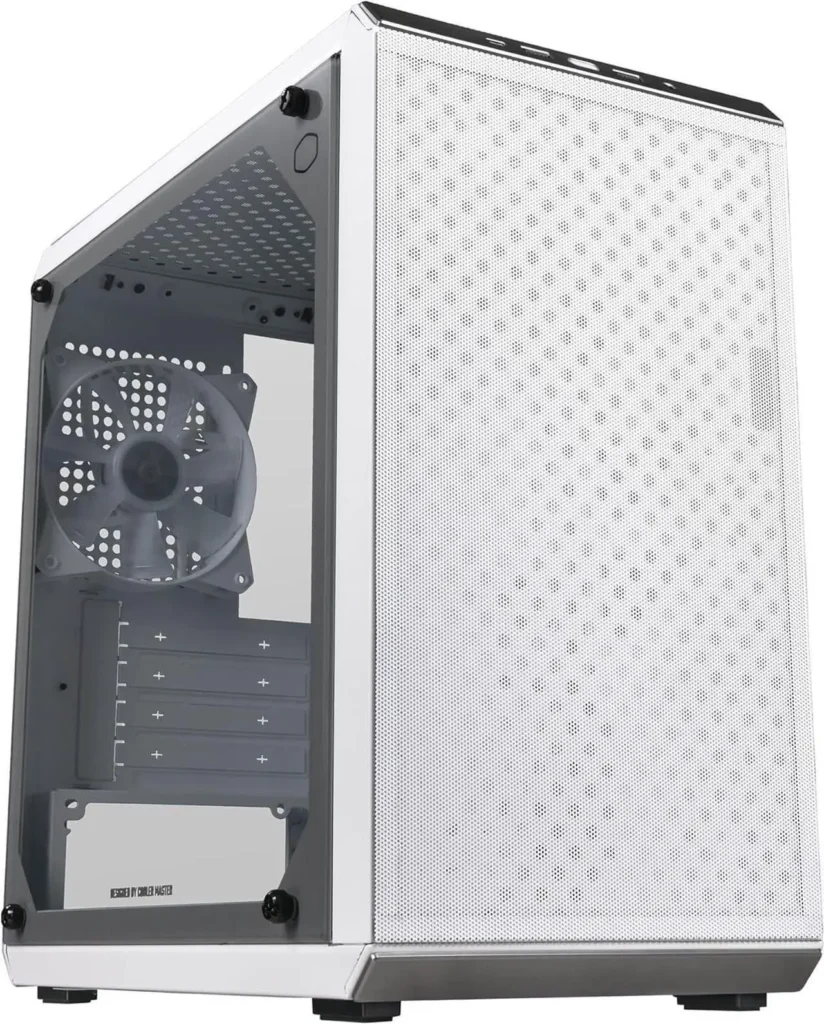
Previous Q300L V2 (~$69): cheaper, acrylic instead of glass, 159mm CPU clearance instead of 178mm, 360mm GPU clearance instead of 366mm, no 140mm rear exhaust. Buy the V3 unless the $10-$15 savings is genuinely important to your budget, the improvements justify the small premium.Q300L V2 ($69)
Who Should Buy It
You’re building a budget or mid-range Micro-ATX gaming system with a constraint on desk footprint or build budget. The 9600X plus RTX 5060 build, the Arc B580 budget build, the Ryzen 5 7600X on a clearance board, these are the systems the Q300L V3 serves correctly. Compact, clean enough to sit on a desk without looking out of place, tempered glass to show the build, ATX PSU support to skip the SFX premium, and 178mm CPU clearance that accommodates real cooling solutions.Cooler Master HAF II 500 Review
Don’t buy it for flagship hardware, for builds where airflow is critical, or if your motherboard is full ATX.
Specs
- Form factor: Micro-ATX tower
- Motherboard support: Mini-ITX, Micro-ATX
- GPU clearance: 366mm
- CPU cooler height: 178mm
- Fan support: up to 6 × 120mm (or equivalent)
- Rear fan: 140mm support
- Radiator support: 240mm front, 140mm rear
- Front I/O: USB 3.2 Gen 2 Type-C, 2 × USB 3.2 Gen 1 Type-A, audio
- PSU: ATX (max 160mm) or SFX
- Side panel: tempered glass
- Dimensions: 384 × 230 × 376mm
- Weight: 3.8kg
- Price: ~$49-$55