

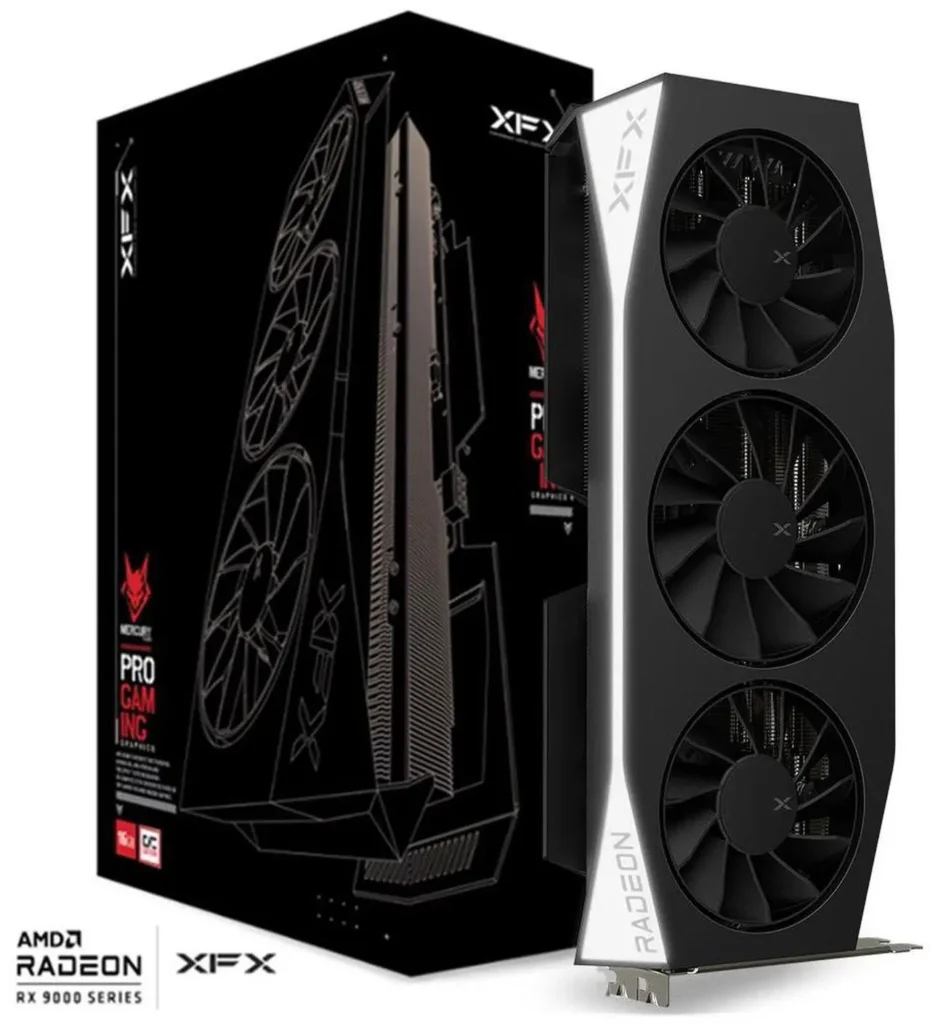
Supply-chain reporting says AMD sent notice to its AIB partners of a GPU and memory kit price increase of at least 10% starting in August. AMD has not posted a public consumer price list for the change. The timing is deliberate. AMD waited for Nvidia to move first, ending any price advantage Radeon held over GeForce. Both vendors are now aligned on higher kit costs. If you were planning to buy an AMD GPU in the next few months, here’s exactly what’s happening and what to do about it.
What Changed and Why
AMD doesn’t sell graphics cards directly to consumers. It sells GPU kits, a bundled package containing the GPU die and the GDDR6 memory, to its AIB partners: Sapphire, PowerColor, XFX, Gigabyte, ASRock. Those partners build the finished cards. The 10% increase applies to the kit, not to the entire card’s bill of materials.Should You Buy a GPU
The GPU and VRAM kit component now represents more than 80% of the bill of materials on some models. A card that currently retails for $500 could see roughly $40-$50 added to its cost before retail margin is applied. The full chain, AMD to AIB to distributor to retailer, means the increase arrives gradually rather than overnight.
The cause is the same one driving every hardware price increase in 2026. AI infrastructure demand from hyperscalers, Microsoft, Meta, Google, Amazon, is consuming GDDR6 memory supply that would otherwise go to consumer graphics cards. AMD pays more for memory. It passes that cost forward. Supply-chain reporting indicates AMD had flagged a 10-15% total H2 2026 increase, of which the August notification represents one installment. Additional increases before year-end are treated by analysts as more likely than not.
This is not idle speculation about future stickers. It is a reported wholesale kit change that partners are already treating as real for downstream retail.GPU Prices in 2026
The Current Price Reality
Before the August increase fully filters through retail, here’s where prices actually stand today, already significantly above launch MSRPs.
The RX 9060 XT 16GB launched at $349 and sits near ~$469 street in early September 2026, already well above MSRP before any August kit hike fully filters through. 8GB variants still trade in a wide band depending on stock and region.RX 9060 XT 16GB ($469)
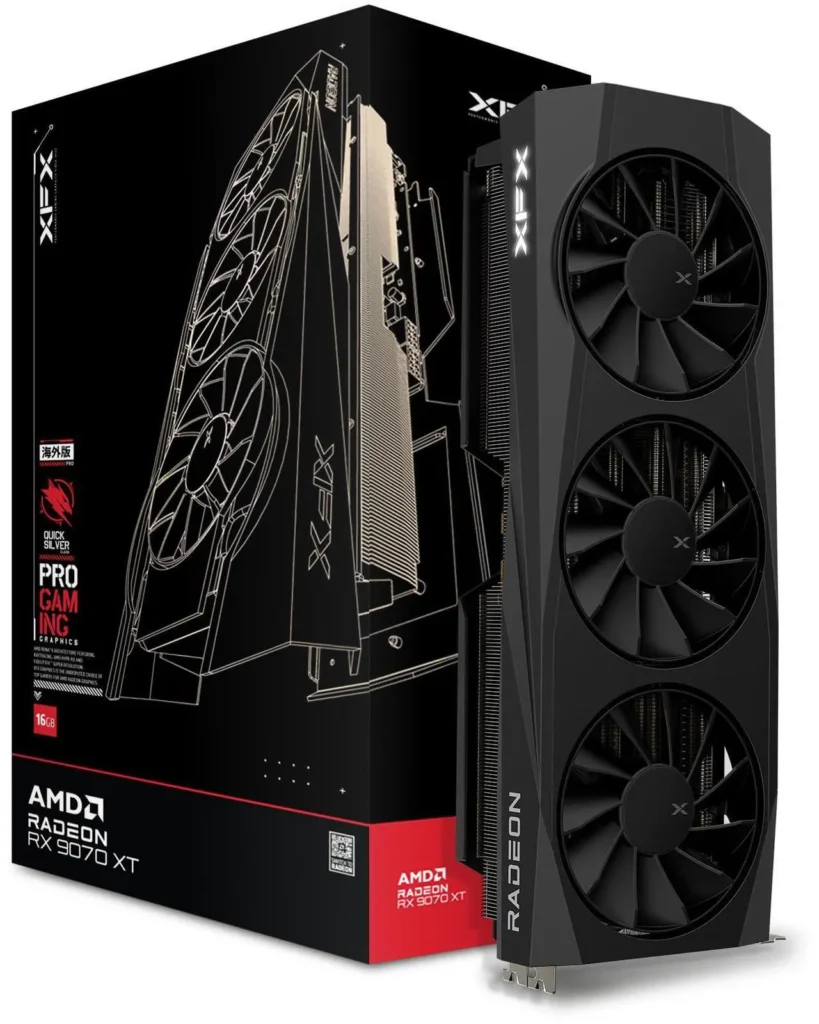
The RX 9070 XT launched at $599 and sits near ~$739 street on the SpecClear early-September baseline, already a clear premium over MSRP before later kit costs fully land. RX 9070 XT ($739)
On the Nvidia side, the RTX 5060 Ti launched at $429 but prices have climbed steadily, and the RTX 5070 Ti has been spotted at marketplace prices above $1,200. Nvidia is reportedly preparing a third round of price increases, with hikes of 20 to 30 percent expected across the GeForce RTX lineup. RTX 5060 vs RX 9060 XT
Both vendors are moving in the same direction at the same time for the same reason. This isn’t a market correction. It’s a structural supply problem with no near-term resolution.
The Inventory Buffer: The Only Window Left
There is one genuine opportunity for buyers. Cards already built and sitting in distribution were manufactured at the old cost. Those sell through at current pricing first. The inventory buffer is the only near-term opportunity for buyers who want to avoid the 10%+ increase.
How long that window lasts depends on how quickly existing stock moves. Popular mid-range cards, the RX 9070 and RX 9070 XT, have healthy demand and will sell through pre-hike inventory faster than niche configurations. The window for those is weeks, not months. Slower-moving SKUs may hold current pricing longer simply because they’re not shifting as fast. RX 9070 ($649)

The practical upshot: if you’re buying a Radeon GPU in the next 30 days and the current price works for your budget, buying now locks in pre-hike inventory pricing. Waiting 60-90 days means buying into cards built at August kit costs, with retail prices reflecting that. RX 9060 XT 16GB Best Budget GPU in 2026
What Each Card Now Costs vs What It Should
| Card | Launch MSRP | Current Street Price | Post-Hike Estimate |
|---|---|---|---|
| RX 9060 XT 8GB | $299 | ~$399-$450 | ~$440-$500 |
| RX 9060 XT 16GB | $349 | ~$469 | ~$510-$560 |
| RX 9070 | $549 | ~$649 | ~$690-$720 |
| RX 9070 XT | $599 | ~$739 | ~$780-$820 |
These post-hike estimates assume the full 10% wholesale increase filters through to retail. Reality may be messier, some retailers absorb part of the increase to stay competitive, others stack margin on top.
The Last-Generation Alternative
The most defensible option in the current market for buyers not ready to purchase immediately is a last-generation card, the Radeon RX 7800 XT, RX 7900 GRE, or Nvidia GeForce RTX 4070, built with memory that predates the current acute shortage. These cards are experiencing significantly less pricing pressure precisely because they don’t compete with AI infrastructure customers for the same memory.
An RX 7800 XT at $280-$320 used or on clearance delivers genuine 1440p gaming capability with 16GB of GDDR6 and avoids the current-generation pricing entirely. An RTX 4070 at $400-$479 used provides strong 1440p performance with DLSS 4 support, the frame generation advantage carries over to the older card. These aren’t consolation prizes. They’re hardware that wasn’t subject to the memory crisis pricing that’s hitting current-gen cards.RX 7800 XT ($707)
What to Do Right Now
If you need a GPU today and the current price fits your budget: buy the AMD card you want before the post-hike inventory arrives. Check Newegg’s current pricing, if it’s within 5-10% of the prices in the table above, you’re buying pre-hike stock.RAM Prices 2026, DDR5 Shortage Explained
If you can wait 3-6 months: don’t. There is no price relief on the horizon for current-generation Radeon cards. The August increase is the first installment of a planned 10-15% H2 2026 rise. A second round before year-end is more likely than not. Waiting longer means paying more, not less.
If your budget won’t stretch to current prices: consider last-generation cards on the used market. The RX 7800 XT, RX 7900 GRE, and RTX 4070 all represent better value than current-generation cards at inflated prices for most gaming use cases.
If you were specifically waiting for AMD to undercut Nvidia: that window has closed. Both vendors are now operating on the same elevated kit costs. The pricing advantage AMD held through most of 2025 and early 2026 is gone until memory market conditions change.