
Updated September 11, 2026
Pre-orders for Phantom Blade Zero are live on Steam, the Epic Games Store, and the PlayStation Store. Official PC system requirements landed on August 12, one day after pre-orders opened. The October 29, 2026 release date remains locked. The 11-minute story trailer is live on S-GAME’s YouTube channel.
Phantom Blade Zero has officially gone gold. S-GAME confirmed on August 6 that development is complete and the October 29, 2026 release date is locked, with no further delay signalled. Pre-orders opened August 11 at 10 PM ET with an 11-minute story trailer, and the full official PC system requirements followed on August 12. If you have been holding off on checking your hardware, the confirmed sheet is the checklist to use.
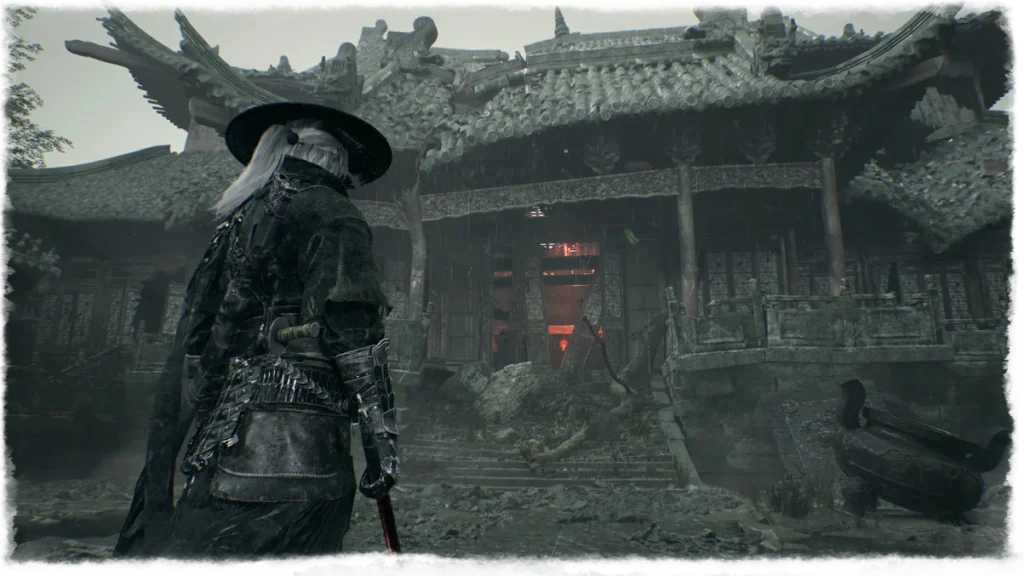
Phantom Blade Zero launches October 29, 2026 on PC and PS5 simultaneously. That is about seven weeks away from this September update. S-Game built it in Unreal Engine 5 with day-one DLSS 4 and DLSS 4.5 support, plus PC-exclusive ray-traced reflections, shadows, and caustics. It is still one of the more technically ambitious action RPGs arriving this year, and the official sheet plus comparable UE5 titles both say it will ask more of your GPU once ray tracing is on.
Here’s what’s confirmed, what the hardware picture looks like, and whether you need to upgrade before October 29.
Why the Date Changed
S-GAME originally set September 9 as a deliberate date, the 9/9 mirroring Soul’s in-fiction 66-day countdown. At a June 2026 showcase the studio revised the launch to October 29, a 50-day delay attributed to additional polish. The gone-gold confirmation on August 6 closes the loop, development is finished and the new date holds.
What the game actually is
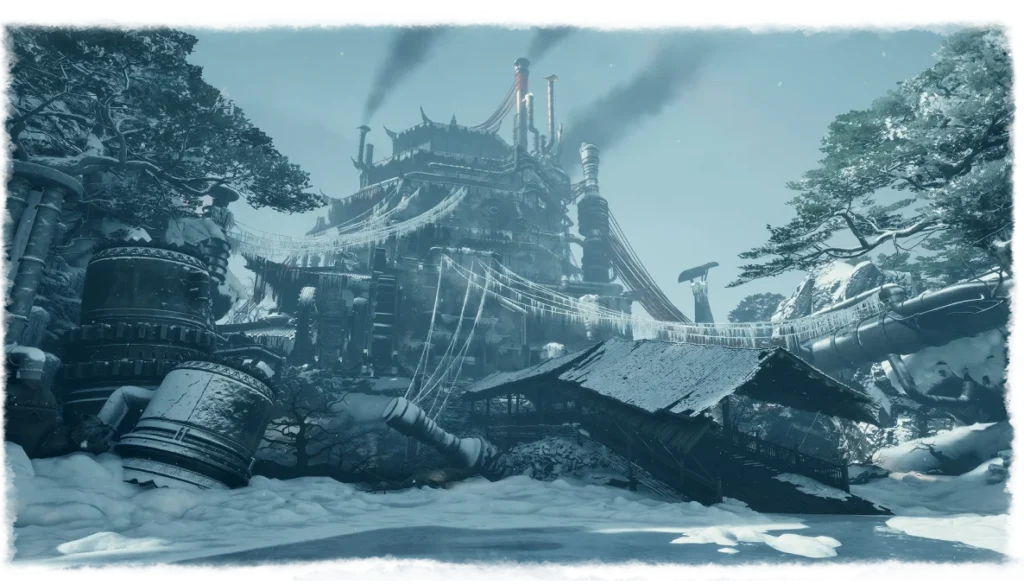
Phantom Blade Zero is a wuxia action RPG developed by S-Game, a Beijing-based studio. You play as Soul a warrior framed for the death of his master, hunted by former comrades, with 66 days left to live. The combat draws from Hong Kong martial arts cinema’s golden age with full motion capture choreography, 30+ main weapons, 20+ Phantom Edges as secondary weapons, and a parry and dodge system that triggers cinematic counters when timed correctly.RTX 5060 Ti vs RX 9060 XT
It’s not an open world. S-Game chose a semi-open structure with interconnected regions closer to the Souls series in layout than Black Myth: Wukong’s broader traversal design. Four difficulty modes including an Easy option for players who want the story without the mechanical precision requirement. Boss phase checkpoints if you die in phase two you restart there, not at phase one’s beginning. Boss Rush mode for replay value after completion.
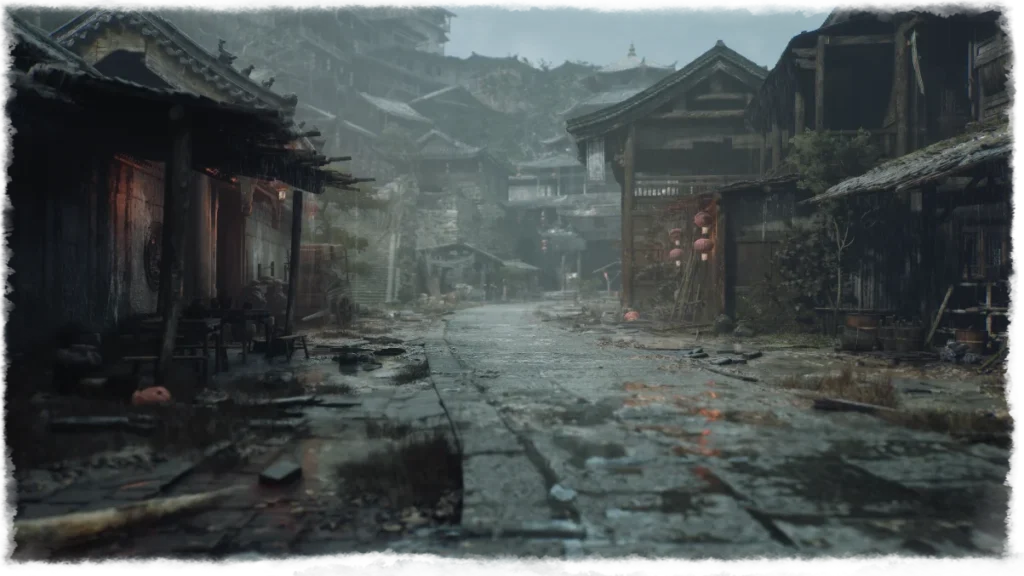
The visual ambition is what concerns hardware. UE5’s Nanite virtualized geometry and Lumen global illumination are the foundation, with S-Game adding ray-traced reflections, shadows, and caustics on top. Nvidia confirmed DLSS 4 Multi Frame Generation at day-one launch with DLSS 4.5 support also confirmed. This is a title that rewards GPU headroom.
What’s confirmed about PC features
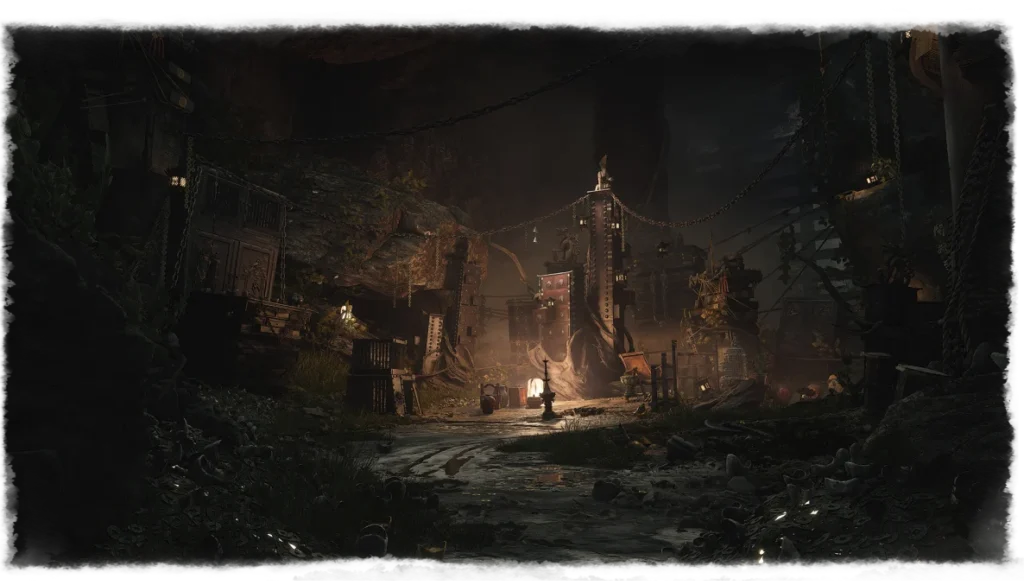
Day-one DLSS 4 with Multi Frame Generation confirmed by Nvidia at CES 2026. DLSS 4.5 support also confirmed for launch. Ray-traced reflections, ray-traced shadows, and ray-traced caustics are PC-exclusive graphical enhancements. Steam and Epic Games Store simultaneous release. No console exclusivity window PC players are not waiting.
Official system requirements are live as of August 12, 2026. Minimum is Windows 10/11 64-bit, Intel Core i7-8700K or AMD Ryzen 5 3600, GTX 1660 6GB or RX 5500 XT 8GB, 16GB RAM, and an SSD for 1080p/30 with upscaling. Recommended is Core i5-10600K or Ryzen 5 5600X with RTX 3060 Ti 8GB or RX 6700 XT 12GB for 1440p/60 with upscaling. S-GAME also published a ray-tracing recommended path (RTX 5060 8GB for 1080p/60 with upscaling) and a path-tracing recommended path (RTX 5080 16GB for 2160p/60 with upscaling). The estimates below still use Black Myth: Wukong, Lies of P, and DOOM: The Dark Ages as secondary references for what those tiers feel like in practice.
What UE5 action RPGs actually demand
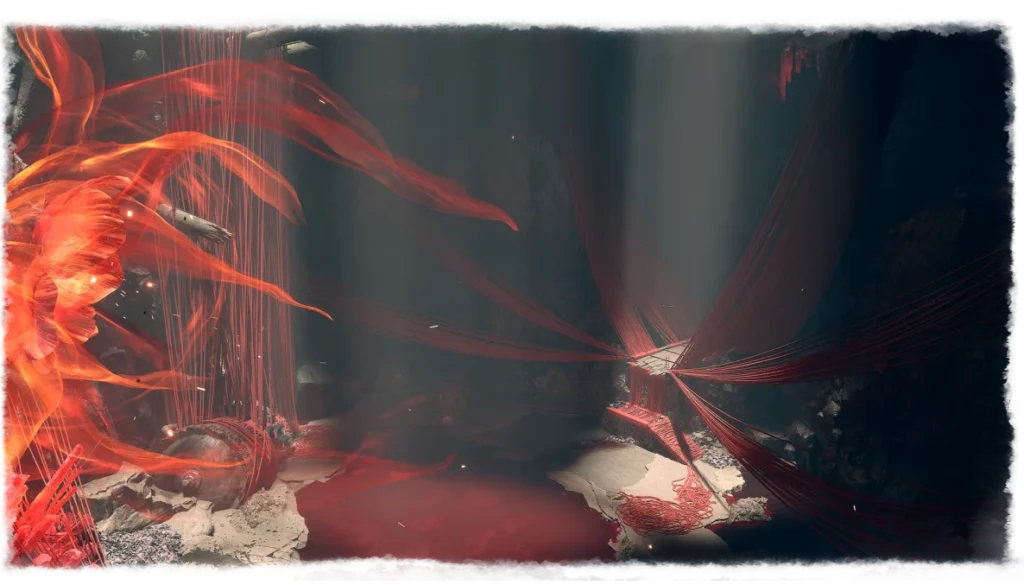
Black Myth: Wukong is the most relevant comparison. It’s a UE5 action title with similar combat density and comparable visual ambition, and it provided a clear picture of what Unreal Engine 5 asks of consumer hardware in a linear-to-semi-open structure.
At 1080p high settings without upscaling, a mid-range GPU like the RTX 5060 Ti or RX 9060 XT averages around 80–100 FPS in Black Myth depending on the scene. With DLSS 4 Quality mode active, those same cards push 120–144+ FPS at equivalent visual quality. 8GB VRAM cards show memory pressure in the most demanding scenes at 1080p ultra texture setting the 16GB versions of those same cards avoid that issue entirely.
At 1440p the picture shifts. High-to-ultra settings in Black Myth ask for a mid-to-high-range GPU to maintain 60+ FPS without upscaling. With DLSS 4 Quality mode, cards like the RTX 5070 or RX 9070 handle 1440p comfortably above 100 FPS average in most scenes.DLSS 4.5 Ray Reconstruction
Phantom Blade Zero’s semi-open world structure is less GPU-intensive during traversal than Black Myth’s most demanding outdoor areas but the combat rendering fast parry-counter animations, multiple light sources, ray-traced caustics during martial arts sequences creates demanding GPU spikes during fights. S-Game’s decision to include ray-traced caustics specifically is notable: caustics are among the most computationally expensive ray tracing effects and their presence at any setting will define which GPU tiers handle ray tracing gracefully.
Hardware recommendations by target
These are practical targets layered on top of the official sheet. Match the confirmed minimums and recommendeds first, then use street pricing below if you are shopping for headroom.
1080p: smooth 60+ FPS at high settings with DLSS 4 Quality:
The RTX 5060 Ti 16GB or RX 9060 XT 16GB around $449–$490 street is the correct modern tier for comfortable 1080p headroom above the official minimum. Both cards handle UE5 at 1080p high settings well with upscaling active. The 16GB VRAM specification matters specifically for UE5 at maximum texture settings 8GB cards risk memfory pressure in the most demanding scenes. If you’re on a 144Hz panel and want to use Multi Frame Generation, the RTX 5060 Ti’s DLSS 4 MFG support is a meaningful advantage at this resolution.PCIe 5 vs PCIe 4 NVMe SSD for Gaming
1440p: smooth 100+ FPS at high settings with DLSS 4 Quality:
The RTX 5070 at ~$799 street or RX 9070 XT at ~$739 street. Both handle 1440p UE5 comfortably with upscaling. The RTX 5070 has the DLSS 4 MFG advantage for high refresh rate gaming. The RX 9070 XT has better raster performance and 16GB GDDR6. For Phantom Blade Zero specifically, where ray-traced caustics are a day-one feature, the RTX 5070’s stronger RT performance is more directly relevant than in a raster-only title.
1440p with ray tracing enabled: targeting 80+ FPS native or 120+ with MFG:
The RTX 5070 Ti at ~$1,100 street is the correct tier for RT-enabled 1440p gaming. Ray-traced caustics at 1440p in a demanding action RPG will stress mid-range cards even with upscaling the 5070 Ti’s additional shader headroom and GDDR7 bandwidth handle the RT workload more gracefully.
4K with DLSS 4 Quality and high settings:
RTX 5080 at ~$1,579 street matches S-GAME’s path-tracing recommendation for 4K/60 with upscaling; an RTX 5090 is overkill unless you want maximum path-tracing headroom. 4K UE5 with ray tracing is an ambitious target even for high-end hardware in 2026.
What We Now Know About the PC Version
S-GAME has confirmed several PC-specific details ahead of the August 11 requirements reveal. The game deliberately skips Unreal Engine 5’s Lumen global illumination and Nanite virtualised geometry, a decision made specifically to target Steam Deck hardware compatibility. This is significant for PC builders: most demanding UE5 titles like Alan Wake 2 and Black Myth: Wukong push high-end hardware hard precisely because of Lumen. Phantom Blade Zero’s minimum requirements should be considerably more accessible than those titles as a result.
Day-one PC features confirmed:
- DLSS 4 with Multi Frame Generation: the full RTX 50 series frame multiplication stack from launch
- FSR 4: AMD upscaling support at launch
- PC-exclusive ray tracing: ray-traced effects not present on PS5
- Full ultrawide support confirmed
The ray tracing implementation will raise requirements significantly when enabled, as it does in every title that offers it. The base rasterisation performance without ray tracing is the more relevant figure for most builders.
RAM and storage
16GB is the safe minimum for a UE5 action RPG in 2026. 32GB is the correct specification for a new build UE5 titles are increasingly using system RAM for shader compilation and asset streaming alongside GPU VRAM, and the 32GB headroom prevents hitching during asset loads.
Storage estimate: approximately 50GB based on comparable UE5 action RPGs, though S-Game hasn’t confirmed the installation size. An NVMe SSD is effectively required for UE5 titles the DirectStorage-optimised asset streaming in modern UE5 builds shows measurable stuttering on SATA SSDs and HDD installations.
The DLSS and FSR question
DLSS 4 Multi Frame Generation is confirmed for day one. For RTX 50 and 40 series owners this is a significant frame rate multiplier in demanding scenes. FSR 4 is now confirmed for day one alongside DLSS 4. AMD GPU owners have a supported upscaling path at launch rather than waiting for a late patch.
Should you upgrade for Phantom Blade Zero?
The official minimum lands on GTX 1660 / RX 5500 XT class hardware for 1080p/30 with upscaling, which matches the Steam Deck accessibility pitch. Recommended for 1440p/60 with upscaling is RTX 3060 Ti / RX 6700 XT. Ray tracing at 1080p/60 points at an RTX 5060 8GB, and path tracing at 4K/60 points at an RTX 5080.
If you are already on an RTX 5060 Ti, RX 9060 XT (~$469), or stronger, you are in good shape for 1080p to 1440p at launch depending on whether you enable ray tracing. Do not buy a GPU solely for this title if your current card already clears the official recommended sheet.
October 29 is still the real test. Specs are confirmed; launch-day benchmarks will decide how accurate the recommended tiers feel with ray tracing and path tracing enabled.
What to Do Right Now
Pre-orders are already open. Check your hardware against the August 12 official figures, then decide whether to pre-order or wait for reviews. This page will take launch-day PC benchmarks once they land.
October 29, 2026. It’s locked.