Best Used GPUs to Buy in 2026 — When the New Card Isn’t Worth It

Both Nvidia and AMD raised GPU kit prices this year. Current-generation cards are selling 20-50% above their launch MSRPs. The RX 9060 XT launched at $299 and is currently $400-$550. The RTX 5060 launched at $299 and sits at $369-$609 on a good day. The RTX 5070 Ti has been spotted above $1,200 at marketplace prices.AMD GPU Price Hike August 2026

In this environment, the used market isn’t a consolation prize. It’s a genuine alternative that, for specific cards at specific price points, produces better performance per dollar than anything new you can buy.

This article covers exactly which used GPUs are worth buying, what to pay for them, where to find them, and how to avoid buying someone else’s problem.

Why the Used Market Makes More Sense in 2026 Than It Did in 2023

The previous reason to avoid used GPUs was simple. In 2022-2023, used prices were elevated because of the crypto mining boom — sellers knew their cards were in demand and priced accordingly. The gap between used and new was small, and new cards came with warranties.

That dynamic has reversed. New current-generation cards are the inflated ones. Used last-generation cards — the RTX 30 series, RX 6000 series — were manufactured before the AI-driven DRAM shortage, built with memory bought at pre-crisis prices, and are now selling on the secondary market without the supply chain premium that’s inflating current-gen retail prices.

The VRAM situation specifically favours certain used cards in 2026. The RTX 5060 at $329+ gives you 8GB of fast GDDR7. An RX 6800 XT at $240-$340 used gives you 16GB of GDDR6. In modern titles at 1440p with demanding settings, 16GB of older-generation memory often performs better in practice than 8GB of newer memory — because VRAM ceiling hits are more damaging to frame rates than raw throughput differences.

The Cards Worth Buying — By Budget

Under $200: RX 6600 XT (~$130-$150 used)

The RX 6600 XT is the 1080p budget answer. Under $150 used on eBay or Facebook Marketplace it crushes 1080p at high-to-ultra settings in every modern title. Power draw is low enough for budget PSUs — 160W TDP. Eight gigabytes of GDDR6 is comfortable for 1080p gaming in 2026 — the VRAM ceiling shows at 1440p but at 1080p high settings you’ll rarely touch it.

The alternative in this price range is the RTX 3070 at around $200 used — significantly more powerful, handles 1440p, 8GB VRAM. If you can stretch to $200 the RTX 3070 is the better buy. Below $200 and specifically at 1080p the 6600 XT is the price-to-performance champion.GPU Prices in 2026 

Don’t buy an RTX 3060 8GB in this tier. The 3060 12GB at similar money is substantially better because of the VRAM difference, and the 6600 XT beats the standard 3060 at 1080p rasterisation while costing less.

$200-$300: RTX 3070 (~$200) or RX 6800 XT (~$795-$895)

Two genuinely strong options at this tier that serve different use cases.

The RTX 3070 at around $200 used handles 1440p comfortably in most current titles. Eight gigabytes of VRAM is its limitation — in the most demanding 1440p titles with maximum settings it can brush the ceiling. At medium-high settings at 1440p it doesn’t come close. Strong DLSS 2 support, NVENC encoder for streaming, proven reliability record. The right card if DLSS support and Nvidia’s ecosystem matters to you.

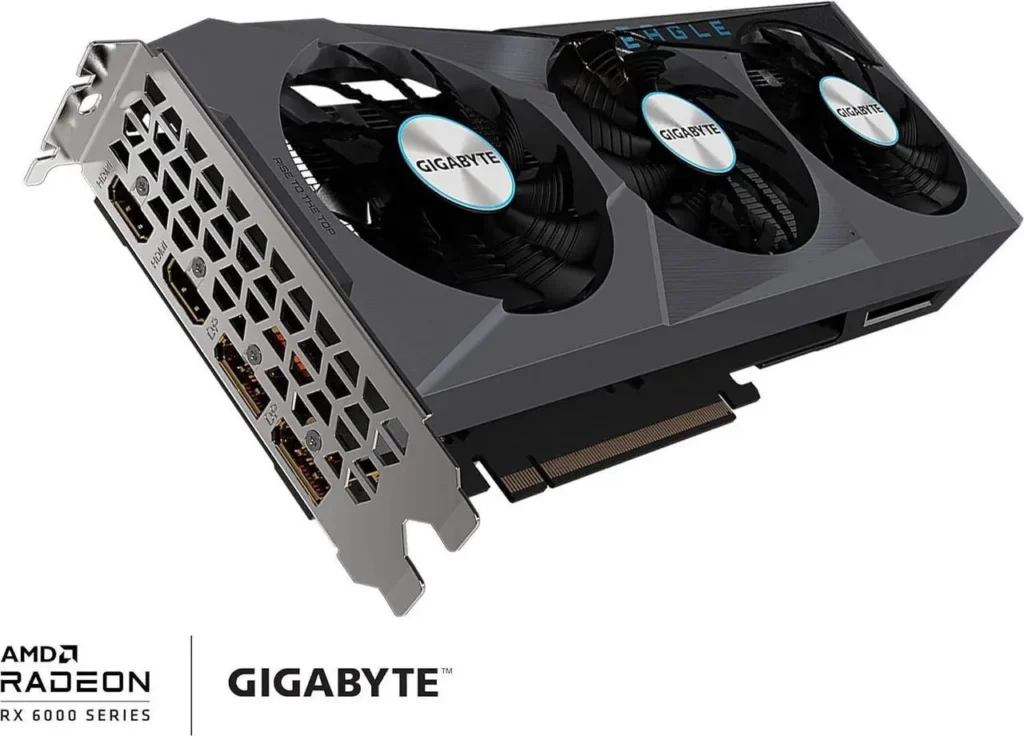
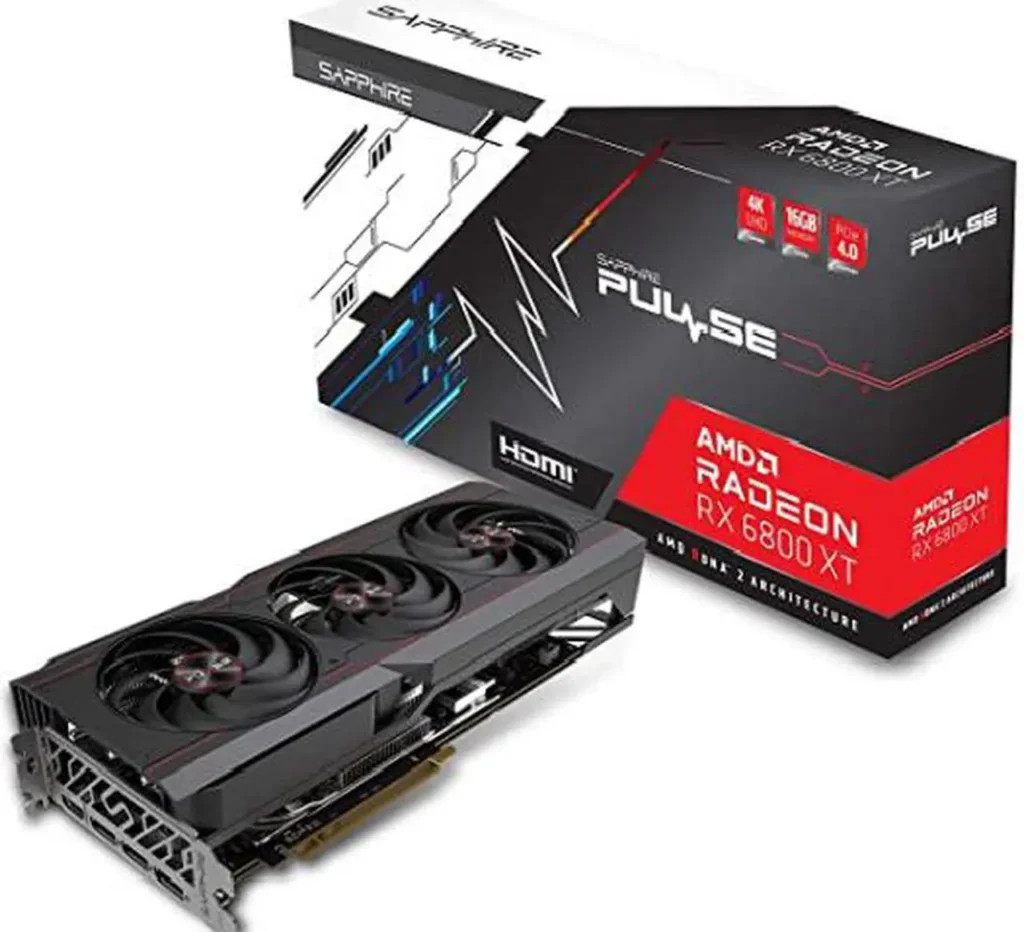
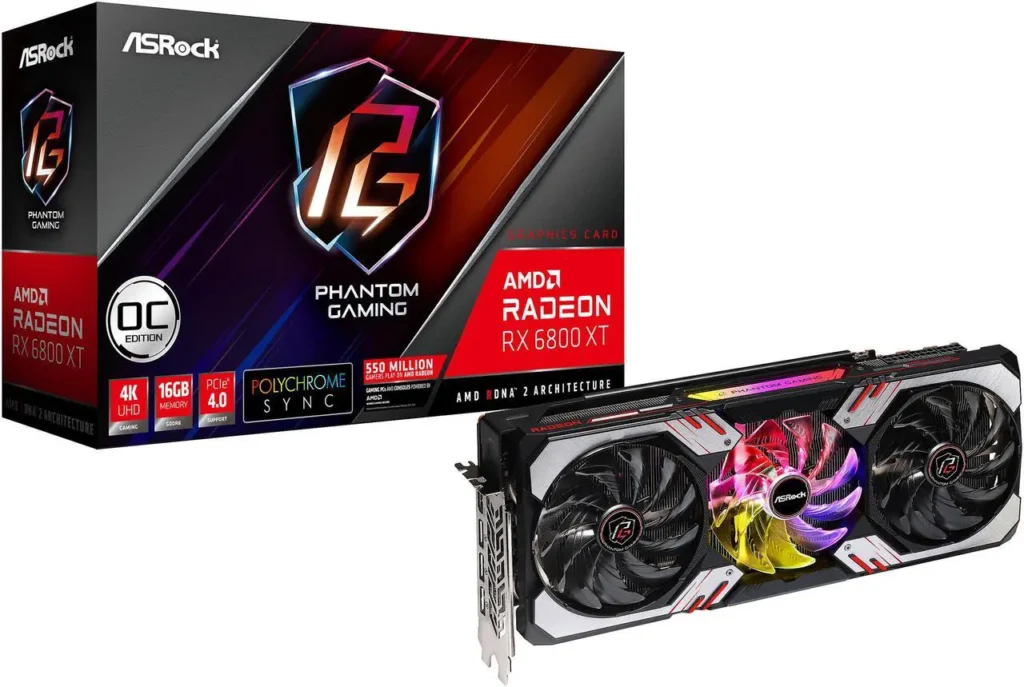
The RX 6800 XT at $240-$340 trades blows with the RTX 3080 in raw rasterisation performance and has 16GB of GDDR6. In GPU-limited scenarios at 1440p ultra settings the 16GB headroom keeps the 6800 XT competitive where the 3070 starts to struggle. No DLSS — FSR 2 is available and works well, but it’s not DLSS 4. Ray tracing performance is significantly behind Nvidia’s equivalent offerings. The right card if you primarily game in rasterisation-heavy titles and want VRAM insurance for 1440p.Should You Buy a GPU July 2026

The honest comparison: for most 1440p gaming in 2026 the 6800 XT and RTX 3070 perform similarly. The 6800 XT wins in VRAM-heavy scenarios. The RTX 3070 wins in ray-traced titles and with DLSS. Price the two on your local market on the same day and buy whichever is genuinely cheaper.

$300-$450: RTX 3080 (~$1.095) or RX 6800 XT 16GB (~$895)

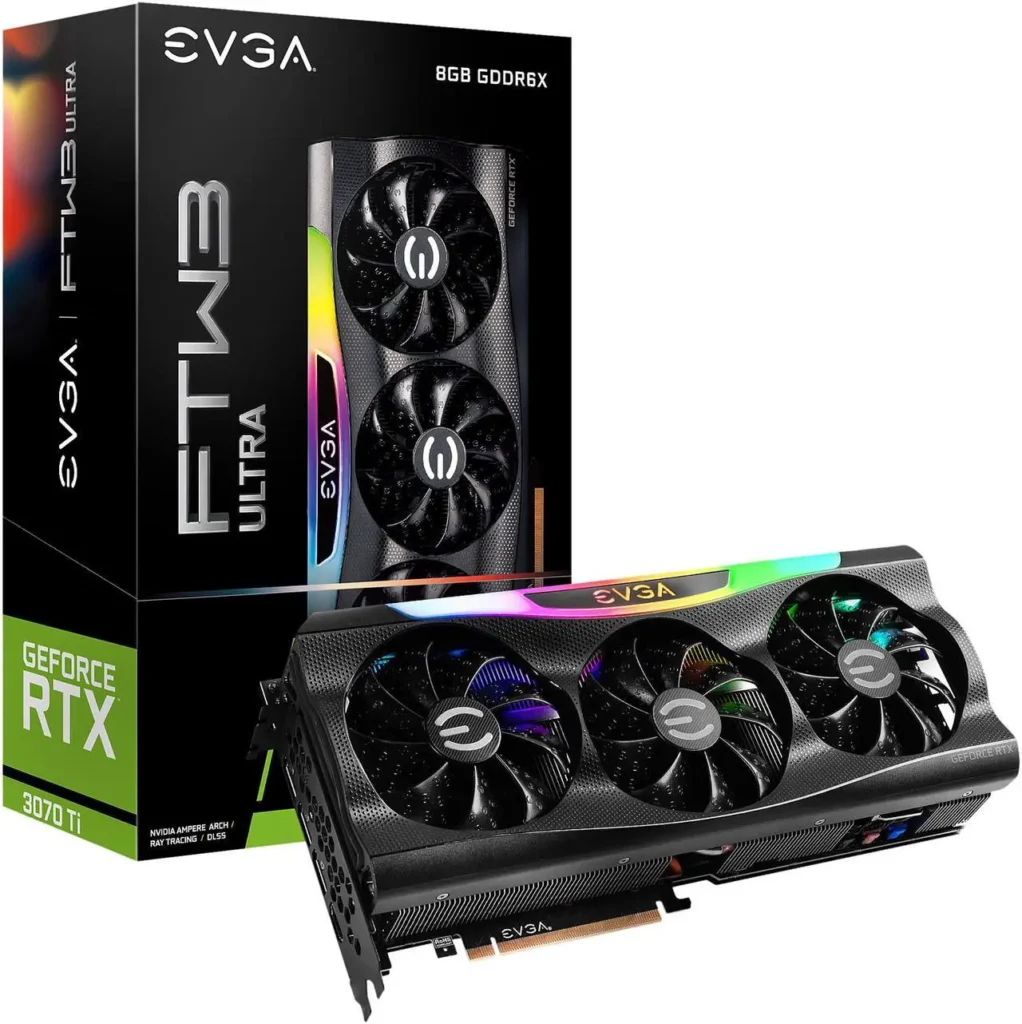
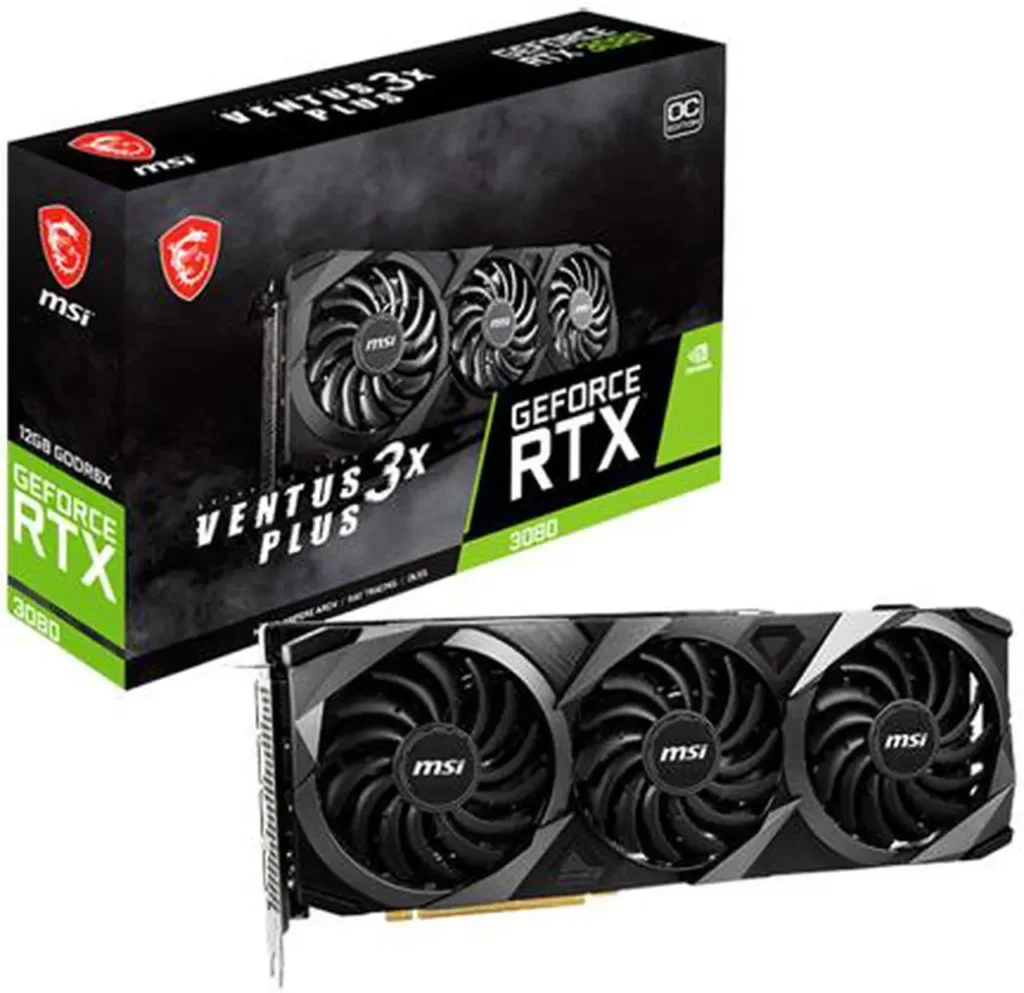
The RTX 3080 10GB is the used GPU that most serious 1440p builders end up at. Strong in rasterisation, excellent ray tracing performance for its tier, DLSS 2 support, proven NVENC encoder, and a performance level that was the mainstream 4K card at launch. At 1440p in 2026 it handles everything at high-ultra settings. At 4K it manages medium-high settings in demanding titles and high-ultra in less demanding ones.

The 10GB VRAM is the limitation. In the most demanding current titles at 4K ultra, 10GB shows strain — stuttering and VRAM overflow rather than simple frame rate drops. For 1440p gaming, 10GB is fine in 2026 and will be fine for another 2-3 years at that resolution. For 4K ambitions, the RTX 3080 12GB at $380-$450 used is worth the extra $80 — the additional 2GB specifically addresses the 4K overflow issue.

Buy an RTX 3080 if: the price is clearly below $380 for the 10GB version, the card is clean and from a non-miner seller, and you’re primarily gaming at 1440p. Don’t overpay for it — sellers who price 3080s at $420-$450 are pricing them too close to the used RTX 4070 at $479 to justify choosing the older card.

$450-$550: RTX 4070 (~$479 used) or RX 7900 GRE (~$484 used)

This is where last-generation used cards meet older current-generation used cards. The RTX 4070 and RX 7900 GRE are both available used at around $480, and both are significantly more capable than the RTX 3080 at similar money.How to Monitor GPU and CPU Temperatures 

The RTX 4070 is the stronger 1440p and moderate 4K card. DLSS 4 works on it via driver update. Excellent efficiency — 200W TDP versus the 3080’s 320W. Strong NVENC encoder. The right used card if you want the full current-gen software ecosystem without the current-gen price premium.

The RX 7900 GRE at ~$484 used has 16GB of GDDR6 and strong rasterisation performance — ahead of the RTX 4070 in GPU-limited rasterisation scenarios by roughly 10-15%. FSR 4 is available. Ray tracing is behind the 4070. The right card if rasterisation performance at 1440p is the priority and Nvidia’s software ecosystem isn’t essential.

At this price range you’re genuinely comparing used current-generation hardware with pre-shortage pricing against used last-generation hardware, and the value proposition is compelling on both sides. Neither is a compromise.

What Not to Buy

RTX 3090 for gaming: 24GB of VRAM and exceptional bandwidth — but it costs $700+ used, it’s power-hungry at 350W, and nothing in the $700 used range competes better than just buying an RX 9070 new. The RTX 3090 makes sense for local AI inference and fine-tuning workloads where 24GB VRAM is specifically needed. For gaming, buy the 3080 and spend the $300+ difference elsewhere. RX 9070 ($669)

RTX 3060 8GB: Eight gigabytes of VRAM at 1440p in 2026 is uncomfortable, and the 3060’s performance ceiling is below the 6600 XT’s at 1080p for more money. Skip it. The RTX 3060 12GB at similar used pricing is dramatically better.RTX 5060 vs RX 9060 XT 

Any card priced within 15% of its new equivalent: The value case for used GPUs disappears when the price gap closes. A used RTX 4060 Ti 8GB at $330 versus a new one at $380 is a $50 saving for an unknown usage history and no warranty. The used market earns its value at 30%+ below new pricing. RTX 4060 Ti 8GB ($422)

Current-generation cards on the used market: Don’t buy used RTX 5060 or RX 9060 XT cards. They’re current generation, the supply is limited, and anyone selling one is pricing them at or near new retail to take advantage of that. There’s no value premium in buying current-gen used.

How to Buy Used GPUs Without Getting Burned

Used GPU purchasing has specific risks that new hardware doesn’t. Here’s how to manage them.

Mining history matters less than it used to. The crypto mining boom that drove cards hard in 2021-2022 is several years behind us. Cards that were mined have now been sitting idle or in gaming rigs for years. The bigger risk in 2026 is cards that have been improperly stored, dropped, or had cooling components fail due to dust and age.

Run a VRAM test before committing. VRAM failure is the most common used GPU issue and is not repairable. Run OCCT’s VRAM test for 10+ minutes. Bad VRAM shows as coloured dots, lines, or patterns during the test. If the seller won’t let you test it or ship it with return rights, don’t buy it.

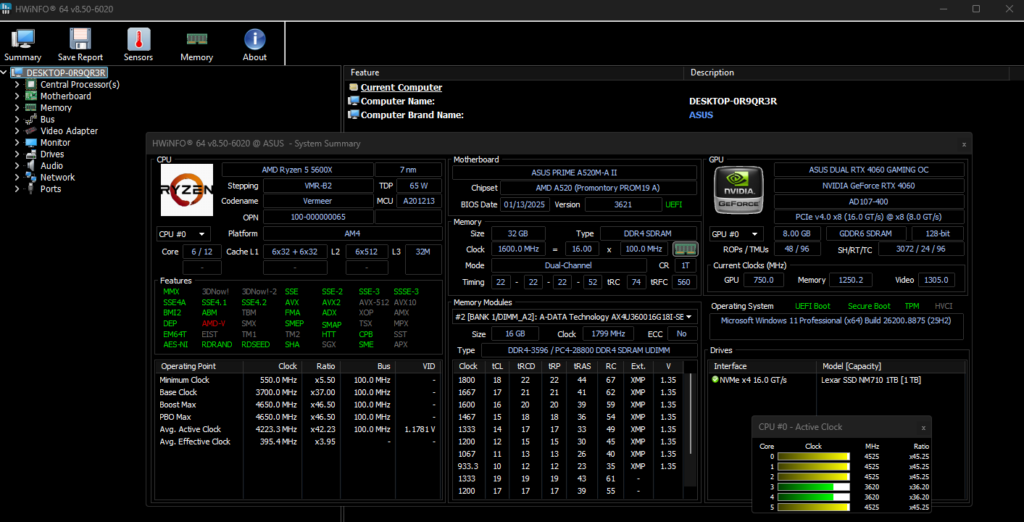
Run a stress test. FurMark or 3DMark Time Spy for 15-20 minutes. Monitor with HWiNFO64. A healthy GPU should stay under 85°C on the GPU die with stock cooling. Anything running hotter consistently has either a thermal paste problem or a cooling fan issue — both fixable, but factor the fix into your offer price.

Buy on eBay with buyer protection, not Facebook Marketplace without it. eBay’s money-back guarantee covers “not as described” returns including hardware failures that appear within 30 days. Facebook Marketplace has no buyer protection. If you pay cash at a meetup and the card dies the next day, you have no recourse. Pay the eBay premium for the protection.How to Stress Test Your PC 

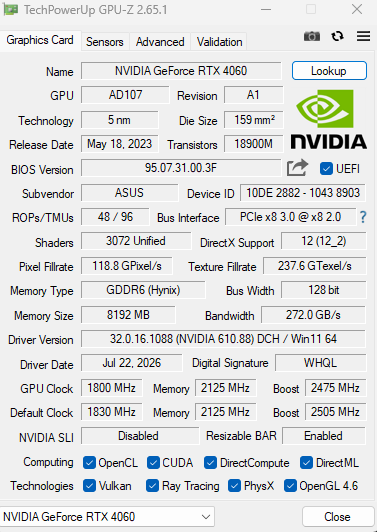
Check GPU-Z before finalising. GPU-Z shows the card’s actual specs versus what was advertised, flags whether memory is the correct type and quantity, and reveals if the BIOS has been modified. A card advertised as an RTX 3080 with GPU-Z reporting RTX 3070 specs has been rebadged — a known scam on secondary markets.

The Current Sweet Spots

At today’s used market prices and against today’s new GPU retail pricing, three used cards represent the strongest value:

RX 6800 XT at $429-$600: 16GB VRAM, strong 1440p rasterisation performance, manufactured before the DRAM crisis. The VRAM advantage over anything new in its price range is real and persistent.

RTX 3080 10GB at $679-$736: The best DLSS-capable used card under $400. Strong 1440p performance, proven hardware, widely available. Buy it clean from a non-miner at $679-$736 and the value is hard to argue with.

RTX 4070 at $460-$534: Used current-generation hardware at 15-20% below new retail. DLSS 4 via driver update, excellent efficiency, strong 1440p and moderate 4K performance. The right card if you want the software ecosystem without the current-gen supply crisis pricing.

Leave a Comment

Your email address will not be published. Required fields are marked *

Scroll to Top