
SpecClear earns a commission if you buy through Newegg links on this page, at no extra cost to you.
8GB VRAM used to be the default mainstream answer. In September 2026 it is the question that keeps eating your cart.
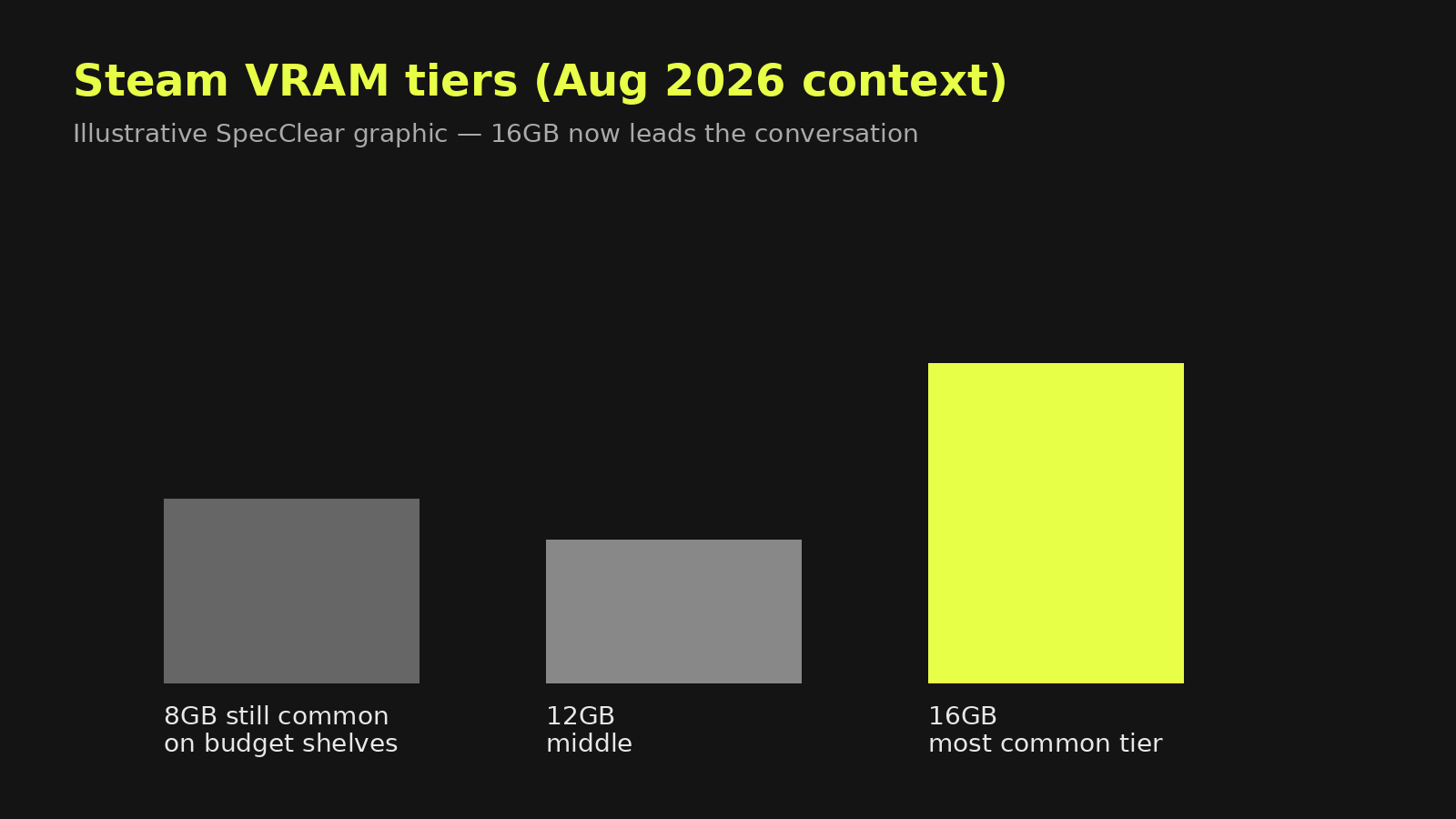
Steam’s August survey put 16GB as the most common VRAM tier in the installed base. Budget shelves still shove 8GB cards at you because memory is expensive and partners love the SKU that ships. Those two facts fight each other every time you open Newegg.
The important answer to this is a little bit complex and highly dependent on what gaming looks like to you. If you are a casual gamer who prefers older game titles or emulation of older consoles, then yes, 8GB of VRAM would be enough. But if you are an avid gamer who spends most of the time playing the latest AAA titles at eye-blistering FPS rates and mind-melting quality settings at 1440p or higher, then the reality is that 8GB will not suffice.
Last verified: September 16, 2026. Street bands below are Newegg-class buy buttons and August median reporting, not MSRP slides. Re-check live prices before you click buy.
Short answer, then the receipts
Yes for 1080p medium / competitive play when your titles stay light on textures and you are not stacking RT + max packs.
No for 1440p ultra, heavy RT, or a multi-year keep plan on a new card. The buffer fails before the core count does.
That is the whole article. Everything below is how the market taxes people who ignore it.
Why Steam flipped the VRAM chart
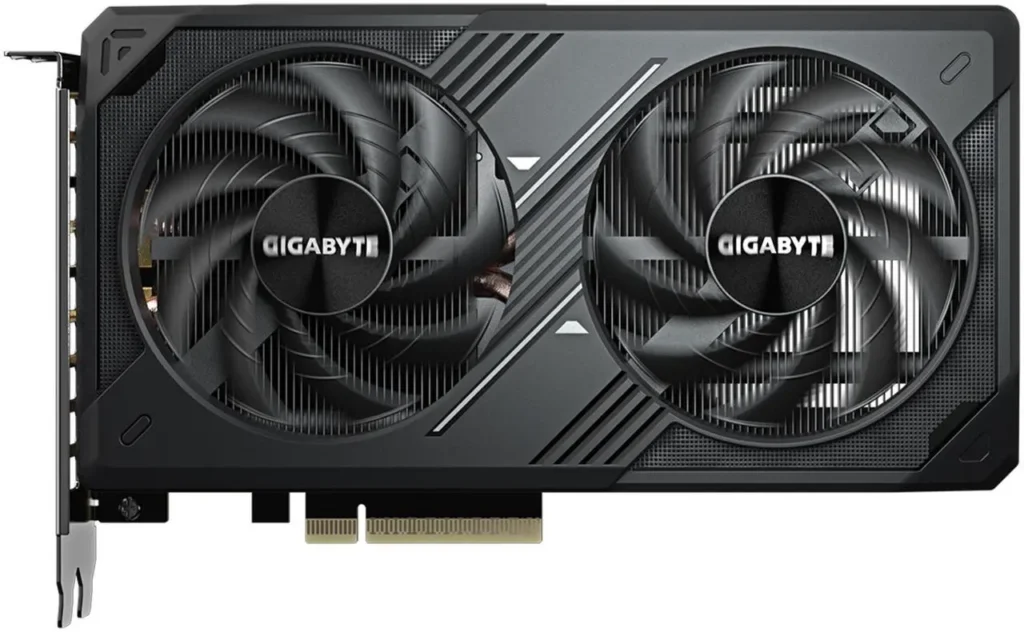
Installed base is not a buy guide. It is a reality check.
When 16GB becomes the most common tier, you are no longer the clever early adopter for wanting more memory. You are joining what Steam already measures. SpecClear already covered the survey news angle in Steam Hardware Survey July 2026. This page is the purchase decision that survey quietly forces.
RTX 3060 still sitting near the top of single-card charts does not save the 8GB story either. Plenty of those installs are older machines that never left 1080p. New money in 2026 should not copy 2021 shopping habits just because a 12GB Ampere card is still popular in the survey pie.
RTX 50 series holding roughly 18% discrete share while the RTX 5070 leads desktop growth tells you where spend is going. AMD’s RX 9070 XT leading that brand’s desktop slice says the same thing from the other aisle: people who can stretch buy capacity with the chip.
What 8GB actually feels like in 2026 games
Average FPS charts lie about VRAM. Hitching does not.
At 1080p on medium or carefully tuned high, an 8GB card often looks fine in a 30-second benchmark. Drop into a texture-heavy open world, crank ultra, enable fat RT, or jump to 1440p, and the stutter arrives as random hitching that usage graphs do not explain cleanly.
Controlled same-GPU tests on the RTX 5060 Ti 8GB versus RTX 5060 Ti 16GB make the split boringly clear. Same silicon family. Same raster ceiling on paper. Different buffer. 1080p medium stays in the OK zone on 8GB. Ultra, RT stacks, and 1440p are where the 8GB version starts paying you in hitch frames the 16GB card simply does not invoice.
That is not a future-proofing sermon. It is present-tense ownership in 2026 titles.
Street prices: why 8GB keeps winning the shelf

Memory cost is doing the product planning now.
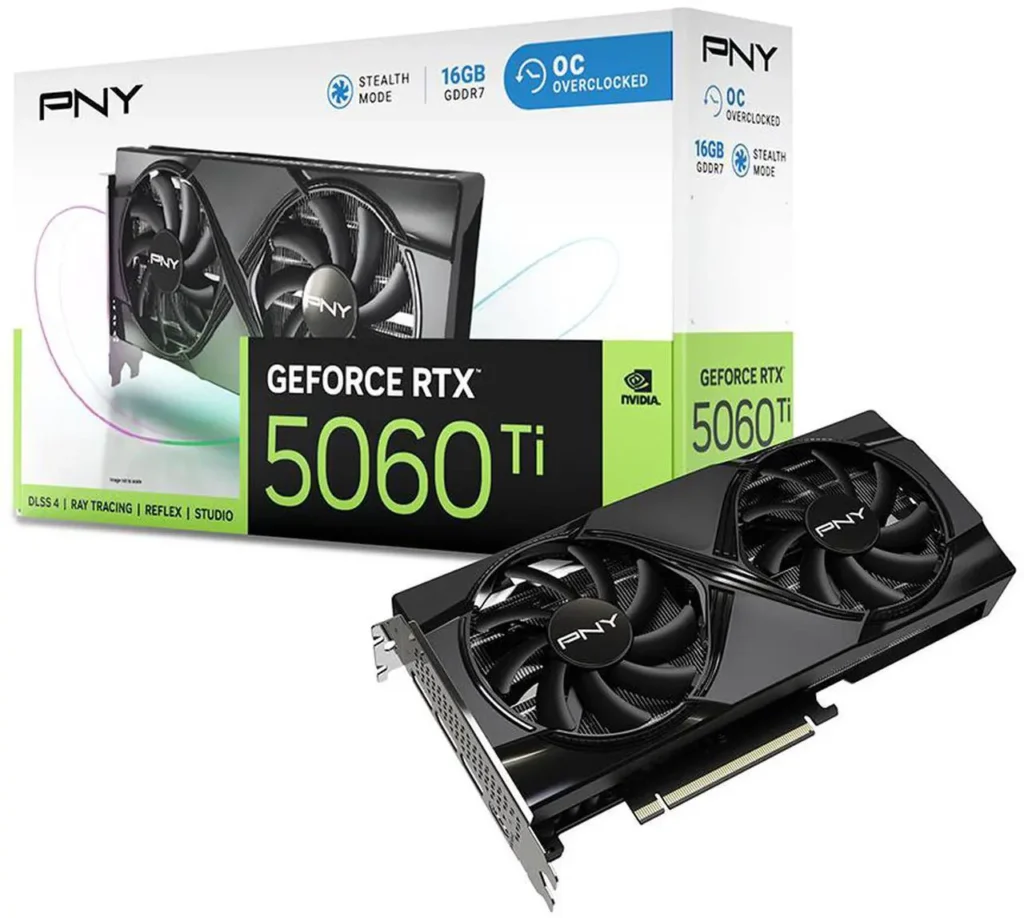
Partners can still land an RTX 5060 8GB on deal weeks near the mid-$300s, with everyday Newegg boards often closer to the mid-$400s (August Newegg median near ~$470). The RTX 5060 Ti 8GB commonly sits ~$450-$530. The 16GB Ti that should have been the obvious step has been smashed into the high $700s and $800s on Newegg, with August medians near ~$805 after a $429 launch sticker.
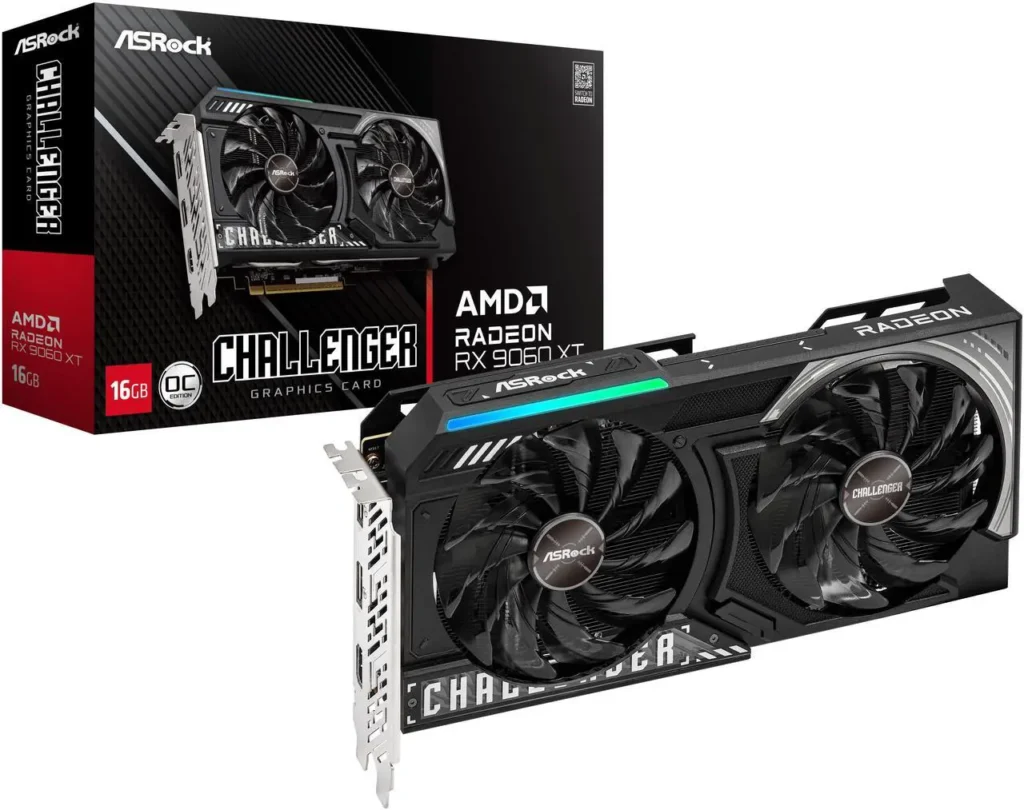
AMD’s split is less insane, and that matters for your wallet. An RX 9060 XT 8GB still floats in a wide ~$420-$550 band depending on partner and stock. The RX 9060 XT 16GB often lands ~$470-$530 for Challenger / Dual-class boards. That is why AMD keeps spoiling Nvidia’s 8GB sales pitch in this bracket.
Intel’s Arc B580 12GB near ~$330 remains the cheap VRAM oddball if you accept driver babysitting on older titles. Twelve gigs for barely over three hundred dollars is the joke the 8GB aisle does not want you to hear.
| Card | Typical Sep 2026 street band | VRAM | 8GB verdict |
|---|---|---|---|
| RTX 5060 | ~$350-$470 | 8GB GDDR7 | 1080p / DLSS 4 niche |
| RTX 5060 Ti 8GB | ~$450-$530 | 8GB GDDR7 | Same trap, more cores |
| RTX 5060 Ti 16GB | ~$780-$900+ | 16GB GDDR7 | Capacity wins; price often absurd |
| RX 9060 XT 8GB | ~$420-$550 | 8GB GDDR6 | Fast raster, same ceiling |
| RX 9060 XT 16GB | ~$470-$530 | 16GB GDDR6 | Best default in this fight |
| Arc B580 | ~$330 | 12GB GDDR6 | Budget VRAM escape hatch |
Buyer matrix (stop arguing in the abstract)
Stay on 8GB if:
- You are locked to 1080p
- Your weekly games are competitive / esports-first
- You turn settings down when hitching starts and you do not care
- You are buying used and the sold price is honestly cheap (see best used GPUs 2026)
Leave 8GB if:
- 1440p is the monitor you already own
- Ultra textures and RT are part of how you play, not a screenshot hobby
- You want this card through 2027-2028 without another GPU tax
- The 16GB option is within ~$50-$100 of the 8GB listing you were about to force
Hard limit: do not buy a new 8GB card for a 1440p ultra multi-year plan in 2026. You will hit the buffer. The brand badge will not refund the hitching.
How this maps onto the cards people actually click
If you are specifically weighing the RTX 5060, read the product-decision write-up: Should I buy the RTX 5060 in 2026?. Short version here: fine 1080p Nvidia feature buy when street money is sane and DLSS 4 Multi Frame Generation is why you showed up. Bad longevity pick the moment 1440p ultra is the goal.
Still comparing Ada leftovers? RTX 4060 Ti vs RTX 5060 is the bracket fight. Both base Nvidia options inherit the same 8GB problem with different excuses.
Shopping the whole budget aisle instead of one SKU? Use Best budget GPU in 2026. The 16GB 9060 XT is the card that keeps ending that comparison when street prices overlap.
Already own something and wondering if the upgrade is worth the pain? Start at Should I upgrade my GPU in 2026? before you spend. Waiting for a mythical reset because “60-series soon” is covered in Nvidia RTX 60 series delay. Spoiler: there is no new Nvidia gaming GPU wave saving you in 2026, and memory pricing is not waiting politely either.
What you should buy instead of another 8GB story
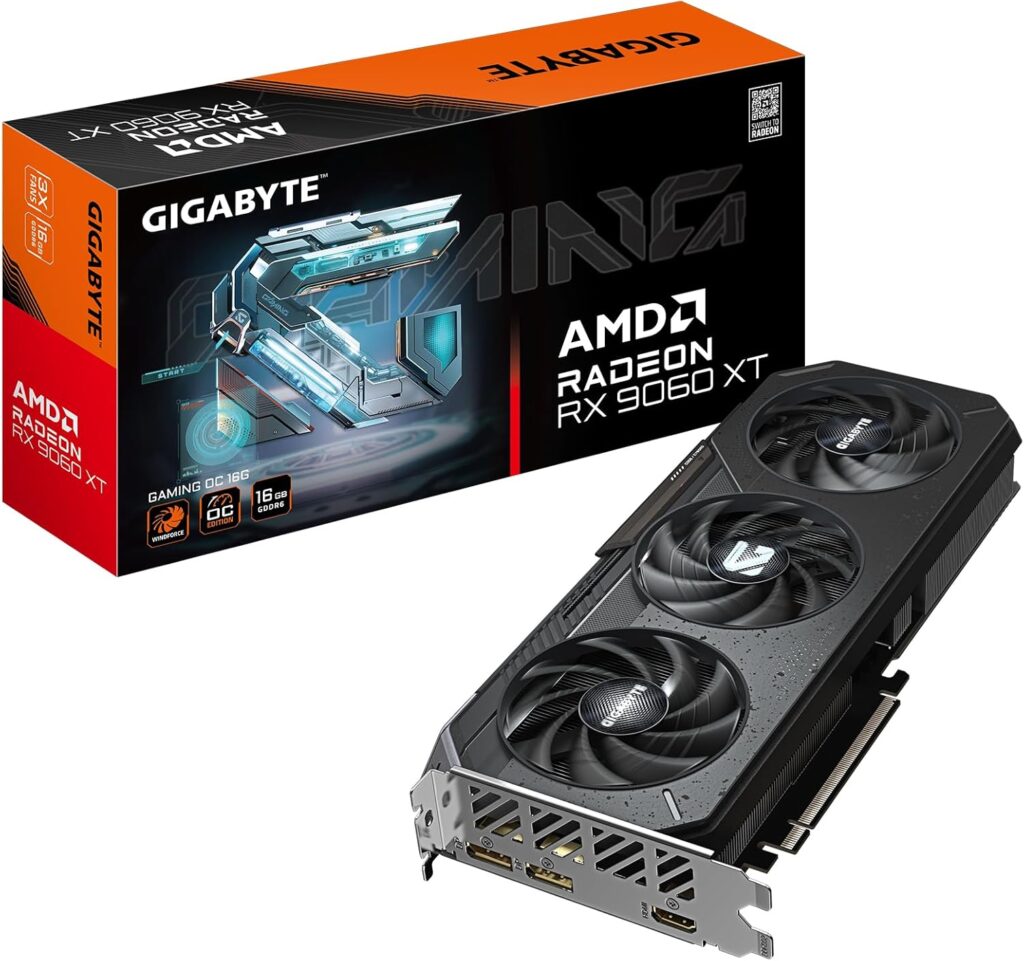

Default cart for most people reading this page: RX 9060 XT 16GB when it sits in the high $400s to low $500s. Double the buffer. Strong raster. No DLSS 4 MFG. That trade is honest.
Need Nvidia features and can stomach the tax: hunt a sane RTX 5060 Ti 16GB only if the listing is not living in $800 cosplay territory. At today’s common Newegg boards, many weeks the Ti 16GB stops being a midrange card and becomes a bad 5070 conversation.
Hard budget floor with modern titles: Arc B580 12GB near $330. More memory than the 8GB Nvidia/AMD bait. More driver work. Do not buy it to save forty bucks if your library is a DX11 museum.
Do not spend 16GB money on another 8GB card. If the cart is already mid-$400s and climbing, capacity is the upgrade, not a different sticker with the same ceiling.
Verdict
Eight gigabytes is enough for a lot of 1080p nights in 2026. It is not enough to be the default answer on a new midrange purchase when Steam’s own chart already moved to 16GB and AAA settings packs keep eating buffers.
Buy 8GB on purpose. Never because the shelf made it look normal.
SpecClear participates in affiliate programmes. When you purchase through links on this site, we may earn a commission at no extra cost to you.