
SpecClear earns a commission if you buy through Newegg links on this page, at no extra cost to you.
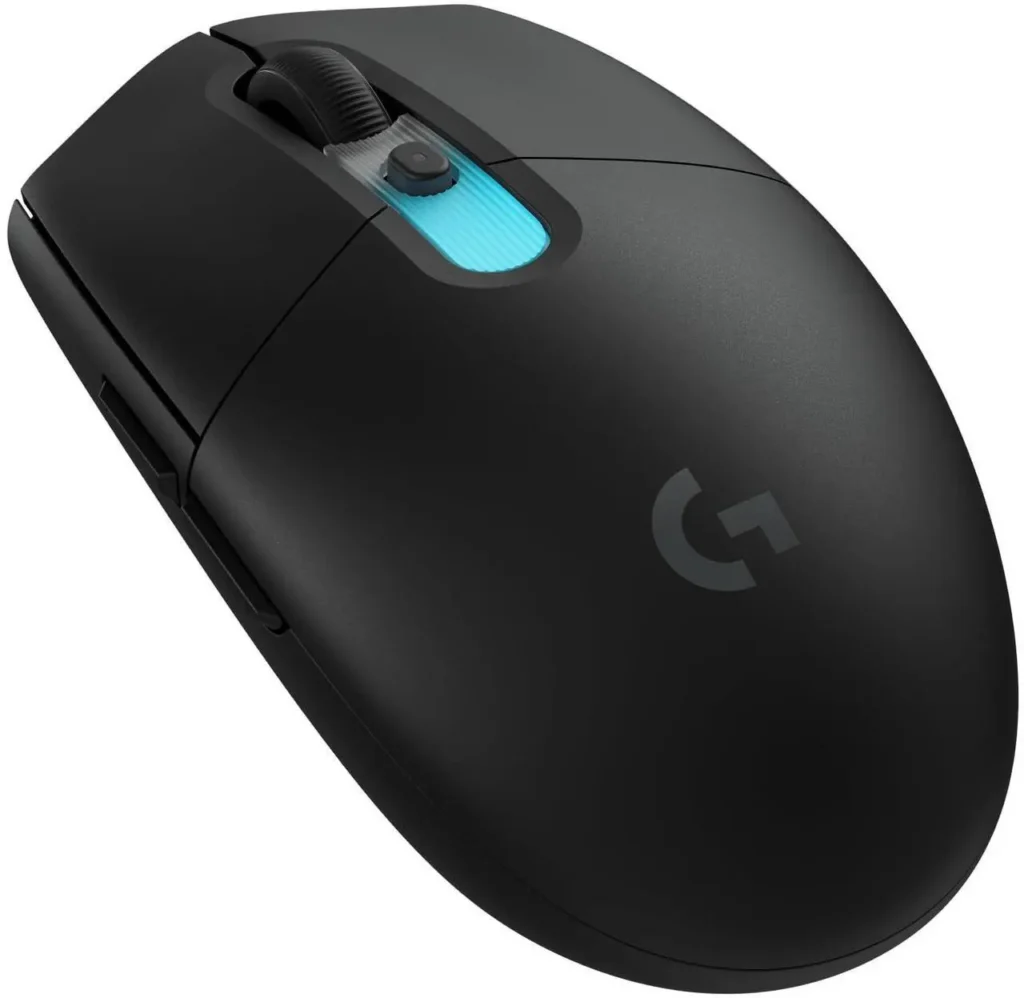
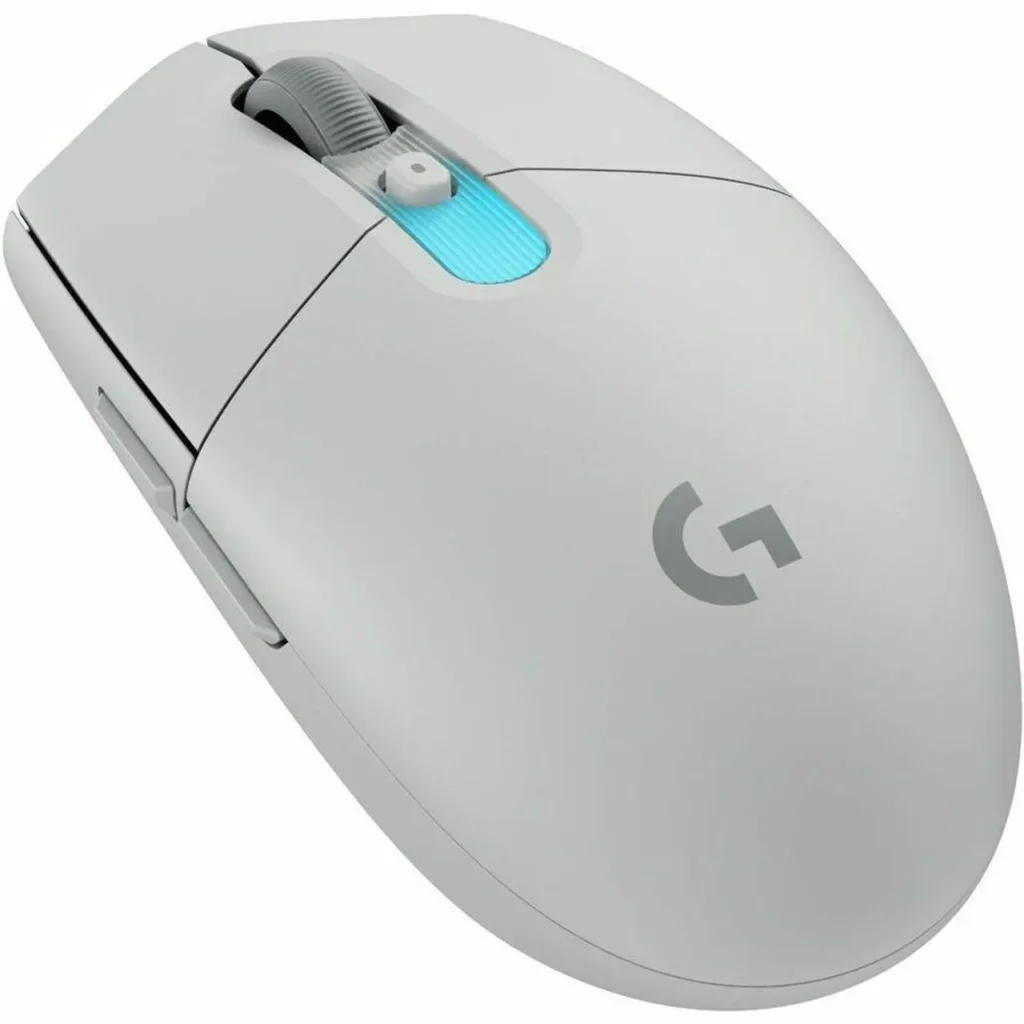
The Logitech G305 held the budget wireless gaming mouse throne for eight years. An AA battery, the HERO sensor, LIGHTSPEED wireless, and an egg-shaped shell that fit most hands at a price that kept landing around $30–$40 on sale. Competitors came and went. The G305 survived all of them.
Then the Chinese budget mouse market arrived in force. The Mchose G3 V2 Pro delivered 59 grams and a capable sensor at under half the G305’s price, and the G305’s comfortable spot at the top of the budget pile got less comfortable. On June 30, 2026, Logitech answered with the G305 X Superlight at $74.99.
It’s the better mouse. The question is whether it’s better enough for the money.
What’s actually new
The original G305 ran on a single AA battery that added weight and made the mouse non-rechargeable. The G305 X Superlight drops the AA for a built-in USB-C rechargeable pack and lands at 59 grams, down from the G305’s 99 grams. A 40-gram cut is enormous; the original was not light by 2026 standards, and 59 grams puts the X Superlight in real ultralight territory.
The HERO 44K sensor replaces the HERO 12K in the original: 44,000 DPI maximum, 40G acceleration, 678 IPS tracking speed. The same sensor specification as the G Pro X Superlight 2 flagship. At $149.99, getting the flagship sensor in a budget mouse is a meaningful specification that Logitech’s G3 Series positioning is built around.
Connectivity expanded too. The original G305 was LIGHTSPEED-only (2.4GHz dongle, no wired or Bluetooth option). The G305 X Superlight offers three modes: LIGHTSPEED wireless via the included dongle, Bluetooth 5.3, and USB-C wired. For a mouse that travels between a gaming PC and other devices, the tri-mode connectivity is a real addition.
The 8,000Hz polling rate available with the optional PRO LIGHTSPEED Receiver (not the included standard dongle) needs honest context. Out of the box the G305 X Superlight runs at 1,000Hz; 8KHz means buying the PRO receiver separately. That add-on cost isn’t always obvious at checkout, so factor it in before comparing against mice that include 8KHz polling in the box.
Battery life is rated at 130+ hours at standard wireless polling, and fast charging delivers about 3.5 hours of play from a 2-minute charge: a practical safety net for the occasional forgotten top-up.
The repairability angle: genuinely unusual
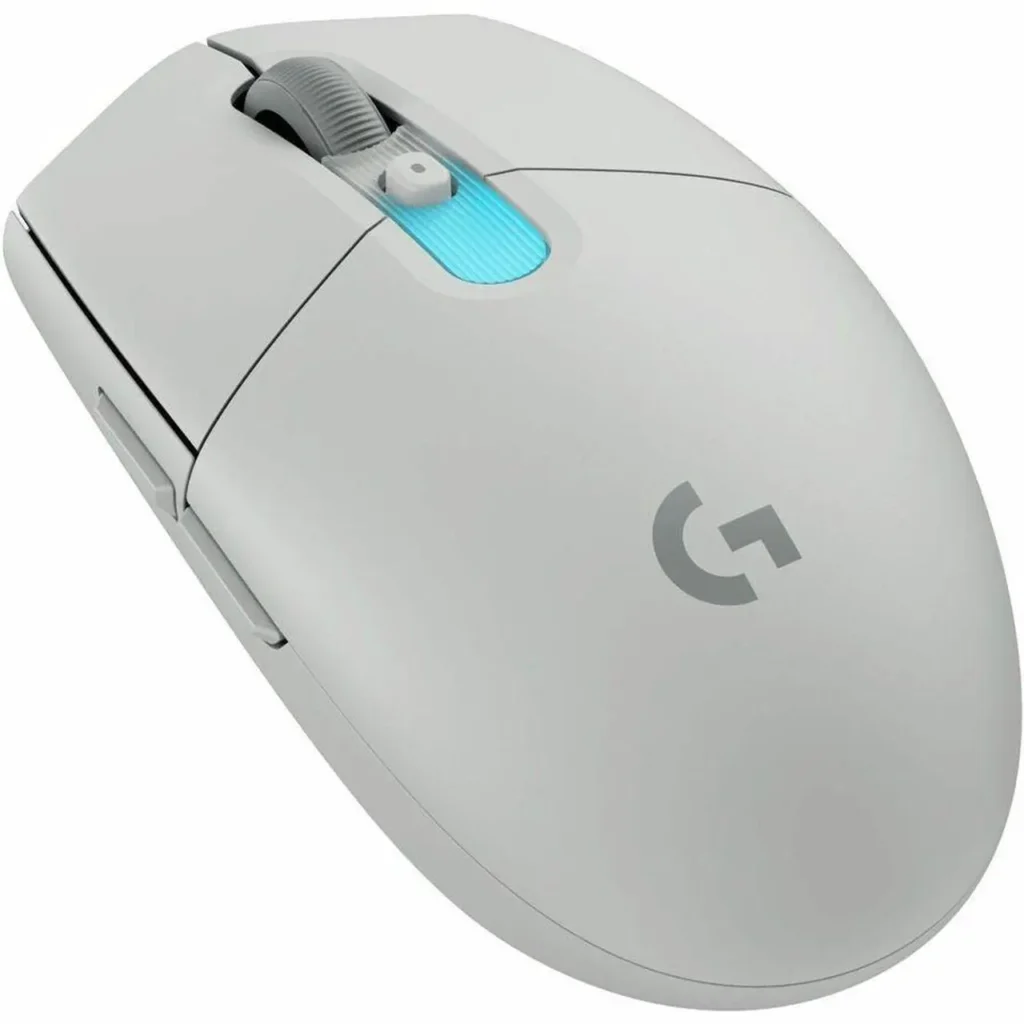
The G305 X Superlight has exposed screws on the exterior of the chassis. Logitech explicitly designed this for user repairability: the mouse is meant to open without specialist tools or heat guns. For a peripheral category where internal components are typically sealed and glued, this is an unusual and commendable design choice. A mouse that can be serviced when a button switch fails or the charging port develops an issue has a longer useful life than one that becomes landfill the moment a component fails. To see how it stacks up against other options, check our best gaming mouse guide.
The sustainability angle goes further: 65% of the black model’s chassis uses post-consumer recycled plastic, and 51% for the white model. These are among the highest recycled content figures for any gaming mouse at any price.
The honest competitive picture
The G305 X Superlight’s primary challenge isn’t the ~$75–$80 price; it’s what that money buys from Chinese manufacturers in 2026. The Mchose G3 V2 sits at well under half the G305 X Superlight’s price, weighs the same 59 grams, delivers adequate sensor performance for most competitive use cases, and has smoother PTFE mouse feet than the G305 X Superlight’s stiffer skates.
GAMES.GG‘s review called out the stiff skates directly. Mouse feet decide how the mouse glides across your pad, and stiff feet create resistance that competitive players often fix with aftermarket pads, adding cost and hassle.
The G305 X Superlight’s advantages over Chinese budget competition are clear: LIGHTSPEED wireless reliability over equivalent 2.4GHz solutions, Logitech’s brand warranty and service support, the HERO 44K sensor’s specific sub-micron accuracy characteristics, and the repairability design. Whether these advantages justify a significant price premium depends entirely on whether LIGHTSPEED specifically and Logitech’s ecosystem matter to you.
For buyers already invested in Logitech G Hub profiles and LIGHTSPEED receiver sharing with other Logitech peripherals, the G305 X Superlight is the natural upgrade from an aging G305. The shape is familiar, the workflow is familiar, and the performance jump is substantial.
For buyers without existing Logitech peripheral investment who are purely optimising for value, the Chinese budget mouse market delivers competitive specifications at significantly lower cost.
How it fits against other Logitech mice
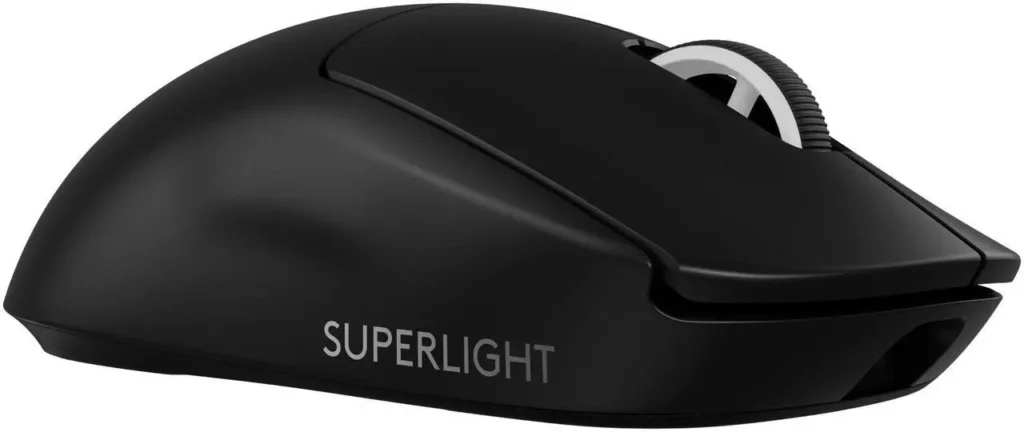
Within Logitech’s own lineup the G305 X Superlight sits below the G Pro X Superlight 2 at $149 and the G Pro X2 Superstrike at $179.99. The G Pro X Superlight 2’s advantages over the G305 X Superlight are build quality, LIGHTFORCE optical-mechanical switches, and the competitive pedigree that comes from pro player involvement in the design process. The core sensor is the same HERO 44K. That shared sensor is what makes the Logitech G305 X Superlight ($74) worth a look.
For a buyer who wants LIGHTSPEED wireless and HERO 44K sensor performance and doesn’t need the G Pro tier’s switch quality or brand cachet, the G305 X Superlight at $74.99 is the correct choice within Logitech’s lineup. If you also want a LIGHTSPEED headset, see our Logitech G325 LIGHTSPEED review.
Who should buy it
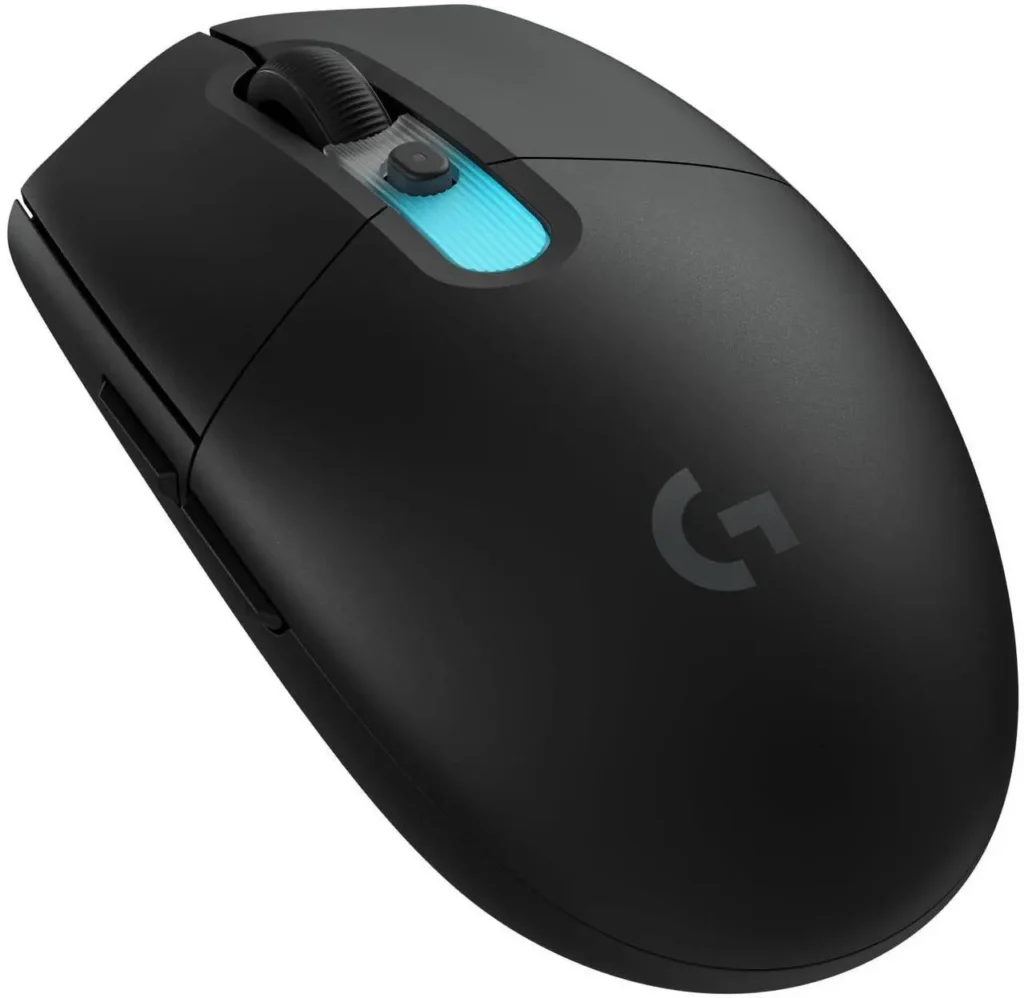
Buy the G305 X Superlight if you owned or loved the original G305 and want to upgrade to a lighter mouse with USB-C charging and a better sensor while staying on LIGHTSPEED wireless. The familiar shape, the significant weight reduction, and the sensor upgrade make it an easy recommendation for existing G305 users.
Buy it if LIGHTSPEED reliability specifically matters to you. Sharing one USB receiver across other Logitech LIGHTSPEED peripherals is a real convenience in a multi-peripheral Logitech setup.
Don’t buy it if pure value-per-dollar is the decision. The Chinese budget wireless market delivers comparable weight and functional specs for less money.
Don’t buy it expecting 8KHz out of the box. The included dongle runs 1KHz, and the PRO LIGHTSPEED Receiver for 8KHz is a separate purchase.