
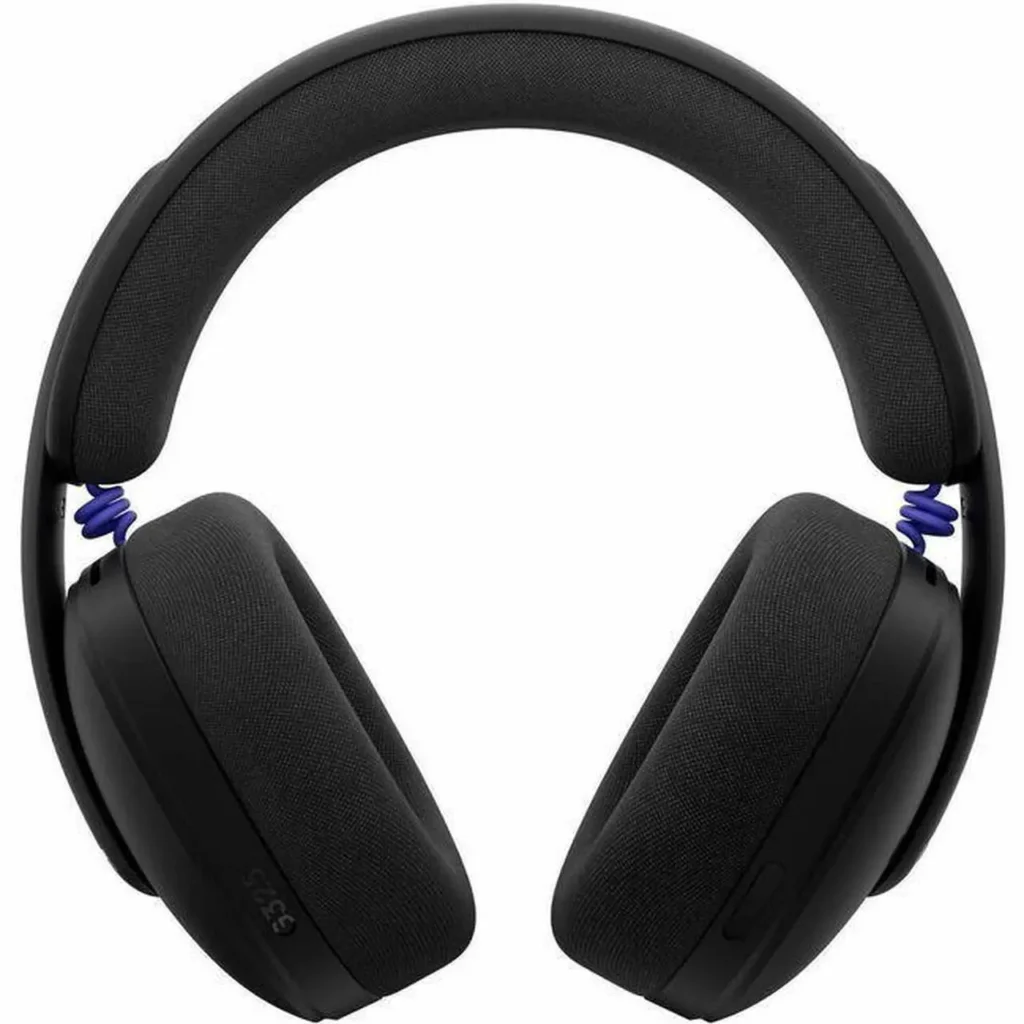
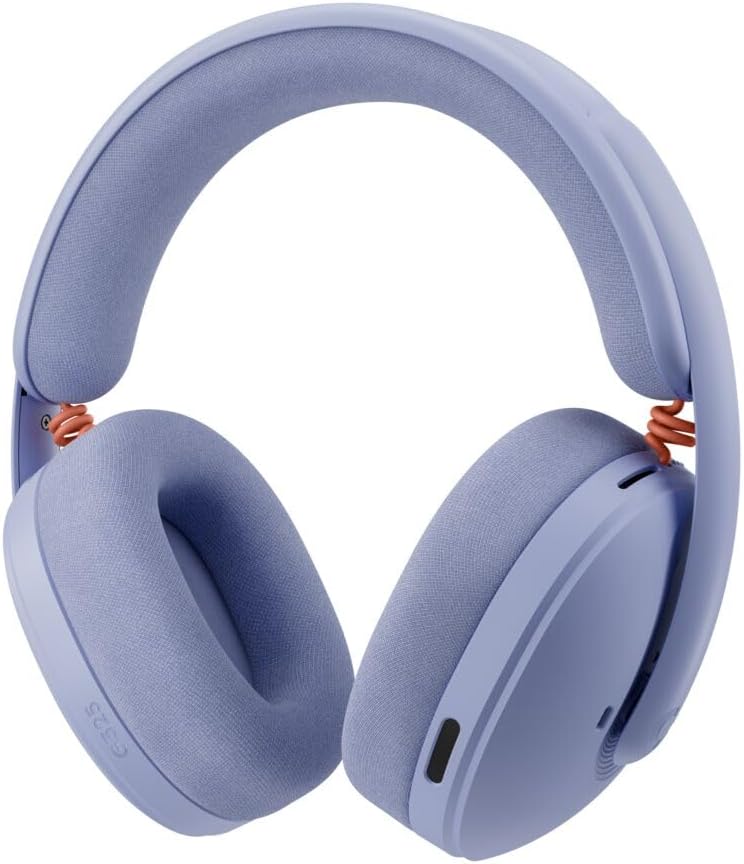
Most wireless gaming headsets under $100 make you feel the compromise. The wireless hardware adds cost that comes out of driver quality, build materials, or microphone performance. You end up with a headset that technically works wirelessly but sounds like it cost $40 and was built to last eighteen months.
The Logitech G325 LIGHTSPEED at $79.99 is a direct attempt to break that pattern. LIGHTSPEED wireless Logitech’s own 2.4GHz dongle technology that competitors consistently benchmark below 1ms latency in a headset at $79.99 is a notable specification. The G305 X Superlight uses LIGHTSPEED at $79.99. Getting the same wireless technology into a headset at the same price point means Logitech is absorbing more margin than most competitors would at this tier.
Here’s whether the rest of the headset lives up to that wireless foundation.
What LIGHTSPEED actually means at this price
LIGHTSPEED is Logitech’s proprietary 2.4GHz wireless protocol. At less than 1ms connection latency it’s in the same class as Razer’s HyperSpeed and SteelSeries’ Quantum 2.0 the premium tier of wireless gaming audio that’s indistinguishable from wired in double-blind listening tests for latency. Bluetooth, by contrast, introduces 100–200ms of latency depending on codec the difference between a sound that lands in sync with its source and one that arrives noticeably late.
At $79.99 this puts the G325 in a category of one. The Turtle Beach Stealth 600 Gen 3 at $199 uses 2.4GHz wireless but not LIGHTSPEED specifically. The HyperX Cloud III Wireless at $149.99 uses 2.4GHz. Getting LIGHTSPEED at $79.99 below both is the G325’s headline commercial achievement.
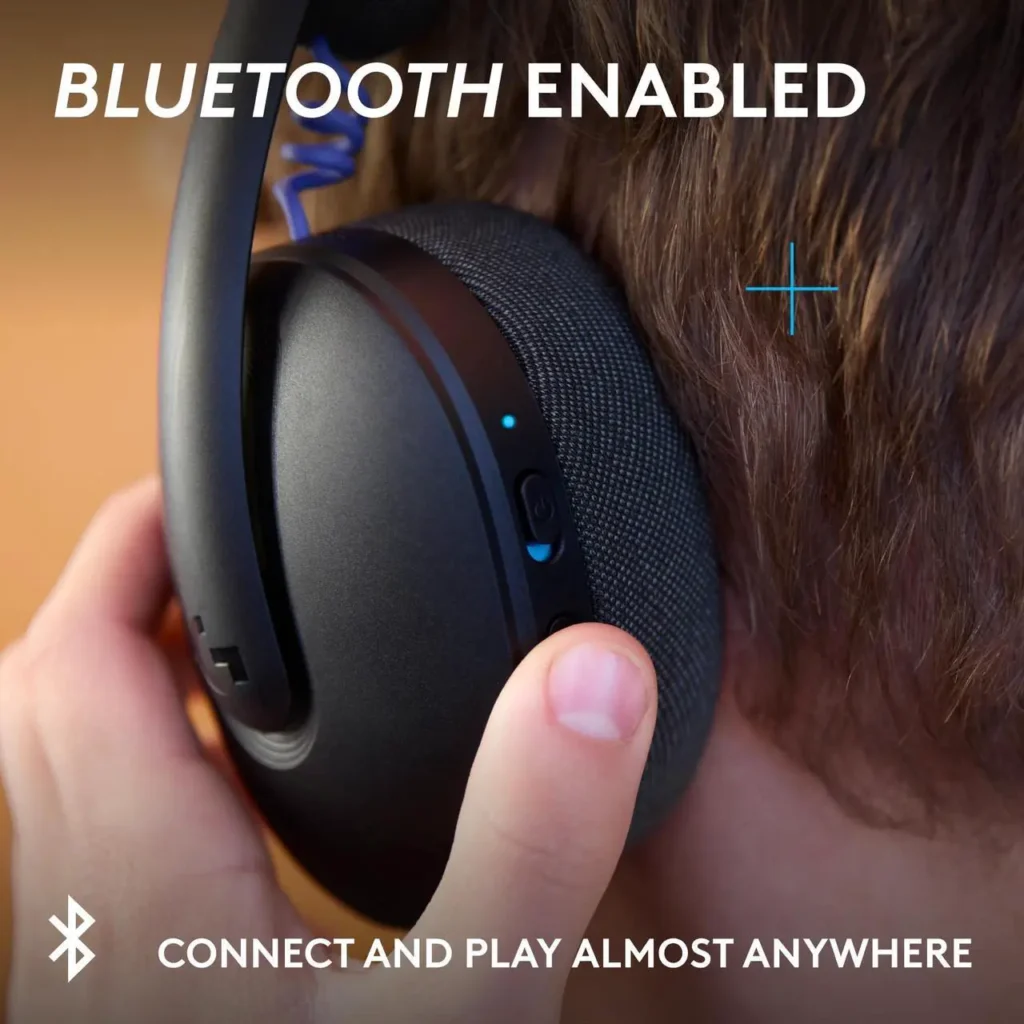
The G325 also supports Bluetooth 5.3 alongside LIGHTSPEED. For switching between a PC gaming session and a mobile call without removing the headset, dual wireless connectivity at this price is a genuine convenience advantage over single-protocol competitors.Best Gaming Headset Under $100 2026
The audio — honest assessment
The G325 uses 40mm drivers delivering 24-bit audio. The frequency response covers 20Hz–20,000Hz standard for gaming headsets at any price. The 24-bit audio specification means the headset processes audio at higher bit depth than 16-bit alternatives, which translates to more dynamic range and cleaner reproduction of quiet audio detail before amplification introduces noise.
In practice the G325 sounds noticeably better than the standard budget wireless headset cleaner bass reproduction, cleaner high-frequency detail, and a wider perceived soundstage than the compressed audio signature of cheaper wireless implementations. It doesn’t sound like the HyperX Cloud III or SteelSeries Arctis Nova 3 at $119 those headsets use larger 50mm drivers with more refined tuning. The G325 is a step below both on pure audio quality, which is the honest trade-off of achieving LIGHTSPEED wireless at this price point.How to Set Up PC Audio Properly
For gaming where spatial cues, dialogue clarity, and environmental audio matter more than audiophile accuracy the G325 is more than competent. Footstep directionality in CS2 and Valorant is clear. Environmental audio in story games carries detail. The sound profile isn’t flat but it’s not overcooked bass — Logitech’s gaming audio tuning at this price is reasonable.
The microphone — the beamforming advantage
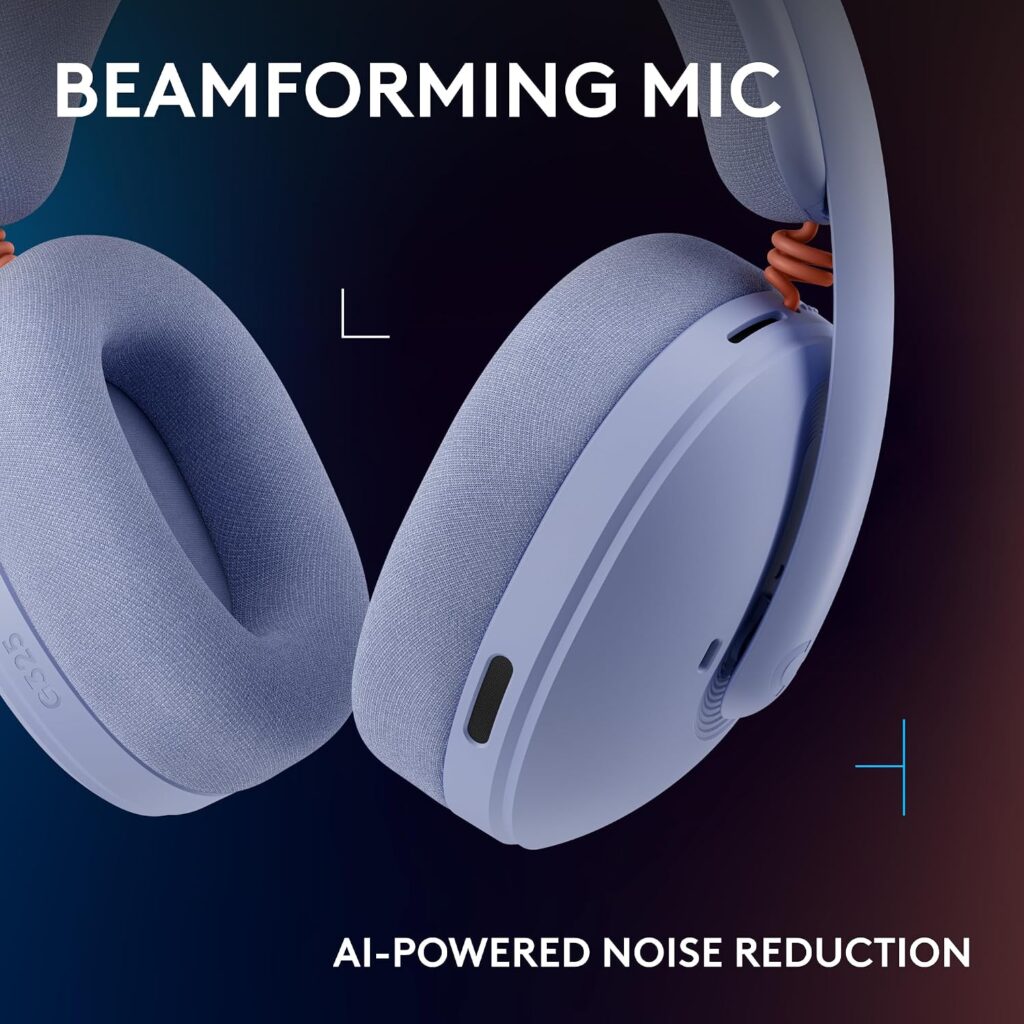
The G325 includes a built-in beamforming microphone rather than the detachable boom microphone used on most gaming headsets. Beamforming uses multiple microphone elements with signal processing to focus capture on your voice and reject audio from other directions keyboard noise, fan noise, ambient room sound.
At the $79.99 price point this is above average microphone quality. Logitech positions it for both gaming communication and use in calls and meetings reflecting the increasingly blurred line between gaming headsets and productivity audio for PC users who work at the same desk they game at. The Discord certification confirms third-party validation of voice clarity quality.Corsair HS35 v3 Review
The limitation of built-in versus detachable boom microphone: boom microphones physically positioned close to your mouth achieve better voice isolation than a built-in microphone regardless of beamforming quality. For casual gaming communication the built-in mic is sufficient. For streaming or content creation where microphone quality is part of the product, a dedicated boom mic or external microphone is the correct solution.
Weight and comfort
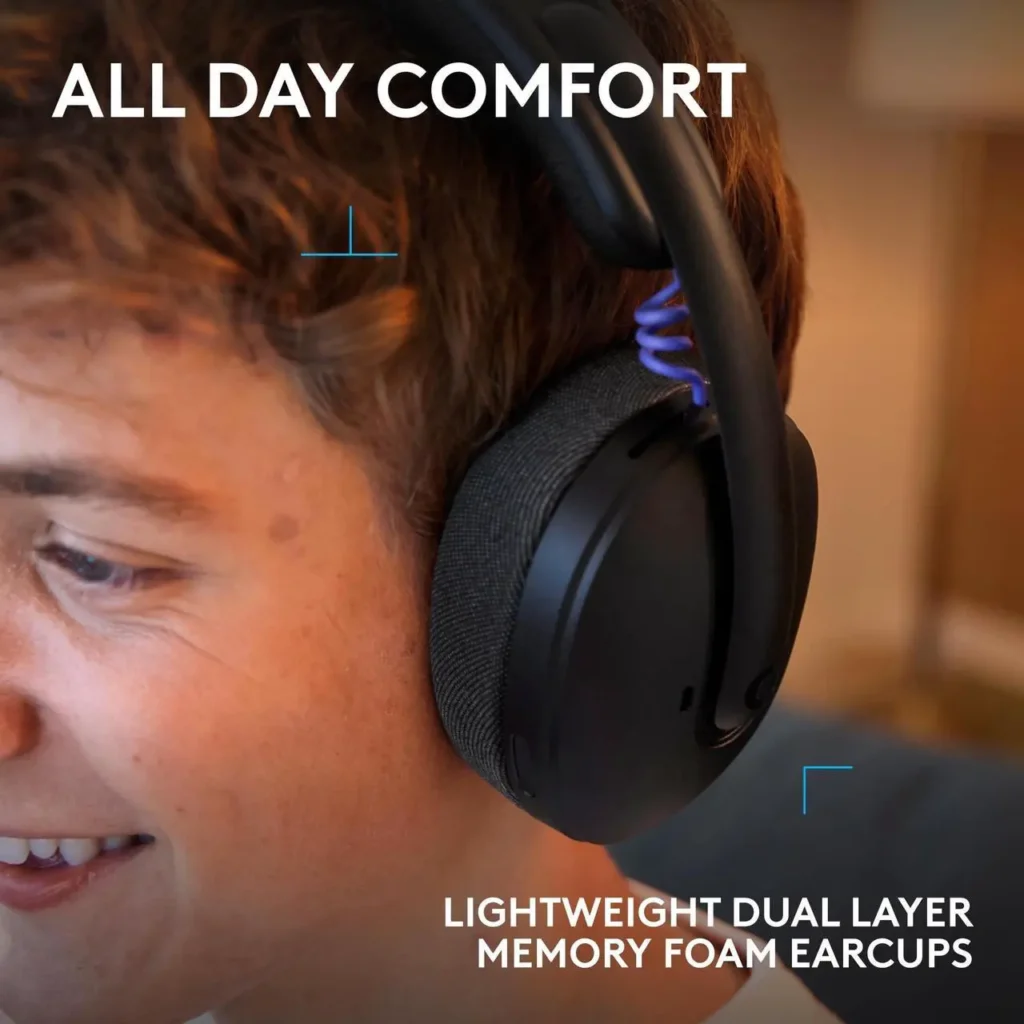
At 212 grams the G325 is one of the lightest gaming headsets at any price. The HyperX Cloud III wired at 308g is 96g heavier. The SteelSeries Arctis Nova 3 at 253g is 41g heavier. 212g across four to six hours of gaming is a comfort advantage that accumulates noticeably particularly for players who experience headset fatigue during long sessions.
Plush ear cushions and an ergonomic fit designed for long-session comfort round out the physical package. Three colourways white, black, and lilac give some aesthetic flexibility for setup matching that most gaming headsets at this price don’t offer.
Battery life — 24+ hours at 1,000Hz
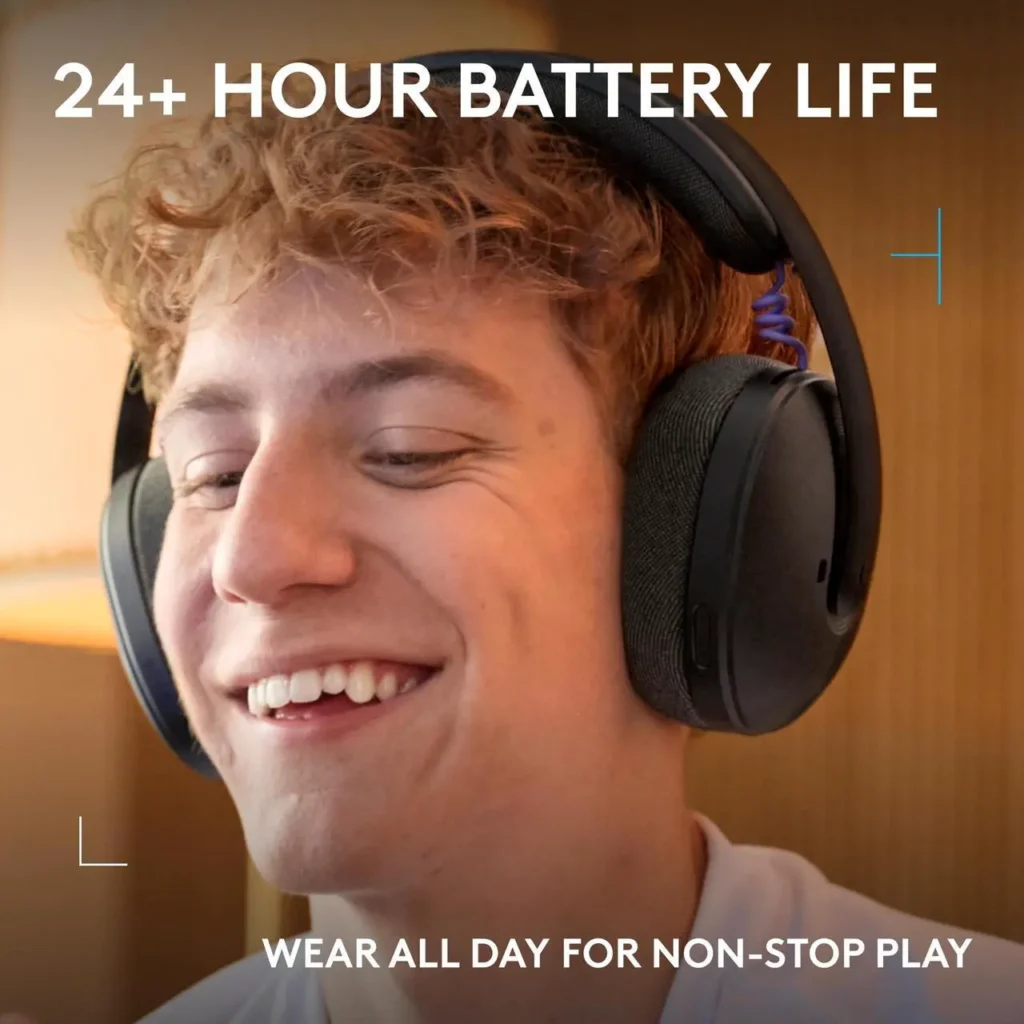
Over 24 hours of battery life at LIGHTSPEED polling makes weekly charging realistic for most gaming schedules. Fast charge support gives you several hours from a short charge if you forget. This is comfortably above the 20-hour minimum that makes wireless headsets practically usable without constant charging anxiety.
Who should buy it
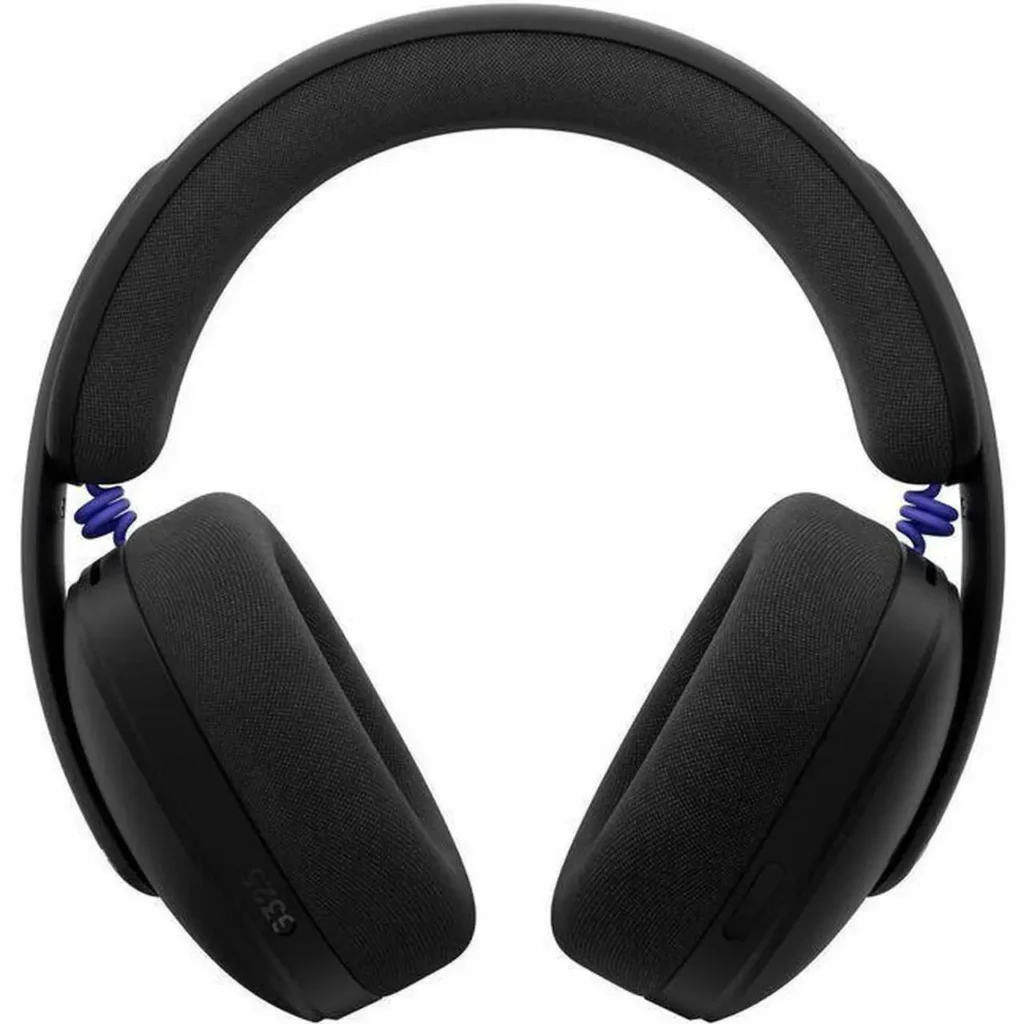
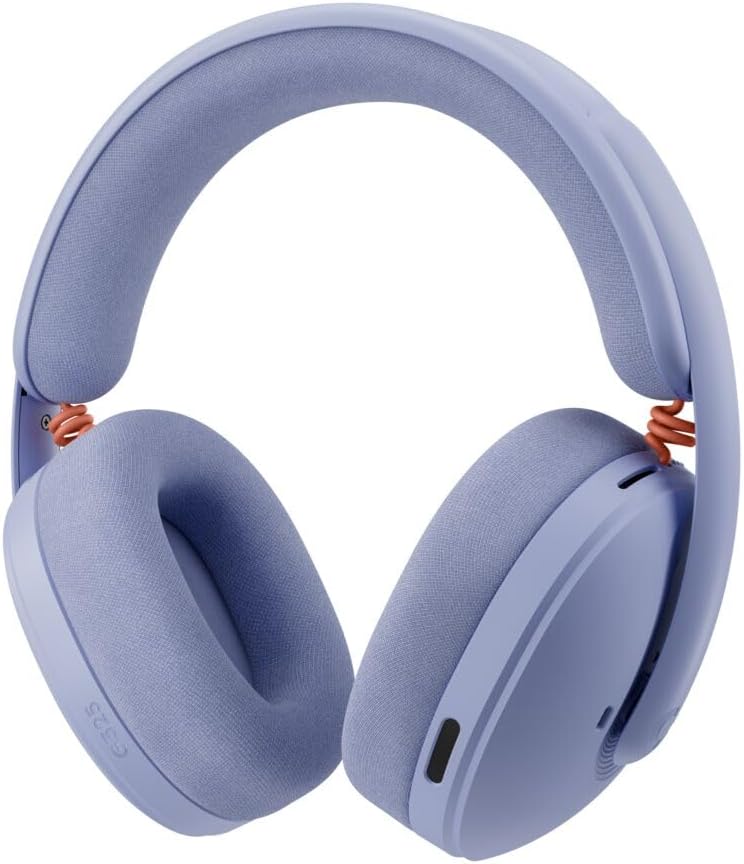
Buy the G325 LIGHTSPEED if wireless freedom is the priority, you’re gaming on multiple platforms (PC, console, mobile), you want LIGHTSPEED latency without paying HyperX Cloud III Wireless prices, and 212g lightweight comfort matters over premium audio driver quality.
Don’t buy it if audio quality is the primary decision factor the HyperX Cloud III wired at $64 sounds better on a dollar-for-dollar comparison because the wired cost structure puts more budget into drivers. Don’t buy it if you need a detachable boom microphone for streaming.
The G325 is the correct wireless headset for budget-conscious PC builders who want genuine low-latency wireless without spending $150. At $79.99 it changes the sub-$100 wireless headset conversation in a way most competitors haven’t managed.