
steam hardware survey june 2026:A laptop GPU just topped the Steam hardware chart for the first time in the survey’s history. That’s the headline. But the more useful story for anyone building or upgrading a PC right now is buried in the numbers underneath it and some of what those numbers say is genuinely uncomfortable.
Valve published the June 2026 Steam Hardware Survey on July 1. Here’s what it actually means.
A laptop GPU at number one read this carefully
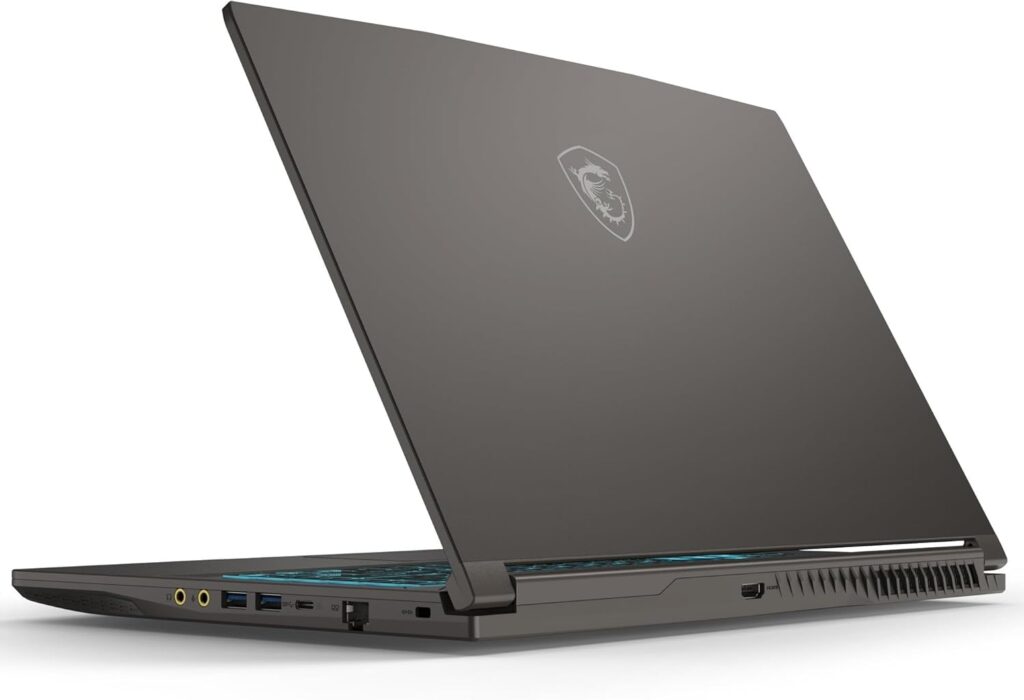
The NVIDIA GeForce RTX 4060 Laptop GPU now sits at 3.81% of all surveyed Steam systems, edging past the desktop RTX 3060 at 3.73% to claim the top spot. The RTX 5060 follows at 2.66%.
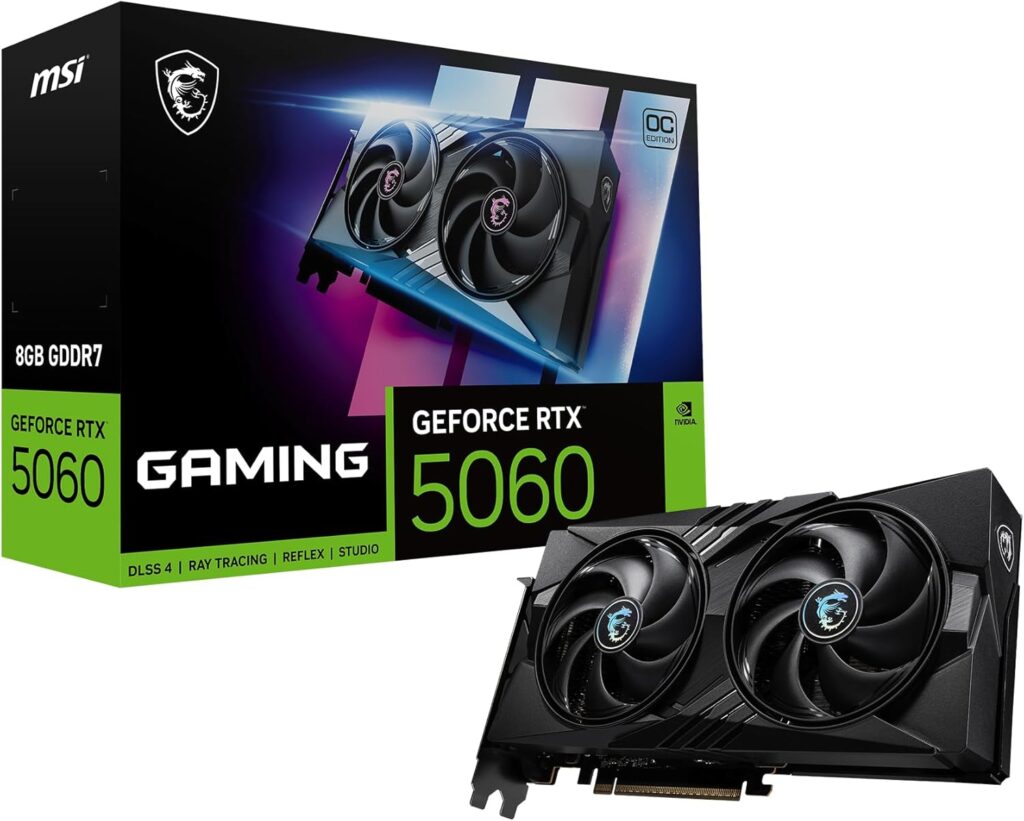
Before drawing conclusions: a laptop RTX 4060 and a desktop RTX 4060 share a name and very little else. Laptop variants operate under thermal and power budgets of 60–80W rather than the desktop card’s 115–165W. Real-world gaming performance varies significantly between them depending on which power tier the laptop manufacturer selected, and Steam’s survey doesn’t distinguish between the variants. The “most common GPU on Steam” is actually a performance range packaged under one name.
What the milestone does reflect accurately is the direction PC gaming is moving. Handheld gaming PCs, ultraportable laptops, and portable systems are claiming a growing share of real-world gaming time. Desktop DIY builds are getting punished by soaring memory and storage costs. Both forces push the centre of gravity toward mobile silicon, and June’s survey is the first time that shift has been visible enough to change the top of the chart.
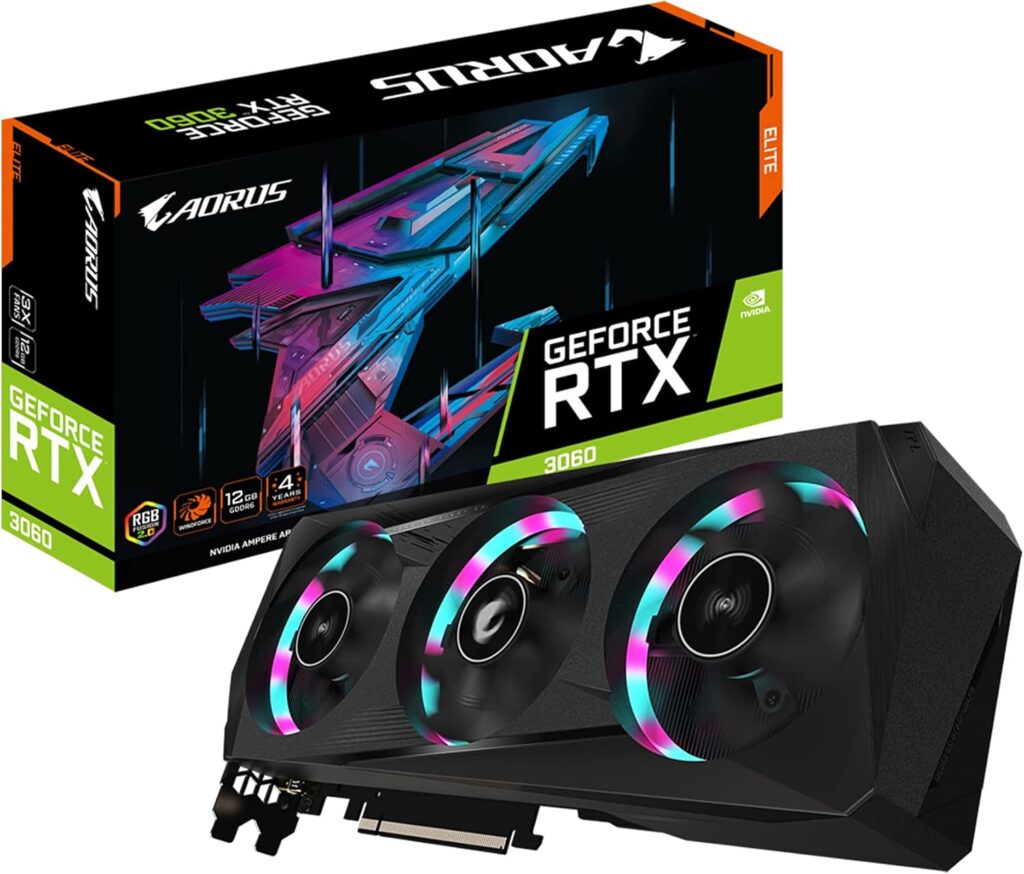
For desktop builders, the practical implication is this: the desktop RTX 3060 slipping to second after dominating the chart for over a year is not a sign that everyone upgraded. It’s a sign that the new buyers are buying laptops instead of desktops. Component prices are part of why.
Windows 11 finally cleared 70% and one in four Steam users is still unpatched
Windows 11 reached 70.44% of surveyed Steam systems in June, up 0.68 points from May. It’s the first time Microsoft’s current OS has cleared that threshold since its 2021 launch. The adoption curve has been slow, grinding, and largely driven by new PC purchases rather than voluntary upgrades from existing users.
The more important number is the one going the other way. Windows 10 sits at 23.56% roughly one in four Steam users and Microsoft ended free security support for Windows 10 in October 2025. That population is running an OS that receives no new security patches unless they’ve enrolled in the Extended Security Update program at $30 per device per year, or for free if they have a synced Microsoft account. Even ESU ends in October 2027.
If you’re in that 23.56%, this is the nudge to act. Windows 11 is a free upgrade on any hardware that meets the requirements. The TPM 2.0 and CPU compatibility check is the sticking point for older systems if your machine fails the official check, there are workarounds, but they come with caveats around future update support. The cleaner path on genuinely old hardware is to consider whether a new build makes more sense than extending the life of a system that can’t run a supported OS.
AMD is nine points behind Intel and closing
AMD held 45.99% of the CPU category against Intel’s 54.01% in June. AMD has gained nearly 14 percentage points since January 2025, when Intel held roughly 68.8%. At the current pace of monthly gain, AMD and Intel reach CPU parity on Steam sometime in early-to-mid 2027.
The driver is X3D. AMD’s 3D V-Cache chips the 5800X3D, 7800X3D, 9800X3D deliver 15–25% better gaming performance than Intel’s non-stacked equivalents in CPU-sensitive titles, and they carry a compounding advantage in the current market: X3D chips are almost entirely insensitive to RAM speed because the massive on-die cache reduces dependence on fast system memory. In a year when 32GB of DDR5-6000 costs $150–$280, that insulation is a meaningful cost advantage for builders trying to stretch a budget.
Intel’s forthcoming Nova Lake architecture is the clearest test of whether the gap can be closed without a stacked-cache equivalent. Until then, the trend line points one direction.
16GB of RAM is the most common configuration — and it’s showing its age
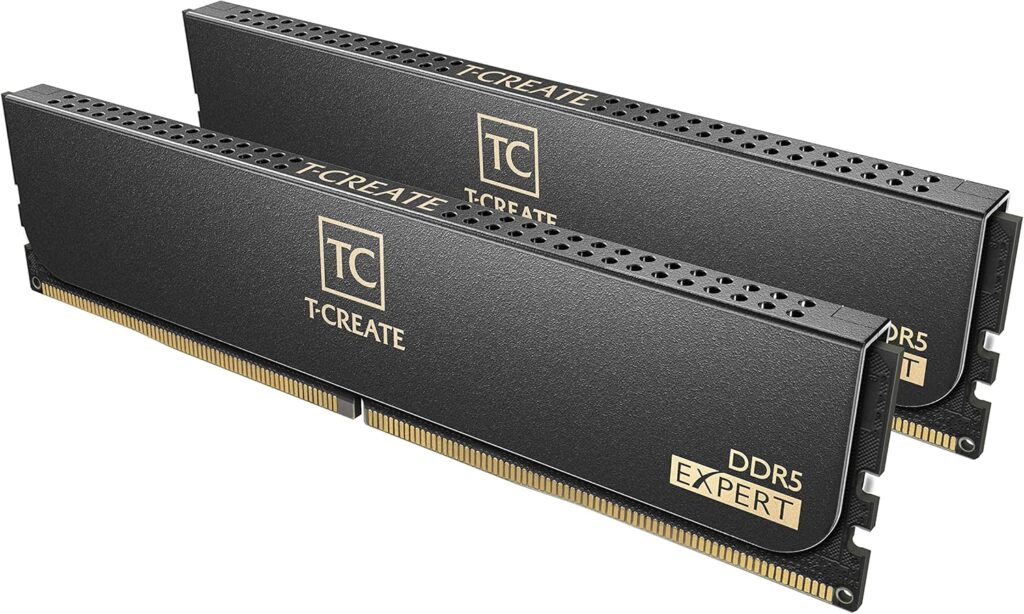
System memory tells a story the GPU chart doesn’t. 16GB accounts for 41.57% of surveyed systems. 32GB sits at 36.79%. 8GB has dropped to 7.76%.
Current AAA titles at maximum settings push 14–16GB of system RAM in active use. Add a browser, Discord, and a streaming overlay and a 16GB system is at its ceiling. The stutters aren’t catastrophic they show up as loading screens that drag slightly longer, texture pop-in on level reloads, and occasional hitching in open-world traversal. Consistent, low-level friction rather than outright failure.
32GB is the correct capacity for a new build in 2026. The 36.79% of surveyed systems already there are set for the foreseeable future. The 41.57% on 16GB will notice increasing friction as the year goes on and games target a higher floor.
The irony is timing. The right moment to upgrade RAM is precisely when RAM prices are at their most painful. A 32GB DDR5-6000 kit that cost $85 in mid-2024 costs $150–$280 today. That’s the AI-driven DRAM shortage in one number the same shortage that’s pushing buyers toward prebuilts and laptops rather than DIY desktop builds.
1080p still dominates but 1440p is gaining
Resolution data from the survey shows 1080p holding at 51.12% of users. 1440p continues its slow upward trend as monitor prices have fallen and GPU capability at 1440p has improved across mid-range cards.
For builders, this data validates the monitor article published this week: the majority of PC gamers are still on 1080p panels, which means mid-range GPUs targeting 1440p are actually running with headroom to spare for most of the Steam audience. If you’re on 1080p with an RTX 3060 or similar and wondering whether to upgrade the GPU or the monitor first the survey suggests you’re in very good company, and the monitor upgrade likely delivers more visible improvement for most of the games you play.
What it all means if you’re building right now
The June 2026 Steam survey is a snapshot of a platform advancing in some areas and being squeezed in others. GPU capability is genuinely better than it was two years ago. OS modernity is finally tipping toward Windows 11. AMD’s competitive position is the strongest it’s been in years.
The squeeze is in the mundane components. RAM and storage costs have made budget desktop builds less attractive than prebuilts for the first time in the hobby’s modern history. The laptop GPU at the top of the chart isn’t just a curiosity it’s evidence that the economics of desktop PC building are under real pressure, and some buyers are responding rationally by going elsewhere.
If you’re committed to a desktop build in July 2026: buy AMD on the CPU side, get 32GB of DDR5 even at current prices, and be realistic about what a $1000–$1200 build delivers compared to 18 months ago. The GPU is the component where desktop builders still get the clearest value advantage over prebuilts and laptops. Spend there first and trim elsewhere.