
SpecClear earns a commission if you buy through Newegg links on this page, at no extra cost to you.
Microsoft has spent the last decade blurring the line between Xbox and PC. Games for Windows, Xbox Play Anywhere, Game Pass on PC, Xbox games on Steam, each step has made the distinction between owning an Xbox and owning a gaming PC slightly less meaningful. Project Helix, the next-generation Xbox console, is where that strategy reaches its logical conclusion.
A leaked Microsoft roadmap obtained by The Verge’s Tom Warren details plans for Helix to run games spanning every past Xbox generation, the original 2001 Xbox, the 2005 Xbox 360, the 2013 Xbox One, the 2020 Xbox Series, and new Helix titles, alongside PC games.
Five generations of Xbox. PC games. One box. That’s the pitch. Here’s what we actually know, what’s still unconfirmed, and why it matters directly for PC builders.
What Project Helix Actually Is
Xbox Gaming CEO Asha Sharma confirmed Project Helix publicly in March 2026, writing: “Project Helix will lead in performance and play your Xbox and PC games.” At GDC 2026, Microsoft also said it plans to ship alpha versions of Helix hardware to developers beginning in 2027. That is the confirmed stack. Consumer release date, price, final SoC specs, and storefront openness beyond the Xbox/PC games pitch remain unconfirmed. Everything else still comes from leaks, analyst reports, and the roadmap memo. For how a console stacks up against a gaming PC on cost, see our console vs PC gaming breakdown.
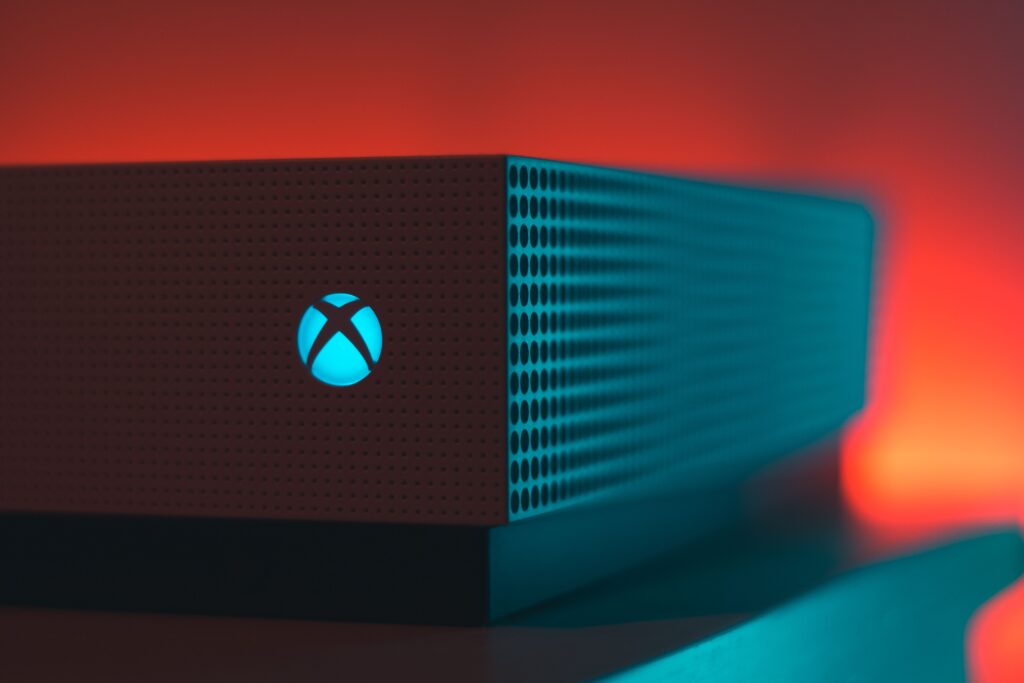
The hardware picture from leaks (not official Microsoft specs): both Helix and PlayStation 6 are rumored to use AMD RDNA 5 graphics and Zen 6 CPUs on TSMC’s 3nm node, so the silicon generation may land close. Leaked figures give Helix more compute units and a larger die, but treat those numbers as rumor until Microsoft publishes them. The sharper confirmed difference is philosophy: Helix is pitched to play Xbox and PC games, while PS6 is still expected to stay a closed PlayStation Store platform. RTX 5070 (~$799 street)
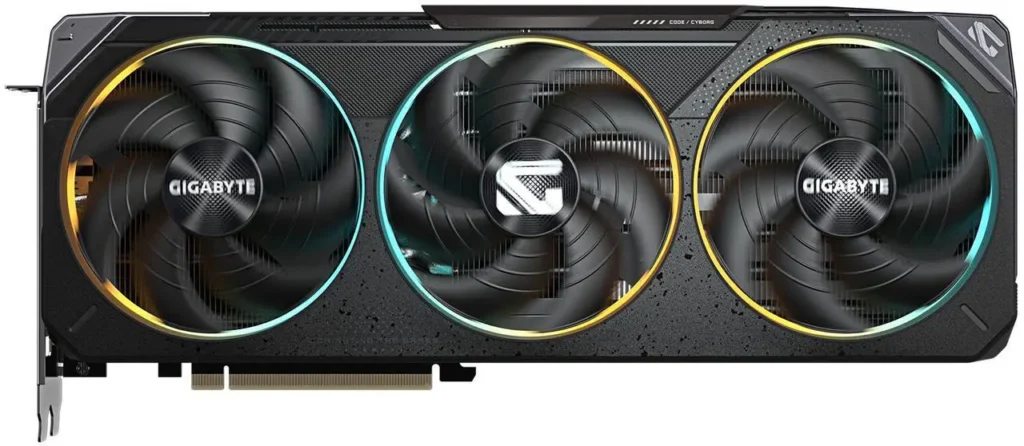
A console that runs PC games through open storefronts, including potentially Steam and the Microsoft Store, is categorically different from the Xbox Series X. It’s closer to a curated gaming PC with a living-room form factor than a traditional closed console. Whether Microsoft follows through on the PC storefront openness or pulls back from it in the final product is the question that determines how revolutionary Helix actually is. The closest current example of that idea is an Xbox-branded Windows handheld, the ROG Xbox Ally X20, which ships on October 15, 2026.
No price has been announced. Sarah Bond called the next console “very premium” in October 2025, and the 2026 DRAM crisis, which already forced Xbox price hikes on August 1, 2026, points to a launch price notably above today’s $649 Xbox Series X.
The Backwards Compatibility Ambition
The backwards compatibility story is the most concrete part of the Helix announcement and the part that matters most for existing Xbox owners.
Microsoft has confirmed Project Helix will keep games from four generations of Xbox, original Xbox, Xbox 360, Xbox One, and Xbox Series X/S, playable, continuing the industry’s most extensive backward-compatibility programme.
This is deliberately ambitious. The original Xbox and Xbox 360 weren’t x86-based, they require emulation on modern hardware. Microsoft says it will manage all engineering, the bespoke emulator, title-by-title certification and testing, storefront merchandising and player support. The ask to publishers is simply permission for their legacy titles to appear on the storefront, with Microsoft promising developers they retain rights, pricing, and brand control.
The memo the roadmap leaked from is essentially a publisher pitch, Microsoft asking game studios to opt their old titles into backwards compatibility. Not all publishers will. Some won’t respond. Some have complex licensing situations that prevent them from clearing rights. The realistic outcome is the majority of major titles supported with a long tail of obscure games missing, the same pattern as the Xbox One’s backwards compatibility programme, which covered most beloved titles but not everything.
Xbox 360 backwards compatibility is confirmed to be in the works for 2027-2028, around the window where Helix is rumored for consumers (developer alpha is 2027; a 2028 retail window is increasingly likely). The timing alignment is intentional: Xbox 360 games available on Helix at launch would be a meaningful differentiator against PS6.
Xbox 360 Games Coming to PC: The Part That Matters Right Now
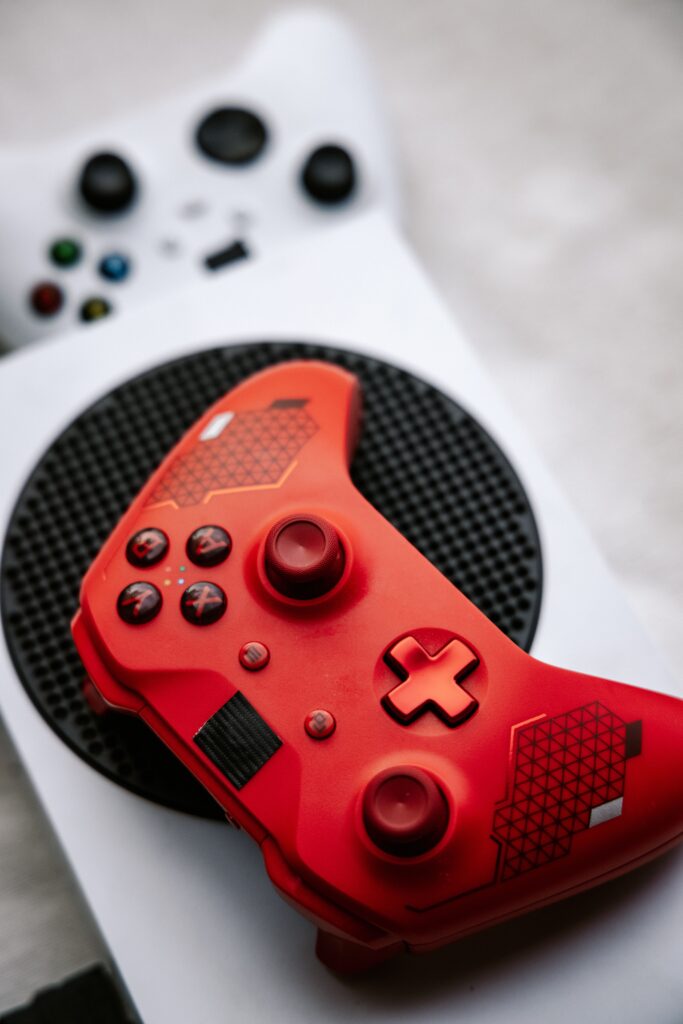
Microsoft began charting this course with the release of four original Xbox titles on PC last month that shipped with an Xbox 360 emulator baked in. That discovery led many to speculate that Xbox 360 backwards compatibility was right around the corner, and the memo confirms it to be in the works for 2027-2028.
The document reportedly targets August for general availability, October for the full launch of original Xbox games on PC, and a gradual Xbox 360 rollout beginning in 2027.
For PC gamers, this is arguably more significant than the Helix hardware announcement. Microsoft completely shuttered the Xbox 360 digital store in 2024. That means some titles are now completely unavailable for purchase outside of retro game shops. Microsoft has failed to port games like Gears of War 2 to PC or any other console, they’re only available to stream through Xbox Game Pass.
A mountain of games that vanished when the Xbox 360 store closed, Gears of War 2, Condemned 2, Halo 3 ODST in its original form, and hundreds of others, could return to legal accessibility through PC if Microsoft’s Xbox 360 emulation rolls out as planned. For the sake of game preservation, that decision is certainly welcome.
The Disc Drive Question
The Xbox Helix may or may not have a disc drive. Recent reports suggest Microsoft wants to follow in Sony’s footsteps and move away from physical discs by offering a way to digitize them, tying the game on the disc to a digital licence, accessible anywhere with an Xbox account. Our Disc2Digital explainer covers how that would work.
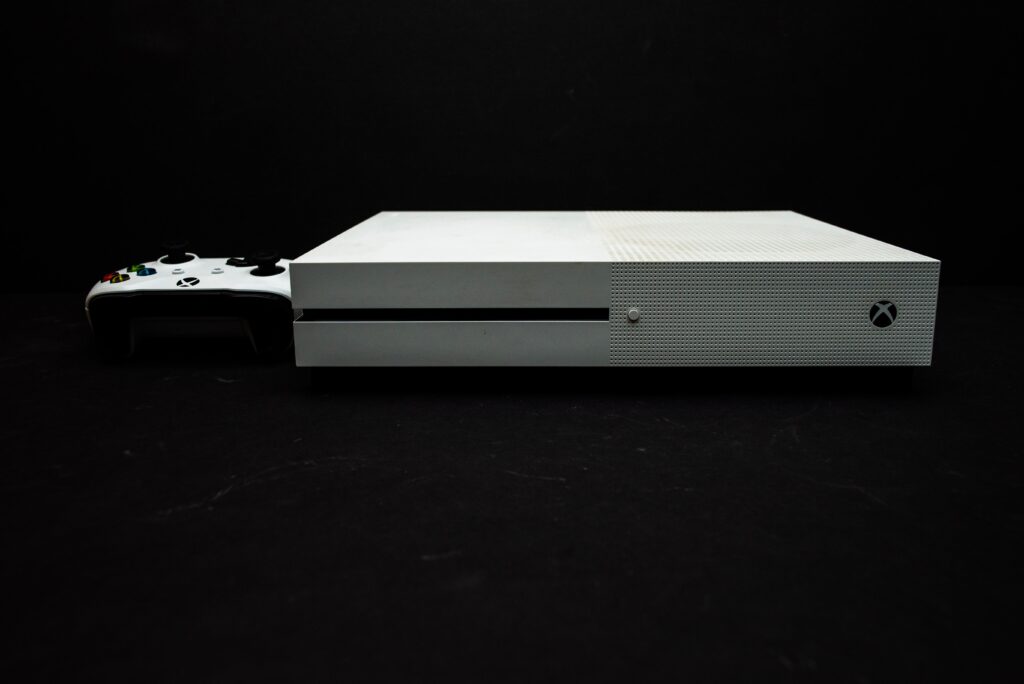
The memo said a public beta for this disc digitisation feature was coming in July 2026. That July public window slipped. By early September 2026, Disc2Digital had expanded into Xbox Insider testing across the Insider rings rather than a full public launch. Microsoft has been testing the idea on Xbox Series X: insert an eligible disc, the game is tied to your account digitally, and the disc is no longer required for that licence.
The problem is that the memo was sent to publishers asking permission for backwards compatibility. Microsoft needs publisher consent to create digital versions of those titles. A disc you physically own can be inserted and played on hardware that supports it, a digital conversion requires licensing agreements that some publishers won’t grant.
Microsoft hasn’t confirmed that Project Helix will contain an optical drive to play Series or Xbox One games sitting on your shelf. If Helix ships disc-drive-free, the disc digitisation programme becomes the bridge, but only for titles publishers have opted into. Physical Xbox One and Series games you own could theoretically become unplayable on the new console if neither disc drive nor publisher licence is in place. That’s a meaningful consumer concern Microsoft needs to address clearly before launch. Sony is heading the same way, according to our report on PlayStation phasing out physical discs by 2028.
What This Means for PC Gaming
The Helix strategy has a specific implication for PC builders that most coverage misses: if the Xbox Helix can play PC games and at least three separate generations of Xbox titles, it’s going to have by far the largest catalogue of any home console, ever.
But the games coming to PC, particularly the Xbox 360 library, don’t require owning a Helix. Microsoft is bringing Xbox 360 games to every Windows PC, not locking them to Helix hardware. The backwards compatibility push makes PC gaming more attractive, not just Helix more attractive. If that tips you toward building a gaming PC, the AMD Ryzen 7 9800X3D ($479) is a strong CPU to build around.

This is consistent with Microsoft’s platform strategy. Xbox Game Pass Ultimate already includes PC access. Xbox Play Anywhere titles already work on both Xbox and PC. The Helix announcement continues a direction where Microsoft’s primary loyalty is to its software and services ecosystem, Game Pass, the Microsoft Store, Xbox Live, rather than to a specific hardware form factor.
For PC builders specifically: the Xbox 360 library coming to Windows PC in 2027 is the most direct benefit from this announcement. Games that were locked to 15-year-old hardware or streaming-only through Game Pass could become purchasable, playable titles on any gaming PC. That’s a genuine expansion of the PC game catalogue rather than a reason to buy a console.
The Timeline and What’s Still Unknown
Expected Helix launch: 2027-2028. No specific date confirmed.
Xbox 360 games on PC: gradual rollout beginning 2027. Original Xbox games on PC: October 2026 per the leaked roadmap.
Hardware: AMD RDNA 5 + Zen 6 on TSMC 3nm. Unconfirmed performance targets.
Disc drive: unconfirmed for Helix itself. Disc2Digital’s July 2026 public-beta target slipped; as of early September 2026 it is in broader Xbox Insider testing, with general availability still not dated.
Price: unconfirmed. “Very premium” suggests above $699. The DRAM crisis pushes that higher.
The Helix announcement is a direction, not a product launch. The memo leaked because Microsoft needed publisher buy-in on backwards compatibility before the hardware exists. What actually ships in 2027-2028 may differ from today’s leaked details. Microsoft’s console roadmaps have shifted before, and developer alpha in 2027 does not equal a 2027 store shelf. Watch for a formal Helix reveal at a future Xbox showcase or The Game Awards.