
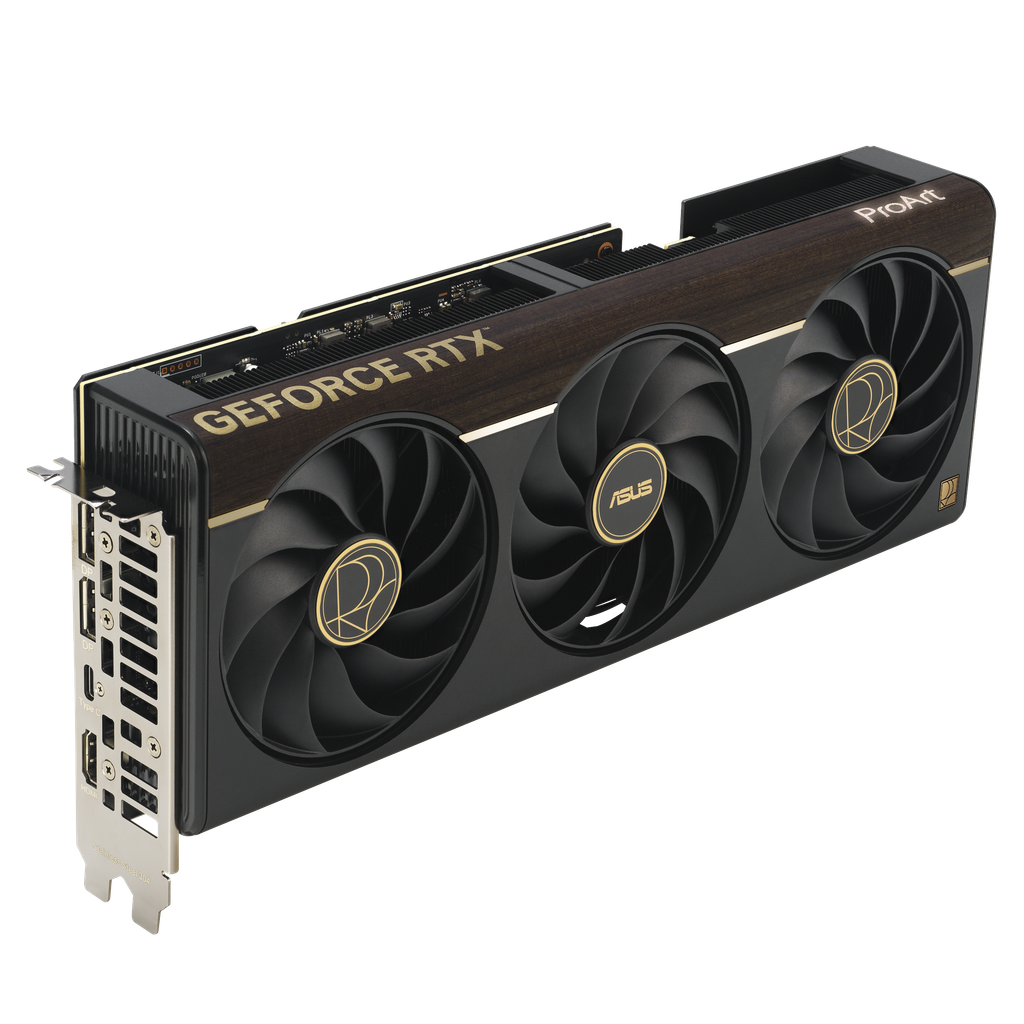
Nvidia is still rumoured to be preparing a GPU that sits in the awkward gap nobody asked for and everyone needed. The RTX 5090 SE remains unconfirmed as of September 2026, with leaked talk of a ~$1,500 global SKU, and it would land between today’s RTX 5080 (~$1,500–$1,600 street) and the RTX 5090 (~$4,500–$5,200 depending on when and where you find one). Our RTX 5080 vs RTX 5090 comparison covers the cards on either side.
That gap has been one of the most discussed problems with Nvidia’s current Blackwell lineup. The RTX 5080 is a good card that many enthusiasts feel should have been more powerful. The RTX 5090 is the most capable consumer GPU ever made and effectively unobtainable at anything resembling its $1,999 MSRP. If the leaks are real, the SE is Nvidia’s answer to both criticisms at once, and the rumoured specs look more interesting than either the name or the origin story implies.
What the RTX 5090 SE actually is
The RTX 5090 SE uses a partially enabled version of the same GB202 die that powers the full RTX 5090. Where the full 5090 enables all 192 shader multiprocessors on the GB202, the SE enables 110 yielding 14,080 CUDA cores versus the 5090’s 21,760. That’s a 35% reduction in shader throughput from the flagship.
The memory configuration stays at 32GB GDDR7, matching the full 5090’s capacity, but the memory bus narrows from 512-bit to 384-bit. Memory bandwidth drops from 1,792 GB/s to approximately 1,344 GB/s. That’s still substantially ahead of the RTX 5080’s 960 GB/s, which runs a 256-bit bus at the same GDDR7 specification.
TDP is reported at 500W, down from the 5090’s 575W but up significantly from the 5080’s 360W. That 500W figure puts the SE firmly in the territory where a quality 1000W PSU is the minimum sensible recommendation, and 1200W is the comfortable build choice. The same PSU advice that applies to the full 5090 applies here native 12V-2×6 connectivity, not an adapter chain.
The Tensor core count drops to 440 (the same as the RTX 5080), which is the figure that matters most for AI workloads on this card. The memory advantage still changes local AI use cases either way: 32GB versus 16GB is the difference between running 27B-parameter models entirely in VRAM and having to offload to system memory.
How it positions against the 5080 and 5090
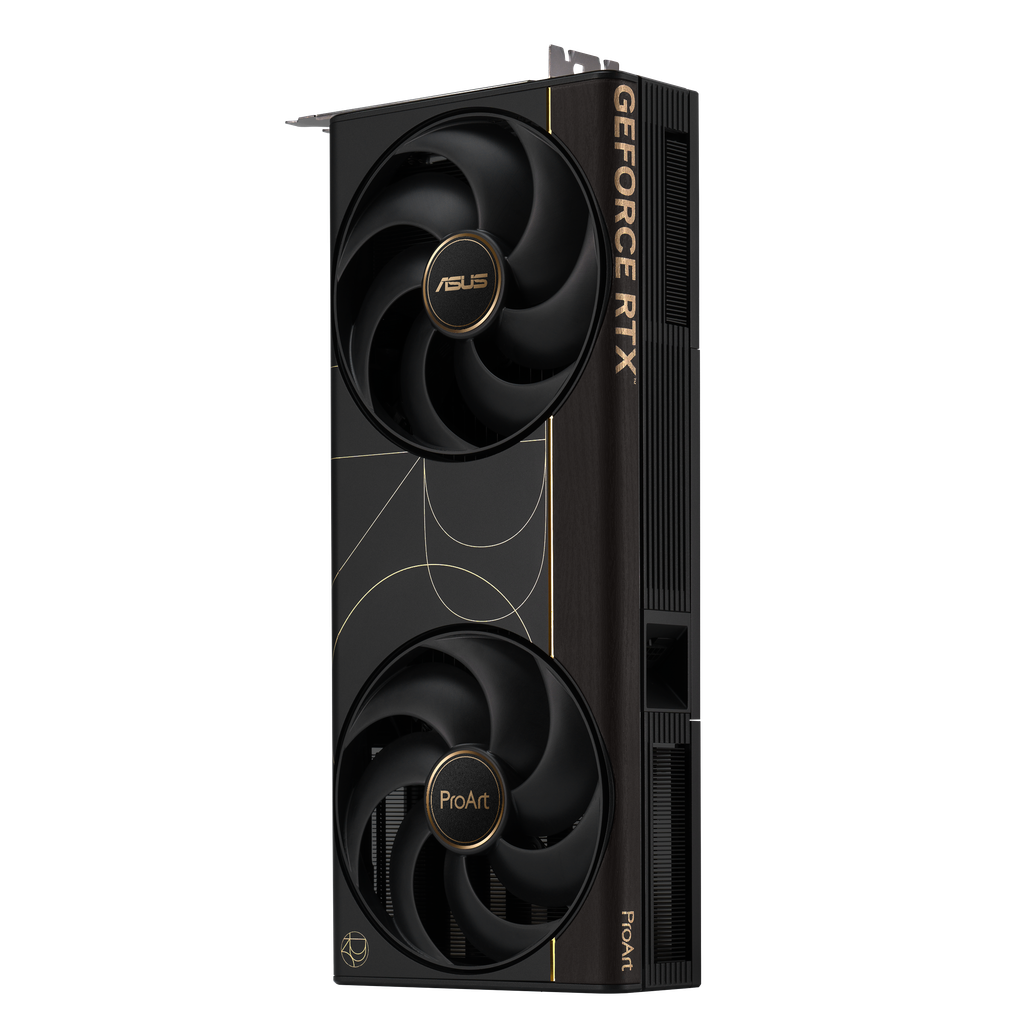
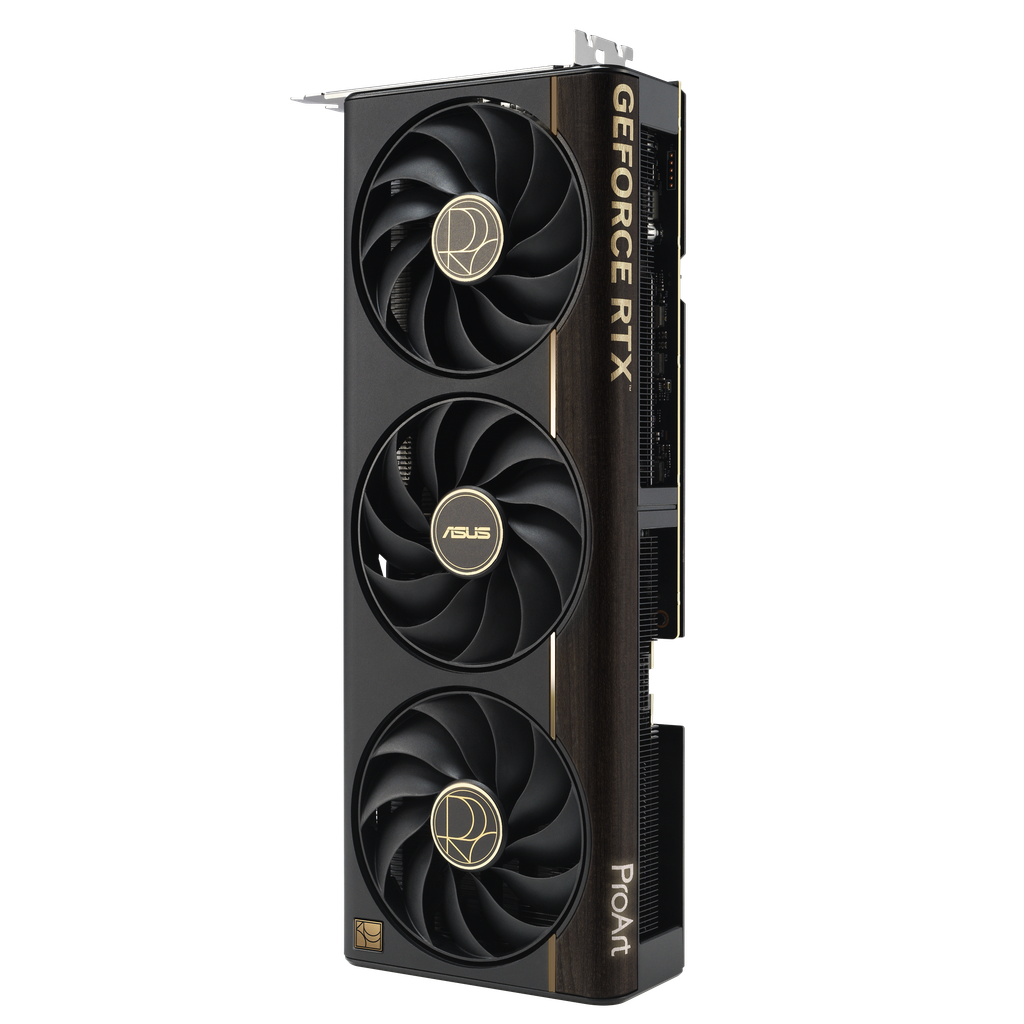
Based on the CUDA core count delta and historical Nvidia scaling patterns, independent analysts estimate the RTX 5090 SE delivers roughly 25–31% better gaming performance than the RTX 5080 across a broad game library. That’s a meaningful step, not a marginal bump, and the RTX 5090 SE should land in the same performance neighbourhood as the full 5090 in memory-bandwidth-sensitive workloads, given its 384-bit bus, while trailing the full 5090 by 20–30% in pure shader throughput workloads.
The practical implication for 4K gaming: the RTX 5090 SE likely delivers 85–88% of the full 5090’s performance in most games while drawing 75W less and costing $700–$1,000 less at street pricing. That’s a value proposition the full 5090 at ~$4,500–$5,200 street cannot approach.
Against the RTX 5080, the 25–31% performance lead for roughly $400 more is a tighter value call. A typical 5080 at ~$1,330–$1,600 street versus a rumoured SE near $1,500 is “25% more performance for a meaningful premium,” and neither side of that comparison is obviously correct. It depends on whether you’re 4K gaming, running AI workloads, or worried about VRAM longevity. For the full range, see our best GPU guide.
The 32GB VRAM: why it matters more than the spec sheet suggests
The RTX 5090 SE’s most significant advantage over the RTX 5080 isn’t the extra shader throughput. It’s the 32GB of GDDR7 versus the 5080’s 16GB.
For pure gaming in 2026 the 5080’s 16GB is sufficient for everything currently available, but the trendline is the concern. Frame generation buffers, ray reconstruction caches, mesh shader assets, and high-resolution texture packs are all pushing VRAM requirements upward across successive game releases. Early signs of the 5080’s 16GB showing strain have already appeared in specific scenarios: heavily modded Cyberpunk 2077, Microsoft Flight Simulator 2024 at maximum photogrammetry, certain Unreal Engine 5 nanite-heavy titles at 4K with maximum texture settings.
The RTX 5090 SE’s 32GB removes that concern across any likely game release in the next four or five years. For builders who keep GPUs for a long upgrade cycle, that headroom is a genuine long-term argument the same argument the RTX 3090’s 24GB is making in 2026 as the RTX 3080’s 10GB struggles in texture-heavy games.
For local AI workloads running large language models, Stable Diffusion, or video generation models locally, 32GB enables workflows the RTX 5080’s 16GB simply cannot accommodate. Models in the 27B–34B parameter range in 4-bit quantisation fit entirely in the SE’s VRAM. The RTX 5080 handles 7B–13B models comfortably and starts struggling above that. The RTX 5090 SE doesn’t solve the problem for truly massive models but it pushes the accessible ceiling substantially higher.
The naming: a legitimate concern
Several hardware communities have pushed back on the RTX 5090 SE branding and the pushback is fair. The SE uses roughly 65% of the full 5090’s shader resources, so calling it a 5090 variant rather than a super-charged 5080 is a marketing decision rather than a technical one. Architecturally the card sits much closer to an RTX 5080 Super than to a modest step down from the flagship.
Nvidia has made this kind of branding decision before. The RTX 4080 12GB at launch was famously pulled back and relaunched as the RTX 4070 Ti after community backlash over misleading naming. The RTX 5090 SE carrying a 5090 designation despite 14,080 CUDA cores compared to the full 5090’s 21,760 raises similar questions.
Whether this matters practically: not really. The performance is what it is regardless of what the box says. But buyers should understand they’re getting a heavily cut-down version of the GB202 die when they purchase an RTX 5090 SE, not a modest step down from the flagship.
What’s not confirmed yet
Launch date, final pricing, and AIB partner configurations are all still unconfirmed as of September 11, 2026. The $1,500 price point is a leak rather than an official announcement, and Nvidia has not publicly acknowledged the RTX 5090 SE’s existence. At least one outlet has flatly disputed the GameGPU leak’s technical details, so treat the whole SKU as rumour until Nvidia speaks.
Treat everything above as strongly indicated by credible sources rather than confirmed by Nvidia. The specifications come from GameGPU community data and multiple hardware sites including TechPowerUp and Tech4Gamers. Historical precedent for leaks at this specificity level suggests the card was at least under discussion, but until Nvidia makes an official announcement the $1,500 price and exact specifications remain subject to change (or cancellation).
This article will be updated when Nvidia officially announces the RTX 5090 SE.
Should you wait for it?
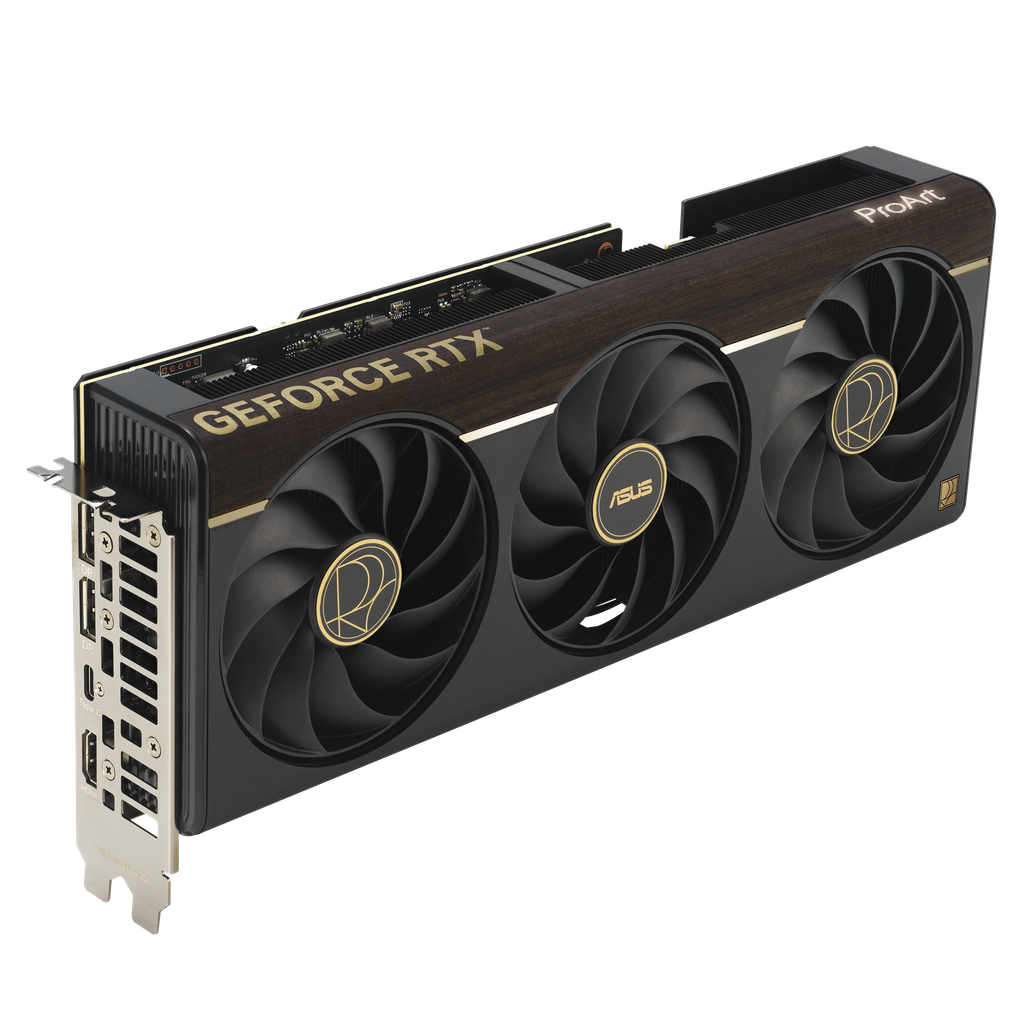
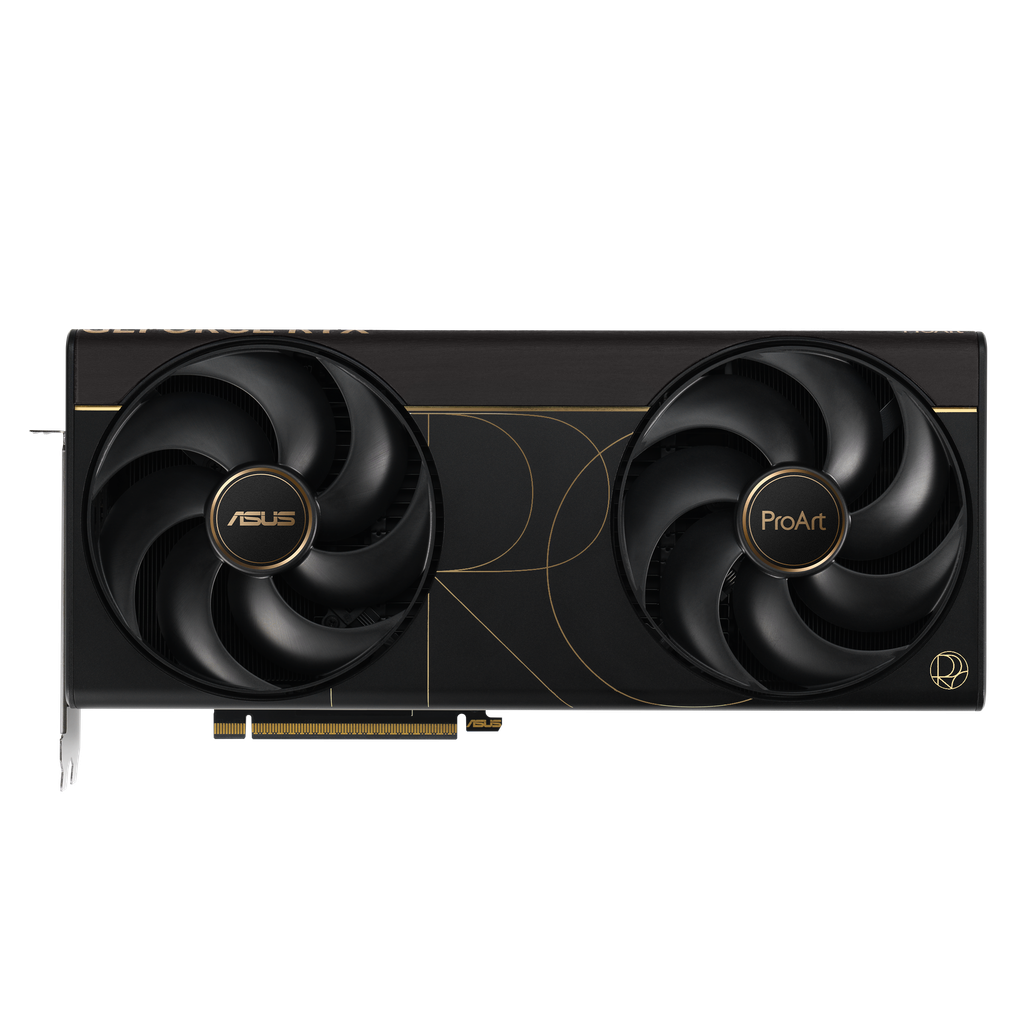
If you’re currently deciding between the RTX 5080 and RTX 5090 and the $1,100 gap between them is the main obstacle, the RTX 5090 SE is worth waiting a few months for. A $1,500 card with 32GB GDDR7 and 25–31% more shader throughput than the 5080 fills that gap in a way neither existing card does.
If you need a GPU now and can’t wait, a current RTX 5080 at ~$1,500–$1,600 street is still the correct high-end purchase for gaming-focused buyers. The RTX 5090 SE doesn’t exist in stores. Don’t wait indefinitely for a card without a confirmed launch date when a capable card is available today.
If you’re considering the full RTX 5090 at ~$4,500–$5,200 street, a rumoured SE near $1,500 would deliver most of what you’re after at significantly less cost (assuming street pricing ever resembles that leak). The only scenario where the full 5090 remains the clearer choice is if you specifically need the additional shader throughput for professional rendering workloads or want absolute 4K performance regardless of value.