


The “you need a 360mm AIO or your CPU will overheat” advice from a few years ago is mostly wrong in 2026. Modern gaming CPUs are thermally efficient. A Ryzen 7 9800X3D under gaming load rarely sustains full package power, it boosts hard on a handful of cores and the rest of the chip sits relatively cool. A good air cooler handles that without drama.Air Cooler vs AIO CPU Cooler 2026
This guide cuts through the noise and tells you what TDP tier needs what cooler, which products to buy at each budget, and when an AIO or custom loop actually earns its cost. The Air Cooler vs AIO comparison article covers the philosophical debate, this article gives you the answer and the product names.
The Decision Framework: Match the Cooler to the Chip
Before any product recommendation, two numbers matter: your CPU’s TDP and your case’s cooler height clearance. TDP sets how much heat you need to move, and height clearance sets what physically fits.
TDP is more complicated than the box number suggests. The 65W figure on a Ryzen 5 9600X box describes its baseline power consumption, but under boost the chip briefly draws more. Under gaming load with boost active it typically runs 80-100W sustained. The 105W Ryzen 9 9900X under all-core stress draws closer to 120-130W sustained. Intel’s Core Ultra 9 285K is rated at 125W base but runs 250W+ under sustained all-core workloads on Z890 with power limits relaxed. Know what your chip actually draws under the workloads you run, not just the box number.
Case height clearance is the other constraint. Most ATX mid-towers clear 160-165mm minimum. Some budget cases clear only 150mm. Verify your specific case specification before buying a cooler, a cooler that doesn’t physically fit is money wasted regardless of its thermal performance.
The TDP Tiers: What Each Level Actually Needs
Tier 1: 65W chips: Ryzen 5 9600X, Ryzen 5 9600, Core Ultra 5 245
A budget single-tower air cooler handles 65W chips without compromise. Full stop. Buying a 360mm AIO for a 65W CPU is money that belongs in the GPU column. The chip never gets hot enough to challenge a quality $35 cooler and the AIO adds cost, complexity, and potential failure points with zero thermal benefit.
The stock cooler that ships with AMD’s lower-TDP chips, the Wraith Stealth, is functional but audible under load. A $35 aftermarket cooler runs cooler and quieter. That’s a worthwhile upgrade. Anything more is overkill.
Tier 2: 65-125W chips: Ryzen 7 9700X, Ryzen 7 9800X3D, Core Ultra 7 265K
The sweet spot of the air cooler market. A quality dual-tower or premium single-tower cooler handles everything in this tier during gaming workloads without thermal throttling. The 9800X3D specifically, the best gaming CPU on AM5, rarely sustains full package power during gaming. Its V-Cache design keeps it efficient. A $55-$80 air cooler is all it needs.
The argument for an AIO at this tier is aesthetic, not thermal. If you want a glass-panel build with an LCD pump head and RGB tubing, buy the AIO. The temperatures won’t be meaningfully better than a quality air cooler. The visual impact will be better. That’s a legitimate reason to spend more, just be clear it’s what you’re paying for.
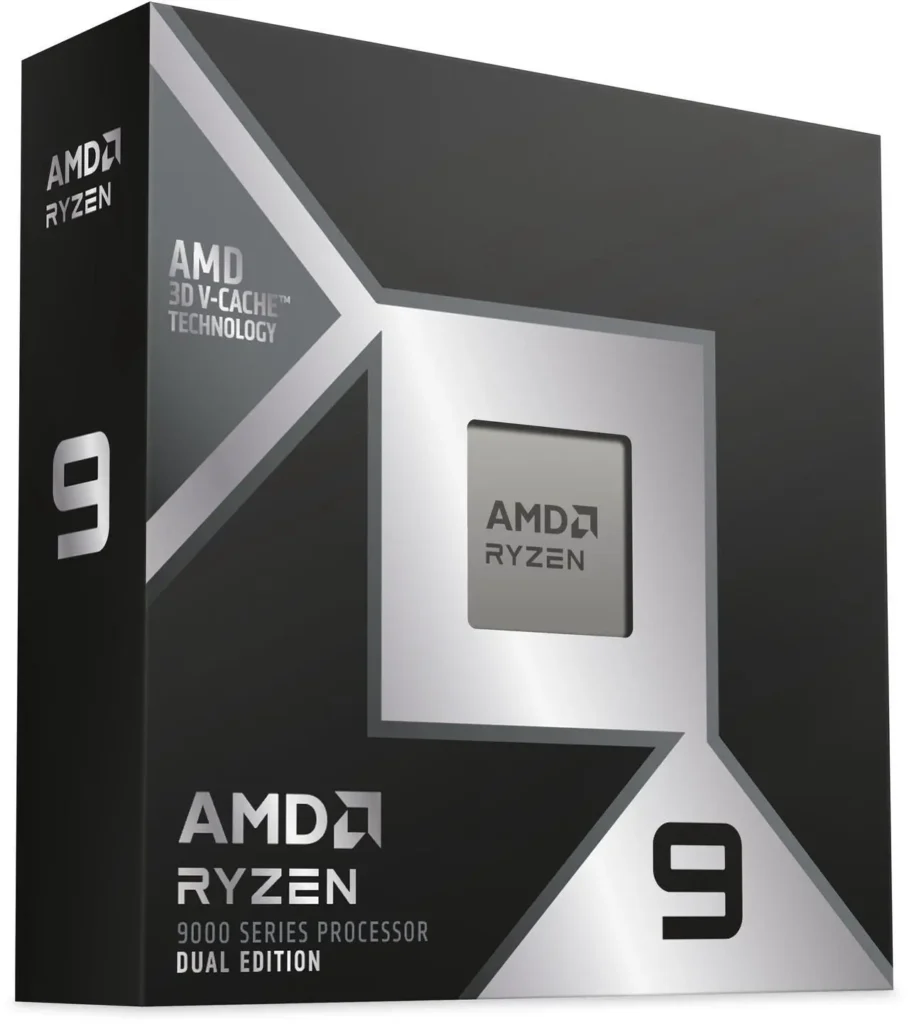
Tier 3: 125-200W chips: Ryzen 9 9900X3D, Ryzen 9 9950X3D, Core Ultra 9 285K at gaming loads
This is where the AIO vs air decision becomes genuinely performance-relevant rather than aesthetic. These chips push sustained package power that challenges large air coolers at the top of their capability. A Noctua NH-D15 G2 handles the 9950X3D during gaming, but under sustained all-core workloads, a 360mm AIO provides meaningful headroom that translates to sustained higher boost clocks.


If you primarily game: a premium dual-tower air cooler like the NH-D15 G2 or DeepCool Assassin IV handles these chips adequately. You’ll see junction temperatures 5-10°C higher than a 360mm AIO under sustained gaming load. The CPU won’t throttle. Boost clocks may pull back very slightly during prolonged heavy sequences.Cooler Master V8 ACE 3DHP Review
If you do sustained productivity workloads, rendering, compilation, video encoding, alongside gaming: buy the 360mm AIO. The thermal headroom matters when the CPU is drawing 150-170W sustained for thirty minutes rather than the burst loads typical of gaming.
Tier 4: 200W+ chips: Ryzen 9 9950X3D2, Core Ultra 9 290K Plus overclocked
360mm AIO minimum, properly sized for sustained cooling at high TDP. A large dual-tower air cooler technically handles these chips but runs fans at higher speeds than is comfortable for daily use and provides less sustained performance headroom. At 200W+ the case for liquid cooling is thermal, not aesthetic.
Custom loops become relevant here if acoustic performance at sustained high TDP is the priority, a properly sized custom loop with two 360mm radiators dissipates heat from a 200W CPU at lower fan speeds than any AIO, producing dramatically quieter operation under sustained load.How to Apply Thermal Paste to Your CPU
The Products: What to Actually Buy
Budget Tier ($25-$50): Air Cooling Only
Arctic Freezer 36 (~$39 on Newegg)
Single tower, dual 120mm fans in push-pull, rated for 175W sustained in independent testing despite costing $35. AM5 and LGA1851 compatible. The correct budget choice for any 65-125W chip. The push-pull fan configuration makes it competitive above its price point. If you’re building an $800 gaming PC and trying to allocate correctly, this is all you need for a Ryzen 5 9600X or Core Ultra 5 245. Spend the saved money on the GPU.Arctic Freezer 36 ($39)

Thermalright Peerless Assassin 120 SE (~$47 on Newegg)
Dual-tower design at the same price as the Arctic Freezer 36. Better performance at higher TDP, handles up to 180W in real-world testing. The only limitation is size: the dual-tower footprint can crowd RAM with tall heatspreaders. Check RAM clearance for your specific heatspreader height before buying. For a build where RAM clearance isn’t a concern, this is the best thermal performance available for $35 and competes with coolers costing twice as much. Thermalright Peerless Assassin 120 SE ($46)

Mid Range ($55-$90): Air Cooling Sweet Spot
DeepCool Assassin IV (~$85 on Newegg)
Dual-tower flagship, 175mm height, exceptional noise-normalised performance, strong competitor to the Noctua NH-D15 G2 at $199 . Handles the 9800X3D, 9950X3D, and Core Ultra 9 285K under gaming workloads without throttling. The DeepCool Assassin IV is the recommendation for anyone who wants near-flagship air cooling at a sensible price. Buy this before considering an AIO for any gaming chip under 170W TDP. DeepCool Assassin IV

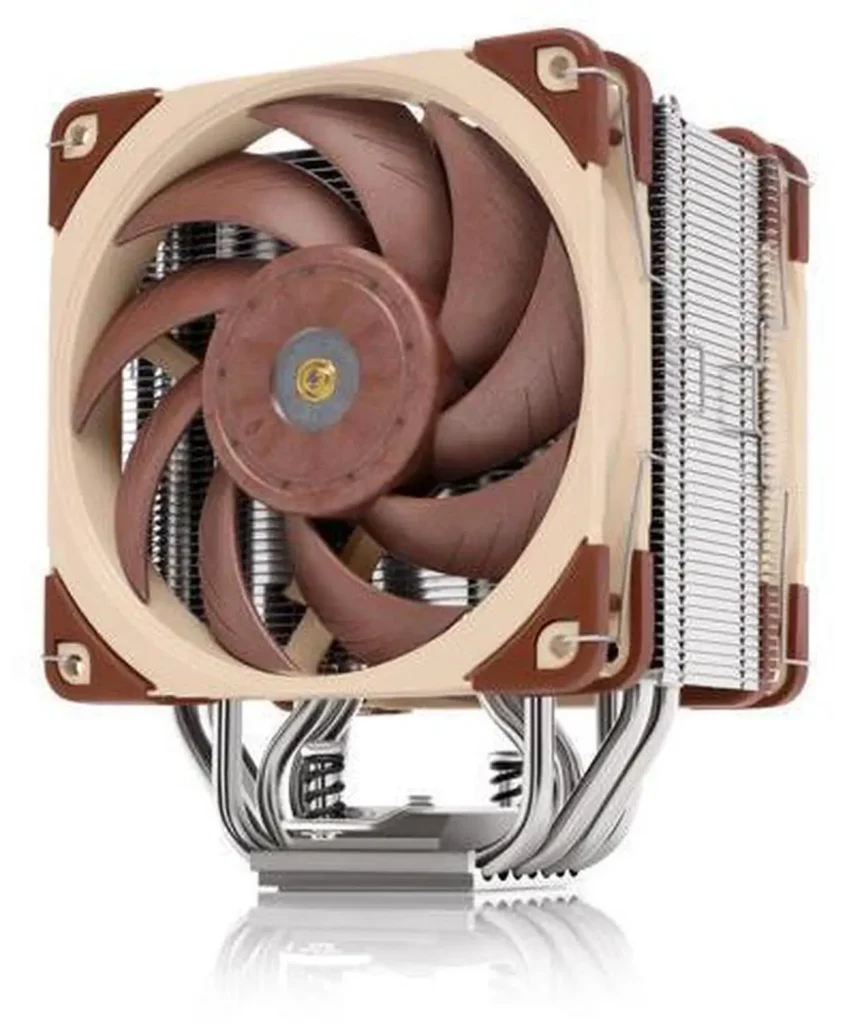
Noctua NH-U12A (~$109 on Newegg)
Single-tower with two 120mm fans, 158mm height, exceptional noise levels at any RPM. The right choice when case clearance prevents a 165mm+ dual-tower cooler. Performance at 158mm height is genuinely impressive, better than many 240mm AIOs in noise-normalised comparisons. Noctua’s seven-year warranty and decades-long track record make it a buy-once-keep-forever purchase.Noctua NH-U12A ($262)
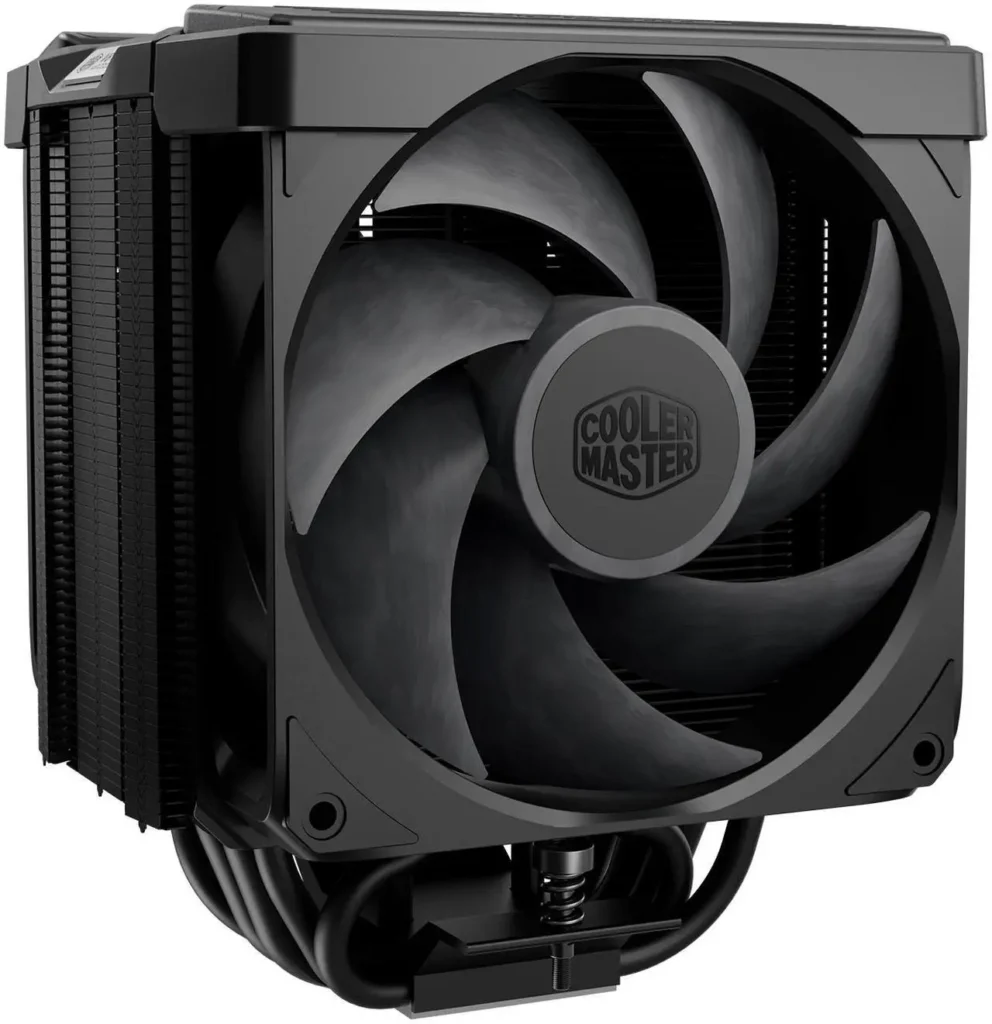
Cooler Master V8 ACE 3DHP (~$119 on Newegg)
Single-tower with new 3DHP heatpipe technology, reviewed this week, 167.3mm height. Ranks first in the single-tower category and rivals dual-tower designs on AMD hardware specifically. The premium over the DeepCool Assassin IV ($40 more) is justified if you specifically want the single-tower footprint with dual-tower performance, or if the industrial aesthetic fits your build.Cooler Master V8 ACE 3DHP ($119)
Premium Air ($110-$125): Maximum Air Cooling Performance
Noctua NH-D15 G2 (~$ 199 on Newegg)
The reference point for best-in-class air cooling for years. 165mm height, two 150mm fans, exceptional sustained performance at high TDP. Handles everything up to and including the Ryzen 9 9950X3D under gaming load. The one practical concern: the NH-D15 G2 has a documented RAM clearance issue with the two DIMM slots nearest the CPU, tall heatspreaders may not clear the cooler’s overhang. Noctua’s RAM clearance checker lists compatible kits. Check before buying. Noctua NH-D15 G2 ($159)

The honest case against it: at $110-$125, the NH-D15 G2 and the DeepCool Assassin IV at $80 are very close in thermal performance. The NH-D15 G2 wins in sustained all-core workloads at the top of its TDP range. For gaming-focused builds, the Assassin IV closes most of the gap for $30-$45 less.Custom Water Cooling Guide Noctua NL-LC1 AIO Review
Entry AIO ($100-$130): When Air Cooling Ends and Liquid Begins
Arctic Liquid Freezer III 360 (~$238 on Newegg)
360mm radiator, excellent pump reliability record, strong sustained cooling at high TDP, competitive noise levels. The Arctic Liquid Freezer series has had the best pump reliability track record in the enthusiast community for several years based on Reddit failure rate tracking. At $100-$110 it’s the AIO to buy if thermal performance rather than aesthetics is the primary goal. No LCD, no elaborate RGB, just a very good cooling system at a sensible price. Arctic Liquid Freezer III 360 ($238)

The 280mm variant at ~$90 is a legitimate step down for cases that don’t support 360mm top or front mounting. A 280mm radiator adds meaningful surface area over 240mm and fits more case configurations than 360mm.
Avoid budget AIOs under $70. Entry AIOs in the $60-$80 range from less established brands frequently use pump designs with lower reliability ratings and thin radiators that saturate quickly under sustained high-TDP loads. The performance difference between a $70 budget AIO and the Arctic Liquid Freezer III 360 is larger than the price gap suggests. The pump reliability difference is the bigger concern, an AIO pump failure at 3 years requires a full cooler replacement. Spend $100 on a reliable 360mm unit and it lasts the life of the build.How to Set Up PC Fan Airflow
Premium AIO ($150-$250): Aesthetics and Performance Together
NZXT Kraken Elite 360 RGB (~$265 on Newegg)
Flagship AIO with LCD pump head display, clean pump head aesthetics, three included 120mm fans, excellent thermal performance, and tight NZXT CAM software integration. The LCD display shows temperature, system metrics, or custom images. The premium over the Arctic Liquid Freezer III 360 is almost entirely aesthetic, thermal performance is similar, noise levels are comparable. Buy this if the LCD display and clean NZXT aesthetic matter for your build. Don’t buy it expecting meaningfully lower temperatures than the Liquid Freezer III.NZXT Kraken Elite 360 RGB ($279)
MSI MPG CoreLiquid A15 360 (~$100 on Newegg)
Good value mid-premium AIO with LCD pump head, competitive thermal performance, MSI’s strong warranty support. The right choice if you want the LCD display at lower cost than the Kraken Elite or if you’re building an MSI-ecosystem white or black build.MSI MAG Coreliquid A15 360 ($99)
Custom Loop: When Nothing Else Is Enough
Custom water cooling is the correct answer only when you have specific thermal requirements that AIOs can’t meet, primarily flagship GPU plus flagship CPU in the same loop at sustained loads, or sustained all-core workloads above 200W where acoustic performance matters.
For gaming builds without a GPU water block, a 360mm AIO on the CPU is always the simpler and more reliable choice over a custom loop. Custom loops require maintenance, add build complexity, and cost $400-$900 for a quality CPU-only setup. The SpecClear custom water cooling guide covers the full process for builders who’ve decided a loop is the right choice for their specific situation.
The Clearance Check You Can’t Skip
Before ordering anything above 150mm:
Check your case manufacturer’s spec page for CPU cooler height clearance, not the product listing on a retailer, the manufacturer’s spec. Retailer listings are frequently wrong or vague.
Check your RAM heatspreader height for dual-tower coolers, the DeepCool Assassin IV, Noctua NH-D15 G2, and Thermalright Peerless Assassin 120 SE all have varying RAM clearance depending on heatspreader height. Most DDR5 kits with standard heatspreaders clear large dual-tower coolers. High-profile RGB heatspreaders sometimes don’t.Corsair iCUE LINK TITAN II ULTRA 360 Review
Check AIO radiator mounting support, 360mm radiators fit top or front mounting in most full-size ATX mid-towers. Compact mid-towers and Micro-ATX cases sometimes support only 240mm or 280mm. Confirm before buying a 360mm AIO.
None of these checks are complicated. They take five minutes and prevent expensive returns.